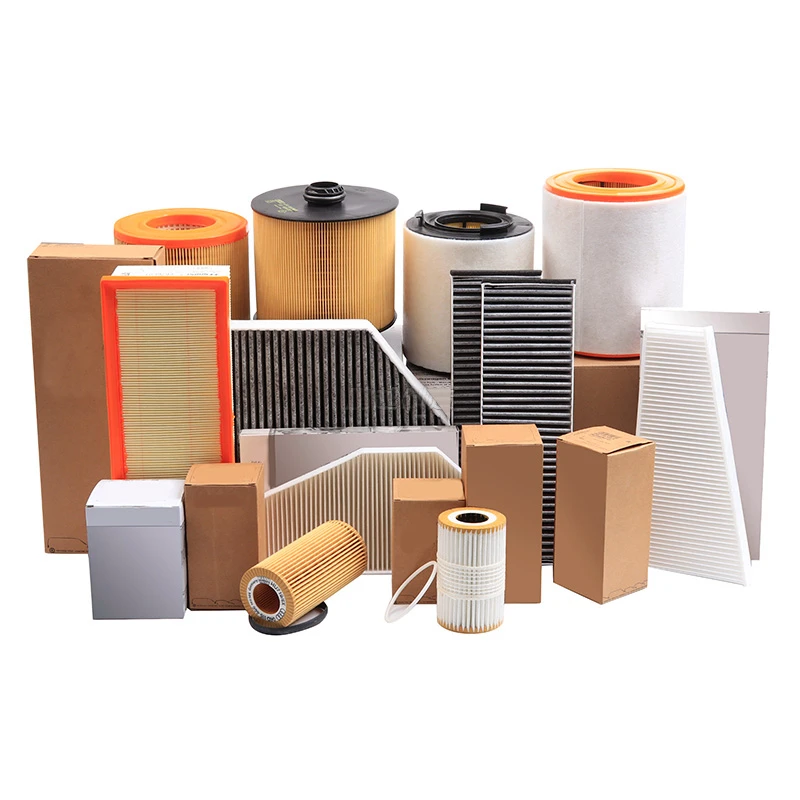
Understanding How Often to Replace Engine Air Filter in Car: Why It Truly Matters
Quick thought: it’s easy to overlook that humble engine air filter sitting quietly under your hood, yet how often to replace engine air filter in car is a question with real global significance. On the surface, it might seem like a minor maintenance detail, but in reality, this decision affects vehicle health, fuel efficiency, and emissions worldwide. Across billions of vehicles, optimizing air filter replacement schedules plays a role in reducing pollution, lowering fuel costs, and extending engine lifespan — key wins for economies and the environment alike.
So yes, it’s not just “car talk” for the gearheads; the ripple effects, as I noticed on some industry reports, reach far beyond.
Introduction: The Global Challenge Behind Engine Air Filter Replacement
Engine air filters are essential for keeping contaminants from damaging internal combustion engines. According to the International Organization for Standardization (ISO), the effectiveness of these filters ties directly to performance standards that impact everything from vehicle reliability to emission controls. With over 1.4 billion motor vehicles reported worldwide by the World Bank in 2023, the question of how often to replace engine air filter in car becomes a massive issue. Many drivers and even some fleet operators underestimate the importance of timely filter changes, leading to poorer fuel economy and increased harmful emissions.
Take the puzzle further: in urban megacities with heavy pollution, filters clog faster, demanding more frequent replacement, yet many maintenance schedules still follow “generic” guidelines. This mismatch creates a challenge for sustainable automotive maintenance in the age of climate awareness and rising fuel costs.
Mini takeaway: Globally, understanding the right replacement interval is not just a niche mechanic’s tip — it’s part of a broader environmental and economic equation.
What Does “How Often to Replace Engine Air Filter in Car” Mean?
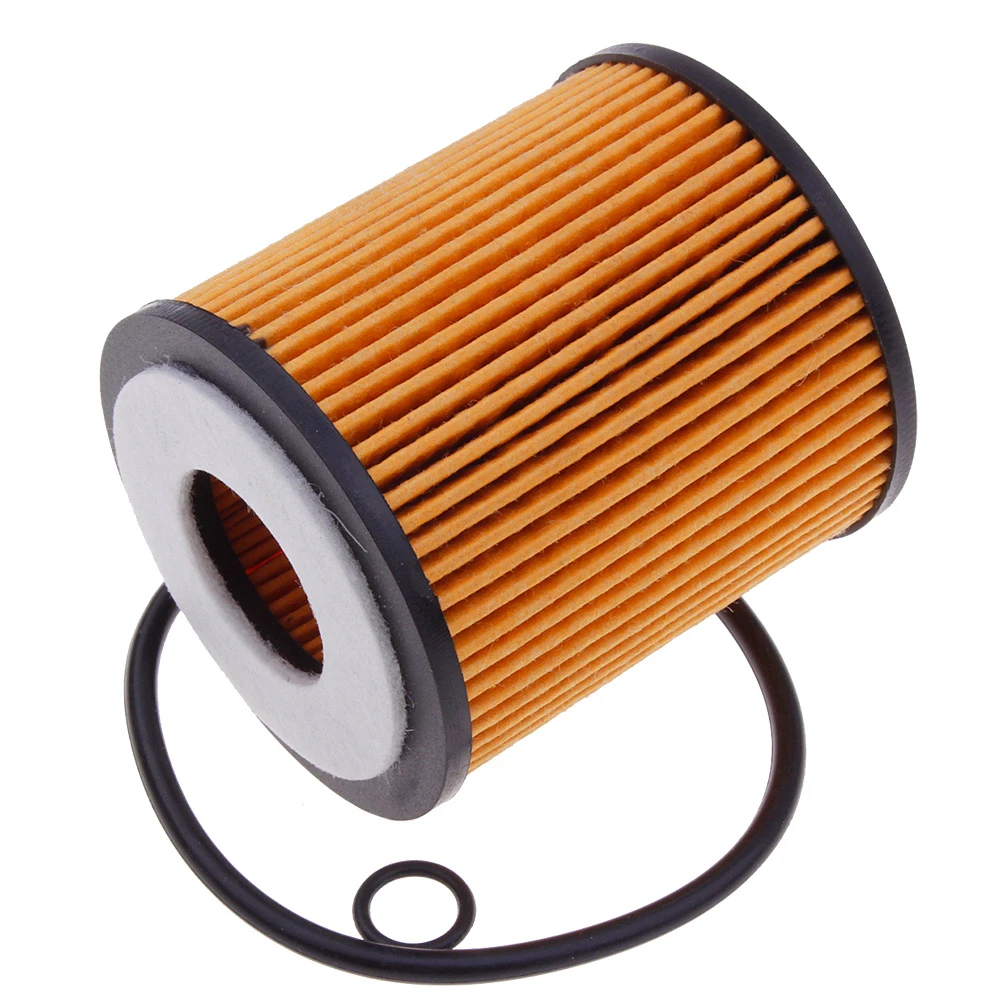
Put simply, it’s about determining the ideal timeframe or mileage interval at which a vehicle’s engine air filter should be swapped out for a new one. The goal? To ensure the engine continues to receive clean airflow, free from dust, dirt, pollen, and other particulates that could otherwise degrade engine components or reduce combustion efficiency.
In essence, it’s a balancing act: change too soon, and you’re spending money unnecessarily; change too late, and you risk engine wear and poor performance. This is increasingly critical in modern vehicles, especially those using turbocharged or highly tuned engines, where air quality control directly affects power and emissions compliance.
Oddly enough, this knowledge has humanitarian ties—for instance, consistent vehicle maintenance reduces harmful emissions, improving air quality in communities worldwide, especially in low-income urban areas affected by poor air pollution control.
Key Factors Influencing When To Replace Your Engine Air Filter
1. Driving Conditions
If you’re mostly on a smooth highway, your filters clog slower. But if you’re crawling in dusty, rural roads or in heavy city pollution, the filter works overtime. Hence, the replacement needs to adapt.
2. Vehicle Type and Engine Design
Different engines have diverse airflow needs. For example, diesel engines might require different filter specs compared to gasoline ones, especially in mixed-use commercial vehicles.
3. Manufacturer Recommendations
Car makers provide guidelines, usually in terms of mileage or time. Still, these are rough guides that don’t always factor in regional environment challenges, so some variation is smart.
4. Filter Material and Build Quality
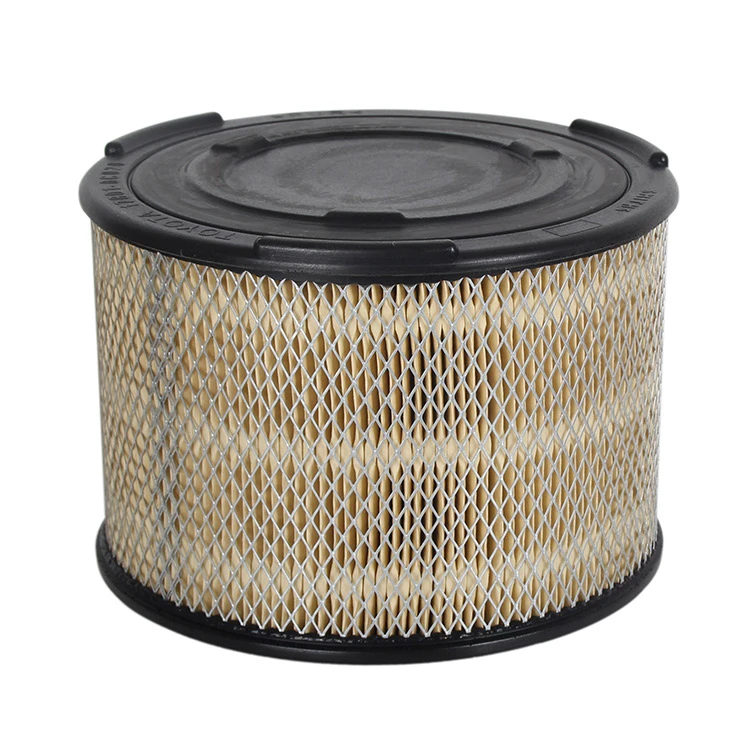
Paper filters are common but can clog quicker; synthetic and reusable filters often last longer but at a higher upfront cost.
5. Maintenance Habits
Regular vehicle checkups can include air filter inspection, possibly extending useful life if cleaned or lightly tapped out—but beware of damage.
Mini takeaway: The frequency of filter replacement isn’t one-size-fits-all—it’s affected by diverse, sometimes subtle, factors unique to every driver’s environment.
How This Plays Out Around the World
In countries like Australia or the Middle East, where dust storms are common, filters get dirty faster; thus, maintenance guidelines recommend replacements roughly every 12,000 miles or less.
Conversely, in cleaner urban European cities with good air quality controls, some vehicles may stretch to 20,000 miles or more between changes. Many large logistics companies in North America actively monitor air filter health to avoid downtime and reduce emissions — reflecting a growing trend of proactive fleet management supported by sensors and IoT technologies.
In post-disaster zones, such as after wildfires, air pollutants increase dramatically, making filter replacement a priority for relief vehicles and emergency responders to maintain reliability and safety.
Advantages and Long-Term Value of Timely Filter Replacement
- Improved Fuel Economy: A clean filter ensures optimal air-fuel mixtures, reducing wasted fuel.
- Lower Emissions: Efficient combustion means fewer harmful gases released into the atmosphere.
- Prolonged Engine Life: Prevents abrasive particles from entering engine cylinders.
- Cost Savings: Avoids expensive repairs and inefficient fuel consumption.
- Peace of Mind: Knowing your car runs safely and cleanly helps avoid unexpected breakdowns.
In real terms, that peace of mind also translates to trust between drivers and their vehicles — a small but meaningful comfort most of us cherish.
Spec Sheet for a Typical Engine Air Filter
| Specification | Detail |
|---|---|
| Filter Type | Pleated Paper / Synthetic Fiber |
| Approximate Lifespan | 12,000 - 20,000 miles (varies) |
| Filtration Efficiency | 90-98% for 10 microns and above |
| Operating Temperature Range | -40°C to 125°C (-40°F to 257°F) |
| Material Compliance | ISO 5011:2014 standard |
Comparing Popular Engine Air Filter Vendors
| Vendor | Typical Lifespan | Material Type | Price Range | Warranty |
|---|---|---|---|---|
| Brand A | 15,000 miles | Pleated Paper | $15 - $25 | 1 Year |
| Brand B | 20,000 miles | Synthetic Fiber | $25 - $40 | 2 Years |
| Brand C | 12,000 miles | Cotton Gauze (Reusable) | $30 - $50 | Lifetime (Rebuildable) |
Future Trends: What’s Next in Engine Air Filter Replacement?
Manufacturers are leaning into greener, smarter solutions. There’s a growing adoption of reusable filters with nanofiber technology—offering higher filtering efficiency and longer life. Couple that with vehicle IoT sensors, and now some cars can alert you when airflow drops below optimal levels, helping tailor that replacement schedule perfectly.
On a policy front, targets to reduce automotive emissions are pushing OEMs and aftermarket parts vendors to innovate continuously, making frequent and proactive air filter maintenance part of the broader climate action toolkit.
Common Challenges and Clever Workarounds
The biggest headache? Drivers ignoring replacement schedules because of cost or lack of awareness. Plus, uneven quality in replacement parts sometimes means “cheap” filters underperform, risking engine damage. Another challenge is custom vehicles or older models that don’t fit standard filter specifications neatly.
Experts suggest incorporating air quality monitoring in dashboard systems and educating consumers through dealer service reminders. Some newer cars even use reusable filters that owners can clean themselves, cutting down long-term expenses and waste—a neat win.
Frequently Asked Questions About How Often to Replace Engine Air Filter in Car
-
How can I tell if my engine air filter needs replacing sooner than scheduled?
Visible dirt, reduced engine power, or odd smells can signal a clogged filter. You can also listen for hush sounds of airflow or have a mechanic inspect it during routine services. Checking every 6,000 miles is a good rule of thumb in dusty environments. -
Will replacing my air filter improve my fuel economy noticeably?
Yes, often by 5-10%, especially if the old filter was heavily clogged. Cleaner air helps the engine run efficiently, burning less fuel. -
Can I use reusable air filters to avoid frequent replacements?
Absolutely. They require cleaning every so often but can last a lifetime. However, ensure you follow manufacturer cleaning instructions carefully to avoid damage. -
Do electric vehicles need engine air filter replacements?
Since electric motors don’t use combustion, they don’t have engine air filters. They may have cabin air filters but that’s a different maintenance topic. -
Is it okay to clean a disposable air filter rather than replace it?
Cleaning disposable filters often harms their filtering material. It’s best to replace them outright for safety and engine longevity.
Conclusion: Why Keeping Tabs on Your Car’s Air Filter Pays Off
Ultimately, how often to replace engine air filter in car isn’t just a maintenance checklist item—it's a small action with outsized benefits. Whether you’re a daily commuter or a logistics fleet manager, sticking to optimal replacement intervals saves money, cuts emissions, and keeps engines humming longer. It’s one of those low-effort moves that really pays off.
Want to dive deeper or shop quality filters? Visit our website for expert advice and options tailored to your driving style and location.
References
-
Guide on how often do you need to replace engine air filterNewsApr.16,2026
-
Learn how often do you replace air filter in car for engine healthNewsApr.09,2026
-
How Often Do You Replace Car Air Filter For Optimal Engine PerformanceNewsApr.07,2026
-
How Often Do You Replace Engine Air Filter For Optimal Vehicle PerformanceNewsApr.04,2026
-
Understanding How Often Does Engine Air Filter Need to Be Replaced for Optimal PerformanceNewsMar.31,2026
-
How Often Engine Air Filter Change Impacts Performance and LongevityNewsMar.28,2026
-
Understanding How Often to Replace Your Car Air Filter for Optimal PerformanceNewsMar.26,2026
Related Products