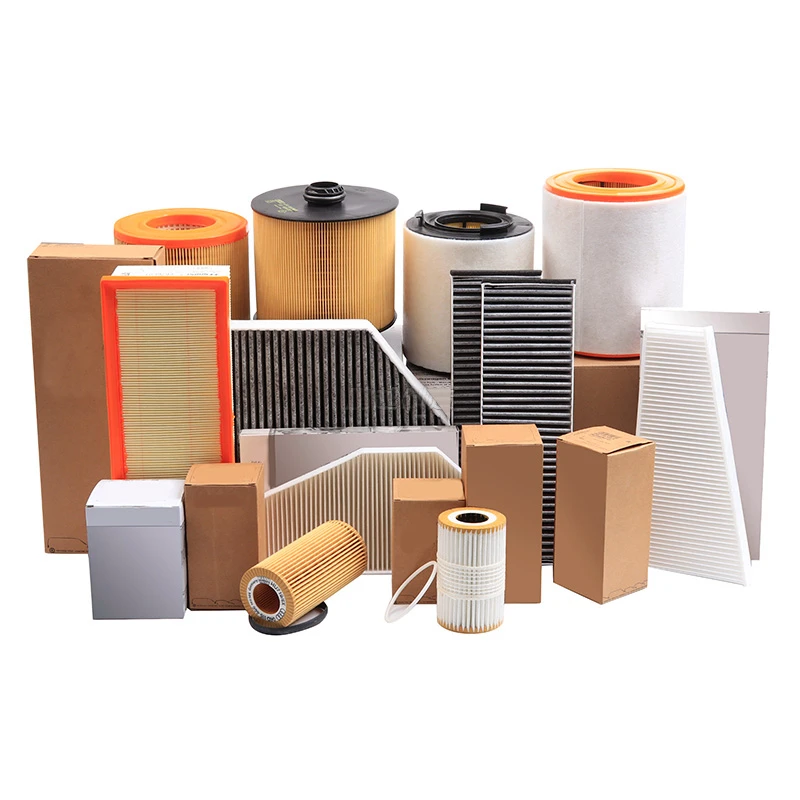
How Often to Replace Car Cabin Air Filter: Why It Matters Globally
If you’ve ever wondered why that faint musty smell creeps into your car or why the air conditioning seems less crisp over time, the cabin air filter is often the sneaky culprit. Knowing how often to replace car cabin air filter isn’t just a maintenance chore — it’s vital to your health, comfort, and car longevity. Globally, as urban pollution worsens and millions rely on automobiles daily, understanding this might just be an overlooked piece of keeping our personal bubble clean and safe.
Air quality inside vehicles directly affects respiratory health, alertness while driving, and even fuel efficiency. Yet, surprisingly few drivers think about their cabin air filters until it's too late. In this article, we’ll walk through what this mysterious little component does, why its replacement cycle matters, and how global trends are shaping future standards.
Introduction: The Global Impact of Cabin Air Filter Replacement
The World Health Organization estimates that over 90% of the world’s population breathes air that exceeds safe pollutant levels. In congested cities like Beijing, New Delhi, and Mexico City, fine dust particles, pollen, and even vehicle exhaust carbon compounds make the air inside cars just as hazardous as the environment outside, if not worse.
With around 1.4 billion cars on the planet, the simple act of how often to replace car cabin air filter has become a small but crucial part of tackling personal exposure to air pollution. A clogged or old filter can reduce airflow, strain your car’s HVAC system, and fail to trap unwanted contaminants effectively — risking your health, comfort, and even the car’s electronics.
Interestingly, ISO standards like ISO 11155-1 have been steadily refining testing methods for automotive filters, spotlighting the need for regular, scientifically backed maintenance intervals. But despite these efforts, many drivers remain unaware of best practices.
What Does 'How Often to Replace Car Cabin Air Filter' Really Mean?
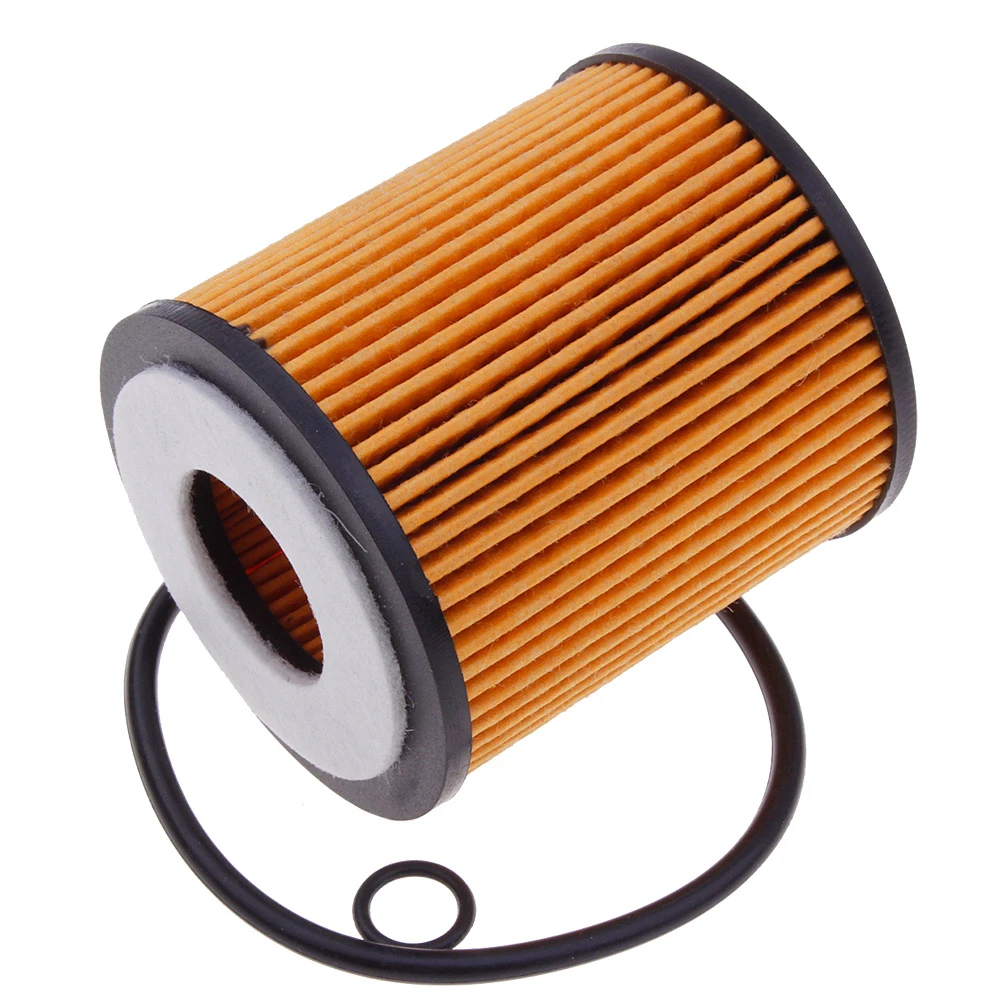
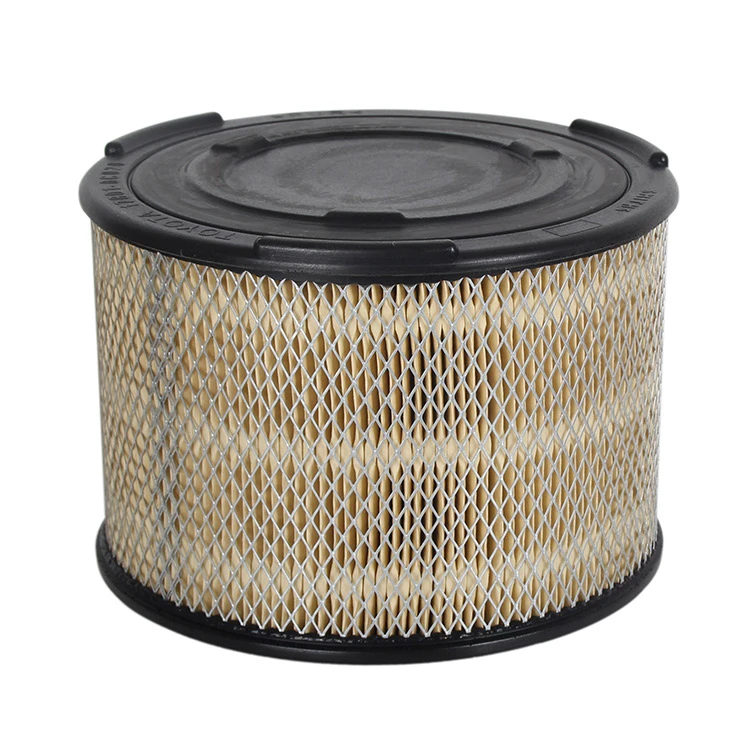
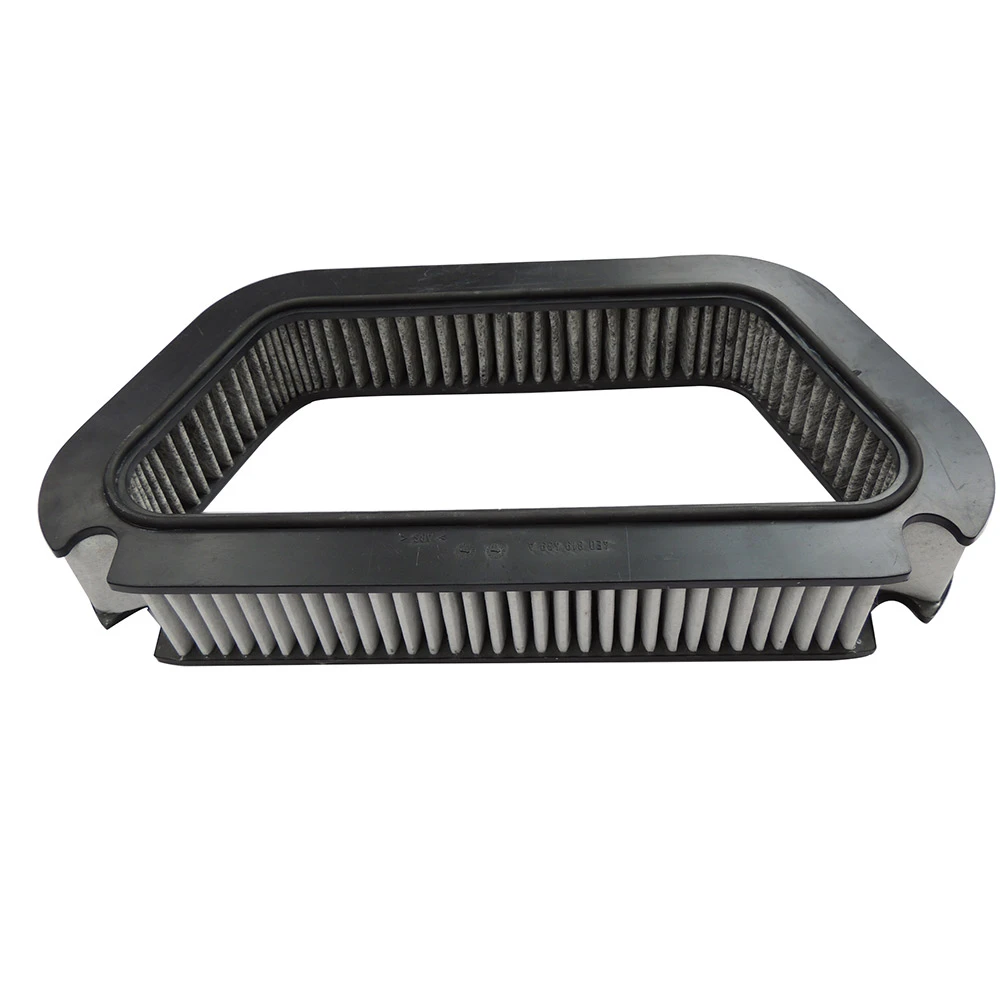
Simply put, it refers to the recommended frequency at which you should remove your car’s cabin air filter and replace it with a new one—usually measured in miles or time. This filter acts like your car’s lungs, trapping dust, pollen, spores, and tiny pollutants before they enter your vehicle’s interior air.
Failing to replace it adequately compromises the filter’s performance and can lead to a host of problems: allergic reactions, reduced HVAC efficiency, and even mold growth. Today’s modern vehicles rely heavily on these filters for passenger health and comfort, making replacement schedules more of a necessity than an option.
Mini takeaway:
- Cabin air filter replacement is a key driver health and vehicle performance factor.
- Global air quality trends make this simple task vital for millions.
- Understanding the “when” and “why” empowers safer, cleaner rides.
Core Factors Influencing How Often to Replace Your Cabin Air Filter
1. Driving Environment and Air Quality
If you live in a city with heavy traffic, industrial pollution, or frequent dust storms, your filter’s lifespan shrinks dramatically. Engineers often note that filters in rural or less-polluted areas need replacement roughly every 15,000 miles, whereas urban drivers might find 7,500 miles more accurate.
2. Vehicle Usage Patterns
Someone commuting daily through stop-and-go traffic subjects their filter to more particulate matter than an occasional weekend driver. Similarly, driving with windows open in dusty environments pulls in contaminants bypassing the filter altogether.
3. Filter Material and Quality
More advanced cabin air filters use multi-layer designs incorporating activated carbon or HEPA materials to trap finer particles and even odors. These premium filters often last longer and perform better but come with higher upfront costs.
4. Climate and Seasonal Factors
Pollens in spring, increased dust in dry summers, or salty sea air near coastal zones can deteriorate filters faster. Auto maintenance guides frequently recommend checks during these peak pollution seasons.
5. Manufacturer Recommendations
It’s always wise to refer to your specific car manufacturer’s maintenance schedule. They factor in model-specific airflow dynamics and filter compatibility.
| Specification | Details |
|---|---|
| Filter Type | HEPA + Activated Carbon Layer |
| Lifespan | 12,000 miles or 12 months |
| Particle Filtration Efficiency | Up to 99.97% of particles ≥0.3 microns |
| Compatibility | Compatible with Honda Civic 2012-2020 |
| Warranty | 2 years |
Where Around the World Are Cabin Air Filter Replacements Most Critical?
Looking globally, regions plagued by urban smog and desert dust storms see the most urgent need to stay on schedule. For example:
- Asia: Cities like Beijing frequently experience hazardous air pollution levels, pushing local authorities to recommend more frequent cabin filter upkeep.
- Middle East: Dust storms increase particulate infiltration, and fleets in countries like Saudi Arabia report filters clogging well before 10,000 miles.
- North America & Europe: Suburban and city drivers dislike stale air odors and allergens, which drive demand for premium filters with carbon to capture fumes.
In sectors like disaster relief, where emergency vehicles operate in dusty post-disaster environments, filter maintenance can be a literal lifesaver. Similarly, in industrial zones with airborne chemical pollutants, fleet managers prioritize replacement to protect drivers' health.
Mini takeaway:
- Replacement cycles strongly depend on geography and environment.
- Heavy pollution and dust lead to faster filter clogging.
- Organizations in sensitive sectors often have stricter protocols.
The Advantages of Staying On Top of Your Cabin Air Filter
So, what’s the real upside? Aside from fresher air and comfort...
- Health: Reduces exposure to allergens, dust, and harmful exhaust gases.
- Cost Savings: Prevents overworking your HVAC system, extending its life and saving fuel.
- Safety: Clear windshield demisting and defogging thanks to proper airflow.
- Environmental Impact: Proper filter disposal and upgrade to greener materials make a small but positive impact.
Frankly, the idea of breathing cleaner air while driving, especially in cities, should resonate on a human level. Plus, trust me — once your car smells clean and natural without that weird stale cabin scent, it’s like a small, daily comfort boost.
Future Trends in Cabin Air Filter Replacement
Looking forward, digital innovation meets sustainability head-on. We’re seeing:
- Smart Filters: Sensors to monitor filter health and alert drivers, removing guesswork from replacement timing.
- Eco-Friendly Materials: More biodegradable fibers and recycling programs to cut down waste.
- Automation: Vehicles with integrated diagnostics can recommend exact replacement cycles specific to air quality and driving habits.
- Better Standardization: Global collaboration on filter performance standards (thanks, ISO!) to remove confusion for consumers.
Digital dashboards will soon remind us exactly when our cabin air filter is overdue — kind of like an oil change notification but more critical for health. It all feels like a natural step toward smarter, cleaner transport.
Challenges and How to Overcome Them
Despite these advances, awareness remains a big hurdle. Many drivers don’t even know their car has a cabin air filter, let alone how to check or replace it. Others struggle with inconsistent replacement mileage recommendations, either from varied driving conditions or manufacturer differences.
To combat this, some auto shops now offer filter checks during basic services, and online platforms selling car parts include video tutorials to empower DIY replacements. Manufacturers, on their part, need to push clearer, more universal guidelines — ideally in driver manuals and infotainment warnings.
FAQ: Your Top Questions about Cabin Air Filter Replacement
- Q: How do I know when it’s time to replace my cabin air filter?
- A: Common signs include reduced airflow from vents, unpleasant odors, increased dust inside the car, or a noticeable decrease in HVAC performance. Checking visually for dirt and discoloration is also helpful.
- Q: Can I replace the cabin air filter myself?
- A: Absolutely! Most filters are accessible behind the glove box or under the dashboard. Your vehicle’s user manual normally shows the procedure, and many brands release helpful videos.
- Q: Is frequency affected by allergies?
- A: Yes, allergy sufferers benefit from more frequent replacements or using HEPA-style filters to trap finer allergens better.
- Q: What happens if I delay replacing my cabin air filter?
- A: Over time, clogged filters can lead to HVAC strain, reduced air quality, and mildew smells. Worse, harmful particles might bypass the filter entirely.
Conclusion: Breathe Easy With the Right Replacement Routine
In the grand scheme of vehicle maintenance, replacing your cabin air filter on time may feel small, but its impacts are surprisingly big — on health, comfort, and even your car’s wear and tear. As cities get busier and air quality worsens, staying attentive to how often to replace car cabin air filter isn’t just smart; it’s essential.
So next time you’re doing an oil change or tire rotation, don’t forget your little air guardian. Curious what filter suits your make and model? Visit us at https://www.jyfilter.com for expert advice and quality products.
| Feature | Brand A | Brand B | Brand C |
|---|---|---|---|
| Filter Type | Activated Carbon | HEPA | Standard Paper |
| Particle Filtration (%) | ~95% | 99.97% | ~85% |
| Lifespan (miles) | 12,000 | 15,000 | 10,000 |
| Price Range | $20-$25 | $30-$40 | $10-$15 |
| Warranty | 2 years | 3 years | 1 year |
References:
-
Guide on how often do you need to replace engine air filterNewsApr.16,2026
-
Learn how often do you replace air filter in car for engine healthNewsApr.09,2026
-
How Often Do You Replace Car Air Filter For Optimal Engine PerformanceNewsApr.07,2026
-
How Often Do You Replace Engine Air Filter For Optimal Vehicle PerformanceNewsApr.04,2026
-
Understanding How Often Does Engine Air Filter Need to Be Replaced for Optimal PerformanceNewsMar.31,2026
-
How Often Engine Air Filter Change Impacts Performance and LongevityNewsMar.28,2026
-
Understanding How Often to Replace Your Car Air Filter for Optimal PerformanceNewsMar.26,2026
Related Products