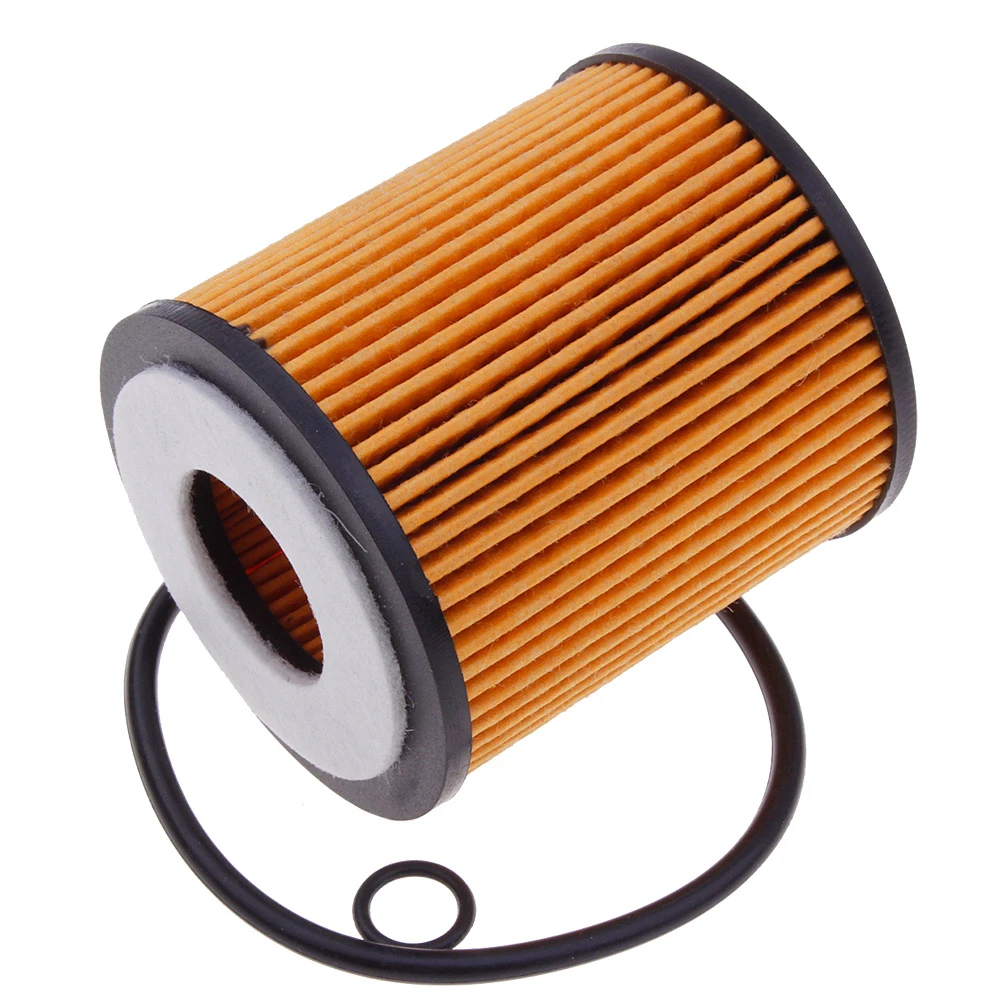
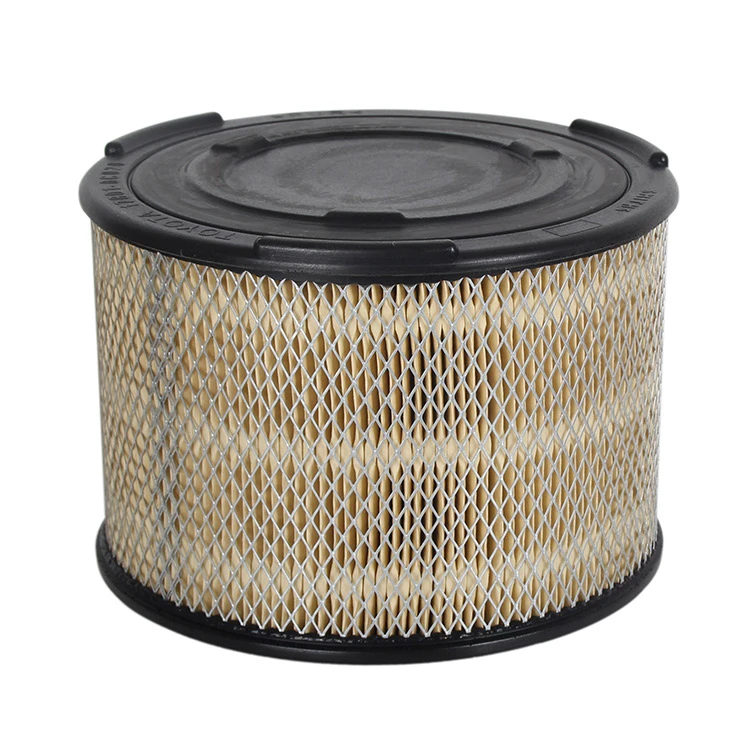
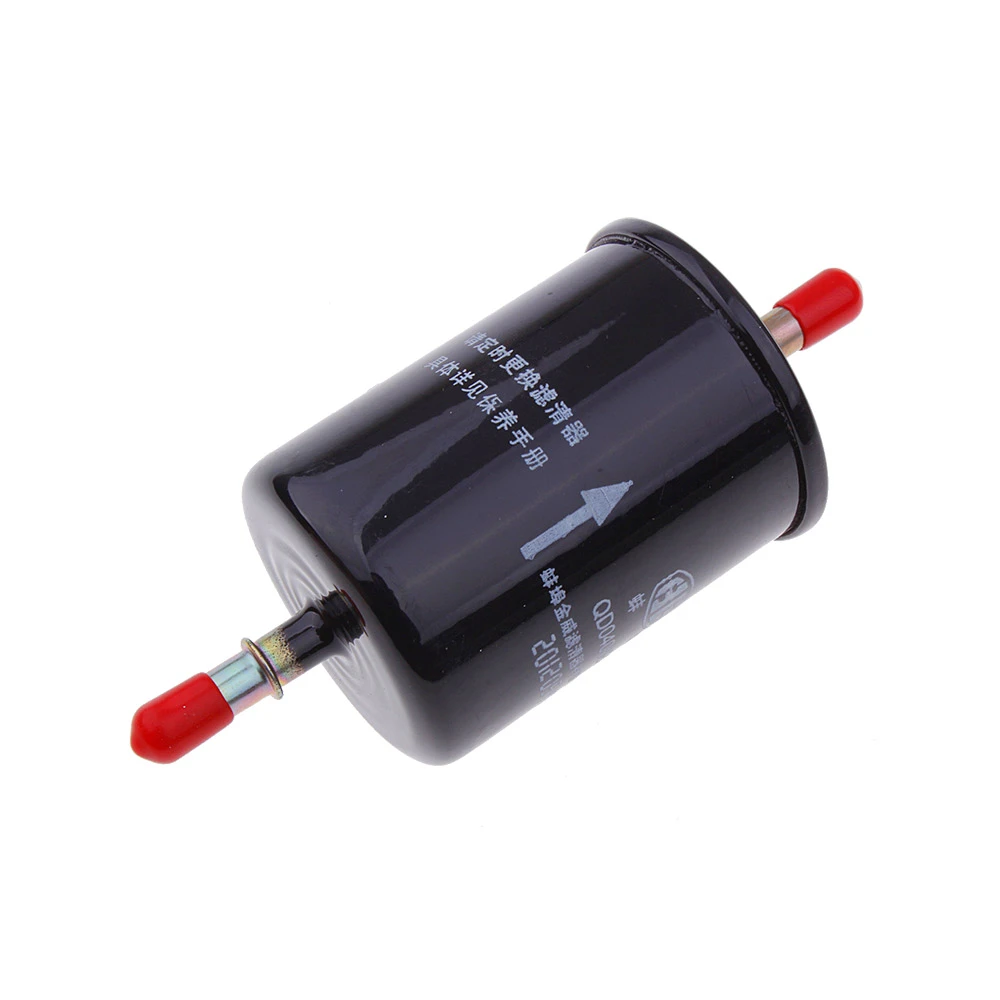
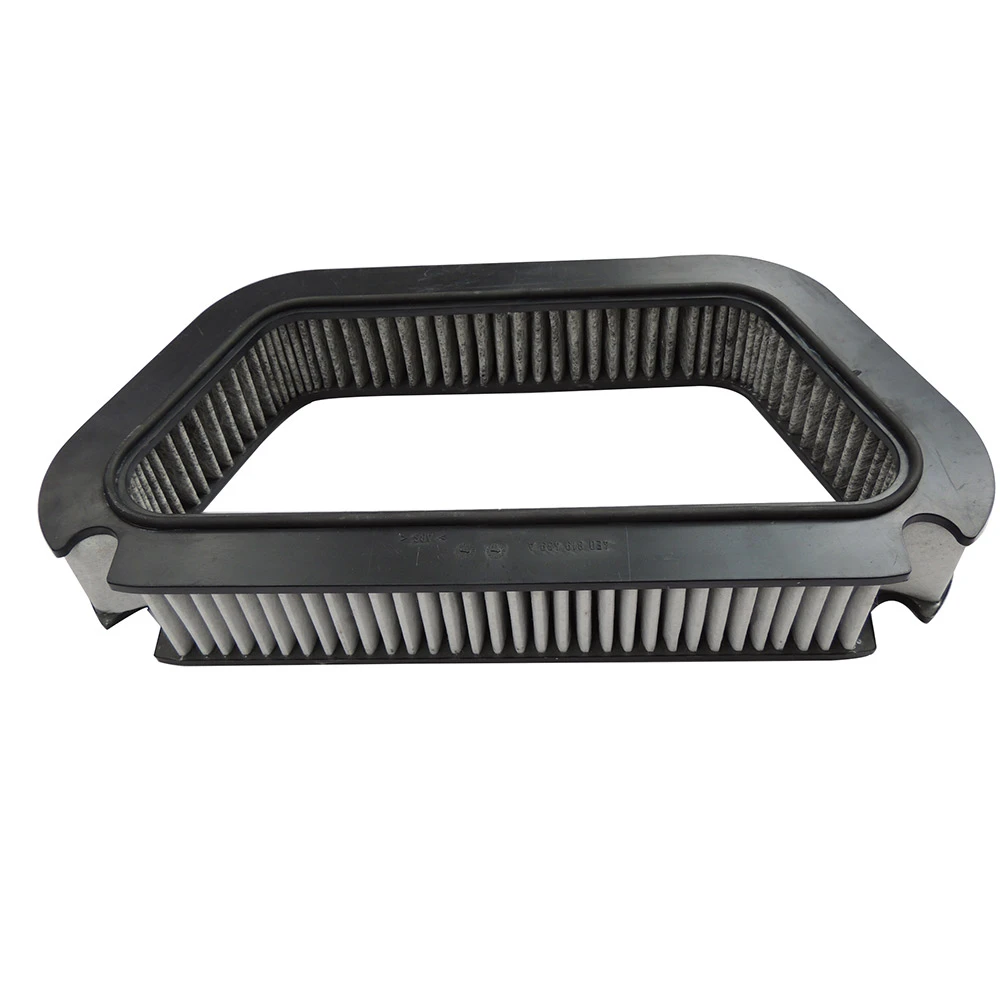
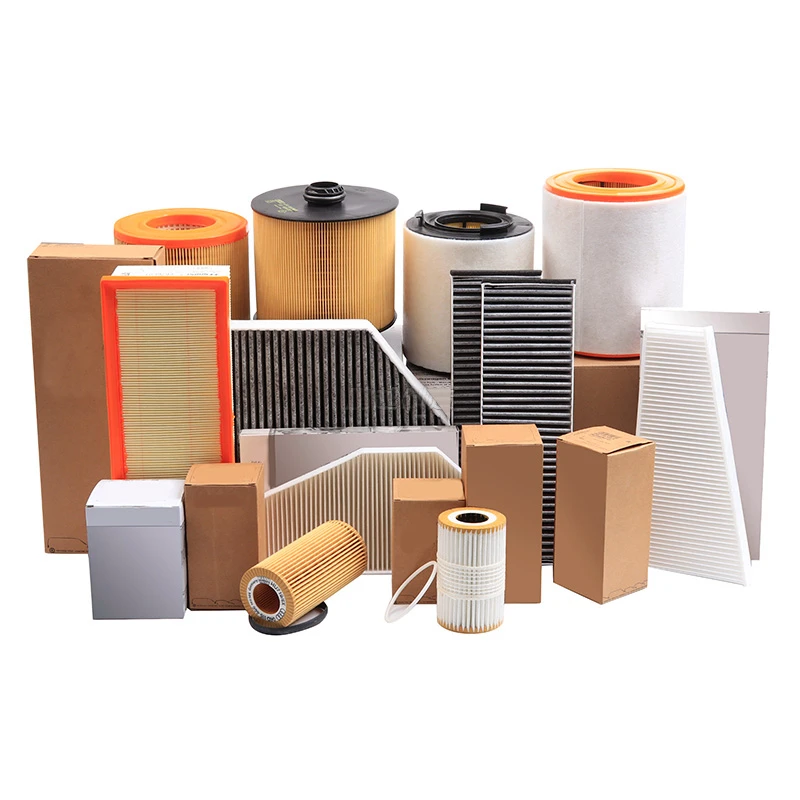
Why Knowing How Often to Replace Cabin Filter in Car Really Matters
If you've ever wondered, “how often to replace cabin filter in car,” you're not alone. This simple question is surprisingly important not only for the comfort and health inside our vehicles but also for the broader impact on air quality and sustainability worldwide. Cabin filters, sometimes overlooked, act as the first line of defense against dust, pollen, pollutants, and even odors. They make a huge difference in air quality inside your car—a small space where we often spend hours daily.
With millions of vehicles on the road globally, understanding when and why to replace these filters isn’t just a matter of routine maintenance, but a growing environmental concern. Clean cabin air means less exposure to harmful airborne particles—a silent health shield, really—especially relevant in cities with high pollution or in areas prone to wildfire smoke and allergens.
Context: The Global Importance of Cabin Filter Replacement
Globally, the vehicle fleet exceeds 1.4 billion and continues to grow, especially in emerging markets (World Bank, 2023). These cars pump out emissions, but they also bring airborne pollutants into their own cabins if their filters aren’t changed regularly. According to ISO air quality standards, proper vehicle filter maintenance can reduce contaminant exposure by up to 80%. Yet many drivers unknowingly let filters clog for years because “out of sight, out of mind” feels easy.
In real terms, failing to replace a cabin filter leads not only to poor air quality but also to worse HVAC system performance and increased fuel consumption, compounding the environmental burden. It’s a chain reaction that hardly seems obvious when you glance at your dashboard but affects global emissions targets quietly. Not to mention, breathing in a dusty, stale car cabin can trigger allergies or respiratory issues.
What Does “How Often to Replace Cabin Filter in Car” Really Mean?
At its core, the question of how often to replace your car’s cabin filter boils down to timing and conditions. It’s the maintenance cycle—usually measured in miles driven or months passed—after which the cabin air filter should be swapped out. This is not just some arbitrary interval. It’s a balance between filter lifespan, environmental exposure, and driving habits.
Cabin filters are designed to trap particulate matter, from road dust to pollen. Over time, they clog and lose efficiency. Think of it like a reusable coffee filter getting saturated with grounds — eventually, the flow slows. Replacing the filter ensures the ventilation system works optimally, the air inside stays fresh, and the cabin environment supports occupant health.
Key Factors Influencing Cabin Filter Replacement
1. Driving Environment
Urban drivers face high pollution, smog, and dust, which means their cabin filters get dirty much faster than someone primarily driving on highways or rural roads. Off-road enthusiasts, or those living near construction sites, might need replacements more often due to fine particulate matter.
2. Filter Material and Design
Not all cabin filters are created equal. Some come with activated carbon layers that trap odors and harmful gases, extending their usefulness. Others are basic particle filters. Durability and efficiency differ based on materials and manufacturer quality.
3. Mileage and Time
Most carmakers recommend replacing a cabin filter every 12,000 to 15,000 miles or once a year. But if you drive in dusty or polluted areas, the interval might shorten. It's a delicate balance between mileage and elapsed time.
4. Symptoms and Vehicle Indicators
Sometimes, your vehicle will hint it's time: reduced HVAC airflow, unpleasant smells, or fogging windows. Modern cars might offer dashboard reminders. Ignoring these signals isn't a great idea.
Mini Takeaway:
Choosing when to replace a cabin filter depends largely on your driving habits, environment, and filter type — but typically, expect a change yearly or every 12,000 miles to keep the air fresh and systems efficient.
Real-World Applications of Timely Cabin Filter Replacement
From bustling megacities in Asia to rural outposts in Australia, regular cabin filter changes impact countless drivers every day. Ride-share drivers in New York or London report fewer allergic reactions after switching filters regularly, improving their work comfort. In wildfire-prone California, changing filters promptly can drastically reduce smoke inhalation on long trips.
Even humanitarian organizations recognize the importance of clean cabin air when deploying vehicles in dusty, disaster-affected regions. Ambulances with fresh filters ensure patients and staff breathe easier, enhancing health outcomes. Similarly, logistics companies operating in industrial zones reduce vehicle wear-and-tear by maintaining clean filtered air systems.
Advantages & Lasting Benefits of Replacing Cabin Filters on Time
- Health & Comfort: Cleaner air reduces allergens and irritants, making every car trip more pleasant and safer.
- HVAC Efficiency: Fresh filters keep ventilation systems running smoothly, saving energy and avoiding costly repairs.
- Fuel Efficiency: When airflow is unimpeded, your engine doesn't have to work as hard to cool or heat, improving fuel economy slightly but noticeably over time.
- Environmental Impact: Maintaining clean filters generates less waste and pollution when vehicles operate at peak efficiency.
Beyond numbers, it's the peace of mind—knowing the air you and your loved ones breathe inside the car is as clean as possible. Oddly enough, sometimes these little maintenance acts build trust in your vehicle's longevity in ways you don’t immediately realize.
| Specification | Value / Range | Notes |
|---|---|---|
| Filter Type | Particulate, Activated Carbon | Activated carbon traps odors & gases |
| Average Lifespan | 12,000 - 15,000 miles / 12 months | Depends on environment |
| Material | Non-woven synthetic fiber | High filtration efficiency |
| Micron Rating | 5 - 10 microns | Particle sizes filtered |
| Replacement Indicators | Visual inspection / vehicle signals | Some vehicles have sensors |
Future Trends in Cabin Filter Technology and Replacement
The future’s pretty exciting for cabin air filtration. Materials science is pushing towards more sustainable, biodegradable filters that don't sacrifice performance. Nanofiber membranes and electrostatically charged media promise better pollutant capture, especially for ultrafine particles. Imagine filters that adapt their porosity based on outdoor air quality sensors — sort of “smart filter” technology.
Governments worldwide (like the EU and Japan) are introducing stricter regulations on in-car air quality as part of broader urban health initiatives. Automation too will help remind drivers exactly when it’s time to replace the filter — no more guessing. Some manufacturers are even exploring self-cleaning filters using UV light or coatings that break down trapped organic matter.
Challenges and How to Overcome Them
Not everyone changes cabin filters on time — often because it’s forgotten or deemed unimportant. Filters also differ across car models, and not knowing the right replacement can lead to ineffective filtration or worse, damage. Plus, climate extremes can shorten filter lifespans unpredictably.
The solution isn’t complicated: better driver education, clearer guidelines in vehicle manuals, and adopting reminder technologies. Aftermarket vendors should also highlight compatibility and quality, so drivers aren’t confused by cheap knockoffs that underperform.
Vendor Comparison: Popular Cabin Filter Brands
| Brand | Filter Type | Price Range (USD) | Lifespan | Notable Features |
|---|---|---|---|---|
| Brand A | Particulate + Activated Carbon | $15 - $25 | 12k-15k miles | Odor reduction, high dust capture |
| Brand B | Basic Particulate | $10 - $18 | 10k-12k miles | Budget-friendly, ease of installation |
| Brand C | Nano-Fiber + Carbon Blend | $30 - $40 | 15k-18k miles | Enhanced ultrafine particle capture |
Frequently Asked Questions About How Often to Replace Cabin Filter in Car
Q1: How can I tell if my cabin filter needs replacing?
Common signs include noticeably reduced airflow from your air vents, strange odors inside the car, increased dust inside the cabin, or even windshield fogging. Some modern vehicles alert you via dashboard notifications. If in doubt, checking the filter itself (usually behind the glove box) for dirt and debris can help.
Q2: Does replacing the cabin filter improve fuel efficiency?
While the effect is subtle, a clean cabin filter helps the HVAC system operate efficiently, enabling your engine to use energy wisely, especially for air conditioning. Over time, this can slightly improve fuel economy—and definitely prevents system strain.
Q3: Can I replace the cabin filter myself?
Yes, many cabin filters are easy to access and replace with basic tools or even by hand. Your vehicle’s manual usually includes instructions. If you’re unsure, professional servicing is always a safe bet to avoid damaging other HVAC components.
Q4: Are cheaper cabin filters worth it?
Cheaper filters can work okay short-term but may lag behind premium filters in filtering efficiency and lifespan. Over time, investing in a better filter saves money by protecting HVAC systems and ensuring cleaner air, which is especially important if you have allergies.
Wrapping Up: Why Timely Cabin Filter Changes Are Worth It
Taking a moment every year or so to replace your car’s cabin filter can save you stress, money, and maybe even a cough or two. It’s a small fix with outsized benefits — cleaner air, more efficient systems, and a nudge toward sustainability wherever you drive. If you’ve been putting off this simple maintenance, consider this your friendly reminder. After all, you breathe it in.
Ready to make the switch? Visit https://www.jyfilter.com for reliable, quality cabin filters and expert tips on maintenance schedules.
References
-
Guide on how often do you need to replace engine air filterNewsApr.16,2026
-
Learn how often do you replace air filter in car for engine healthNewsApr.09,2026
-
How Often Do You Replace Car Air Filter For Optimal Engine PerformanceNewsApr.07,2026
-
How Often Do You Replace Engine Air Filter For Optimal Vehicle PerformanceNewsApr.04,2026
-
Understanding How Often Does Engine Air Filter Need to Be Replaced for Optimal PerformanceNewsMar.31,2026
-
How Often Engine Air Filter Change Impacts Performance and LongevityNewsMar.28,2026
-
Understanding How Often to Replace Your Car Air Filter for Optimal PerformanceNewsMar.26,2026
Related Products