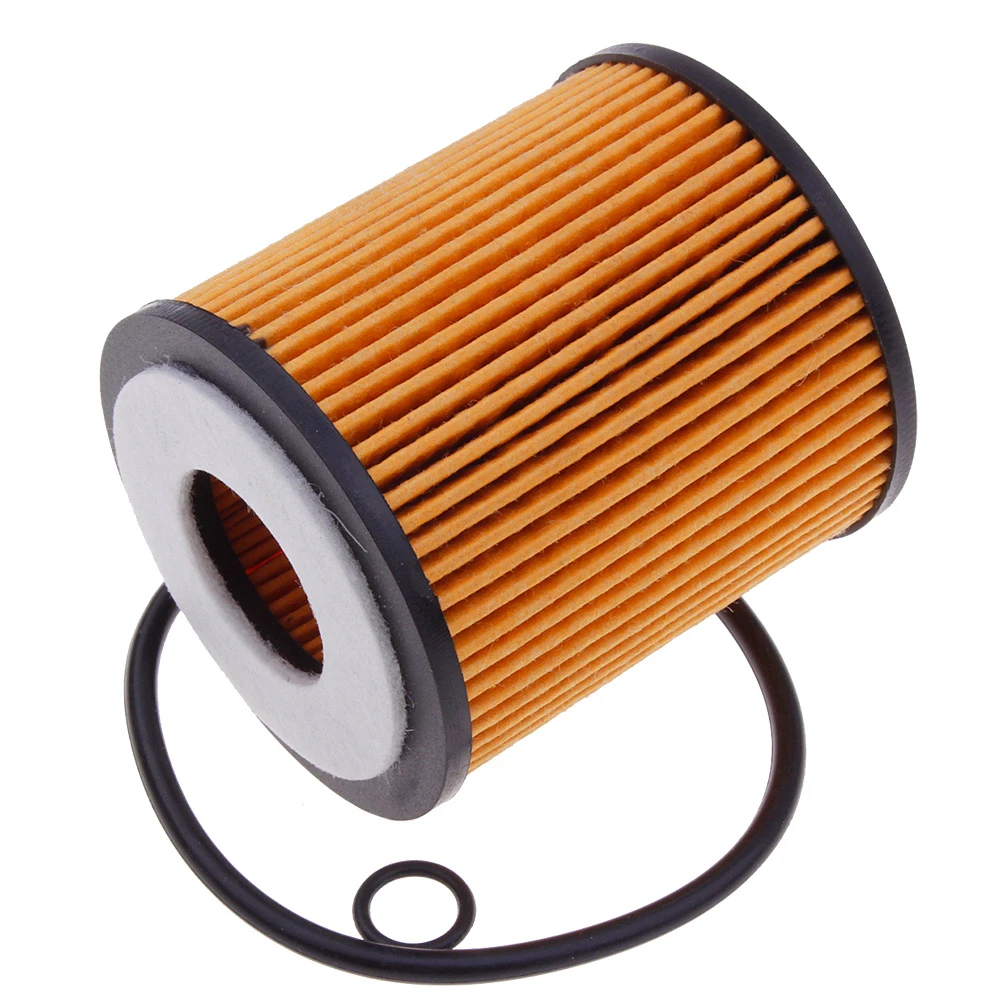
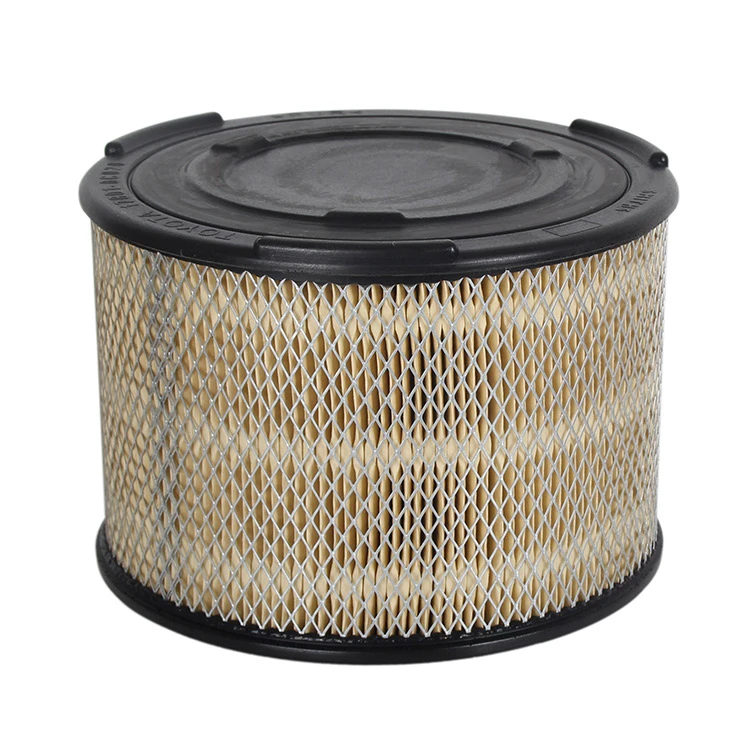
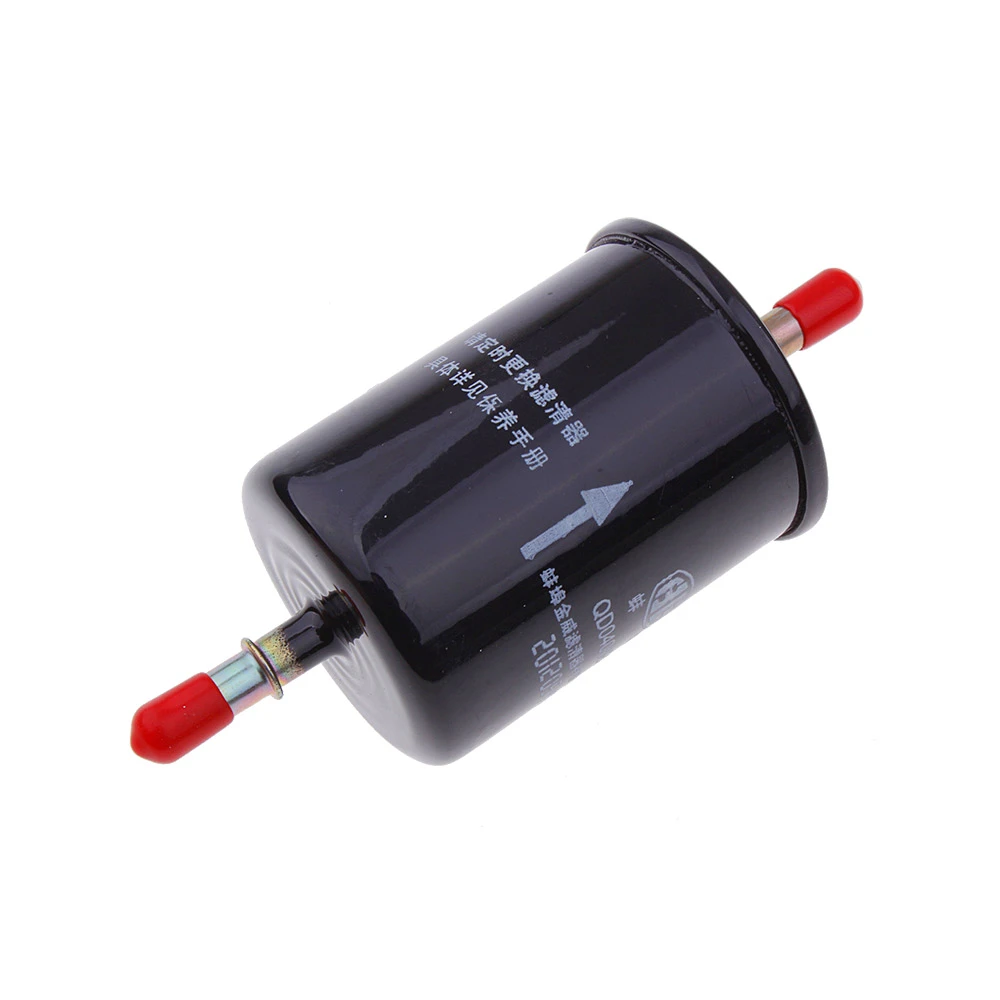
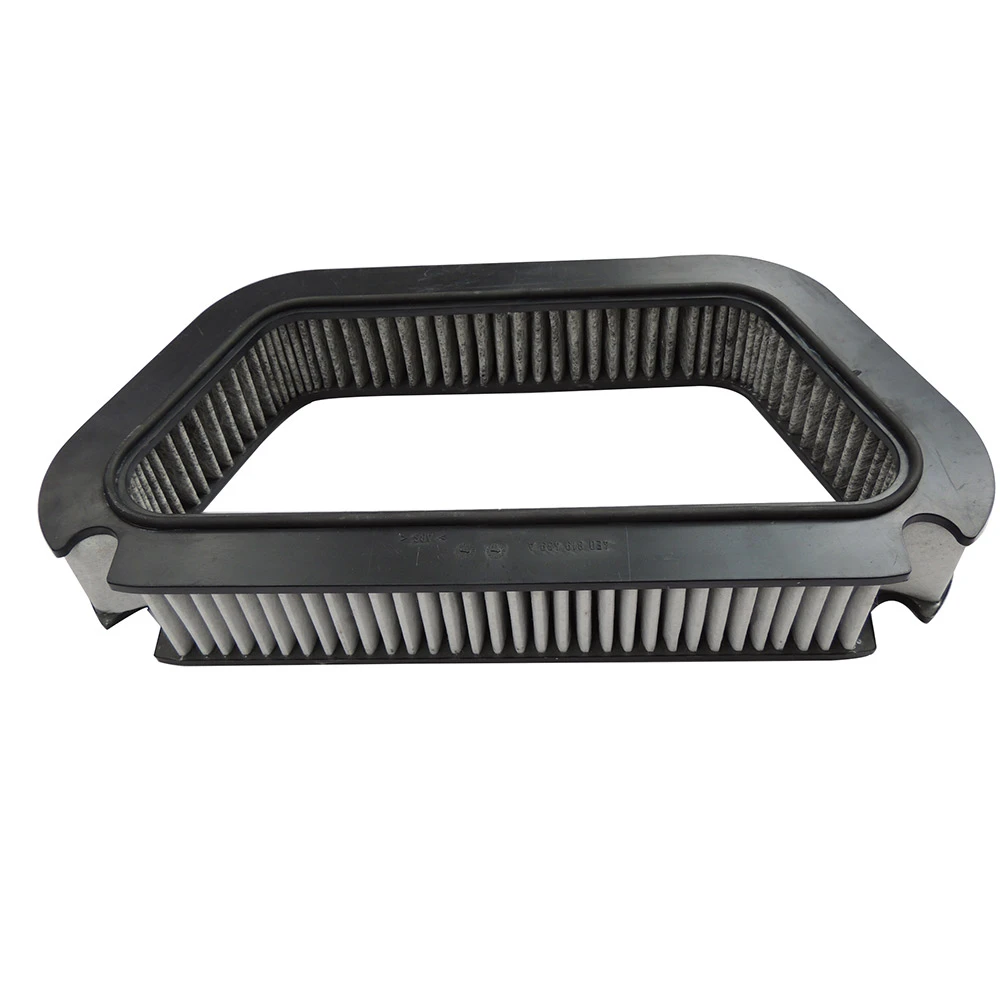
Understanding How Often to Replace Cabin Air Filter in Car: Why it Matters Worldwide
If you’ve ever wondered about how often to replace cabin air filter in car, you’re not alone. It’s a surprisingly global concern—especially as urban air pollution creeps up and more vehicles fill the streets. Cabin air filters, which trap dust, pollen, and even exhaust fumes before they reach our noses, are doing a silent but essential job. Knowing when to swap them out doesn’t just protect your car’s HVAC system, it’s about health, comfort, and surprisingly, even environmental impact.
Why the Frequency of Cabin Air Filter Replacement Has Global Significance
Based on data from agencies like the World Health Organization and the United Nations Environment Programme, air quality affects billions annually. Inside vehicles—where people spend nearly 50 minutes a day on average—poor cabin air quality can worsen allergies, respiratory issues, and driver alertness. Cabin air filters act as the first line of defense. But their effectiveness dwindles over time. That’s why the question how often to replace cabin air filter in car is far from trivial; it’s about safeguarding millions of daily commuters worldwide.
However, determining a fixed replacement interval isn’t straightforward, largely because conditions vary widely from one city to another, or from a desert climate to a rainforest one.
What Does “How Often to Replace Cabin Air Filter in Car” Actually Mean?
Simply put, this phrase relates to the recommended time or mileage interval after which the in-cabin air filter should be replaced. The filter's job is to trap airborne pollutants—dust, pollen, mold spores, vehicle emissions, and, importantly, microscopic particulates that contribute to "smog."
Well-maintained cabin air filters ensure clean air inside the vehicle, reduce odor, and help the HVAC system run efficiently. From a humanitarian perspective, it protects vulnerable demographics — children, elderly, or asthma sufferers — especially in densely populated or pollution-heavy areas.
Key Factors Influencing Cabin Air Filter Replacement
1. Environmental Conditions
Living in a dusty, urban environment or near construction zones means your filter’s workload is heavier, requiring more frequent swapping.
2. Vehicle Usage and Mileage
The manufacturer’s baseline usually suggests every 12,000 to 15,000 miles, but short city trips with heavy stop-and-go traffic might degrade the filter faster.
3. Filter Type and Quality
Some high-efficiency filters capture smaller particles better and last longer, while basic paper fibers clog up quickly.
4. Symptoms of a Clogged Filter
Increased dust inside the cabin, reduced airflow, or unpleasant odors hint it’s time to check or replace the filter sooner rather than later.
5. Manufacturer Recommendations vs Personal Judgment
OEM guidelines are good starting points, but real-world conditions and driver sensitivity mean tuning the interval slightly.
Mini Summary:
In essence, the question isn’t just a fixed “replace every X months,” but an interplay of environment, driving style, and material quality.
Global Applications: Who Benefits Most from Timely Cabin Air Filter Replacement?
Globally, densely populated megacities like Delhi, Beijing, and Mexico City report higher particulate levels inside vehicles even than outside—remarkably. Taxis, ride-share fleets, and public transport vehicles especially benefit from routine filter changes. Elsewhere, relief organizations working in dusty or temporary camps stress clean air to prevent respiratory illnesses.
Regions with seasonal pollen surges — think springtime in Europe or North America — also highlight the importance of fresh cabin filters to ease allergy sufferers.
Interestingly, automakers from Japan to Germany have incorporated filter status indicators in newer cars, underscoring how widespread the importance has become.
Benefits of Regular Cabin Air Filter Replacement
- Cost savings: Protects HVAC components from strain, preventing expensive repairs.
- Improved air quality: Reduces pollutants inside the car cabin, promoting health.
- Increased comfort: Prevents odors and maintains effective ventilation.
- Environmental impact: Cleaner filters enhance HVAC efficiency, reducing fuel use.
- Safety: Less driver fatigue thanks to fewer irritants and allergens.
Looking Ahead: Future Trends in Cabin Air Filter Technology
As urbanization accelerates, engineers and material scientists have shifted focus to nano-fiber filters that capture ultrafine particulates and bacteria. Some filters now feature activated carbon layers that neutralize noxious gases or odors—a real comfort when stuck in traffic jams beside diesel trucks.
Digital sensors that detect air quality and notify drivers “Hey, time for a filter change!” are becoming standard on mid-range to premium models — a promising blend of intuitive maintenance and smarter vehicle health management.
There’s also chatter about biodegradable or recyclable filters to reduce landfill waste—a necessary innovation as millions of filters retire worldwide yearly.
Common Challenges & Expert Solutions
Checking and replacing cabin air filters is often overlooked by drivers, partly due to unclear guidelines and inconsistent recommendations across brands. When filters clog, HVAC systems can overwork and even spread trapped pollutants inside cabins—a worrying irony.
Experts suggest a combination of scheduled inspections and digital monitoring for best results. Some aftermarket filters also provide anti-microbial coatings to reduce mold growth inside vents.
Cabin Air Filter Comparison: Popular Models vs Automotive Brand Standards
| Filter Model | Filter Type | Recommended Replacement Interval | Special Features | Typical Price Range |
|---|---|---|---|---|
| ACME Nano-Guard | Nano-fiber + activated carbon | 12,000 miles / 1 year | Odor and gas neutralization | $40 - $55 |
| OEM Standard | Paper fiber | 15,000 miles / 1½ years | Basic dust/pollen filtration | $15 - $25 |
| GreenAir Eco-Friendly | Recycled fiber + natural charcoal | 10,000 miles / 12 months | Biodegradable, sustainable materials | $30 - $45 |
Vendor Comparison for Cabin Air Filter Replacement Services
| Vendor | Price Range | Turnaround Time | Additional Services | Customer Rating |
|---|---|---|---|---|
| AutoClean Filters Co. | $25 - $40 | Same day | Cabin interior cleaning, scent refresh | 4.5/5 |
| EcoFilter Solutions | $30 - $50 | 1-2 days | Recycling program, green disposal | 4.3/5 |
| DriveSafe Services | $20 - $35 | Same day | Free vehicle health check with service | 4.7/5 |
FAQs About How Often to Replace Cabin Air Filter in Car
Q1: How do I know if my cabin air filter needs replacing before the recommended interval?
If you notice an unusual musty smell, reduced airflow through the vents, or increased dust inside the car, it’s a good sign the filter is clogged. Visual inspection can also help, although sometimes the dirt is microscopic.
Q2: Can I replace my cabin air filter myself, or should I visit a mechanic?
Many vehicles allow easy DIY replacement, usually with a simple panel behind the glove box or under the hood. However, if you’re unsure or want a thorough inspection, a professional check-up is worthwhile.
Q3: Are high-end filters worth the extra cost?
They often provide better filtration for finer particles and may reduce odors more effectively. However, if you’re in a low-pollution area and replace filters regularly, a standard filter is usually sufficient.
Q4: Does replacing the cabin air filter affect fuel efficiency?
Indirectly, yes. A clogged filter makes your HVAC system work harder, which can slightly increase engine load. Keeping the filter clean helps maintain system efficiency.
Q5: How does seasonal weather impact cabin air filter lifespan?
Spring allergies or autumn leaf fall may increase particles that clog filters faster. Similarly, dusty dry seasons require more frequent changes.
Wrapping Up: Why Keeping Up with Cabin Air Filter Replacement Is Smart
The bottom line is: knowing how often to replace cabin air filter in car goes beyond maintenance. It affects your health, your vehicle’s performance, and even the environment. Regular replacement is an inexpensive measure with dividends far beyond what one might expect. So next time you’re wondering if it’s time to change, consider not just the mileage, but your local environment, your comfort, and maybe give your car that little fresh breath it deserves.
For detailed recommendations and premium filter options, feel free to visit our website. Your lungs (and your car) will thank you.
References & Further Reading
-
Guide on how often do you need to replace engine air filterNewsApr.16,2026
-
Learn how often do you replace air filter in car for engine healthNewsApr.09,2026
-
How Often Do You Replace Car Air Filter For Optimal Engine PerformanceNewsApr.07,2026
-
How Often Do You Replace Engine Air Filter For Optimal Vehicle PerformanceNewsApr.04,2026
-
Understanding How Often Does Engine Air Filter Need to Be Replaced for Optimal PerformanceNewsMar.31,2026
-
How Often Engine Air Filter Change Impacts Performance and LongevityNewsMar.28,2026
-
Understanding How Often to Replace Your Car Air Filter for Optimal PerformanceNewsMar.26,2026
Related Products