Understanding How Often to Change the Air Filter in a Car: Why It Really Matters
Ever wondered how often to change the air filter in a car—and why it’s suddenly a topic buzzing in garages worldwide? It’s not just about engine health or fuel efficiency; there’s a broader story here, one that connects to environmental stewardship, global air quality concerns, and automotive industry standards. Knowing the right timing for an air filter swap might seem mundane at first glance, but it influences emissions levels, vehicle longevity, and ultimately, your wallet. In a world increasingly sensitive to sustainability and optimized performance, understanding this simple maintenance step offers both personal and planetary gains.
The Global Context: Why Car Air Filters Are a Worldwide Concern
Cars are everywhere—from bustling cities in Asia to remote towns in Europe. With over 1.41 billion motor vehicles globally, the question of how often to change the air filter in a car is far from trivial. The UN’s Sustainable Development Goals emphasize air quality and sustainable transport, which link directly to vehicle maintenance practices.
Dirty or clogged air filters reduce engine efficiency and boost harmful emissions, making cars significant contributors to urban smog and air pollution. According to the International Organization for Standardization (ISO 5011:2014), optimizing filtration in automotive air intake systems is key to controlling emissions and improving engine reliability.
So, the challenge for consumers and auto mechanics alike: how can routine maintenance minimize environmental impact while keeping vehicles running smoothly?
What Does ‘How Often to Change the Air Filter in a Car’ Actually Mean?
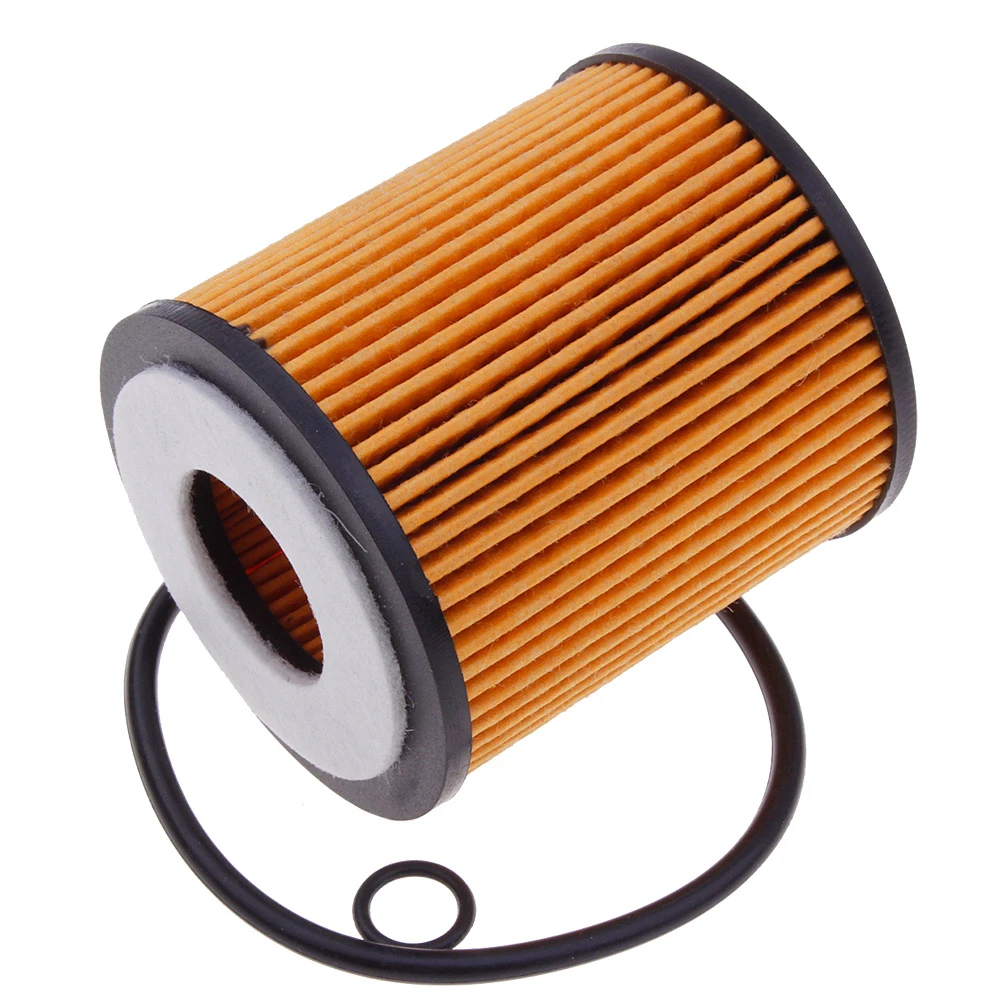
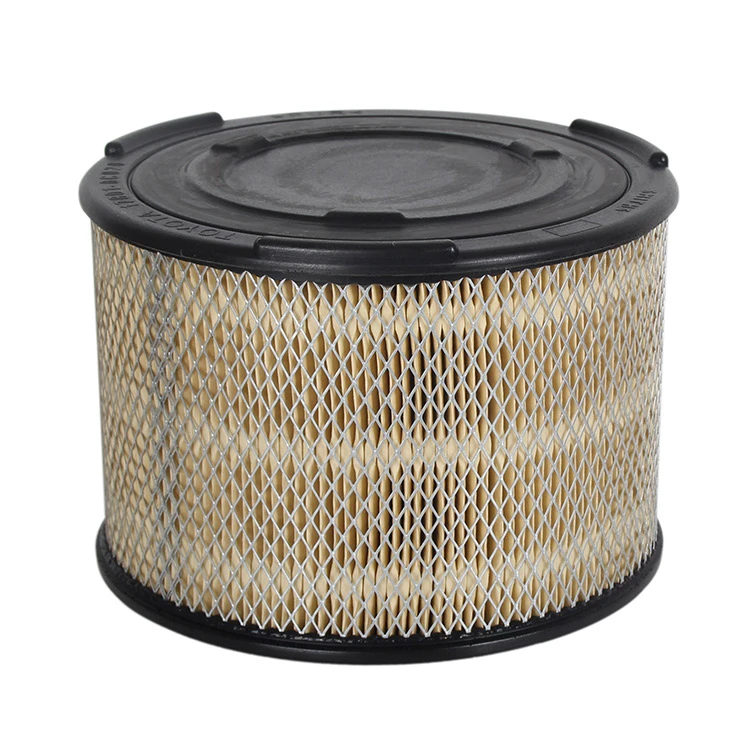
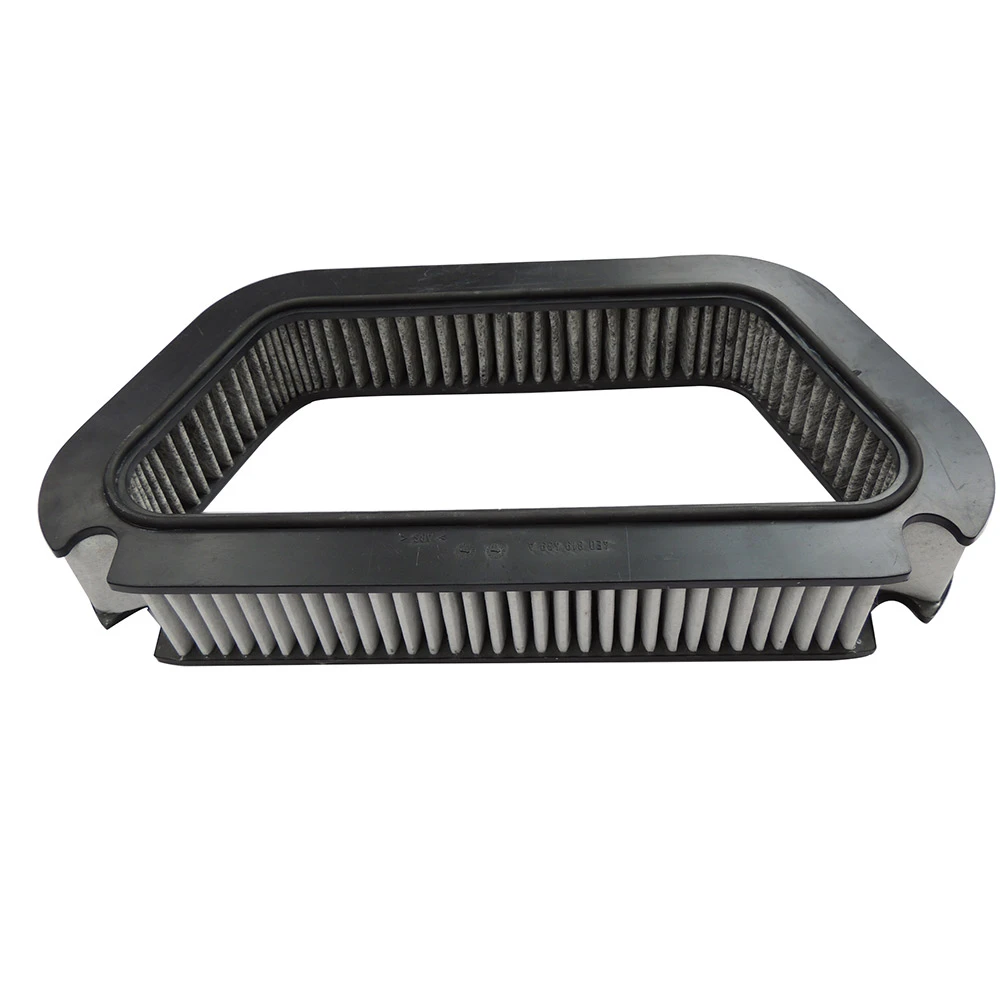
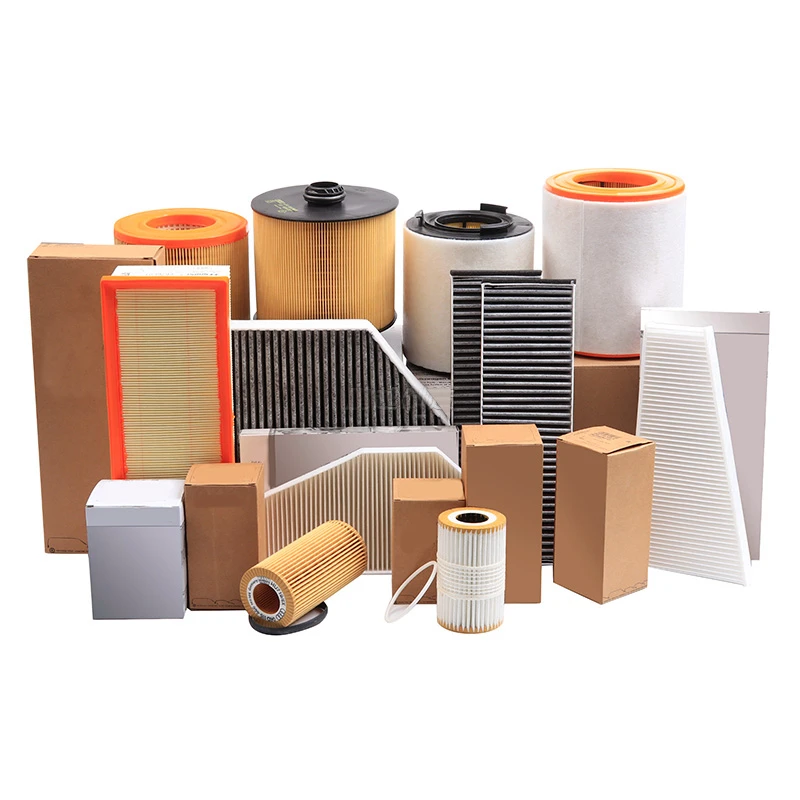
Simply put, it’s the recommended time or mileage interval after which a car’s air filter should be replaced. The air filter’s job is straightforward—trap dust, pollen, and other airborne contaminants from entering the engine’s combustion chamber. Over time, the filter clogs up, restricting airflow and forcing the engine to work harder.
This maintenance schedule often varies, typically between 12,000 to 15,000 miles according to most manufacturers, but real-world conditions like dusty roads, pollution, and driving habits can speed up the need for replacement.
In modern industry, this practice parallels the concept of preventive maintenance—helping avoid costly breakdowns and improving fuel conservation. Humanitarian logistics, for instance, stress vehicle readiness, especially in rough terrains where a clogged filter could stall crucial aid vehicles.
Key Factors Influencing How Often to Change the Air Filter in a Car
1. Driving Environment
Living in dusty, urban, or rural regions drastically affects filter wear. A driver in a desert area—say, northern Africa—may need to replace filters two or three times more frequently than someone in clean city air.
2. Vehicle Type & Engine Condition
Sports cars or older engines may demand more frequent filter replacements due to higher air intake or less efficient combustion systems.
3. Manufacturer Recommendations
Almost every car maker publishes guidelines—for example, Toyota suggests air filter checks every 15,000 miles, while Ford advises 12,000 miles for specific models.
4. Air Filter Type
Paper filters are common and affordable but clog faster. Synthetic or high-performance filters can last longer but come with a higher initial price.
5. Maintenance Practices
Regular inspections can identify early clogging, letting you swap filters before performance dips.
| Specification | Typical Range | Notes |
|---|---|---|
| Recommended Mileage Interval | 12,000 - 15,000 miles | Varies by manufacturer & usage |
| Filter Material | Paper, Synthetic, Cotton | Synthetic lasts longer but costs more |
| Replacement Cost | $15 - $50 | Price depends on filter type and brand |
| Filter Lifespan in Dusty Conditions | 6,000 - 10,000 miles | Needs more frequent changing |
Global Applications and Real-World Use Cases
In many developing regions, large fleets of aid vehicles operate in tough conditions—dust, dirt roads, sometimes extreme climates—making air filter upkeep essential. For example, NGOs running logistics in sub-Saharan Africa depend on timely filter changes to keep their trucks running reliably.
Urban centers in Europe and North America benefit when consumers follow manufacturer guidelines, helping cities meet air quality goals imposed by entities like the European Environment Agency (EEA).
Even car rental services and commercial fleets—where cars see heavy usage—have strict maintenance schedules. Many fleet managers implement digital alert systems reducing the guesswork about when exactly to change filters.
Advantages & Long-Term Value of Timely Filter Replacement
- Improved Fuel Economy: Clean air filters help the engine breathe, improving mileage by up to 10%, according to automotive tests.
- Reduced Emissions: Less clogged filters mean lower harmful exhaust gases, supporting cleaner air.
- Enhanced Engine Longevity: Prevent harmful dust and debris from damaging internal components.
- Cost Savings: Avoid costly repairs and reduce fuel bills in the long run.
- Peace of Mind: Knowing your car runs smoothly on every trip boosts driver confidence—a subtle but important psychological bonus.
Exciting Innovations & Future Trends in Automotive Air Filtration
Green energy and sustainability push innovation in filter materials like nanofiber composites that last longer and filter out ultra-fine particulates. Digital sensors are also being integrated to monitor filter conditions in real-time, sending alerts via smartphone apps to keep maintenance on track without guesswork.
Furthermore, growing interest in electric vehicles (EVs) shifts the conversation slightly—while EVs don’t rely on air intake filters the same way, the filtration market adapts for hybrids and combustion engines in transitional fleets.
Challenges in Air Filter Maintenance & Practical Solutions
One problem is inconsistent maintenance habits among everyday drivers. People often postpone or forget replacements until they notice a performance dip—by that point, some engine damage might have begun.
Access to quality filters can be limited in rural or developing areas. Some mechanics use aftermarket substitutes that might not meet OEM standards, risking reliability.
Experts recommend:
- Setting digital maintenance reminders (some vehicles have onboard systems for this).
- Purchasing filters from reputable vendors with proper certifications.
- Performing routine manual inspections, particularly in harsh environments.
| Vendor | Filter Types Offered | Warranty & Quality | Global Reach | Price Range |
|---|---|---|---|---|
| JyFilter Inc. | Paper, Synthetic, Performance | 2-year warranty, ISO certified | Worldwide | $15–$50 |
| AutoClean Filters | Synthetic, Reusable | 1-year warranty, eco-certified | North America, Europe | $25–$60 |
| FilterTech Solutions | Paper, OEM Replacements | 6 months warranty | Asia, Australia | $10–$35 |
FAQ About How Often to Change the Air Filter in a Car
Q1: How do I know if my car’s air filter needs changing sooner than usual?
A1: Look for signs like reduced acceleration, unusual engine sounds, or black smoke from the exhaust. Inspect the filter visually—a dark, clogged appearance often means it’s time. Driving in dusty conditions will obviously shorten filter life.
Q2: Can I clean and reuse my car’s air filter instead of replacing it?
A2: Some synthetic or high-performance filters are washable and reusable, but paper filters generally aren’t. Cleaning effectiveness varies, and improper cleaning can damage the filter material, so consult your manufacturer’s guidance first.
Q3: What happens if I wait too long to change the air filter?
A3: Waiting too long restricts airflow, causing the engine to use more fuel, lose power, and emit more pollutants. Over time, contaminants can damage engine components, leading to expensive repairs.
Q4: Does changing the air filter improve fuel economy significantly?
A4: It can improve fuel efficiency by up to 10%, especially if the old filter was heavily clogged. It’s a small change, but over many miles that can add up to noticeable savings.
Q5: Are expensive filters worth the cost?
A5: Higher-end filters often use better materials for longer life and finer filtration, which can justify their price. If you drive in challenging conditions or have a high-performance vehicle, investing a bit more can pay off.
In Conclusion: Keep Your Engine—and the Planet—Breathing Easy
The question of how often to change the air filter in a car might sound like a simple maintenance tip, but it ripples across economic, environmental, and practical realms worldwide. By staying informed and proactive, drivers enjoy smoother rides, fewer emissions, and ultimately contribute to broader goals of cleaner air and sustainable transport.
For those wanting to stay ahead of the curve, invest in quality filters, set timely reminders, and embrace new digital tools that take the guesswork out of this routine task. It’s small steps like these that make a big difference.
Visit our website for trusted filters and expert advice tailored to your vehicle’s needs.
References
-
Guide on how often do you need to replace engine air filterNewsApr.16,2026
-
Learn how often do you replace air filter in car for engine healthNewsApr.09,2026
-
How Often Do You Replace Car Air Filter For Optimal Engine PerformanceNewsApr.07,2026
-
How Often Do You Replace Engine Air Filter For Optimal Vehicle PerformanceNewsApr.04,2026
-
Understanding How Often Does Engine Air Filter Need to Be Replaced for Optimal PerformanceNewsMar.31,2026
-
How Often Engine Air Filter Change Impacts Performance and LongevityNewsMar.28,2026
-
Understanding How Often to Replace Your Car Air Filter for Optimal PerformanceNewsMar.26,2026
Related Products