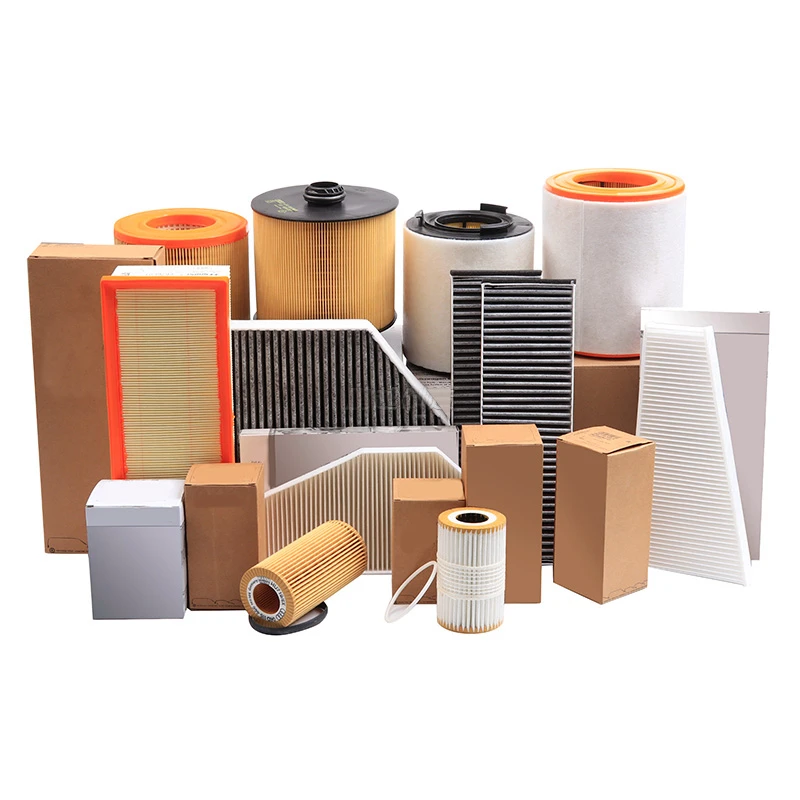
Getting to Know How Often to Change Filter in Car—and Why It Truly Matters
There’s something oddly underappreciated about a car’s filters. Those humble parts—air, oil, fuel filters—are often overlooked by many drivers until their car starts coughing and spluttering. Yet, understanding how often to change filter in car is pivotal, not just for your vehicle’s life but for global sustainability and environmental impact. Think of it: worldwide, millions of vehicles churn out emissions partly because their filters aren’t keeping things clean and efficient. Knowing when and why to replace them can slash pollution, improve fuel economy, and save wallets from hefty repairs down the road.
Plus, in an age increasingly focused on sustainability standards (ISO 14001 anyone?), simple routines like scheduled filter changes can become small but powerful acts of responsible car ownership. It’s not just about your car—it’s about cleaner air, better fuel efficiency, and a smoother ride for everyone sharing the road.
Why Does Changing Your Car’s Filters Matter on a Global Scale?
Globally, the automobile industry accounts for a significant chunk of air pollution and fuel consumption. According to the International Organization for Standardization (ISO), vehicle maintenance plays a direct role in meeting emission standards worldwide. In regions like Europe and North America, tighter regulations mean drivers and mechanics alike face growing pressure to monitor every element of vehicle health.
However, in rapidly motorizing countries such as India and Brazil, outdated maintenance practices—particularly ignoring filter replacement intervals—are contributing to excess pollution. The challenge? Many drivers are unsure exactly how often to change filter in car, confusing filter types and mileage guidelines. Filters clogged with dirt or oil residue compromise engine performance, increasing harmful emissions and fuel wastage—something no one wants.
And of course, healthier vehicles mean fewer breakdowns, less waste, and in the context of humanitarian contexts—like emergency vehicle fleets or NGO logistical convoys—greater reliability on roads often far from repair shops.
Mini takeaway:
Regular filter changes are not just routine maintenance—they’re vital global players in reducing pollution, improving fuel efficiency, and enhancing vehicle longevity.
Simply Put: What Does 'How Often to Change Filter in Car' Really Mean?
“How often to change filter in car” refers to the recommended time or mileage interval at which a vehicle’s filters—such as air, oil, and fuel filters—should be replaced to maintain optimal engine performance. Think of filters as your car’s lungs and kidney, catching dust, dirt, and impurities before they harm the engine’s inner workings.
Manufacturers usually specify these intervals in the owner’s manual, but real-world driving conditions—dusty roads, cold climates, frequent idling—can shorten the ideal lifespan of a filter. It’s a simple idea cloaked in complex variables.
Mini takeaway:
Changing your car’s filter isn’t just about mileage; it’s about listening to your vehicle and adapting to your environment.
Key Factors Influencing Filter Replacement
1. Durability of the Filter Material
Not all filters are created equally. Some use pleated paper, others synthetic fibers, and a few incorporate activated carbon layers. Their durability affects how long they can trap contaminants before clogging.
2. Driving Conditions
Urban stop-and-go traffic, dusty rural roads, or polluted industrial areas can significantly reduce filter life, making frequent checks essential.
3. Vehicle Type and Manufacturer’s Recommendations
Sedan, SUV, diesel truck—each has different filter needs. Following manufacturer guidelines ensures you don’t replace too soon (wasting money) or too late (risking engine damage).
4. Maintenance Practices and Engine Performance
Filters are often replaced during routine service checks. Monitoring engine indicators like reduced acceleration or unusual noises can help you decide if a filter needs early swapping.
5. Cost and Environmental Impact
Frequent replacements cost more but can avoid expensive repairs and reduce emissions. There’s also a rising trend toward recyclable or biodegradable filter components—cutting future landfill waste.
Mini takeaway:
Filter lifespan isn’t fixed; it intertwines with materials, conditions, vehicle type, and even ecological concerns.
Real-World Applications: How Different Sectors and Regions Approach Filter Maintenance
In developed countries, strict emissions policies and widespread technical awareness make adherence to filter change intervals fairly common practice. Fleet operators, for example, often have a defined service schedule to replace filters to extend vehicle life and reduce downtime.
Alternatively, in developing countries or remote areas, vehicles might run for thousands of extra miles with overdue filter changes, leading to reduced fuel efficiency and higher emissions. Interestingly, some NGOs and emergency responders use portable air and oil filter testing kits to keep their vehicles in shape during disaster relief efforts.
Take the case of a remote forestry company in Canada: harsh, dusty environments force filter replacements every 10,000 miles instead of the usual 15,000 because clogged filters could mean lost hours—or worse, stalled machinery.
Mini takeaway:
Whether at a city’s daily commuter level or a rugged industrial site, filter maintenance is a universally critical practice but approached differently based on context.
Advantages: The Long Game of Timely Filter Changes
- Cost Savings: Maintaining clean filters reduces fuel consumption by up to 10% and prevents expensive engine repairs.
- Sustainability: Cleaner engines emit fewer pollutants, supporting global environmental goals (EPA stats confirm this).
- Reliability & Safety: Well-maintained engines mean fewer breakdowns—a literal lifesaver for those in remote or emergency services.
- Emotional Trust: Knowing your car “breathes” cleanly adds peace of mind on long drives or family trips.
Product Specification Table: Typical Filter Types & Replacement Guidelines
| Filter Type | Material | Recommended Replacement | Notes |
|---|---|---|---|
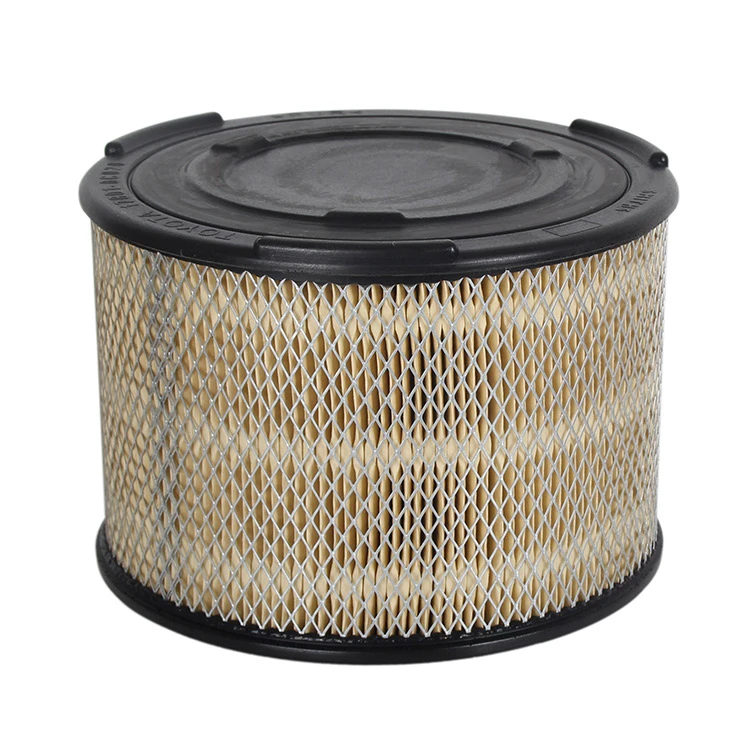
| Engine Air Filter | Pleated Paper / Synthetic | 15,000 - 30,000 miles | Shorter interval in dusty areas |
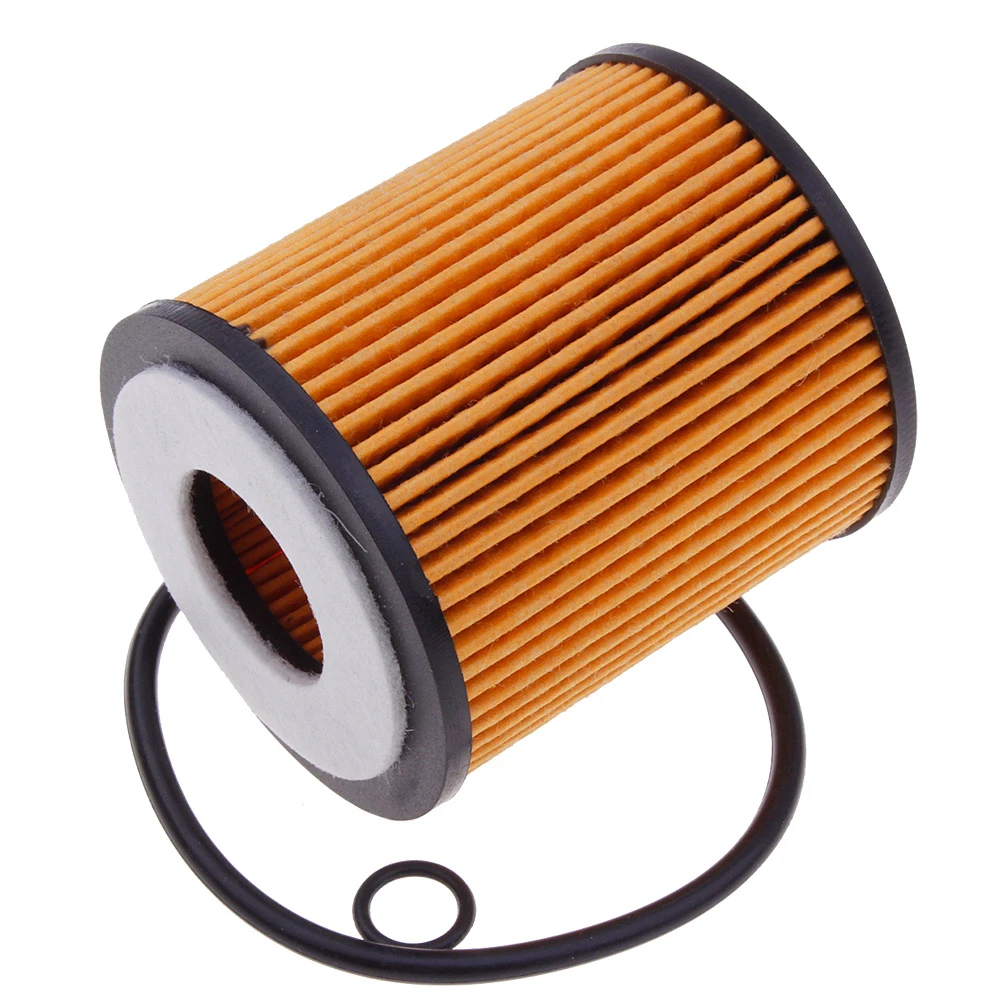
| Oil Filter | Metal Mesh / Paper | Every oil change (3,000 - 7,500 miles) | Critical for engine lubrication health |
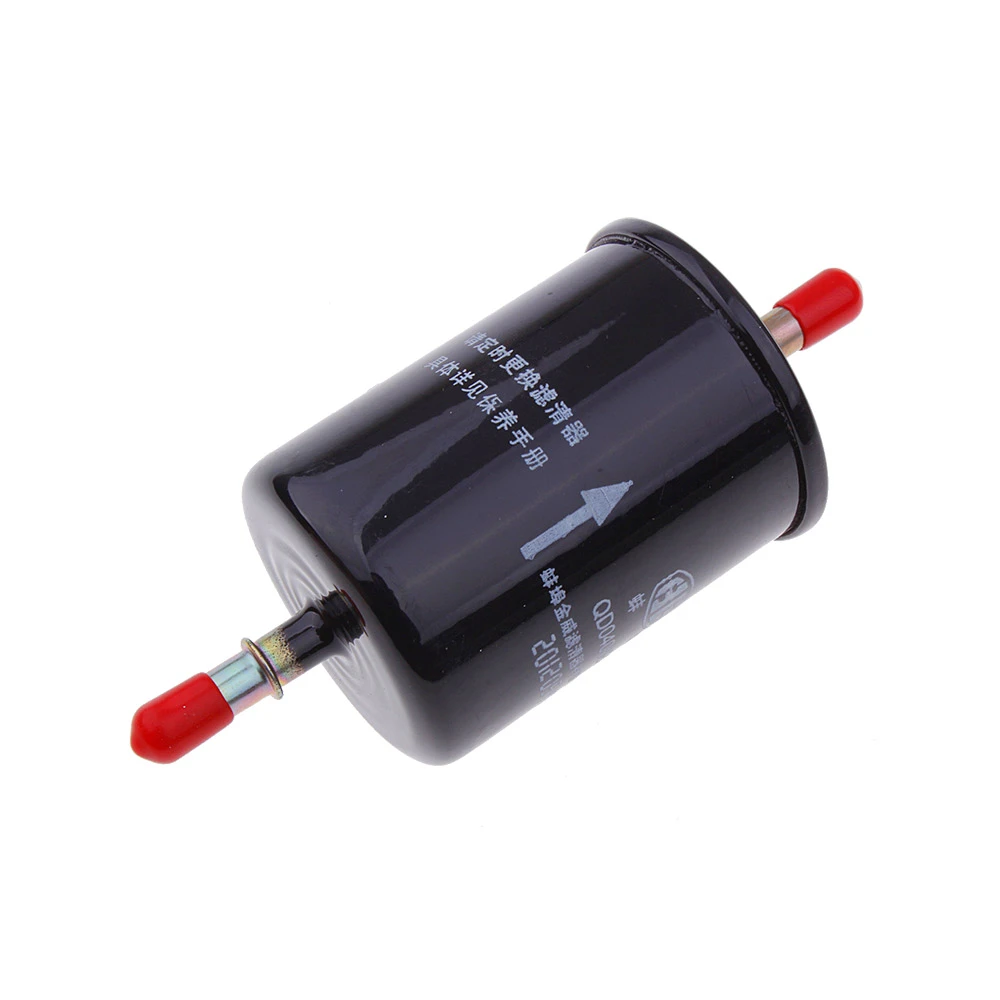
| Fuel Filter | Paper / Synthetic Cartridge | 20,000 - 40,000 miles | Can vary by fuel quality and type |
Comparing Leading Filter Brands: A Quick Look at Popular Vendors
| Vendor | Filter Range | Average Lifespan | Cost Estimate | Sustainability Features |
|---|---|---|---|---|
| Bosch | Air, Oil, Fuel Filters | 15k - 35k miles | $$ - $$$ | Recyclable materials, eco packaging |
| Mann-Filter | Extensive OEM range | 12k - 30k miles | $$ | Biodegradable filter paper |
| Fram | Wide consumer market coverage | 10k - 25k miles | $ - $$ | Standard materials, limited eco focus |
Innovation and the Road Ahead
Looking forward, the automotive world is shifting to smarter, more sustainable solutions. Imagine filters equipped with digital monitoring, sending real-time data about performance and filtering efficiency straight to your smartphone—no more guessing games. Also, emerging eco-friendly materials reduce environmental impact beyond the vehicle itself.
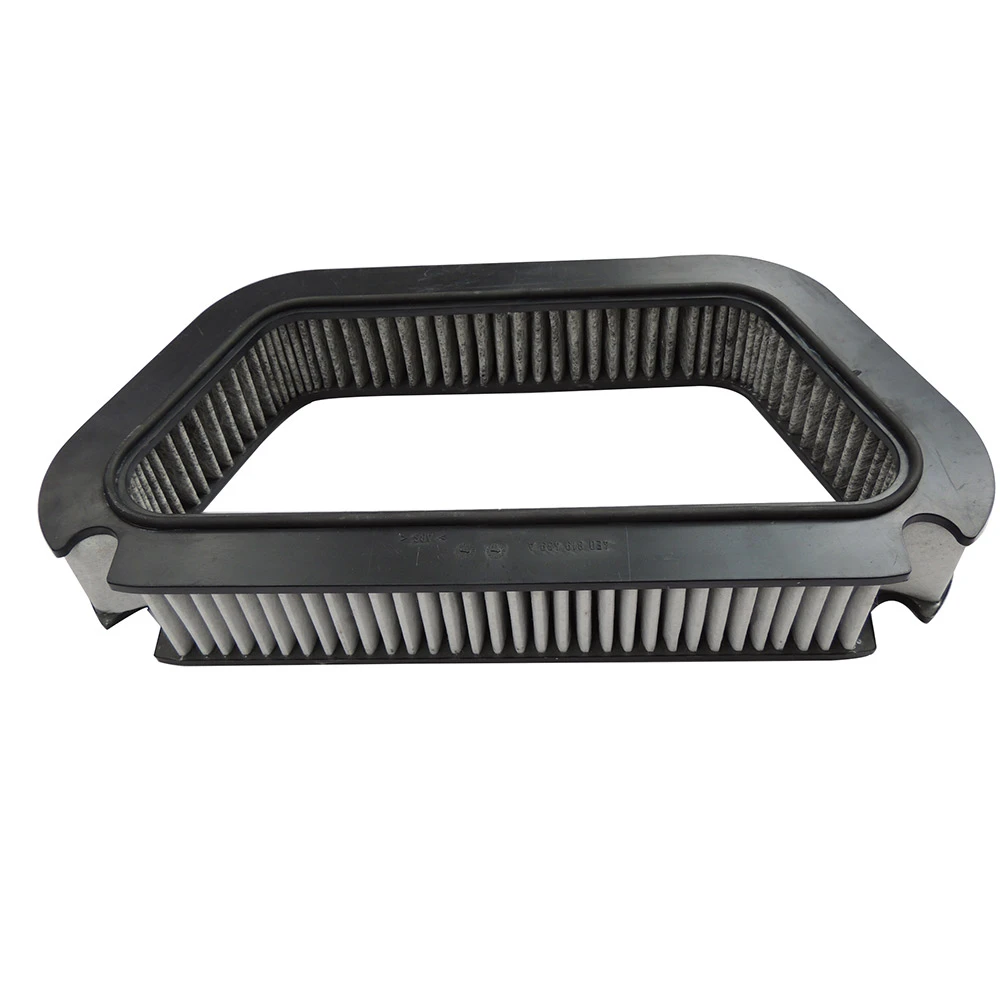
Electric vehicles (EVs), however, pose a curious twist. Though they don’t need oil filters, their cabin air filters and other life-support systems still demand attention. This hints at evolving how often to change filter in car questions as the industry transitions.
Addressing Common Challenges
One ongoing difficulty is accessibility. In many regions, drivers lack proper awareness or convenient access to quality filters. Counterfeit or subpar products muddy the waters further. The best approach involves educating consumers—mechanics, fleet operators, drivers—about authentic products and the clear benefits of timely filter changes.
Some manufacturers and service chains are tackling this by introducing subscription-based filter replacement programs. You pay a flat fee, and your filter is delivered, installed, and disposed of responsibly when due. It’s a neat way to get ahead of neglect and mechanical headaches.
FAQ: Practical Questions about How Often to Change Filter in Car
Q1: How often should I replace the engine air filter if I drive mostly in dusty areas?
A1: You should check and possibly change your air filter every 10,000 miles or even earlier in dusty or off-road conditions. Contaminants can clog the filter faster, restricting airflow and reducing engine efficiency. Always inspect during regular service visits.
Q2: Can I wait until my car shows signs of filter clogging before replacing it?
A2: It’s better not to wait. Symptoms like reduced acceleration, rough idling, or increased fuel consumption indicate clogged filters that may already be harming your engine. Preemptive replacement based on mileage guidelines helps avoid costly damage.
Q3: Are OEM filters always better than aftermarket ones?
A3: OEM filters usually match manufacturer specifications and maintain warranty compliance. However, many aftermarket filters meet or even exceed these standards at lower prices. The key is buying from reputable brands and certified dealers.
Q4: What’s the impact of not changing the oil filter regularly?
A4: Skipping oil filter changes can allow contaminants to circulate in the engine oil, leading to faster engine wear, overheating, and eventually, possible engine failure. It's best to change oil and filter simultaneously for maximum engine health.
Q5: How do I know if my vehicle needs a fuel filter replacement?
A5: Difficult starts, engine stalling, or a noticeable drop in power could signal a clogged fuel filter. Follow your vehicle’s recommended replacement intervals but consider earlier change if you suspect fuel contamination.
Wrapping it up: Why Staying on Top of Filter Changes Is Smart Driving
If there’s one take-home message here—besides the obvious “don’t ignore your car’s filters”—it’s this: maintenance with intention pays dividends in performance, costs, and environmental responsibility. It’s a small action with outsized results. Whether you’re a daily commuter, fleet manager, or an off-road adventurer, understanding how often to change filter in car means you're thinking ahead, preserving your ride, and contributing to cleaner air worldwide.
For those wanting to dive deeper or shop for quality filters, visit us at https://www.jyfilter.com — because when it comes to filter replacement, good info and good products make all the difference.
References
-
Guide on how often do you need to replace engine air filterNewsApr.16,2026
-
Learn how often do you replace air filter in car for engine healthNewsApr.09,2026
-
How Often Do You Replace Car Air Filter For Optimal Engine PerformanceNewsApr.07,2026
-
How Often Do You Replace Engine Air Filter For Optimal Vehicle PerformanceNewsApr.04,2026
-
Understanding How Often Does Engine Air Filter Need to Be Replaced for Optimal PerformanceNewsMar.31,2026
-
How Often Engine Air Filter Change Impacts Performance and LongevityNewsMar.28,2026
-
Understanding How Often to Replace Your Car Air Filter for Optimal PerformanceNewsMar.26,2026
Related Products