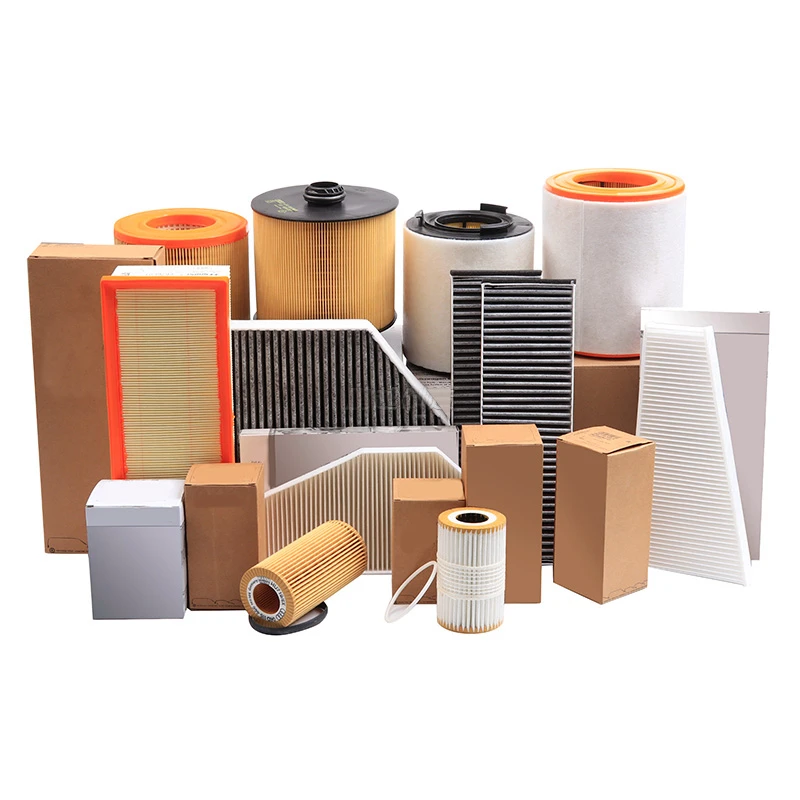
Why Knowing How Often to Change the Engine Air Filter Matters Worldwide
If you’ve ever popped the hood on your car and noticed that dusty, pleated filter, you might have asked yourself, “How often should I really change this thing?” It turns out, this isn’t just a trivial maintenance question. How often to change the engine air filter impacts fuel efficiency, engine longevity, and even global pollution levels.
Across the globe, millions of vehicles rely on engine air filters to keep their engines breathing clean air. Neglecting timely replacement can lead to clogged filters, decreased engine performance, and more emissions — issues that cascade from local vehicle owners all the way to environmental policymakers. Plus, understanding the right timing preserves not only your engine but also reduces harmful soot and particulates affecting urban and rural air quality alike.
Setting the Stage: A Global Perspective on Engine Air Filter Replacement
According to data from the International Energy Agency (IEA), the global vehicle fleet surpassed 1.4 billion units in 2023, and millions more are added annually. Engine efficiency standards, commonly regulated by ISO compliance, hinge notably on proper maintenance — including air filter replacement. Yet, studies show that up to 30% of vehicle owners worldwide ignore recommended air filter change schedules, unintentionally causing increased fuel consumption and higher carbon footprints.
In emerging economies where vehicles run longer hours with often poorer fuel quality and dusty roads, the air filter’s role is even more critical. The challenge? Establishing guidelines that balance cost with environmental and performance benefits across diverse climates and driving conditions. Not a simple task, but an essential conversation for sustainable transport.
So, What Does “How Often to Change the Engine Air Filter” Really Mean?
At its core, this phrase refers to the recommended interval — usually measured in miles or kilometers and/or time — between vehicle air filter replacements. The idea is straightforward: swap out the old, clogged filter for a fresh one before it restricts airflow and burdens your engine.
Though simple, this practice directly connects to modern industry and humanitarian needs. In logistics fleets, for example, maintaining optimal engine performance ensures timely deliveries. In humanitarian missions, reliable vehicles mean quick access to vulnerable communities during crises. You don’t want your truck stuck because of a blocked filter, right?
Breaking It Down: Key Factors That Influence Air Filter Replacement Frequency
Driving Environment
Dusty, off-road, or urban stop-and-go traffic conditions shorten the lifespan of an air filter dramatically. If you live near construction sites or unpaved roads, expect to change filters more often.
Vehicle Type and Engine Specification
Smaller engines might require filter changes more frequently, especially if they’re turbocharged or have high-performance demands. Diesel vs. petrol engines can have different sensitivities to particulate buildup, too.
Manufacturer Recommendations
Your vehicle’s owner manual often gives a mileage/time guideline, but these are best-case scenarios. Real-world conditions might require stepping up maintenance.
Maintenance Cost and Accessibility
In some regions, replacement parts are pricey or hard to source, making owners hesitate. Sometimes a “clean and reuse” approach is taken, which depending on filter type, is or isn't advisable.
Pollution and Emission Regulations
In regions with strict emissions controls, maintaining clean filters prevents soot formation and keeps engines running cleaner, thus meeting regulatory demands.
Driving Habits
Frequent stop-and-go traffic, short drives, or extended idling can clog filters faster than highway cruising.
Mini takeaway: Determining how often to change the engine air filter depends on multiple intersecting factors — no one-size-fits-all here.
Global Applications: Where and How Filter Maintenance Matters Most
Worldwide, the impact of this basic maintenance step ripples through various industries:
- Commercial fleets: Logistics companies operating tens of thousands of trucks rely on strict maintenance protocols — air filter care included — to avoid costly downtime.
- Agriculture: Tractors and heavy machinery often work in dusty, dirty environments, demanding frequent filter changes to avoid engine damage.
- Disaster relief: Vehicles in emergency response must stay dependable — even in harsh environments with suspended dust and debris.
For example, in the arid zones of Sub-Saharan Africa, humanitarian NGOs noted that replacing engine air filters every 5,000 km rather than the typical 12,000 km dramatically reduced engine failures on relief convoys — a literal life-saver.
How Often to Change the Engine Air Filter: Advantages and Lasting Benefits
Timely air filter replacement delivers a cluster of advantages — some obvious, some less so:
- Improved fuel efficiency: Clean filters allow engines to “breathe” easier, burning less fuel.
- Extended engine life: By preventing dust and debris, you reduce premature wear.
- Lower emissions: Efficient combustion means fewer pollutants, supporting environmental goals.
- Enhanced safety: Reliable vehicle performance creates peace of mind, especially during emergency drives.
Emotionally, knowing your vehicle runs smoothly, without unexpected breakdowns, fosters trust in your own journey — be it daily commuting or humanitarian missions.
Table 1: Typical Product Specifications for Popular Engine Air Filters
| Specification | Paper Pleated Filters | Foam Filters | Cotton Gauze Filters |
|---|---|---|---|
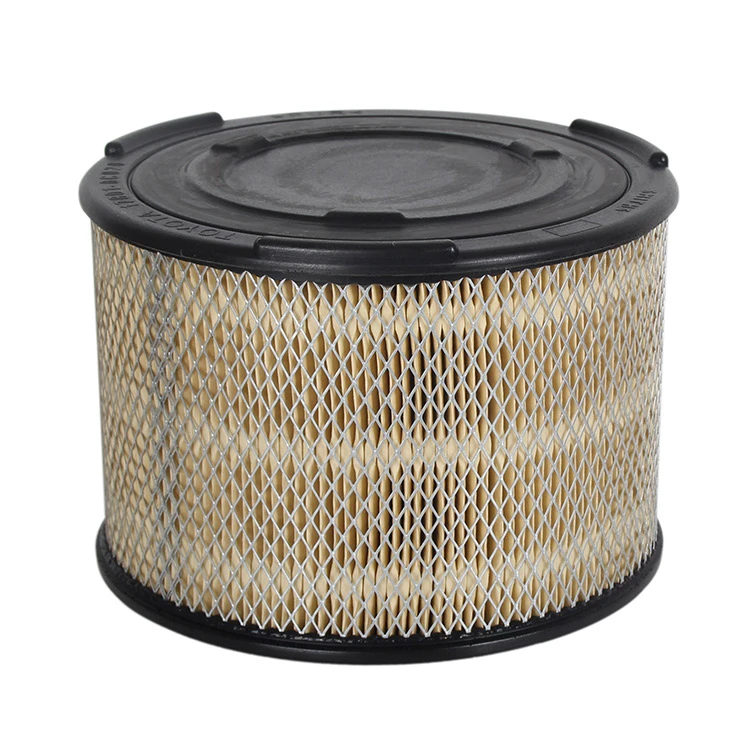
| Average Lifespan (km) | 12,000 - 15,000 | 8,000 - 10,000 | 20,000 - 30,000 (cleanable) |
| Maintenance | Replace only | Clean & reuse feasible | Washable and reusable |
| Cost per Unit | $10-15 | $12-18 | $25-35 |
| Filtration Efficiency | Medium | Low to Medium | High |
How Different Vendors Stack Up on Air Filter Solutions
| Vendor | Price Range | Range of Products | Global Shipping | Sustainability Initiatives |
|---|---|---|---|---|
| JyFilter Co. | $$ | Wide variety including custom sizes | Yes | Recyclable materials & eco-packaging |
| AutoClean Filters | $$$ | Premium performance filters | Limited | Carbon offset program |
| GreenFilter Global | $ | Basic filters with biodegradable components | Yes | Uses renewable energy in manufacturing |
Looking Ahead: Future Trends in Engine Air Filter Maintenance
Technology rarely stands still, even in something as “simple” as air filters. The next-gen filters incorporate nanofiber membranes — reducing clogging while boosting filtration. Automation and IoT devices now enable “smart filters” that signal when to replace, tailored by real-time driving conditions. Imagine your car sending a polite reminder when it's time to change that engine air filter, instead of you guessing.
At the policy level, stricter emissions rules and green energy pushes will incentivize better materials and sustainable disposal. So, the filter you swap in five years might be part of a circular economy model — reusable, recyclable, and greener all around.
Challenges and How Experts Tackle Them
The main challenge often boils down to cost versus benefit. Many users delay replacement to “save money,” only to pay more later in repairs or fuel inefficiency. Another hurdle is inconsistent information: manufacturer recommendations vary, sometimes confusing drivers.
To solve this, expert mechanics advocate for digital logbooks, standardized guidelines, and more accessible filter options. Some innovative companies offer on-site filter cleaning services in regions where replacements are expensive or scarce — a practical hybrid solution.
FAQ: Your Top Questions About How Often to Change the Engine Air Filter
1. How do I know if my engine air filter needs replacing?
Common signs include reduced fuel efficiency, rough engine idling, or visible dirt and debris on inspection. Many modern vehicles also have sensor warnings. However, the best way is to follow mileage or time guidelines and visually inspect periodically.
2. Can I clean and reuse my engine air filter instead of replacing it?
It depends on the filter type. Foam and cotton gauze filters often allow cleaning, while paper pleated filters are usually disposable. Check your vehicle's manual and consult a trusted mechanic before attempting cleaning.
3. Does a clogged air filter cause engine damage?
Yes. A severely clogged filter restricts airflow, risking incomplete combustion, increased wear, and overheating — all which can damage engines over time.
4. How often should I change my air filter if I drive mostly in the city?
City driving, with more stop-and-go and higher pollution, usually warrants closer attention. Many experts recommend changing filters every 10,000 km or annually, whichever comes first, but monitor conditions closely.
Mini takeaway: When in doubt, err on the side of timely replacement to save yourself bigger headaches later.
Conclusion: Making Timely Air Filter Changes a Small Habit with Big Rewards
Understanding how often to change the engine air filter isn’t just about ticking off routine car care. It’s a thread woven deeply into cost savings, environmental sustainability, and road safety — whether you’re navigating bustling city streets or remote humanitarian routes. By maintaining fresh, efficient filters, you invest in your vehicle’s health, lower emissions, and your peace of mind.
So next time you wonder, remember that a clean filter means more than cleaner air — it’s about reliable performance, longer engine life, and doing your part to reduce the global carbon footprint. Ready to get started? Visit our website: https://www.jyfilter.com for expert advice and top-notch replacements.
References:
-
Guide on how often do you need to replace engine air filterNewsApr.16,2026
-
Learn how often do you replace air filter in car for engine healthNewsApr.09,2026
-
How Often Do You Replace Car Air Filter For Optimal Engine PerformanceNewsApr.07,2026
-
How Often Do You Replace Engine Air Filter For Optimal Vehicle PerformanceNewsApr.04,2026
-
Understanding How Often Does Engine Air Filter Need to Be Replaced for Optimal PerformanceNewsMar.31,2026
-
How Often Engine Air Filter Change Impacts Performance and LongevityNewsMar.28,2026
-
Understanding How Often to Replace Your Car Air Filter for Optimal PerformanceNewsMar.26,2026
Related Products