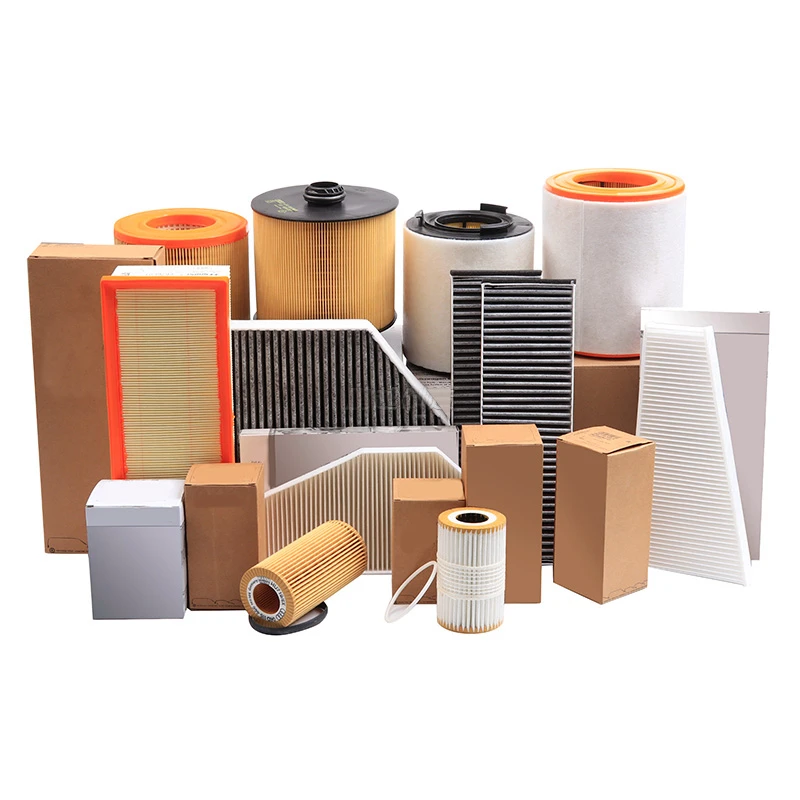
Understanding How Often to Change Engine Filter: A Vital Step for Longevity and Efficiency
At first glance, the question how often to change engine filter might seem a small detail in the vast world of vehicle maintenance. But to ignore it is to risk engine wear, increased fuel consumption, and costly repairs down the line. Worldwide, millions of vehicles rely on clean, efficient engine filters to keep engines breathing smoothly—whether in bustling cities, rugged terrains, or remote industrial zones.
Globally, with escalating vehicle numbers and growing environmental concerns, knowing the right timing for engine filter replacement is more than routine; it’s part of sustainable automotive care. And frankly, it can save fleet managers, drivers, and businesses a lot of headaches.
Mini takeaway: Properly timing engine filter changes isn’t just maintenance; it’s preventive care that saves money, reduces emissions, and boosts reliability.
Why Does Timing Your Engine Filter Change Matter Globally?
Worldwide, vehicle emissions and fuel efficiency have been in the spotlight, especially with commitments from organizations like the United Nations and ISO standards pushing for greener, cleaner transportation. The engine air filter plays a stealthy but key role in this effort. Dirty or clogged filters restrict airflow, forcing engines to work harder, increasing emissions, and lowering efficiency.
According to reports from the International Energy Agency (IEA), improved vehicle maintenance, including timely engine filter changes, could reduce fuel consumption by as much as 10%. With over 1.4 billion vehicles registered worldwide, you do the math — the impact is significant.
But here’s the catch: “how often to change engine filter” isn’t a one-size-fits-all figure. Factors like driving conditions, engine type, and filter quality come into play, complicating things. It’s a practical challenge for drivers, fleet operators, and maintenance professionals everywhere.
Mini takeaway: Proper filter replacement contributes to global sustainability goals and fuel economy, but timing varies widely depending on conditions.
Breaking It Down: What Does Changing Engine Filter Actually Mean?
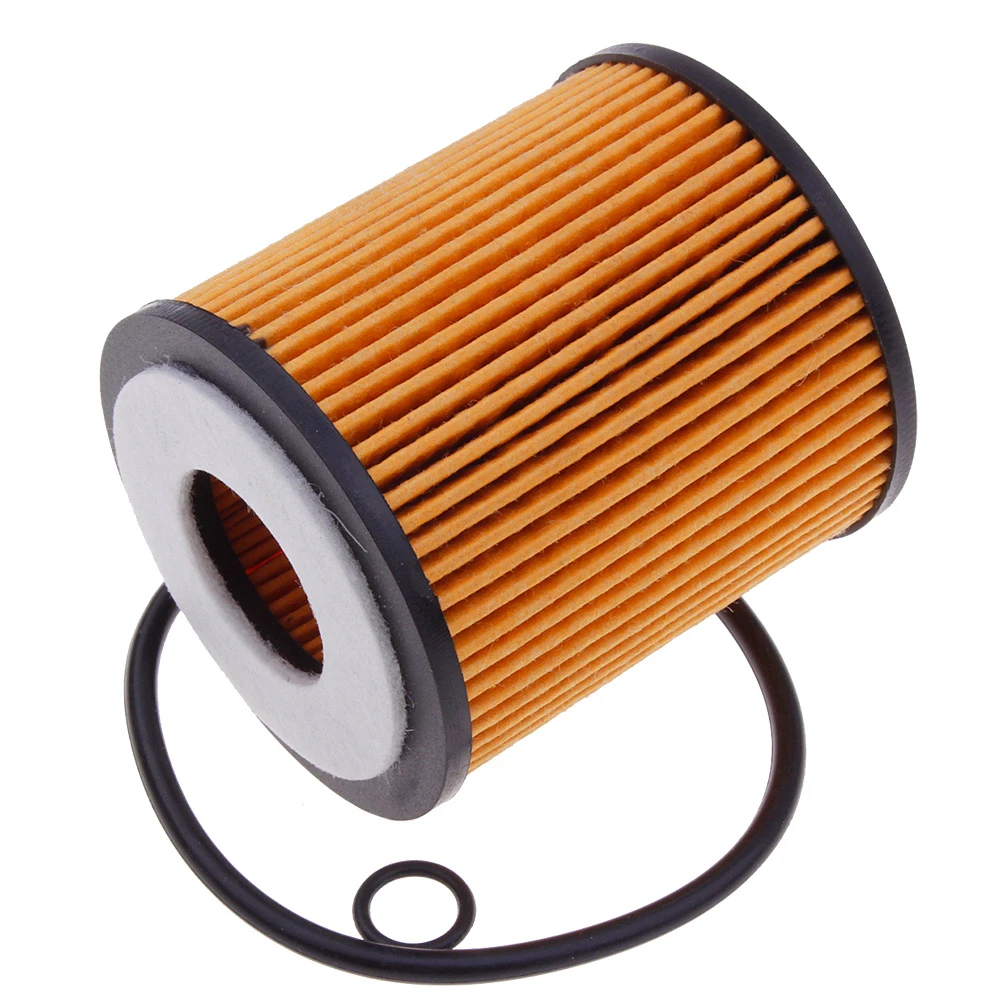
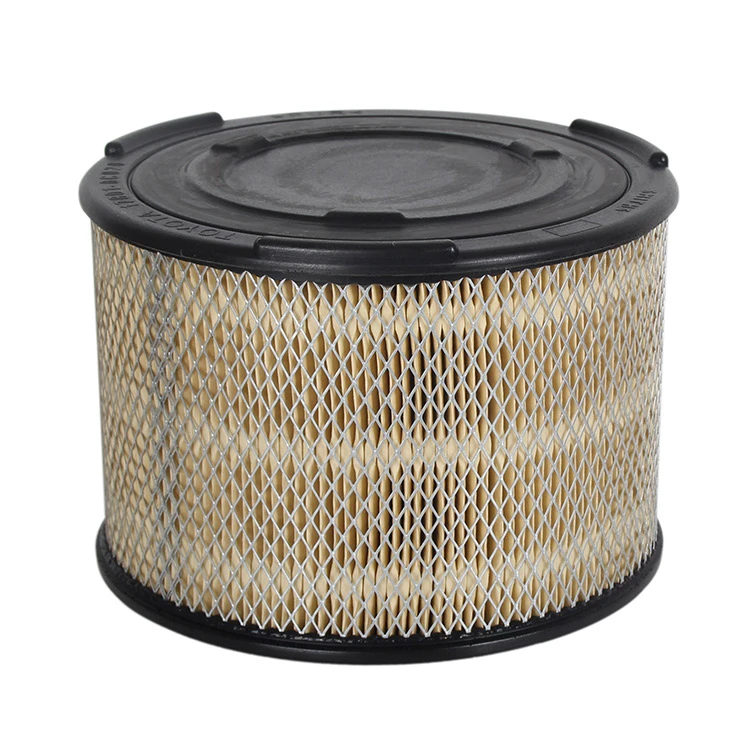
Simply put, changing the engine filter means removing the old, clogged filter cartridge and installing a fresh one so that air entering the engine is free of dust, dirt, and debris. This “breathing” process is crucial — clean air leads to cleaner combustion, which directly affects performance and durability.
In industrial and humanitarian contexts, this is equally important. For example, in harsh environments — think mining operations or disaster relief vehicles — filters clog faster, and the stakes for engine reliability rise. Without frequent changes, vehicles risk breakdowns right when they’re most needed.
So, “how often to change engine filter” is really a question about adapting maintenance to usage and environment, rather than sticking abstractly to mileage alone.
Key Factors Affecting How Often to Change Engine Filter
1. Driving Environment
Dusty roads, urban pollution, or clean highways make a huge difference. Drivers stuck in traffic-heavy cities or unpaved rural areas may need to replace filters far more often.
2. Vehicle Type and Engine Design
Diesel engines, petrol engines, turbocharged motors — all have different air needs. Engines designed for heavy-duty use may have special filters requiring more frequent attention.
3. Manufacturer Recommendations
This might sound obvious, but many simply skip the manual or forget. OEM (original equipment manufacturer) guidance often provides the best baseline – but real world conditions may require adjustments.
4. Filter Quality and Technology
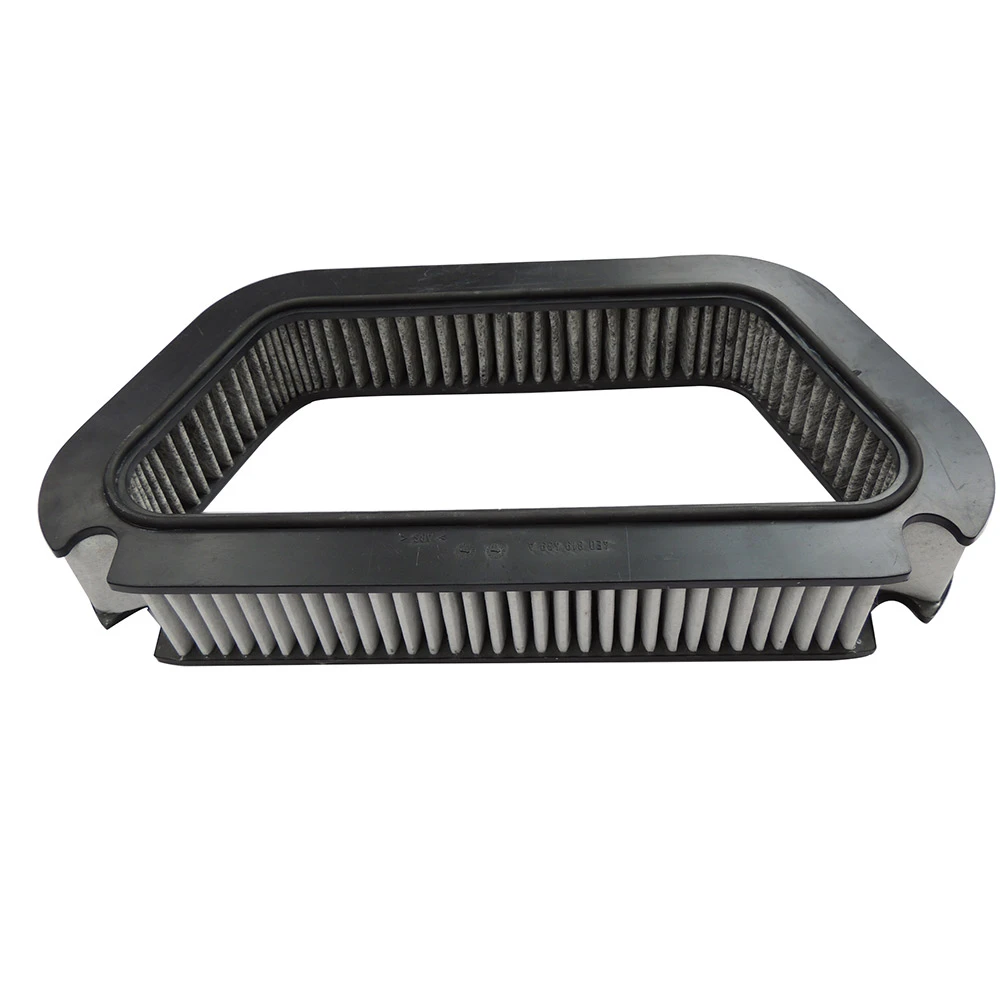
Filters today range from basic paper to advanced synthetic fibers and even reusable types. Higher quality filters often last longer while maintaining better airflow and filtration.
5. Mileage and Time Intervals
Traditional advice places filter changes between 12,000 and 15,000 miles or annually, but this can vary massively. Some modern filters can stretch closer to 30,000 miles under ideal conditions.
6. Maintenance Practices
Periodic filter inspections during services, plus air intake cleaning, extend filter life – better to catch a problem before it chokes the engine.
Mini takeaway: Multiple factors intertwine to determine optimal change intervals. Tailoring replacement schedules to these nuances is key.
Real-World Applications and Usage Scenarios
Consider commercial trucking fleets in North America, where filters often come under extreme strain due to stop-and-go traffic and heavy loads. Fleet managers here often schedule filter replacements every 12,000 miles to avoid downtime.
In developing regions like parts of Africa and South Asia, unpaved roads and dust storms press engineers to change engine filters much more frequently — sometimes as often as every 5,000 miles or less.
Humanitarian agencies operating in post-disaster zones understand the importance of clean filters to maintain vehicle readiness. A clogged filter can mean the difference between life-saving transport and stalled relief efforts.
Even passenger cars in Europe, navigating relatively clean urban environments, tend to follow relaxed mileage intervals, relying heavily on advanced synthetic filters.
Advantages — More Than Just Cleaner Air
- Cost Efficiency: Replacing filters on time avoids major engine repairs and maintains fuel economy.
- Sustainability: Reduces emissions and extends vehicle lifespan, supporting environmental targets.
- Reliability & Safety: Ensures engines operate without sudden failures, especially critical for emergency and industrial vehicles.
- User Confidence: Drivers feel peace of mind knowing their vehicle is well-maintained and less likely to stall unexpectedly.
- Innovation Catalyst: Leads to development of smarter, longer-lasting filtration technologies.
Future Trends & Innovations in Engine Filter Replacement
The future is leaning heavily on smart filters embedded with sensors that monitor clogging levels and alert drivers when to change. Coupled with IoT-based vehicle maintenance systems, the guesswork on how often to change engine filter could become obsolete.
Eco-friendly materials like biodegradable synthetic fibers and recyclable filter housings are gaining attention, syncing well with green energy trends. Manufacturers are also experimenting with self-cleaning filters for industrial and heavy-duty vehicles.
Plus, emerging standards by international bodies encourage manufacturers to provide clearer guidelines tailored to diverse environments, which will help users better predict replacement intervals.
Challenges and Practical Solutions
Despite advancements, gaps remain. Overuse often results from neglect or poor awareness, while premature changes waste money and resources. Logistical hurdles in remote areas limit access to quality filters. To overcome these, experts recommend:
- Regular inspection protocols and digital reminders.
- Training drivers and technicians on recognizing signs of clogged filters.
- Developing accessible supply chains, especially in underserved regions.
- Promoting reusable filter options for sustainability.
Product Specification Table: Typical Engine Filter Models
| Model | Filter Type | Recommended Change Interval | Material | Heat Resistance |
|---|---|---|---|---|
| JF-AF-120 | Paper Pleated | 12,000 miles / 12 months | Cellulose Fiber | Up to 90°C |
| JF-SF-250 | Synthetic Fiber | 20,000 miles / 18 months | Polyester Blend | Up to 110°C |
| JF-RF-400 | Reusable / Washable | Up to 30,000 miles | High-density Foam | Up to 105°C |
Vendor Comparison: Engine Filter Providers
| Vendor | Filter Range | Average Price per Unit | Warranty | Global Availability |
|---|---|---|---|---|
| JyFilter Inc. | Paper, Synthetic, Reusable | $15–$45 | 12 months | Worldwide |
| CleanAir Systems | Synthetic Only | $22–$55 | 18 months | North America, Europe |
| EcoFilters Ltd. | Reusable / Washable | $30–$70 | 24 months | Europe, Asia |
FAQs: How Often to Change Engine Filter
Q1: How do I know my engine filter needs changing?
If you notice decreased engine power, unusual noises, or higher fuel consumption, these can be signs. Visual inspection may reveal dirt build-up or discoloration. For precise advice, refer to your vehicle manual or schedule an inspection during routine services.
Q2: Can a clogged engine filter cause engine damage?
Yes. A dirty filter restricts airflow, causing the engine to run “rich” and potentially leading to increased wear, overheating, or even mechanical damage over time.
Q3: Is it better to replace the engine filter based on mileage or time?
Both matter. Filters can degrade over time even if mileage is low, especially in humid or dusty environments. Many experts recommend replacement every 12 months or after 12,000–15,000 miles, whichever comes first—adjusted based on conditions.
Q4: Are reusable engine filters worth the investment?
Reusable filters often cost more upfront but can last longer if cleaned properly, reducing waste and replacement frequency. They’re ideal for drivers in moderate environments who can commit to maintenance routines.
Q5: How does filter quality affect replacement frequency?
Higher-grade filters with advanced materials typically last longer and offer improved filtration, meaning you can safely extend replacement intervals compared to cheap paper filters.
Conclusion: Prioritize Engine Filter Changes — Your Engine Will Thank You
Understanding how often to change engine filter might seem mundane, but it’s a cornerstone of engine health, cost savings, and environmental responsibility. Whether you operate a single vehicle or manage an entire fleet, investing in the right timing and quality for engine filter replacement pays dividends in reliability and efficiency.
If you're ready to optimize your engine maintenance strategy, visit our website for expert guidance and premium engine filter options: https://www.jyfilter.com.
It’s worth remembering: the engine filter isn’t flashy, but it’s fiercely important.
References:
-
Guide on how often do you need to replace engine air filterNewsApr.16,2026
-
Learn how often do you replace air filter in car for engine healthNewsApr.09,2026
-
How Often Do You Replace Car Air Filter For Optimal Engine PerformanceNewsApr.07,2026
-
How Often Do You Replace Engine Air Filter For Optimal Vehicle PerformanceNewsApr.04,2026
-
Understanding How Often Does Engine Air Filter Need to Be Replaced for Optimal PerformanceNewsMar.31,2026
-
How Often Engine Air Filter Change Impacts Performance and LongevityNewsMar.28,2026
-
Understanding How Often to Replace Your Car Air Filter for Optimal PerformanceNewsMar.26,2026
Related Products