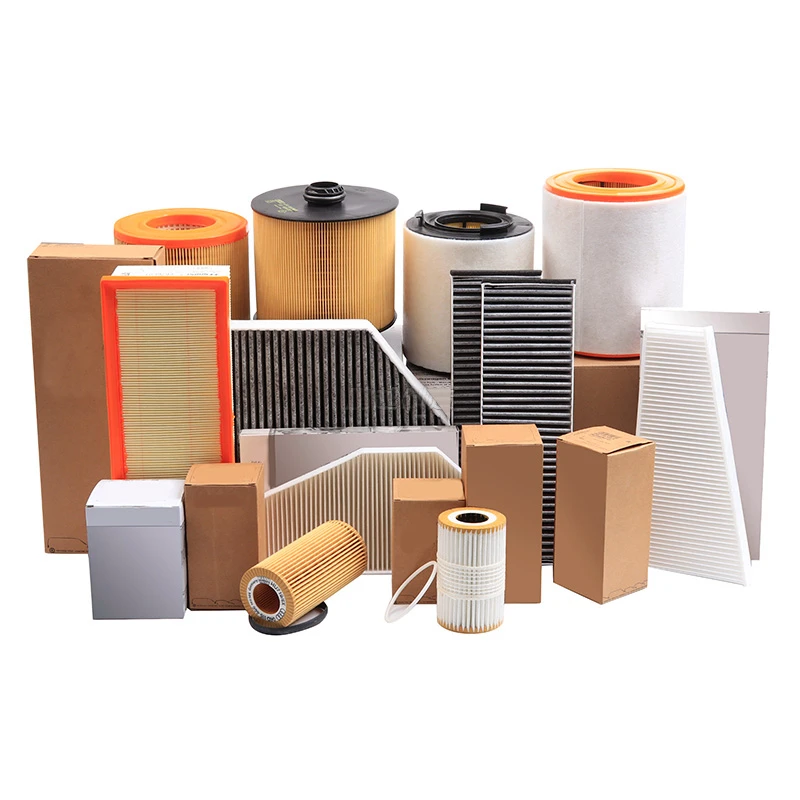
Understanding How Often to Change Car Filter: Why It Matters
At first glance, the question of how often to change a car filter might sound like a minor detail in maintaining your vehicle. But in reality, it’s a crucial factor with global implications—economically, environmentally, and even socially. Worldwide, millions depend on cars for transport, delivery, and business. Neglecting filter replacement impacts engine efficiency, increases pollution, and hikes overall costs. In fact, a small part like a filter can make a big difference, both to your wallet and the planet.
The Global Context: Why Knowing When to Replace Car Filters is Important
According to the International Organization for Standardization (ISO), optimal vehicle maintenance extends car longevity and reduces harmful emissions. The World Bank estimates that in urban areas of developing countries, cars emit up to 40% more pollutants due to poor maintenance. Now, imagine just how much of that comes from a clogged or worn-out car filter. It’s this widespread problem—often overlooked—that sustainable automotive care seeks to address.
The challenge is simple but sticky: with variations in driving environments and travel distances, knowing how often to change car filters isn’t one-size-fits-all. Yet, getting it right keeps engines running cleaner, maintains fuel efficiency, and helps curb climate impact. Without clear guidance, many drivers end up replacing filters either too soon— wasting money—or too late, risking major engine damage.
Mini takeaway: Replacing your car filter at the right time is a small action with outsized global benefits—from cutting emissions to saving fuel costs.
So, What Exactly Does “How Often to Change Car Filter” Mean?
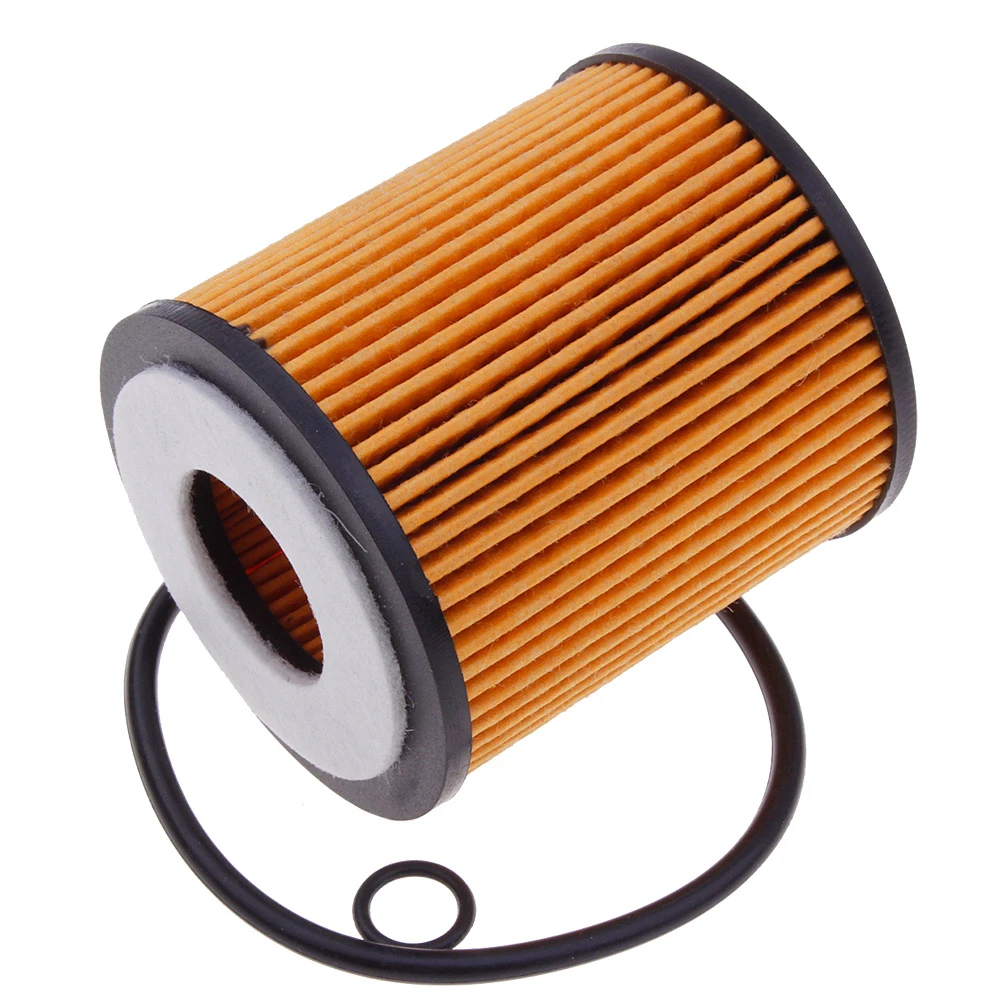
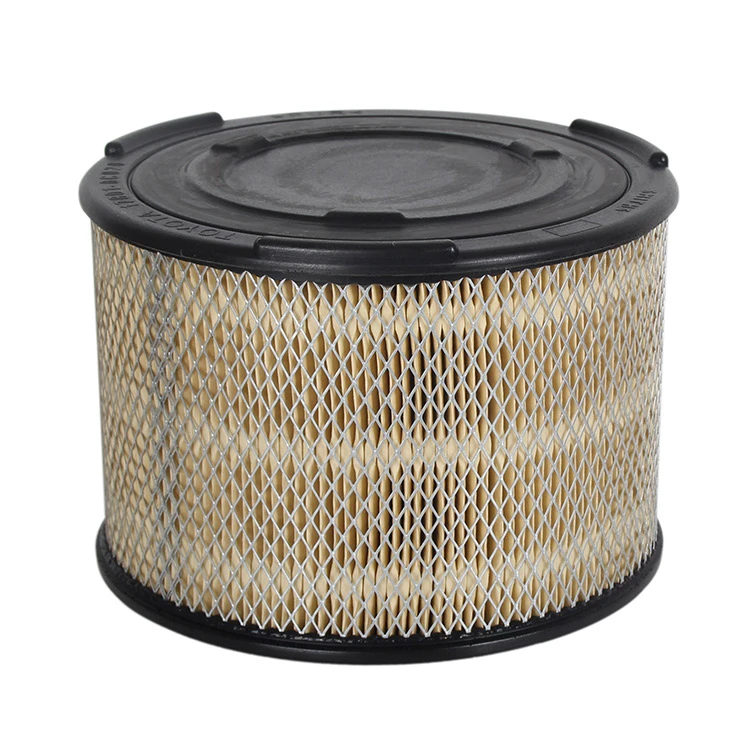
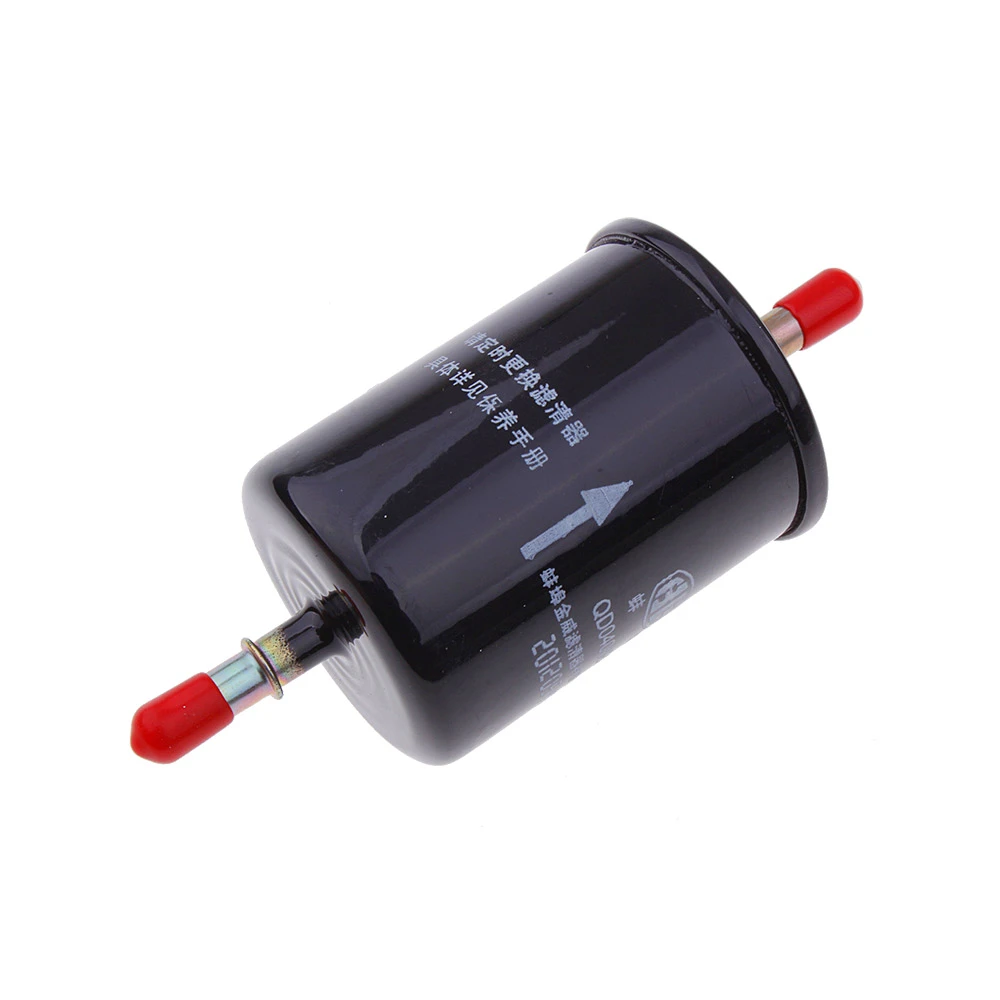
Simply put, it refers to the recommended interval—usually expressed in miles or kilometers or sometimes months—for replacing the vehicle’s air or fuel filter. These filters act like gatekeepers: they keep dust, dirt, fuel impurities, and debris from damaging sensitive engine parts. Over time, they clog. Their efficiency plummets, restricting airflow or fuel flow, leading to poor engine performance.
That interval depends on many practical factors: road conditions, climate, vehicle type, and even filter quality. In modern automotive industries, manufacturers stress following these intervals because a clogged filter indirectly spikes carbon footprints and repair bills—a double whammy in the era of sustainable mobility.
Key Factors That Influence How Often You Should Change Your Car Filter
1. Driving Environment and Conditions
If you’re driving mostly in dusty or urban environments with heavy pollution, your filters clog faster. Roughly speaking, off-road or dusty rural driving can halve typical replacement intervals compared to smooth highway driving. I remember chatting with a mechanic in Arizona who swore by changing filters every 10,000 miles—not 20,000—because of desert dust.
2. Type of Filter (Air, Fuel, or Cabin)
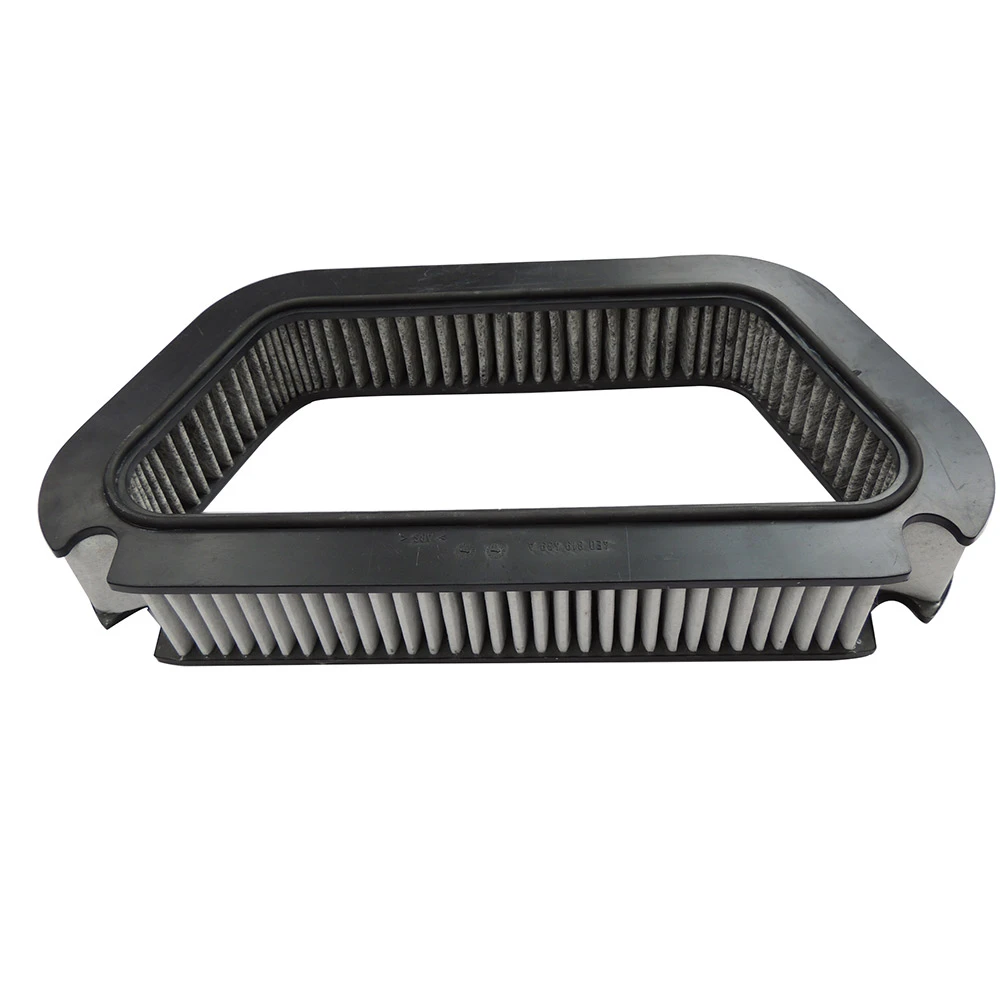
Each filter serves a distinct purpose. Air filters trap dirt from outside air; fuel filters keep your fuel clean; cabin filters purify the air you breathe inside. Naturally, they each have unique lifespans and replacement guidelines. For example, cabin air filters often need more frequent changes in areas with heavy smog.
3. Vehicle Manufacturer Recommendations
Automakers do extensive testing to provide general guidelines—often between 12,000 to 30,000 miles. Still, following your car’s manual is gold. Sometimes, skipping a filter change costs more than the part itself.
4. Filter Material and Quality
Some aftermarket filters use synthetic fibers designed to last longer or trap finer particles. But quality varies widely. I once tested a premium filter side-by-side with a generic brand and the difference in airflow was surprisingly visible (and audible) under acceleration.
5. Vehicle Usage Intensity
Frequent city stop-and-go traffic, towing heavy loads, or long daily commutes strain filters more. Those dynamic variables subtly shift the replacement “due date.”
Mini takeaway: How often you should replace your car filter depends on where, how, and what quality of filter you use — no cookie-cutter answer.
Global Applications: Who & Where Benefits Most?
In industrialized nations, regular filter changes are part of standardized vehicle maintenance, supported by roadside inspection programs. Yet in emerging markets, especially in urban hubs of India, Southeast Asia, and Africa, awareness is growing fast, driven by air quality concerns and rising vehicle ownership.
For example, in post-disaster relief operations where mobile generators and vehicles run continuously under harsh conditions, maintaining clean filters ensures equipment reliability and safety. Remote mining or oil extraction communities rely on timely filter changes to avoid costly breakdowns miles from spare parts.
Even large delivery fleets and ride-share services in cities increasingly implement scheduled filter checks—not just for maintenance but brand reliability and environmental responsibility.
What Are the Advantages & Long-Term Benefits?
- Cost efficiency: Timely filter replacement means fewer repairs and better fuel mileage, a direct money saver.
- Environmental impact: Properly maintained vehicles pollute less, contributing to global emission targets.
- Safety and reliability: Clean filters support engine health, preventing stalls or breakdowns that could be dangerous.
- Trust & user confidence: Drivers feel more secure when vehicles perform optimally.
It is oddly satisfying to realize that this simple maintenance task ties into a larger web of innovation, sustainability, and human well-being.
Future Trends: What Lies Ahead?
Engineers and filter manufacturers are pushing boundaries with new materials—like nanofiber composites—that trap particles more efficiently and last longer. Digital indicators and IoT sensors embedded in vehicles are set to alert drivers automatically when filters need replacing.
Sustainability is big: recyclable, biodegradable filter media are emerging, aligning with global efforts to reduce automotive waste. Plus, electric vehicles decrease dependence on some filters but introduce new maintenance dynamics altogether, a whole new story.
Common Challenges & How to Overcome Them
Many drivers neglect filter replacement due to lack of awareness or conflicting advice online. Plus, cost pressures tempt some to skip replacements. Standardizing clear guidelines and leveraging digital maintenance trackers can help.
Some vehicles may have difficult-to-access filters, complicating replacement; clever modular designs in newer cars aim to fix that. Also, counterfeit or low-quality filters cause problems—purchasing from reputable vendors remains key.
Car Filter Specification Table
| Filter Type | Typical Lifespan (miles) | Primary Function | Materials |
|---|---|---|---|
| Air Filter | 12,000–15,000 | Removes dust and debris from air intake | Paper, synthetic fibers |
| Fuel Filter | 20,000–30,000 | Cleans fuel impurities before engine delivery | Cellulose, synthetic materials |
| Cabin Air Filter | 15,000–20,000 | Filters air entering the vehicle interior | Activated carbon, synthetic fibers |
Vendor Comparison: Top Car Filter Brands
| Brand | Filter Types Offered | Quality Certification | Average Cost Range (USD) |
|---|---|---|---|
| Bosch | Air, Fuel, Cabin | ISO 9001, ISO 14001 | $15 - $60 |
| Fram | Air, Fuel | ISO 9001 | $8 - $40 |
| Mann+Hummel | Air, Fuel, Cabin | ISO/TS 16949 | $18 - $70 |
| K&N | Air | CARB Certified | $30 - $90 |
FAQs About How Often to Change Car Filter
Q1: How do I know when my car filter needs to be replaced?
Most vehicles have a recommended interval found in the owner's manual (usually every 12,000 to 15,000 miles). However, symptoms like reduced fuel efficiency, engine roughness, or unusual odors inside the car can indicate a clogged filter. Additionally, visual inspection—if the filter looks dirty or clogged—is a good cue.
Q2: Can I drive with a dirty air or fuel filter?
It’s not advisable for long periods. A dirty air filter restricts airflow, causing the engine to strain and consume more fuel, potentially damaging internal components. A clogged fuel filter might cause stalling or difficulty starting. Occasional short drives are unlikely to harm, but consistent neglect risks costly repairs.
Q3: Are all replacement car filters the same quality?
No, filter quality varies widely between brands and price ranges. OEM (original equipment manufacturer) filters usually offer reliable performance. Some aftermarket filters use advanced materials that extend lifespan, but it’s important to buy from reputable suppliers to avoid counterfeits or subpar parts.
Q4: Does a cabin air filter affect car performance?
Indirectly, yes. While it doesn't affect engine function, a clogged cabin filter reduces airflow inside the car, making heating, ventilation, and air conditioning (HVAC) systems less efficient and decreasing air quality for passengers.
Q5: Where can I learn more about maintenance and filter replacement?
Trusted sources include vehicle manufacturer manuals, automotive workshops, and sites like how often to change car filter for detailed guides and product recommendations.
Wrapping Up: The Value of Timely Filter Replacement
Knowing how often to change car filter isn’t just a routine checklist item — it’s a gateway to smarter, greener, and more economical vehicle use. Proper maintenance helps engines breathe easier, makes journeys smoother, and reduces environmental footprints. If you haven’t checked your filters lately, you might really want to give them a look soon.
Visit our website for detailed advice, tips, and high-quality replacement filters that fit your needs: https://www.jyfilter.com
References
-
Guide on how often do you need to replace engine air filterNewsApr.16,2026
-
Learn how often do you replace air filter in car for engine healthNewsApr.09,2026
-
How Often Do You Replace Car Air Filter For Optimal Engine PerformanceNewsApr.07,2026
-
How Often Do You Replace Engine Air Filter For Optimal Vehicle PerformanceNewsApr.04,2026
-
Understanding How Often Does Engine Air Filter Need to Be Replaced for Optimal PerformanceNewsMar.31,2026
-
How Often Engine Air Filter Change Impacts Performance and LongevityNewsMar.28,2026
-
Understanding How Often to Replace Your Car Air Filter for Optimal PerformanceNewsMar.26,2026
Related Products