Nov . 29, 2025 17:35
Back to list
Why Knowing How Often to Change Your Car Engine Air Filter Matters Globally
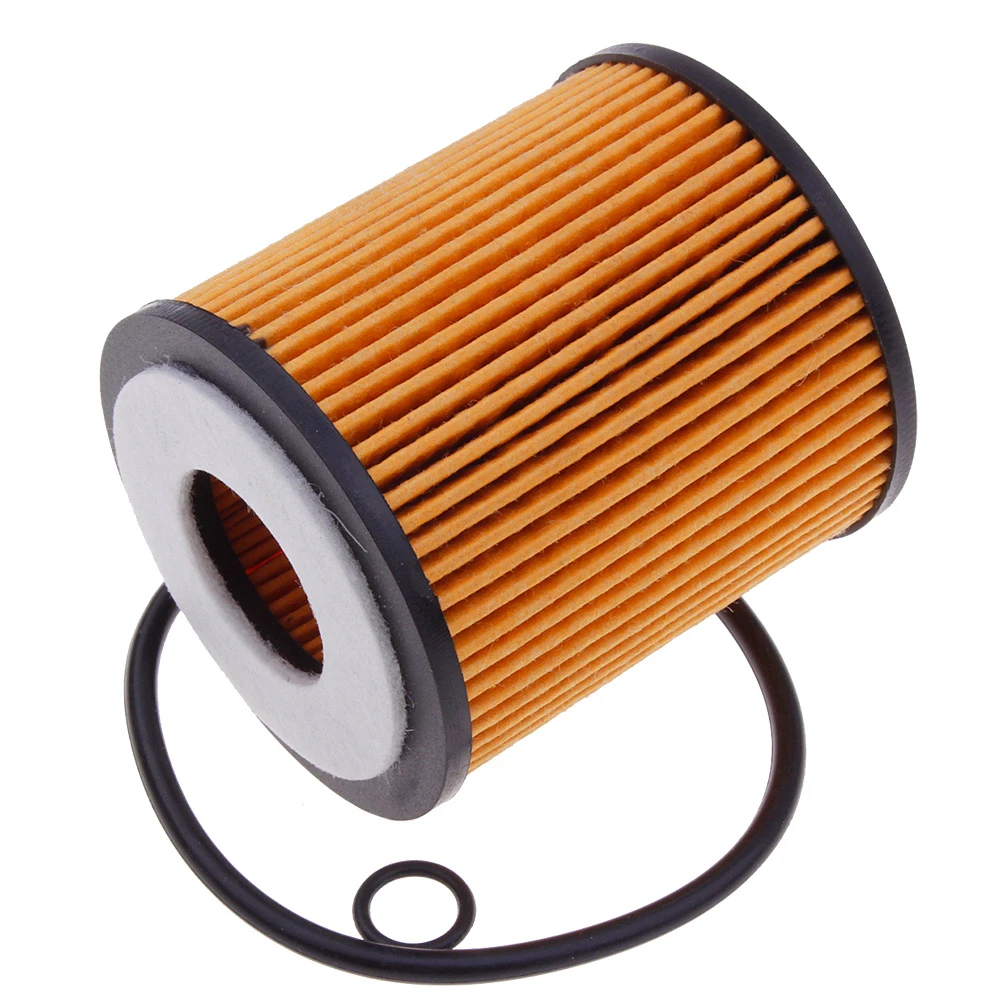
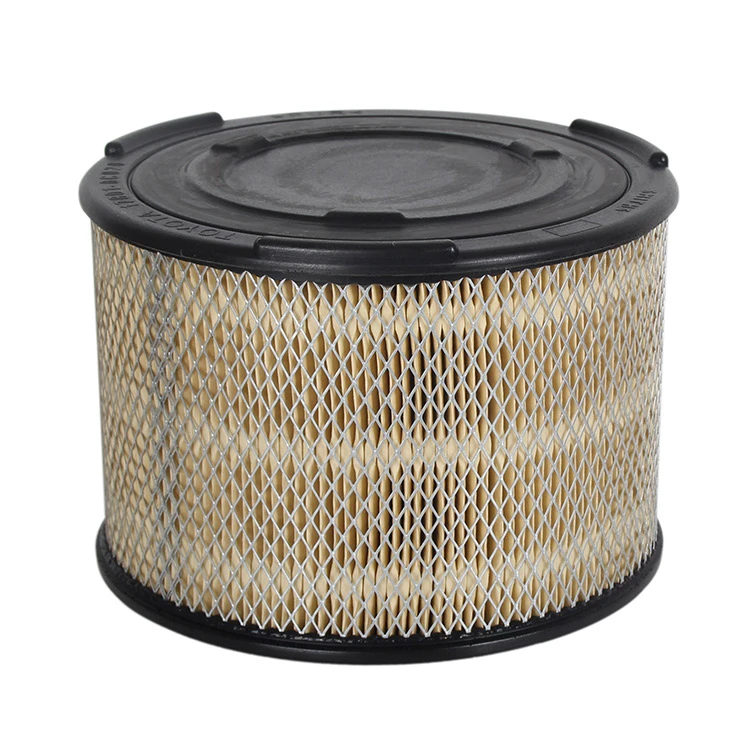
Alright, let’s dive in: the simple question of how often to change car engine air filter might seem mundane, but it actually touches some pretty important points worldwide. Across continents, cars — and their well-being — impact everything from personal safety to environmental footprint. When filters get clogged, engines gasp for clean air, burning fuel inefficiently and emitting more pollutants.So, understanding when to swap that filter doesn’t just keep your ride smooth. It means less gas wasted, fewer emissions, and costs saved on repairs. Plus, globally, millions of vehicles clog cityscapes, so better upkeep can reduce overall pollution loads—a surprisingly tangible benefit.
Mini takeaway: Regular air filter changes link car health to cleaner air, cost savings, and engine longevity — all global wins.
Introduction: The Global Context and Why It’s a Bigger Deal Than You Think
Oddly enough, many car owners overlook the air filter—a humble component roughly the size of a small book, but a guardian of engine health. Per the International Organization for Standardization (ISO 19438:2013), automotive air filtration significantly affects engine performance and emissions. Globally, with over 1.4 billion vehicles on the road (World Bank, 2023), even marginal improvements in filter maintenance ripple into major environmental gains.Here's the kicker: in urban hubs like New Delhi or Mexico City, where air quality routinely breaches safe limits (WHO reports call it “alarming”), neglected air filters worsen emissions and fuel inefficiency. So, knowing how often to change car engine air filter helps battle pollution and cuts costs upfront.
Yet the challenge is clear — how do drivers worldwide know the optimal timing? Without it, clogged filters silently rob engines of efficiency.
Mini takeaway: Worldwide urban air and fuel concerns elevate proper air filter replacement into a critical, if underrated, part of vehicle upkeep.
What Does It Mean to Know 'How Often to Change Car Engine Air Filter'?
In a nutshell, this phrase means understanding the ideal frequency to replace your car’s engine air filter to keep it clean and functional. Think of it as your engine’s breathing apparatus — if it inhales dust and debris, performance nosedives.The rule often touted is every 12,000 to 15,000 miles (19,000 to 24,000 km), but that varies drastically by driving conditions: dusty terrain, urban smog, or frequent short trips all muck with timelines. This maintenance task bridges traditional vehicle care with modern environmental priorities, marrying efficiency with sustainability.
Mini takeaway: Knowing when to change your car’s engine air filter is about timing maintenance to suit your driving life—keeping engines happy and emissions low.
Key Factors That Influence How Often You Should Change Your Car Engine Air Filter
1. Driving Environment
Whether you’re navigating dusty backroads or city streets choked with traffic, air filters face very different stresses. For dusty rural areas, filters clog much quicker — sometimes within 5,000 miles (8,000 km). City dwellers deal with smog and pollutants but generally get longer filter life, except during heavy traffic jams or construction zones.2. Vehicle Usage
How often, and how hard, you drive has a direct say in filter health. Stop-and-go traffic, short trips, or idling hurt filtration efficiency, demanding more frequent changes. Road warriors with highway miles often see longer intervals.3. Filter Quality and Type
OEM filters come standard but aren't all equal — some aftermarket options boast better filtration using synthetic or HEPA-style materials. Higher-grade filters trap smaller particles, extending useful life somewhat.4. Manufacturer’s Recommendations
Always consult the car manual—manufacturers design recommended change intervals combining lab and real-world testing. But with new driving habits or conditions, these can be a starting point, not gospel.5. Visual Inspection & Monitoring
Sometimes “how often” isn’t just about time or miles. Mechanics recommend checking filters during oil changes or tune-ups, visually ensuring they’re not visibly dirty or dysfunctional.
Mini takeaway: How often you swap an engine air filter depends on environment, usage, and filter quality — one size definitely doesn’t fit all.
Product Specification Table: Common Engine Air Filters Compared
| Feature | Standard OEM Filter | High-Performance Synthetic | HEPA Filter |
|---|---|---|---|
| Filtration Efficiency | 80-85% | 90-95% | 99.97% |
| Average Lifespan (Miles) | 12,000 - 15,000 | 15,000 - 20,000 | 20,000 - 25,000 |
| Material | Paper/Fiber blend | Synthetic fibers | Electrostatic HEPA Media |
| Cost (USD) | $15 - $25 | $30 - $45 | $50 - $75 |
| Eco Impact | Low (biodegradable) | Medium (synthetic materials) | High (recyclable but specialized) |
Where Around the World Do Proper Air Filter Changes Make the Biggest Difference?
Well, this might surprise you, but many remote or harsh environments rely on timely air filter swaps to keep engines alive. For instance:- Post-disaster Relief Operations: In dusty, often devastated zones (think after earthquakes or floods), emergency vehicles use precise replacement schedules to avoid breakdowns.
- Mining Regions: In countries like Australia or Chile, dust is relentless; mining trucks need heavy-duty filters changed frequently.
- Urban Metropolises: Cities like Beijing or Lagos see fleets adopting advanced filters to reduce particulate emissions that worsen local pollution.
Mini takeaway: Proper air filter maintenance is a global game-changer, crucial in dusty, urban, and emergency vehicle contexts alike.
Comparing Popular Filter Vendors: Which Offers the Best Value?
| Vendor | Price Range (USD) | Filter Types Available | Warranty | Availability |
|---|---|---|---|---|
| AutoPure | $15 - $50 | OEM, Synthetic | 1 year | Global |
| CleanAir Filters | $25 - $75 | Synthetic, HEPA | 2 years | North America, Europe |
| EcoFilters | $20 - $60 | OEM, Eco-friendly synthetics | 1 year | Europe, Asia |
The Long-Term Benefits of Timely Air Filter Replacement
If you’ve ever ignored that dusty air filter warning, you know the consequence: slower acceleration, rough idling, and weird fuel economy dips. On the flip side, changing your engine air filter at the right time often means:- Lower fuel consumption: Better combustion from cleaner air equals more miles per gallon/liter.
- Extended engine life: Less dirt inside means fewer repairs.
- Reduced emissions: Cleaner burn, fewer pollutants.
- Cost savings: Avoid major engine issues down the line.
Mini takeaway: Timely air filter replacement isn’t just maintenance — it’s an investment in lasting vehicle health and cleaner air.
Future Trends: What’s Next in Engine Air Filter Technology?
In the next few years, expect to see innovations that combine smart tech and eco-materials. Imagine air filters equipped with sensors that signal clogging status straight to your phone or car display.Then there’s the push towards sustainable materials — bio-based fibers or recycled components reducing environmental impact. Also, with electric vehicles growing, traditional air filters might shift focus to cabin air or hybrid systems, transforming what “filter changing” means.
Manufacturers are even experimenting with washable, reusable filters that cut down waste and long-term costs — sort of like the shift you see with water filters.
Facing the Challenges: What Makes Maintaining Filters Tricky?
One big difficulty is that many drivers simply don’t realize when their filters clog—or even what those signs look like. Add that to inconsistent service schedules and the diversity of driving conditions globally, and it’s easy for filters to stay dirty way too long.The solution? Routine inspection becomes key. Some mechanics recommend incorporating filter checks during every oil change. Also, educating drivers via apps or workshops—something increasingly popular in rising car markets—helps.
The good news is, online resources like how often to change car engine air filter provide practical, easy-to-digest info. And AI diagnostics in connected cars are promising.
FAQs About How Often to Change Car Engine Air Filter
Q: How can I tell if my engine air filter needs replacing sooner than usual?
A: Check for rough idling, decreased fuel efficiency, or reduced acceleration. Also, visually inspect the filter for dirt buildup or discoloration. If you often drive in dusty areas, more frequent checks are advisable.Q: Is it okay to clean and reuse my car’s engine air filter?
A: Only if it’s a washable/reusable type designed for that purpose (usually synthetic). Paper filters shouldn’t be cleaned and reused, as this reduces their efficiency and risks damage.Q: Can a dirty air filter cause engine damage?
A: Yes, prolonged use of a clogged filter can strain the engine, leading to dirt entering combustion chambers, which may cause wear or damage over time.Q: Does changing the air filter improve my car’s emissions?
A: Absolutely! A clean filter ensures proper air flow and combustion, reducing harmful exhaust emissions.Q: How does climate affect how often I should change the air filter?
A: Hot, dusty, or polluted environments clog filters faster, so intervals should be shortened. In mild climates, recommended intervals might be extended.Conclusion: Keep Your Engine Breathing Right
All things considered, regular attention to how often to change car engine air filter is a straightforward way to boost performance, cut emissions, and save money. The timing does depend on your driving style, environment, and filter type — there’s no silver bullet — but a little vigilance goes a long way.If you want to stay in the know and keep your car breathing easy, check detailed guides and quality products at our website. Remember, a clean air filter is a happy engine — and a happier you.
Drive safe, breathe easy.
References:
Latest news
-
Guide on how often do you need to replace engine air filterNewsApr.16,2026
-
Learn how often do you replace air filter in car for engine healthNewsApr.09,2026
-
How Often Do You Replace Car Air Filter For Optimal Engine PerformanceNewsApr.07,2026
-
How Often Do You Replace Engine Air Filter For Optimal Vehicle PerformanceNewsApr.04,2026
-
Understanding How Often Does Engine Air Filter Need to Be Replaced for Optimal PerformanceNewsMar.31,2026
-
How Often Engine Air Filter Change Impacts Performance and LongevityNewsMar.28,2026
-
Understanding How Often to Replace Your Car Air Filter for Optimal PerformanceNewsMar.26,2026
Related Products