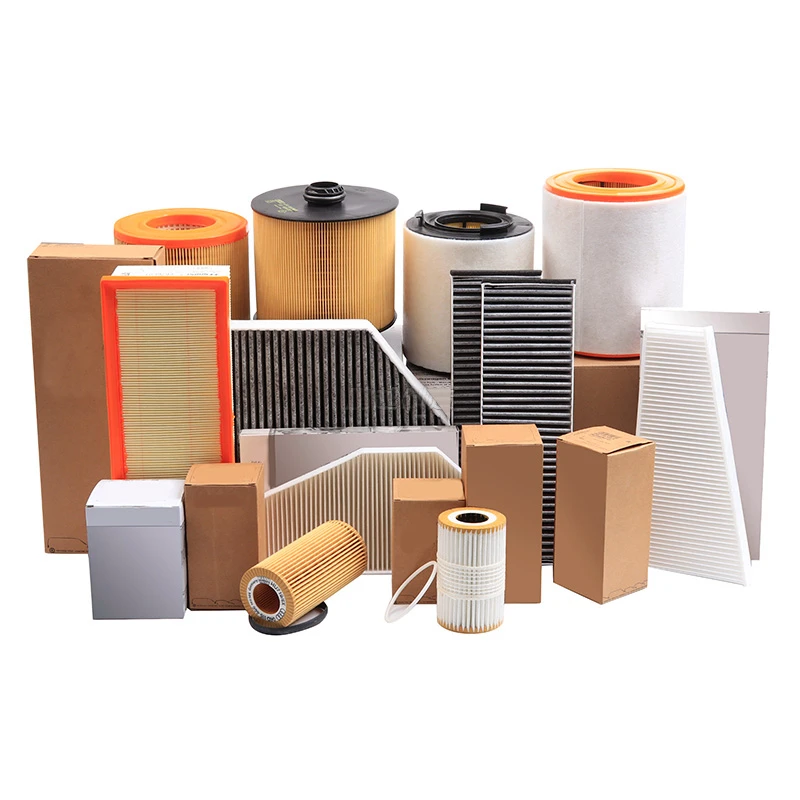
How Often to Change Car Cabin Filter: The Unsung Guardian of Your Air Quality
If you’ve ever sat in a car and taken a deep breath, appreciating that fresh, clean air, you might not have paused to think about the humble cabin filter quietly doing its job. In all honesty, it’s one of those small, often overlooked parts that deserves a little more attention. Knowing how often to change car cabin filter is not just a maintenance chore; it’s an investment in your health, your vehicle’s longevity, and even the environment.
Globally, as urban air pollution worsens and we spend more time stuck in traffic or commuting, the quality of the air inside our cars has become a genuine concern. Studies by the World Health Organization show that air pollution causes millions of premature deaths annually. While cabins can’t fully stave off all particulates, a well-maintained cabin filter significantly reduces exposure to harmful dust, pollen, smog, and even bacteria.
In this article, we’ll walk through the essentials of cabin filter maintenance — what it means, why it matters, the main factors influencing replacement schedules, and some practical advice that even the busiest driver can appreciate.
Why Does It Matter? The Global Context for Your Car’s Cabin Filter
Cars are everywhere, with over 1.4 billion vehicles worldwide, a number that’s only climbing according to the International Organization of Motor Vehicle Manufacturers (OICA). In many megacities, especially those with heavy traffic congestion like Delhi, Beijing, or Mexico City, air pollution levels often soar well beyond safe limits.
Given this, filtering the air inside your vehicle isn’t just a matter of comfort—it’s a public health issue. In fact, a cabin filter’s effectiveness often rivals that of a home HVAC filter. Without regular replacement, filters get clogged and ineffective, pushing contaminants into your interior and straining your car’s ventilation system.
Oddly enough, despite this critical role, many drivers either overlook or underestimate how often to change car cabin filter, leading to poorer air quality, sluggish air circulation, and sometimes, costly HVAC repairs.
Mini takeaway:
Maintaining a clean cabin filter significantly reduces pollutant exposure in highly polluted urban areas and preserves your vehicle’s HVAC system. It’s a small step with big benefits.
Understanding What ‘How Often to Change Car Cabin Filter’ Really Means
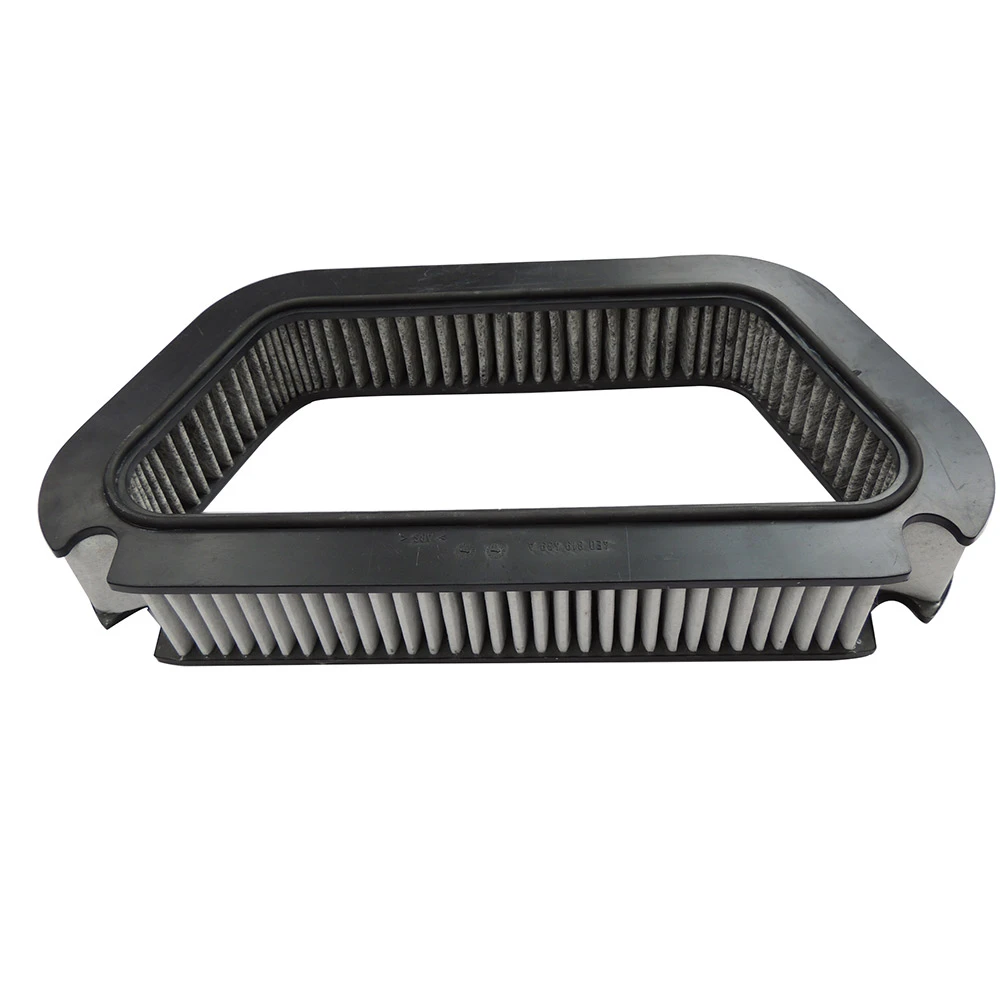
A car cabin filter is a replaceable component that traps pollutants before they enter the passenger compartment through the heating, ventilation, and air conditioning (HVAC) system. When we talk about how often to change car cabin filter, we’re essentially asking: “How frequently should you replace this filter to keep air quality optimal and the system running smoothly?”
Manufacturers generally recommend replacing cabin filters every 12,000 to 15,000 miles (approximately 19,000 to 24,000 kilometers) or once a year — whichever comes first. But these guidelines vary depending on vehicle type, driving environment, and even unexpected events like dust storms or forest fires.
This seemingly simple question directly ties into modern challenges around public health (clean indoor air), sustainability (efficient resource use), and vehicle maintenance.
Mini takeaway:
Changing your cabin filter is not a ‘set it and forget it’ task. It requires attention to mileage, environment, and vehicle-specific factors.
Key Factors Influencing How Often to Change Car Cabin Filter
1. Environmental Conditions
Driving in urban areas with heavy pollution? Expect your filter to clog faster. Rural areas with dirt roads bring in dust and pollen. Coastal zones might add salt particles. Each environment changes the filter lifespan.
2. Vehicle Usage and Mileage
Higher mileage equals more air processed through the system, leading to faster filter degradation. Short trips versus long highway cruising also impact filter wear differently.
3. Filter Material Quality
Some filters use activated carbon or electrostatic fibers to trap finer particulates and odors. These higher-grade filters can sometimes last longer and perform better but might come at a premium.
4. Manufacturer Guidelines and Vehicle Models
Different cars have different designs and filter locations. Some vehicles allow easier inspection and replacement than others, influencing practical maintenance frequency.
5. Seasonality and Allergies
Spring pollen season, for instance, demands more frequent changes if you’re allergy-prone.
6. Driving Habits
Windows open often or recirculation mode — these user habits affect how quickly cabin filters accumulate contaminants.
Mini takeaway:
Your car’s cabin filter life depends on a handful of real-world factors, not just a timer or odometer.
Global Applications & Who Benefits Most?
From city taxis in New York and London to delivery vans in Mumbai, a properly maintained cabin filter is vital. In desert regions like the Middle East, sandstorms rapidly clog filters, necessitating more frequent changes.
Even NGOs deploying vehicles for disaster relief in wildfire zones have started emphasizing cabin filter upkeep to protect drivers from harmful smoke inhalation. On the flip side, ride-sharing drivers benefit from improved passenger comfort and sanitized air.
Large fleet operators — think logistics companies or municipal transport — are increasingly adopting proactive filter change schedules to maximize vehicle uptime and protect workers’ health.
Mini takeaway:
Whether it’s urban taxis or off-road aid trucks, changing cabin filters on time improves health, comfort, and operational efficiency worldwide.
Advantages & Long-Term Value: More Than Just Fresh Air
- Health: Reduced allergens, dust, and airborne bacteria mean fewer headaches, respiratory issues, and allergies.
- Cost savings: Avoid HVAC system strain and expensive repairs from neglect.
- Environmental impact: Efficient filters use less vehicle energy to push air through, lowering fuel consumption slightly.
- Resale value: Drivers report smoother ventilation systems contribute to better vehicle valuation.
- Peace of mind: Knowing you’re breathing cleaner air on every trip really matters — for families especially.
What Does a Typical Car Cabin Filter Specification Look Like?
| Specification | Typical Value / Range |
|---|---|
| Application | Automotive HVAC system |
| Material | Non-woven synthetic fibers, activated carbon (optional) |
| Efficiency (PM2.5 filtration) | Up to 85-95% |
| Lifespan | 12,000-15,000 miles or 1 year |
| Common sizes | Vary based on vehicle (approx. 8"x8" to 12"x9") |
| Price range | $10-$40 depending on quality/type |
Vendor Comparison: Top Cabin Filter Brands at a Glance
| Brand | Filter Type | Average Lifespan | Price Range | Special Features |
|---|---|---|---|---|
| Bosch | Activated Carbon | 15,000 miles | $25-$35 | High filtration efficiency; Odor reduction |
| FRAM | Standard Synthetic | 12,000 miles | $10-$20 | Affordable; Easy to install |
| Mann-Filter | High Efficiency Particulate Air (HEPA) | 18,000 miles | $30-$40 | Superior dust and allergen trapping |
| Purolator | Premium Activated Carbon | 15,000 miles | $20-$30 | Odor reduction; Particle filtration |
Emerging Trends and Innovations
Automotive cabin filters aren’t exactly a new concept, but innovation continues quietly beneath the surface. We’re seeing more filters made with sustainable, biodegradable materials that break the mold of synthetic plastics.
Some brands experiment with smart filters embedded with sensors that alert you when replacement is due — no guesswork necessary. Also, greener manufacturing processes and enhanced filter layers trap ultra-fine PM1 particles better — crucial for combating emerging air pollution data.
With more electric and hybrid vehicles on the road, engineers are redesigning ventilation systems to work efficiently with advanced filters that contribute to overall sustainability efforts.
Common Challenges & Insights to Overcome Them
- Neglect & Lack of Awareness: Many drivers haven’t heard about cabin filter maintenance — a simple outreach at dealership or service points could change behavior.
- Access & Replacement Difficulty: Older vehicles or certain models have filters tucked away awkwardly, discouraging timely changes.
- Cost vs Benefit Perception: Some consumers see filter replacement as an unnecessary expense.
Luckily, the solutions don’t need to be complicated. Better education (like this article, hopefully), easier aftermarket parts, and affordable quality filters make it easier every year. Trusted service centers also remind you during regular maintenance checks.
FAQ: Frequently Asked Questions About How Often to Change Car Cabin Filter
Q1: How can I tell if my car’s cabin filter needs changing earlier than usual?
A1: Common signs include reduced airflow from vents, unpleasant odors, increased dust inside the car, or allergy symptoms while driving. If you experience these, it’s wise to inspect or replace the filter regardless of miles.
Q2: Is it okay to drive without a cabin filter?
A2: Driving without a cabin filter isn’t recommended as it allows dust, pollen, and debris to enter the HVAC system, potentially damaging it and exposing passengers to pollutants.
Q3: Can I clean and reuse my car cabin filter?
A3: Most cabin filters are designed for replacement, not cleaning. Attempting to clean may damage filter media or reduce effectiveness. Some reusable models exist but are rare.
Q4: Does filter replacement frequency change if I use recirculation mode?
A4: Using recirculation mode reduces intake of outside air, so filters may clog more slowly. However, regular replacement is still important to maintain air quality.
Q5: Where can I find guidance on my specific vehicle’s recommended cabin filter change intervals?
A5: Your vehicle’s owner manual is the best source. Additionally, websites like how often to change car cabin filter offer model-specific advice and product options.
Conclusion: Breathing Easier, One Filter at a Time
In the grand scheme of vehicle maintenance, cabin filters might not get the spotlight, but their role is nothing short of vital. Knowing how often to change car cabin filter protects you from harmful pollutants, saves you money on repairs, and enhances every drive—whether it’s a daily urban commute or a weekend road trip.
Don’t wait until you’re sneezing behind the wheel or the heater blows dust clouds. Stay proactive, check your filter regularly, and replace according to your environment and vehicle needs.
For detailed guides, product recommendations, and tailored advice, visit our website: https://www.jyfilter.com
References
-
Guide on how often do you need to replace engine air filterNewsApr.16,2026
-
Learn how often do you replace air filter in car for engine healthNewsApr.09,2026
-
How Often Do You Replace Car Air Filter For Optimal Engine PerformanceNewsApr.07,2026
-
How Often Do You Replace Engine Air Filter For Optimal Vehicle PerformanceNewsApr.04,2026
-
Understanding How Often Does Engine Air Filter Need to Be Replaced for Optimal PerformanceNewsMar.31,2026
-
How Often Engine Air Filter Change Impacts Performance and LongevityNewsMar.28,2026
-
Understanding How Often to Replace Your Car Air Filter for Optimal PerformanceNewsMar.26,2026
Related Products