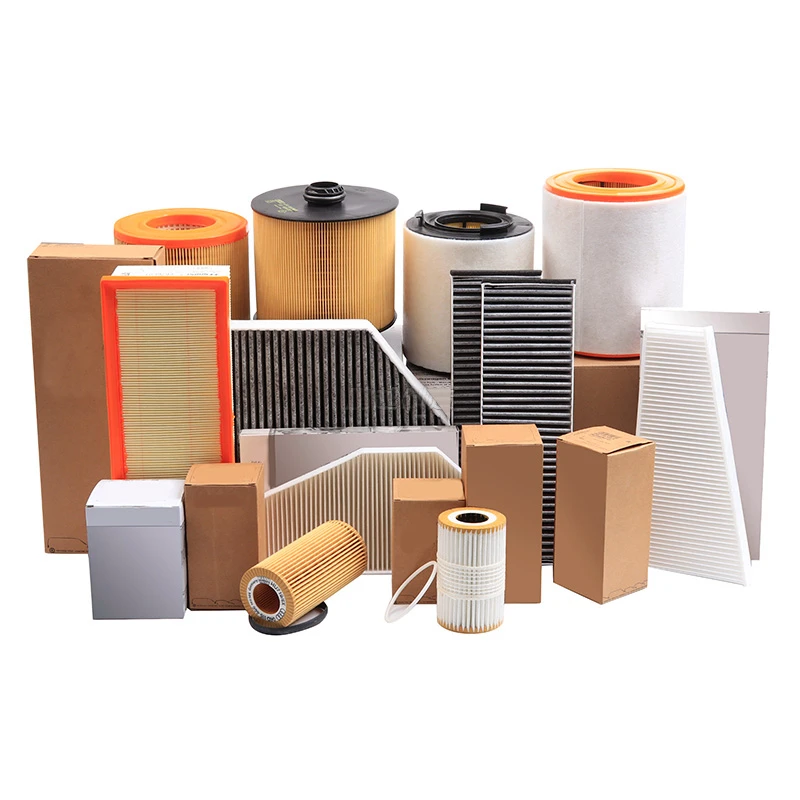
Understanding How Often to Change Cabin Air Filter in Car: Why It Matters Globally
Car cabin air filters might seem like one of those mundane parts folks rarely think about, but honestly, their role is crucial — especially in today’s world where pollution and air quality increasingly shape our driving experience. Knowing how often to change cabin air filter in car isn't just about keeping odors away; it’s about safeguarding health, improving comfort, and even reducing fuel consumption on a tiny but significant level.
Globally, vehicle emissions and urban particulate pollution are a growing concern, with organizations such as the World Health Organization pointing out that millions suffer respiratory issues linked to poor air quality. Your car’s cabin air filter filters out dust, pollen, smog, and even microbes — essentially acting as a personal air purifier on wheels. So, knowing when and how to replace it can improve indoor air quality and driver well-being worldwide.
Mini takeaway: Cabin air filter upkeep isn’t just automotive housekeeping; it’s a small but powerful step toward healthier daily rides — wherever you are on the globe.
How Often to Change Cabin Air Filter in Car? Defining the Essentials
Simply put, how often to change cabin air filter in car relates to the recommended intervals (usually miles driven or months elapsed) to swap out an old, clogged filter for a fresh one. Most manufacturers suggest a replacement every 12,000 to 15,000 miles or once a year, whichever comes first, but the real interval varies depending on environment.
In cities with heavy pollution or dusty rural roads, filters get saturated much faster. Functionally, they keep pollen, dust, soot, and spores from entering your car’s HVAC system, meaning when you inhale, it’s cleaner air doing the work inside your lungs. In other words, this small component has big relevance to modern health, comfort, and vehicle efficiency.
Mini takeaway: Cabin air filter replacement frequency is flexible — but ignoring it can short-circuit your car’s air quality and comfort.
Factors Affecting Replacement Frequency
- Driving environment: Dusty, polluted areas escalate degradation.
- Driver sensitivity: Allergies or respiratory concerns may prompt quicker changes.
- Filter quality: High-grade filters typically last longer and filter better.
- Vehicle model and usage: Some cars or heavy use may shorten filter life.
The Core Components Influencing Cabin Air Filter Replacement
1. Filter Durability and Design
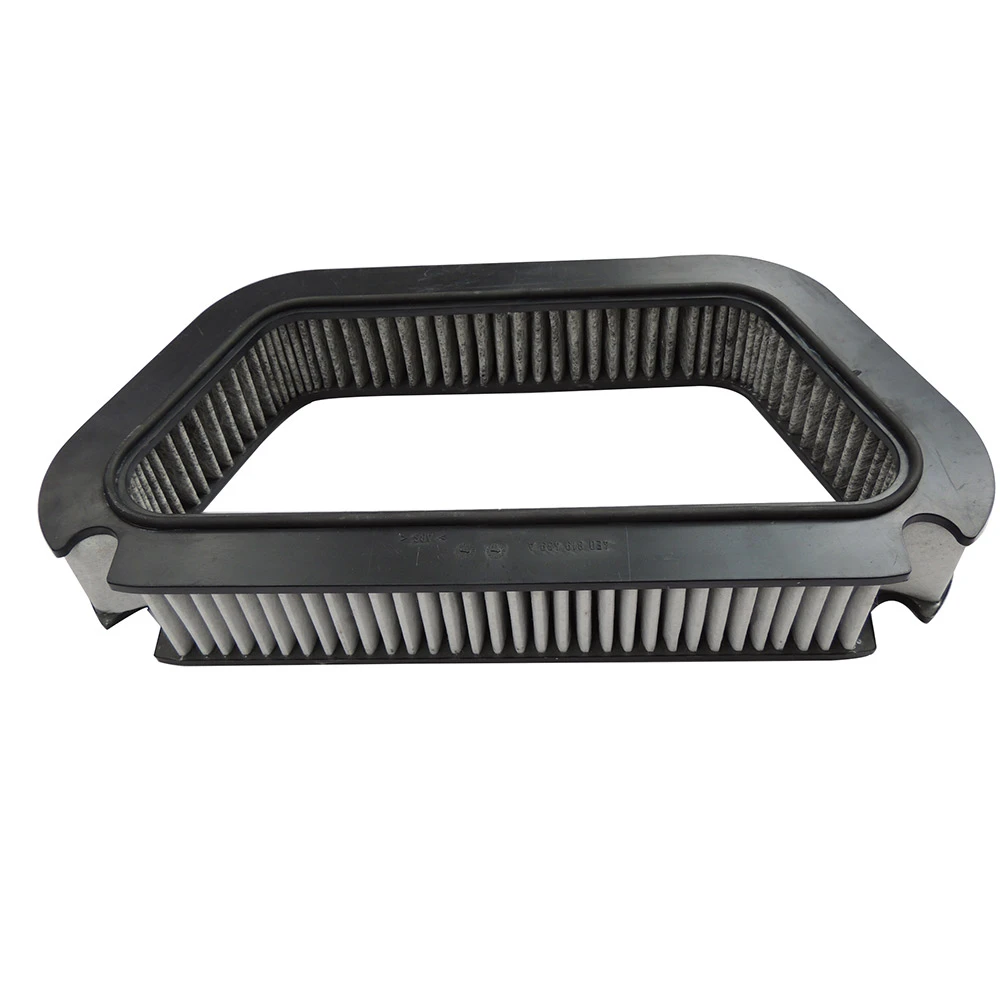
The materials used—be it paper, carbon, or HEPA filters—directly impact how efficiently particles get trapped. Some newer filters also use anti-microbial coatings. It feels like those subtle improvements make a big difference in lifespan.
2. Environmental Conditions
In industrial zones or regions with wildfires, the filter may clog within a few thousand miles, while countryside drivers could stretch replacements longer.
3. Air Quality and Pollution Levels
Urban drivers battling smog, traffic fumes, and constant dust exposure need to be especially vigilant. Air quality indexes can guide replacement timing too.
4. Driving Habits
Short trips where the engine doesn’t warm fully often, or driving with windows down on dusty roads can hasten filter wear.
5. Filter Maintenance Practices
Some filters allow light cleaning, but many require full replacement. Neglecting this can cause mold buildup or hinder ventilation.
Global Applications: Where and How Cabin Air Filter Replacement is Critical
In cities like Beijing, Mexico City, or Delhi, drivers practically rely on cabin air filters to fend off hazardous smog and fine particulate matter during daily commutes. Public transportation fleets and ride-share companies also benefit — regularly replacing filters helps maintain passenger comfort and limits sick days.
Moreover, emergency vehicles and field workers operating near wildfires or dust storms depend on efficient cabin air filters for protective breathing environments inside vehicles. That extends to humanitarian efforts in disaster zones, where clean air becomes even more crucial behind the wheel.
Mini takeaway: Whether it’s an everyday commuter or an emergency responder, filter upkeep bridges global health and vehicle performance in urban and rural settings alike.
Advantages of Timely Cabin Air Filter Replacement: Safety, Cost, and Comfort
- Improved air quality: Filtering allergens and pollutants protects passengers.
- Enhanced HVAC performance: Clean filters allow better airflow, reducing strain and saving fuel.
- Odor reduction: Mold and bacteria can accumulate in old filters, causing unpleasant smells.
- Cost savings: Replacing filters on time can prevent costly repairs of the HVAC system.
- Health benefits: Particularly important for asthma sufferers or allergy-prone individuals.
It’s funny how something so small can add up to so much comfort and well-being. Many drivers admit they notice fresher air almost immediately after a filter change.
Cabin Air Filter Replacement: Looking Ahead to Future Trends
Technology in cabin air filters is evolving. We’re seeing a rise in smart filters with sensors alerting drivers via onboard systems or smartphone apps when replacement is due. Some use nanofiber technology for finer filtration without sacrificing airflow.
Additionally, green standards and sustainability efforts push manufacturers to use recyclable materials or filters that last longer while maintaining filtration efficiency. In the broader automotive shift towards electric and autonomous vehicles, indoor air quality remains a top priority — because, let’s face it, drivers will demand superior comfort in future rides.
Common Challenges and How to Tackle Them
One pesky issue is recognizing when the filter truly needs changing. Visual inspection isn’t always reliable, and some filters don’t come with built-in indicators. Also, misinformation about replacement intervals causes both premature changes (wasting money) or ignoring clogged filters (risking health and mechanical damage).
Experts suggest consulting your vehicle’s manual, combined with professional inspection, or using apps connected to sensors that track filter condition based on driving habits and environment — how often to change cabin air filter in car related tech keeps getting smarter.
Product Specification Table: Typical Cabin Air Filter Features
| Specification | Description |
|---|---|
| Material | Paper Fiber / Carbon Activated / HEPA |
| Efficiency | Filters particles ≥ 5 microns (standard), 0.3 microns (HEPA) |
| Recommended Replacement Interval | 12,000–15,000 miles / 12 months |
| Fitment | Vehicle-specific, universal options available |
| Additional Features | Anti-microbial coating, activated charcoal odor removal |
Vendor Comparison: Cabin Air Filter Options
| Brand | Filter Type | Price Range | Average Lifespan | Unique Selling Point |
|---|---|---|---|---|
| PremiumAir | HEPA + Carbon | $30–40 | 15,000 miles | Superior micro-particle filtration |
| EcoFilter | Recyclable Paper | $15–25 | 12,000 miles | Sustainable materials, budget-friendly |
| AutoPure | Activated Carbon | $20–30 | 13,000 miles | Odor elimination and anti-bacterial layer |
FAQ: Common Questions About How Often to Change Cabin Air Filter in Car
- How do I know when my cabin air filter needs changing?
- If your airflow in the car decreases, you notice musty odors, or if it’s been over 12,000 miles or a year, it’s time. Visual checking can help but isn’t always reliable. Sensor-equipped vehicles may alert you automatically.
- Can I drive with a dirty cabin air filter without issues?
- Driving with a clogged filter reduces air quality, strains your HVAC system, and can allow mold or bacteria buildup. It’s not immediately dangerous but can cause discomfort and possible health risks over time.
- Are all cabin air filters the same size and shape?
- No, filters vary by vehicle model and manufacturer. It’s vital to get a compatible filter to ensure proper fit and function. Universal options exist but might compromise performance.
- Can I clean a cabin air filter instead of replacing it?
- Some filters can be lightly vacuumed or tapped to dislodge debris, but most paper-based filters need replacement. Reusable or washable filters exist but are less common and usually come as aftermarket parts.
- Does constantly changing filters increase costs unnecessarily?
- Changing too often might seem wasteful but keeps your car’s climate control efficient and saves money by avoiding damage. Following manufacturer guidelines and environmental considerations is best.
Conclusion: Keep Your Ride Fresh and Safe with Timely Cabin Air Filter Changes
In sum, regularly changing your cabin air filter is an often-overlooked but highly impactful maintenance task that contributes to better air quality, driver health, and vehicle longevity. Across the globe, whether urban or rural, people benefit from fresher air and a more efficient HVAC system. So, next time you wonder how often to change cabin air filter in car, remember—it's not just a filter; it’s your car’s breath of fresh air.
Want to learn more or find the perfect filter for your vehicle? Visit our website at https://www.jyfilter.com.
References:
-
Guide on how often do you need to replace engine air filterNewsApr.16,2026
-
Learn how often do you replace air filter in car for engine healthNewsApr.09,2026
-
How Often Do You Replace Car Air Filter For Optimal Engine PerformanceNewsApr.07,2026
-
How Often Do You Replace Engine Air Filter For Optimal Vehicle PerformanceNewsApr.04,2026
-
Understanding How Often Does Engine Air Filter Need to Be Replaced for Optimal PerformanceNewsMar.31,2026
-
How Often Engine Air Filter Change Impacts Performance and LongevityNewsMar.28,2026
-
Understanding How Often to Replace Your Car Air Filter for Optimal PerformanceNewsMar.26,2026
Related Products