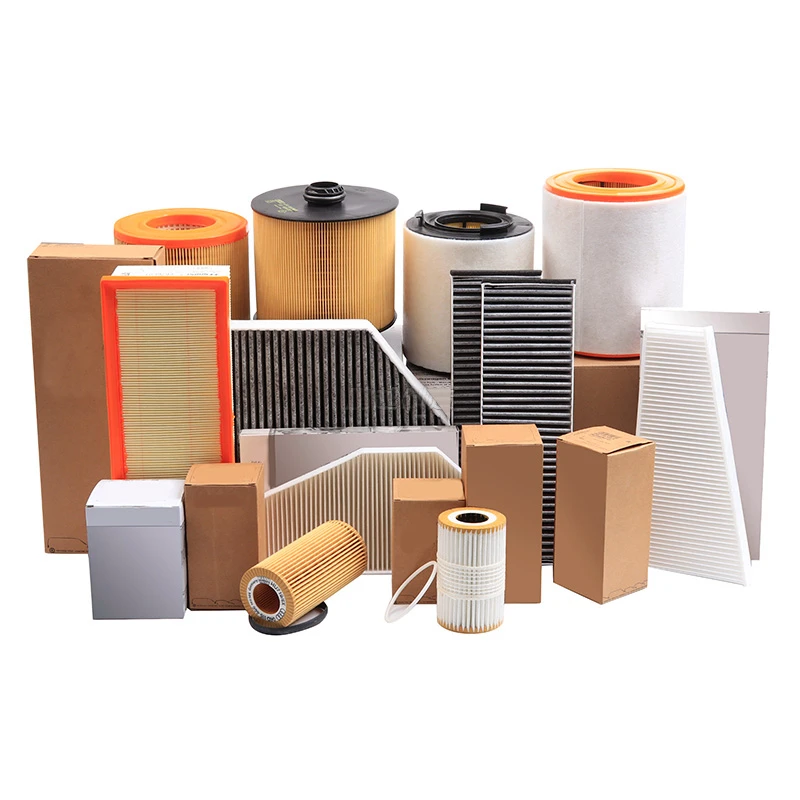
Why Understanding How Often to Change Auto Air Filters Matters Worldwide
We often overlook tiny components like air filters in cars, yet they literally breathe life into your engine's performance and longevity. How often to change auto air filter isn't just a mundane maintenance tip—it touches on global concerns like air quality, fuel consumption, and engine efficiency that ripple into environmental sustainability. Understanding this simple act helps car owners save money, reduce emissions, and protect their vehicles, which, in turn, affects air pollution levels worldwide.
Global Context: The Bigger Picture Behind Air Filter Maintenance
The global vehicle fleet is expected to surpass 2 billion by 2040, according to the International Energy Agency (IEA). This growth means more engines burning more fuel, making every maintenance step, including how often to change auto air filter, critical to minimizing harmful emissions. The ISO’s engine standards also emphasize clean air intake as essential for optimized engine function. Yet, there’s a common challenge: many drivers neglect this simple yet vital task, leading to clogged filters, reduced mileage, and increased pollutants. It feels paradoxical—a tiny filter can influence something as big as global air quality!
What Does “How Often to Change Auto Air Filter” Actually Mean?
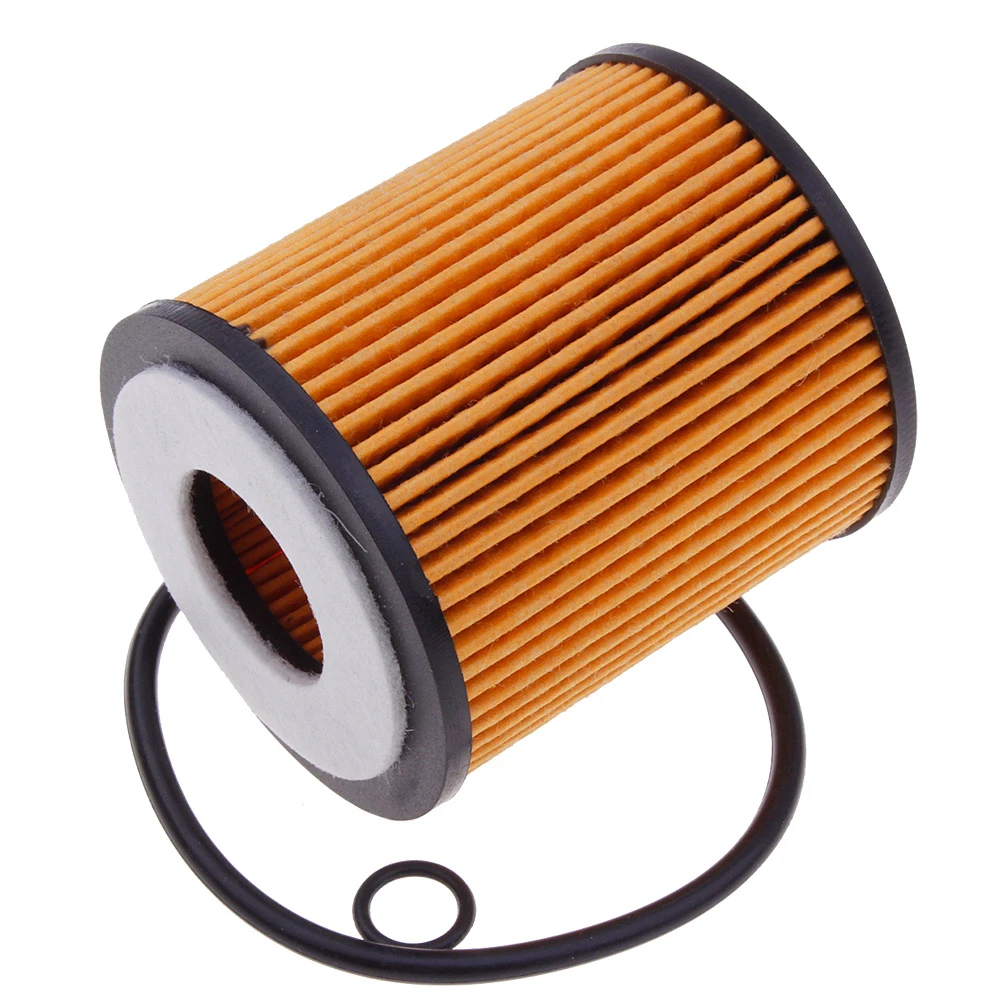
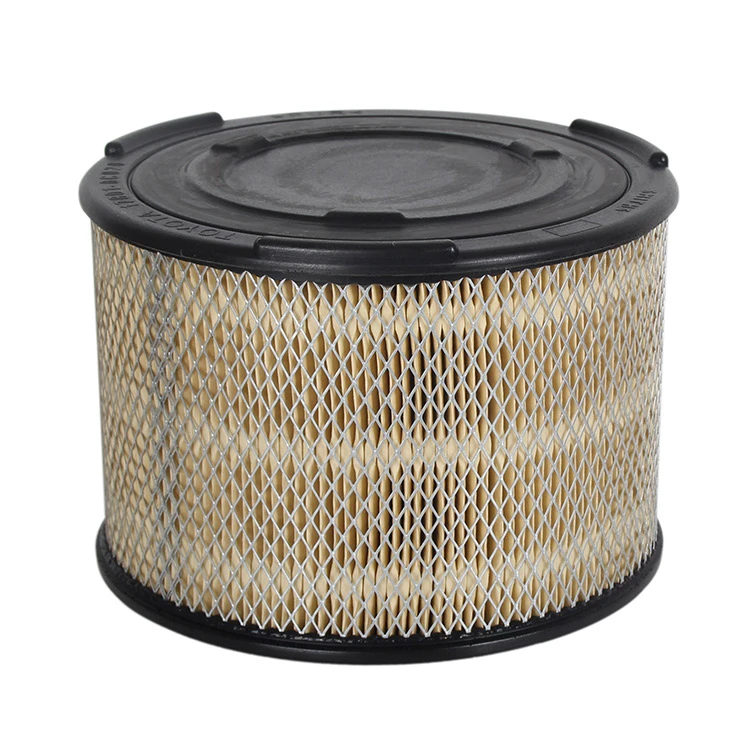
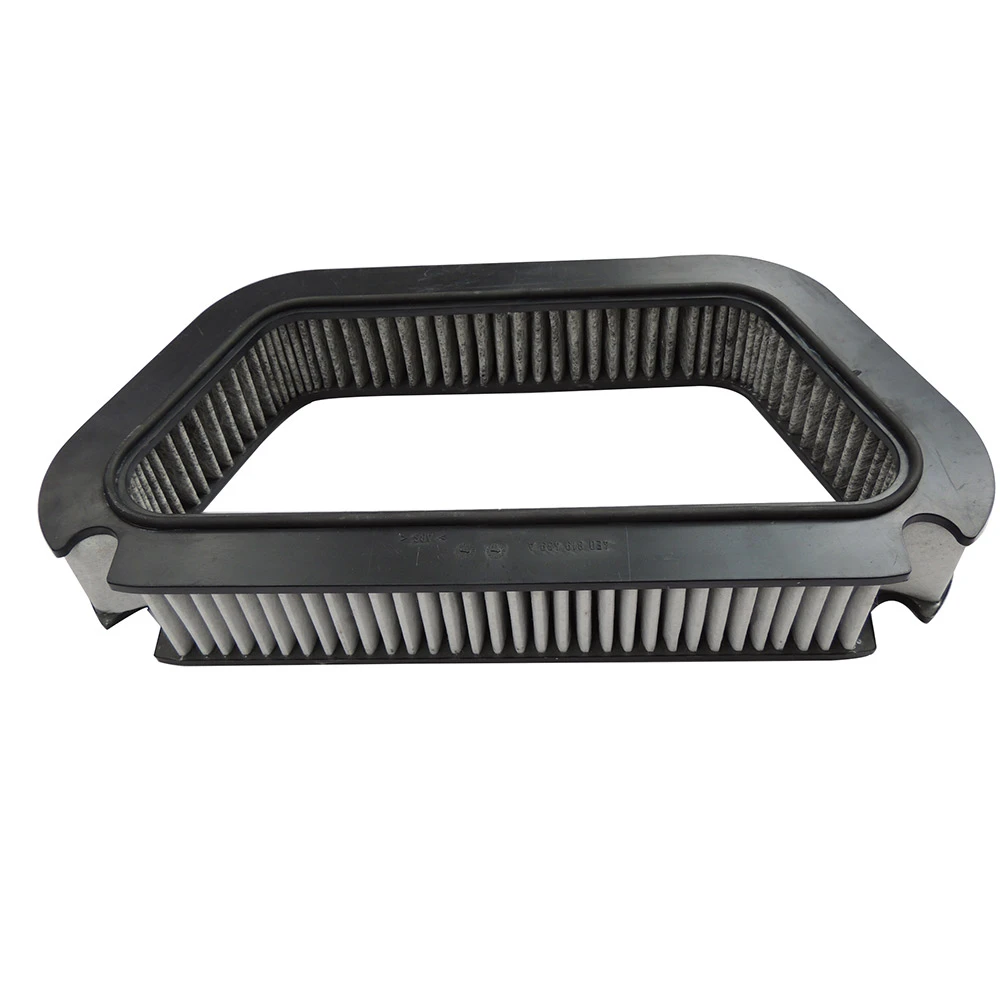
At its core, the phrase refers to the recommended interval—usually measured in miles or time—that a vehicle’s air filter should be replaced. Air filters trap dust, pollen, dirt, and other particulates from entering the engine's combustion chamber. If ignored, these contaminants degrade engine parts and burn efficiency. On a broader scale, this maintenance ties to modern industry by reducing pollutants and extending engine life, key factors in both commercial and humanitarian transportation sectors.
Mini Takeaway:
Simply put, changing your air filter on schedule means cleaner engines and cleaner air—no rocket science, but definitely world-impacting.
Key Factors Influencing How Often to Change Auto Air Filters
1. Driving Environment
If you’re cruising mostly on smooth highways, your air filter might last longer. Conversely, dusty rural roads or urban pollution can clog filters faster. Think of it as comparing a city smoker's lungs to a mountain air hiker's!
2. Vehicle Type and Engine Size
Larger engines taking in more air may require more frequent filter changes. Also, high-performance engines are more sensitive to airflow restrictions.
3. Filter Material and Technology
Paper filters are common but limited in lifespan. Newer synthetic or cotton-gauze types often last longer and filter better but can be pricier.
4. Manufacturer Recommendations
Experts and OEMs usually set guidelines—often between 12,000 to 15,000 miles or annually. Deviating too far can risk engine health.
5. Driving Habits
Aggressive driving or frequent stop-and-go can influence how dusty or demanding the intake air environment becomes.
Mini Takeaway:
How often to change auto air filter is less one-size-fits-all, more a mix of where and how you drive, the vehicle’s needs, and filter tech.
Global Applications and Real-World Use Cases
Practical implications span from everyday commuters in congested cities of Asia to humanitarian convoys delivering aid in dust-plagued African rural zones. For instance, UN vehicles in Saharan regions may have to change filters every few thousand miles due to sandstorms, while European fleet vehicles might manage with less frequent changes. Industrial zones also rely heavily on clean automotive engines to meet strict environmental compliance. Automotive rental fleets in tourism hotspots adjust filter replacement schedules to optimize customer vehicle reliability.
Mini Takeaway:
Whether in busy metropolises, industrial zones, or barren deserts, the rule remains: timely filter changes protect engines and contribute to cleaner global air.
Advantages and Long-Term Value of Timely Filter Changes
- Improved Fuel Efficiency: Cleaner air intake means better combustion and, therefore, better mileage.
- Reduced Emissions: Less particulate matter escaping means a healthier environment.
- Engine Longevity: Prevents damage from dirt entering the combustion chamber, avoiding costly repairs.
- Safety and Reliability: A well-maintained filter reduces stalling, making driving safer and less stressful.
From a human perspective, it’s reassuring to know a simple act like scheduled filter replacement can sustain the dignity of a long-lasting vehicle that won’t leave you stranded, all while doing your bit for cleaner air.
Product Specification Table: Typical Auto Air Filter Attributes
| Specification | Typical Range | Remarks |
|---|---|---|
| Filter Material | Paper, Synthetic, Cotton | Synthetic lasts longer but costs more |
| Recommended Lifespan | 12,000–15,000 miles (19,000–24,000 km) | Depends on driving conditions |
| Filtration Efficiency | 85% - 98% | Higher efficiency = cleaner airflow |
| Size | Varies by vehicle model | OEM or aftermarket alternatives |
| Eco-Friendliness | Biodegradable options available | Growing trend in green materials |
Comparing Vendors: Air Filter Providers at a Glance
| Vendor | Filter Types Offered | Price Range (USD) | Warranty | Notable Features |
|---|---|---|---|---|
| FilterPro | Paper, Synthetic | $12 - $25 | 12 months | Wide model range, eco options |
| AirClear | Cotton, Synthetic | $20 - $40 | 18 months | Washable filters, performance focus |
| EcoFilterTech | Biodegradable Paper | $15 - $30 | 12 months | Focus on sustainability |
Future Trends in Auto Air Filter Replacement
Looking ahead, the industry is leaning into smart filters embedded with sensors measuring clog level in real time, reducing guesswork about how often to change auto air filter. Together with advances in biodegradable and reusable materials, plus automation in vehicle maintenance scheduling, we can expect significant improvements in sustainability and convenience. Electric vehicles, of course, may change the landscape by eliminating air filters entirely—or so some say, though hybrids still rely on combustion engines that need their filters cared for.
Challenges and Solutions in Auto Air Filter Maintenance
The main issue is often neglect—drivers miss replacement windows due to poor awareness or inconvenience. Additionally, low-quality aftermarket filters can provide a false sense of security but fail prematurely. Education campaigns like those from the EPA and auto industry help, but frankly, it’s a slow shift in habits. Smart reminder apps, quick DIY tutorials, and better filter durability might tackle these issues. Oddly enough, even the toughest environments find solutions by using heavy-duty filters designed for sandy or industrial areas.
FAQ: Common Questions On How Often to Change Auto Air Filter
- How do I know if my air filter needs changing?
- If you notice reduced engine performance, decreased fuel efficiency, or your manufacturer’s recommended mileage has passed, it’s time to check. You can also visually inspect the filter for dirt buildup.
- Is it okay to clean and reuse my air filter?
- Some cotton or synthetic filters are washable and reusable, but paper filters are not. Always check manufacturer instructions before attempting cleaning.
- Can driving in urban areas increase how often I should replace my auto air filter?
- Yes. Urban pollution and frequent idling can clog filters faster, so intervals may need to be shorter than in rural driving.
- What happens if I wait too long to change the filter?
- A clogged filter restricts airflow, reducing engine power, increasing fuel consumption, and potentially causing engine damage over time.
Wrapping Up: Why Timely Change of Your Auto Air Filter Pays Off
Understanding how often to change auto air filter isn’t just a maintenance mandate — it’s a smart choice that offers lasting benefits for your wallet, your car’s health, and the planet. It's comforting, in a way, to know that something so straightforward helps keep complex machines running smoothly across the world.
Curious for more tips about vehicle care? Drop by how often to change auto air filter for detailed guides and product recommendations.
References:
-
Guide on how often do you need to replace engine air filterNewsApr.16,2026
-
Learn how often do you replace air filter in car for engine healthNewsApr.09,2026
-
How Often Do You Replace Car Air Filter For Optimal Engine PerformanceNewsApr.07,2026
-
How Often Do You Replace Engine Air Filter For Optimal Vehicle PerformanceNewsApr.04,2026
-
Understanding How Often Does Engine Air Filter Need to Be Replaced for Optimal PerformanceNewsMar.31,2026
-
How Often Engine Air Filter Change Impacts Performance and LongevityNewsMar.28,2026
-
Understanding How Often to Replace Your Car Air Filter for Optimal PerformanceNewsMar.26,2026
Related Products