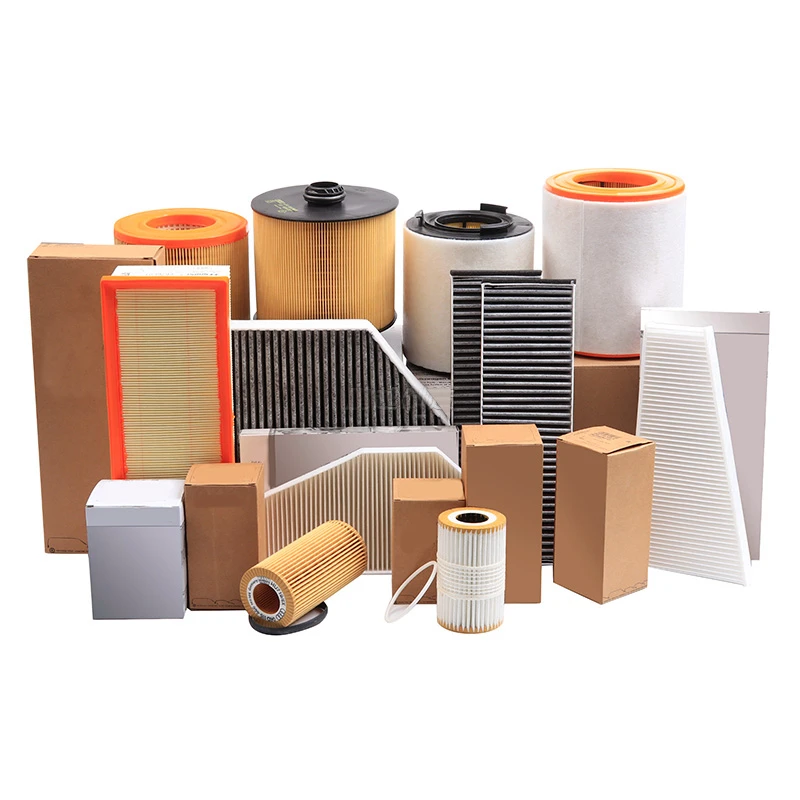
How Often Should You Change an Air Filter in Your Car?
If you’ve ever found yourself under the hood wondering about that little, often overlooked component — the air filter — you’re definitely not alone. As someone who’s spent years in the industrial equipment sector, I can say the air filter in car truly is the unsung hero of your vehicle’s health. Oddly enough, despite its humble appearance, it plays a crucial role in engine performance and longevity.
So, how often should you be changing it? Well, the short answer is: it depends. But if you’re after a ballpark figure, many mechanics recommend every 12,000 to 15,000 miles — or roughly once a year if you’re an average driver. Yet, it’s not one-size-fits-all. Here’s the catch: environmental conditions heavily influence the rate at which your filter clogs up.
For example, if you drive mostly in dusty or urban areas with heavy pollution, the air filter has to work overtime. In those cases, frequent checks and changes every 6,000 to 10,000 miles might be necessary. I recall inspecting a vehicle used on a construction site where the filter was nearly blackened and blocked just after 7,000 miles — that’s a lot of grit and debris it was having to fend off.
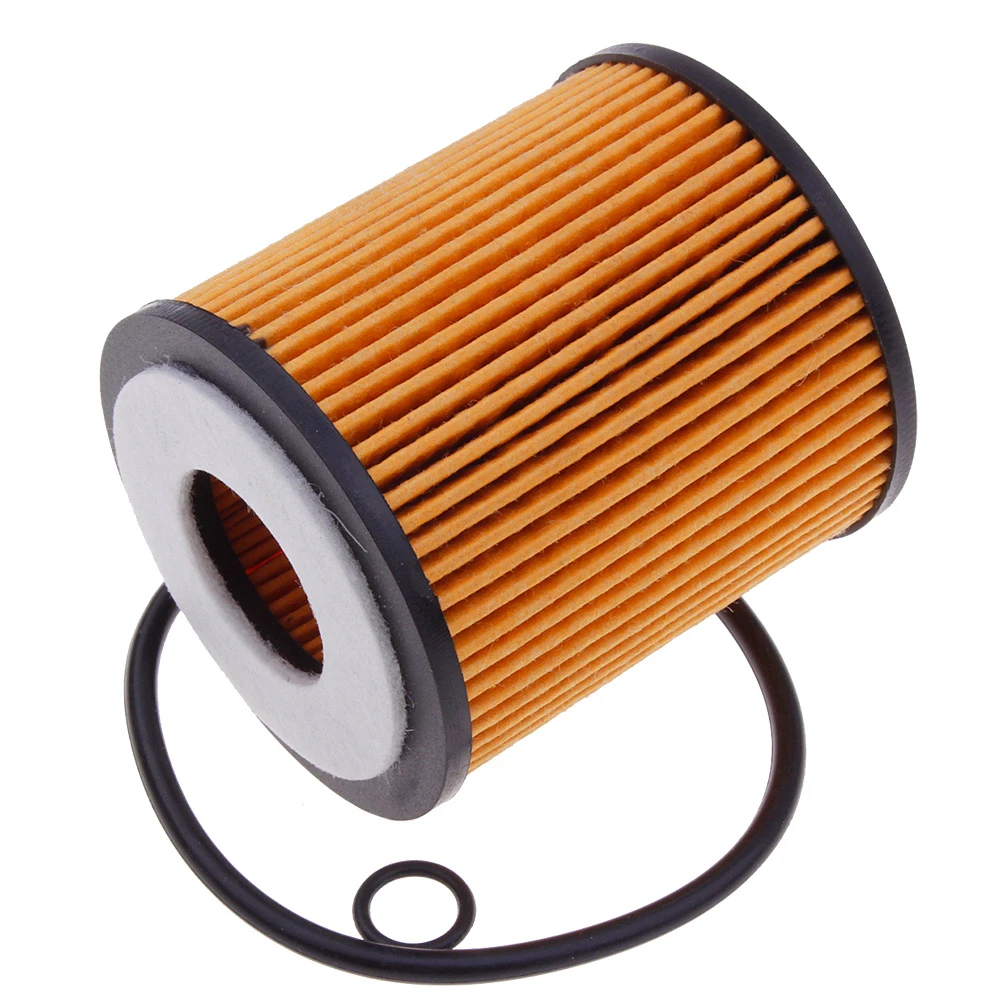
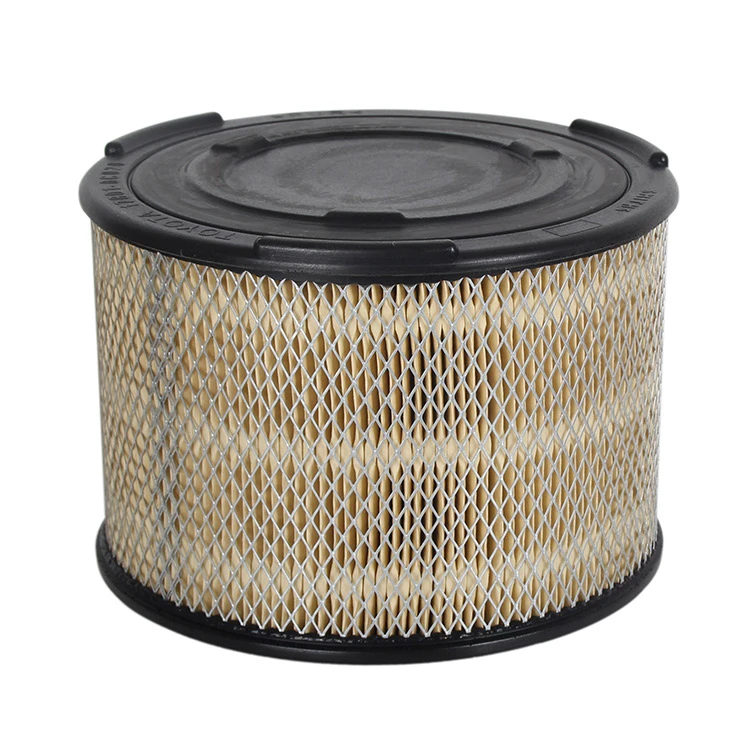
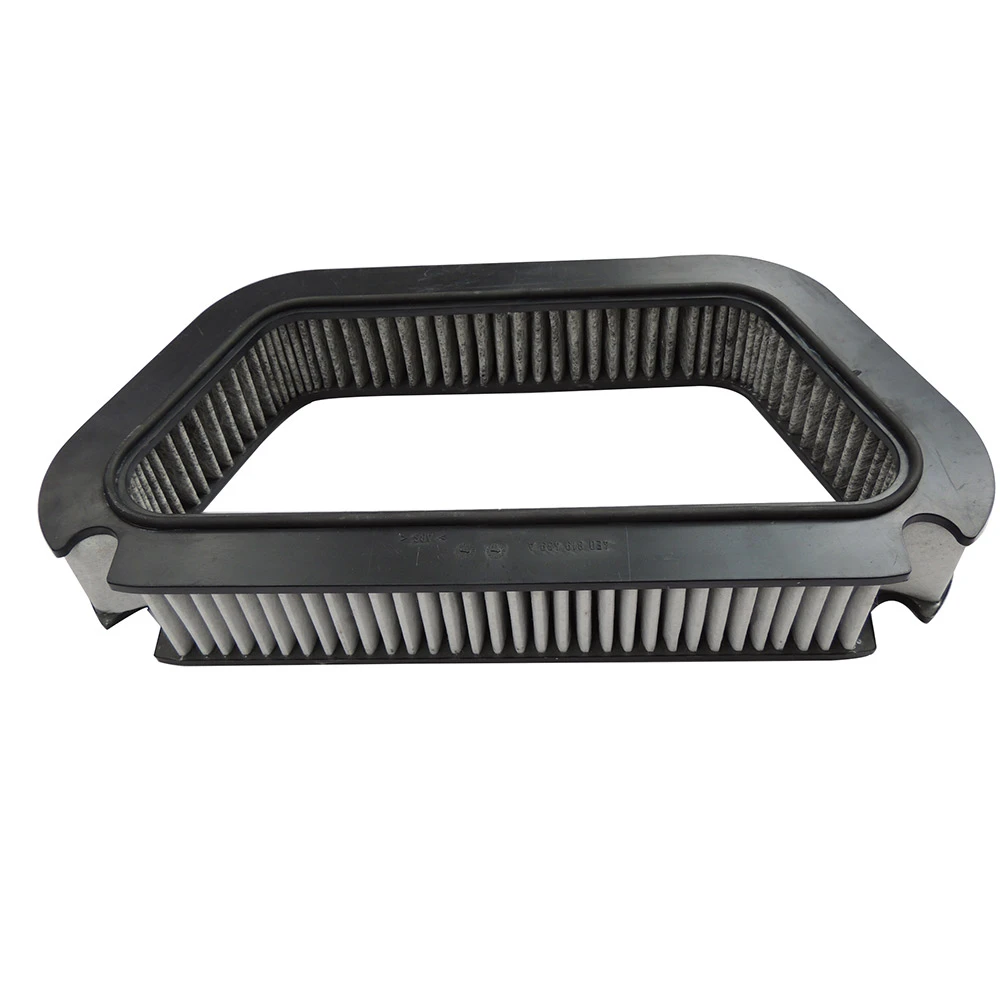
On the flip side, if you’re mostly cruising highways in less polluted areas, your air filter will typically last longer. The material and design also matter — many modern filters use pleated paper combined with synthetic fibers to catch smaller particles while allowing ample airflow for combustion.
It’s worthwhile mentioning that some premium or reusable filters, like those treated with oil or crafted from cotton gauze, can offer more filtration efficiency and longer service intervals. But they come at a higher upfront cost and usually require proper cleaning methods. For most drivers, a reliable paper filter from a trusted vendor will do the trick.
| Spec | Typical Value |
|---|---|
| Filter Type | Pleated Paper / Synthetic Blend |
| Service Interval | 12,000 - 15,000 miles (avg.) |
| Dimensions (typical) | 9-12 inches length, 6-9 inches width |
| Filtration Efficiency | Up to 98% for particles >10 microns |
| Material | Cellulose fibers / Synthetic layers |
Now, talking about suppliers — not all filters are created equal. I’ve worked with several brands over time. Some emphasize cost-efficiency; others prioritize filtration performance or durability. Here’s a quick glance at how a few popular vendors stack up in terms of price, lifespan, and customer recommendations.
| Vendor | Average Cost ($) | Typical Lifespan (miles) | Notes |
|---|---|---|---|
| JyFilter | 15 - 25 | 12,000 - 15,000 | Reliable, consistent quality, easy availability |
| FilterMax | 20 - 30 | 15,000 - 18,000 | Higher filtration; slightly pricier |
| AirPure | 10 - 18 | 10,000 - 12,000 | Budget-friendly; good for city driving |
It’s always worth reading product specs or even customer feedback when choosing your filter. Many engineers I've chatted with swear by sticking to OEM-grade parts, but frankly, the aftermarket has come a long way. Just keep an eye on certifications and filtration ratings.
Before I forget, a quick tip: when you’re changing the air filter, inspect the air box as well for dust or leaks—sometimes the problem can be external, not just the filter itself getting dirty. It feels like a small gesture, but it can make a difference in overall engine breathability.
In real terms, it doesn’t take more than a few minutes to swap this part out, and your engine will thank you — better fuel efficiency, smoother acceleration, and less wear on internal components are just some benefits.
One of my customers once told me they noticed a major improvement in throttle response right after a fresh filter installation, even though the old one looked only mildly dirty. Goes to show, the air filter’s job is a lot more delicate than it looks.
To wrap it up — keep tabs on your driving environment, check your air filter regularly, and don't hesitate to replace it a little earlier if conditions demand it. Your vehicle’s “lung health” depends on it.
Stay curious, and happy driving!
References
- Automotive Maintenance Standards, SAE International
- JyFilter Official Product Data Sheets, 2024
- Interviews with Automotive Engineers, 2023
-
Guide on how often do you need to replace engine air filterNewsApr.16,2026
-
Learn how often do you replace air filter in car for engine healthNewsApr.09,2026
-
How Often Do You Replace Car Air Filter For Optimal Engine PerformanceNewsApr.07,2026
-
How Often Do You Replace Engine Air Filter For Optimal Vehicle PerformanceNewsApr.04,2026
-
Understanding How Often Does Engine Air Filter Need to Be Replaced for Optimal PerformanceNewsMar.31,2026
-
How Often Engine Air Filter Change Impacts Performance and LongevityNewsMar.28,2026
-
Understanding How Often to Replace Your Car Air Filter for Optimal PerformanceNewsMar.26,2026
Related Products