Nov . 29, 2025 23:55
Back to list
Why Knowing How Often to Change Air Filter for Car Matters Globally
Change your car’s air filter often enough, and you might just save the planet (or at least your engine). Believe it or not, something as simple as an air filter change connects to broader issues — global fuel consumption, emissions, even public health. The World Bank estimates that transportation contributes nearly 24% of global CO₂ emissions, and a neglected or clogged air filter can reduce your car’s efficiency by up to 10%. Tackling “how often to change air filter for car” is not just a maintenance tip — it’s also a tiny, practical lever for lowering carbon footprints worldwide. Beyond saving fuel and trimming emissions, a clean air filter means cleaner air entering your engine, better combustion, less wear and tear, and potentially lower repair bills. Understanding when and why to swap your air filter helps car owners grow more sustainable and savvy, one 10-minute fix at a time.
Mini takeaway: Changing air filters regularly isn’t just good for your car; it’s a small but impactful step toward global sustainability and improved vehicle health.
The Global Context: How Often to Change Air Filter for Car, Why It’s Hard to Pinpoint
Here’s a kicker — despite how important the air filter is, there’s surprisingly no universal standard on "how often to change air filter for car." That’s mainly because driving conditions vary dramatically across regions: dusty deserts, bustling cities with smog, wet climates laden with pollen — these all affect filter life differently. According to ISO guidelines on automotive maintenance, air filters typically last between 12,000 and 15,000 miles (around 19,000 to 24,000 km), but this is a rough estimate. The International Energy Agency (IEA) notes that efficient maintenance of vehicles is critical for reducing emissions. Poor maintenance, including overdue air filter changes, can increase fuel consumption by 10–15%. So, knowing exactly when to switch your filter isn’t just a guess; it’s a practical challenge that drivers worldwide are dealing with — and manufacturers, dealers, and mechanics take seriously.
Mini takeaway: The question ‘how often to change air filter for car’ lacks a one-size-fits-all answer, but is vital to reduce emissions and improve vehicle efficiency globally.
What Does 'How Often to Change Air Filter for Car' Really Mean?
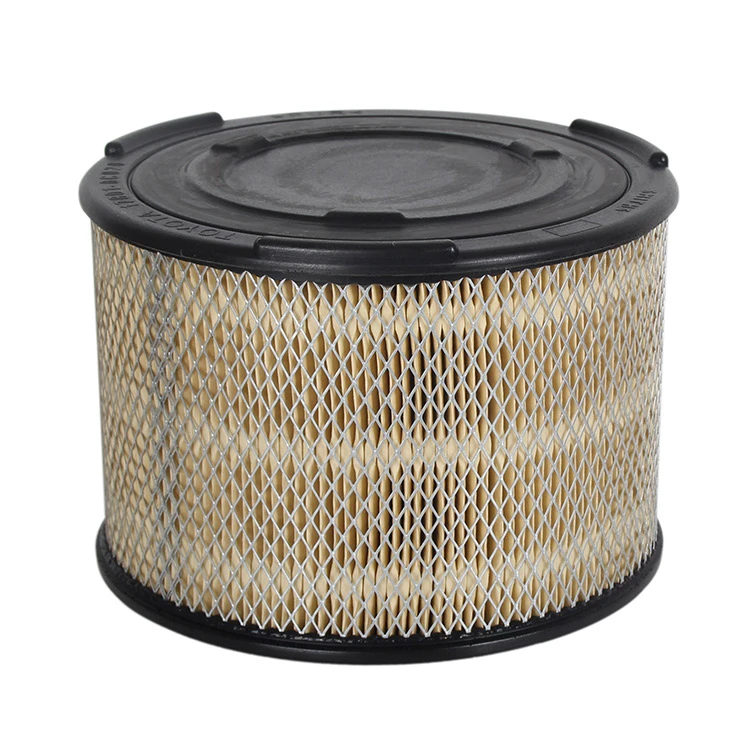
Simply put, it’s about timing the replacement of the part that cleans the air flowing into your engine. The air filter blocks dust, debris, and tiny pollutants from entering your combustion chamber, where clean air mixes with fuel to power your ride. Over time, as particles accumulate, airflow is restricted, affecting engine performance and fuel efficiency. In modern cars with electronic fuel injection, a clogged air filter can lead to higher fuel consumption and even cause the engine to run “rich” — burning more fuel than necessary and emitting excess pollutants. It ties directly into industry needs for lower emissions and longer vehicle lifespans, which many humanitarian and urban air quality programs worldwide endorse as part of sustainable transport goals.Quick note:
In electric vehicles (EVs), air filters exist mainly to protect auxiliary systems rather than combustion — but for the vast majority still on gas or diesel, this is big stuff.4 Core Factors That Decide How Often You Should Change Your Car’s Air Filter
1. Driving Environment
Dusty, rural roads? Urban streets with heavy smog? These make a difference. If you spend a lot of time on dirt roads, you’re basically accelerating the need to swap filters more frequently — sometimes as often as every 6,000 miles, instead of the usual 12,000.2. Vehicle Make & Model
Some cars have more sophisticated filtration systems, or larger filters that can handle heavier loads. Always check your owner’s manual — it’s your best guide through this air-cleaning jungle.3. Filter Material & Quality
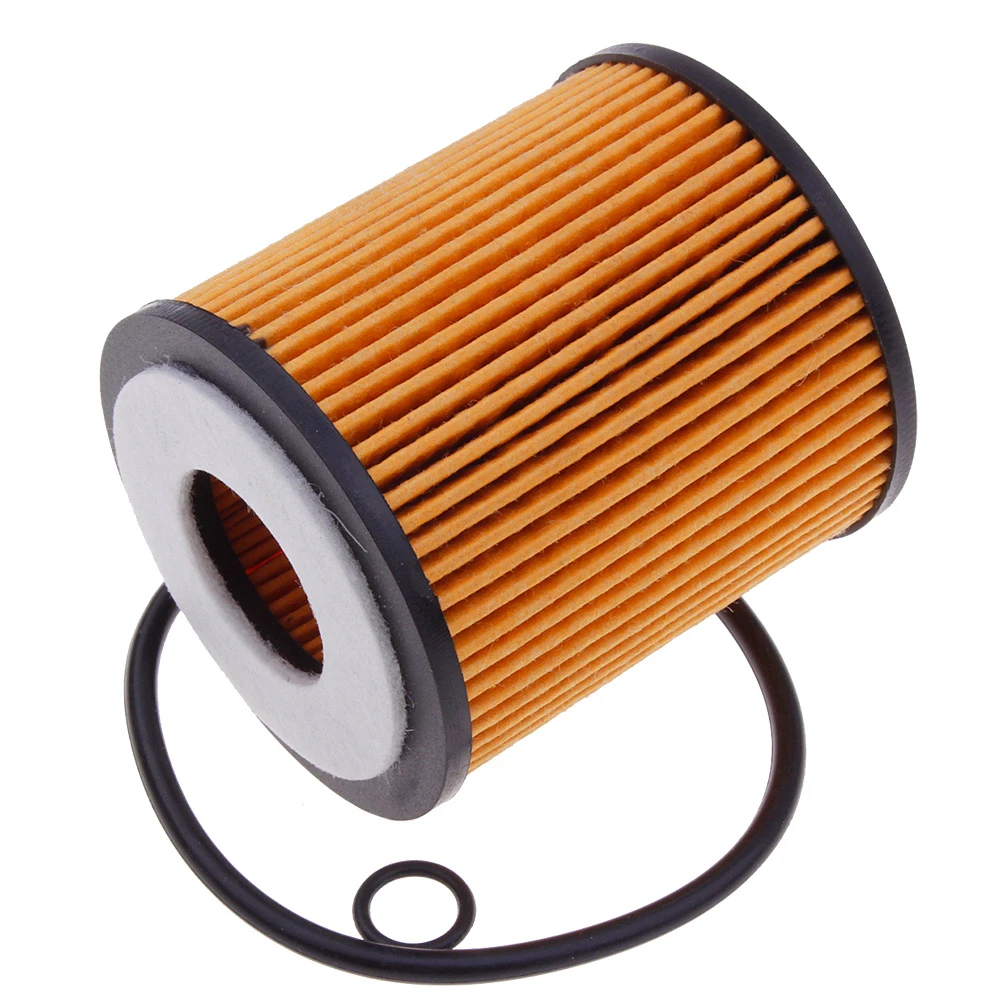
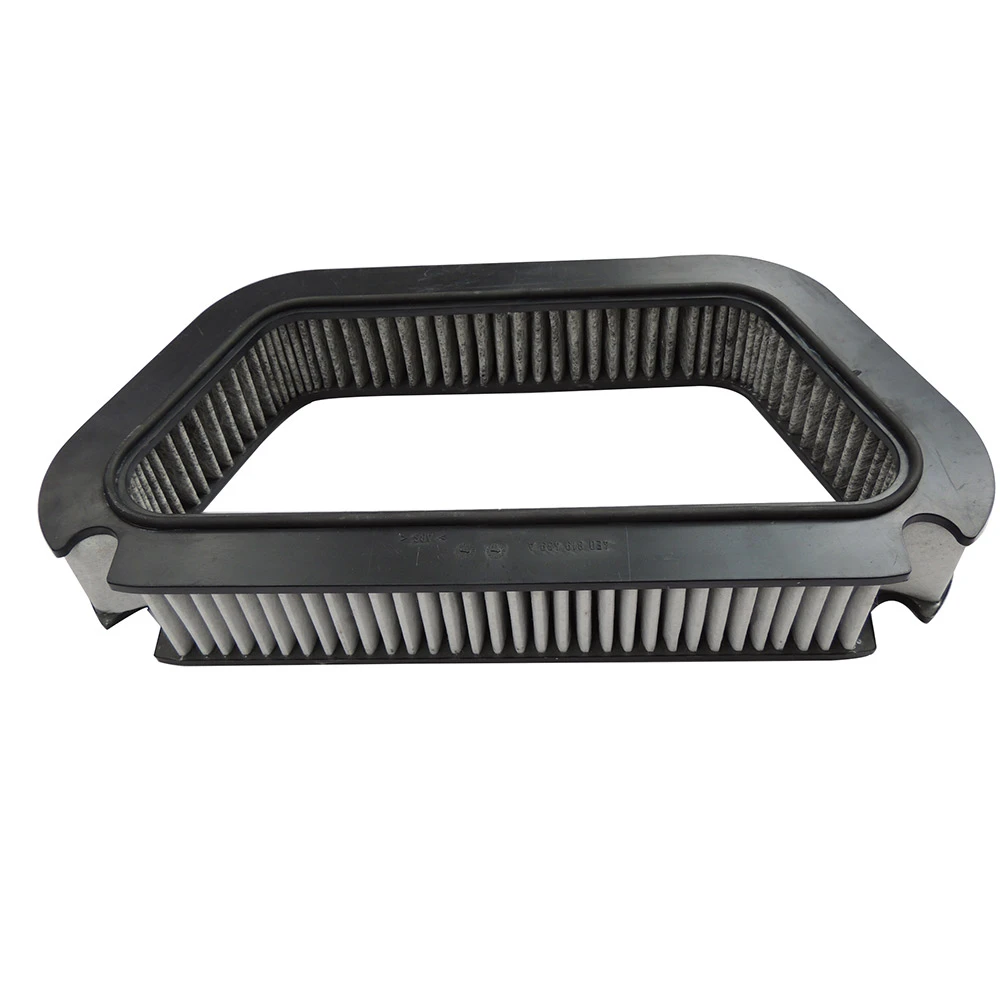
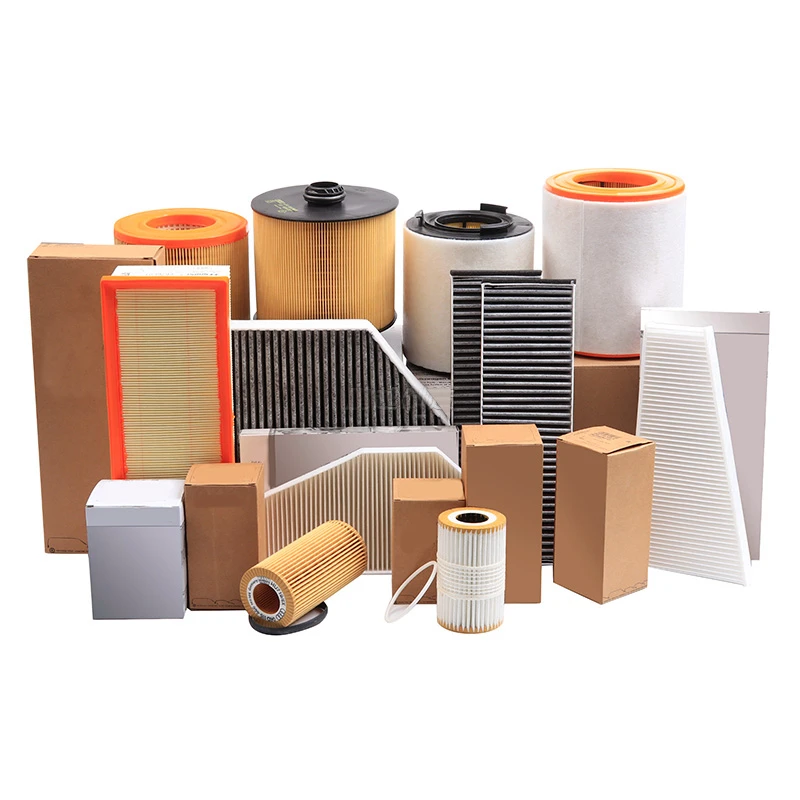
Filters come in paper, cotton, foam, or synthetic blends. High-performance or reusable filters might last longer, but also need proper cleaning. Cheaper filters often mean faster clogging with impurities.4. Usage Patterns
Stop-and-go city traffic chokepoints your filter more than highway cruising. Also, short trips where engines don’t fully warm up can deposit more grime inside engines, indirectly impacting filter life.
Mini takeaway: Driving environment, vehicle specifics, filter quality, and usage are the main players figuring out how often your car’s air filter calls for a change.
Product Specification Table: Common Air Filter Types
| Specification | Paper Filter | Cotton Gauze | Foam Filter | Synthetic Filter |
|---|---|---|---|---|
| Filtering Efficiency | Up to 95% | Around 90% | 75-85% | Up to 97% |
| Typical Lifespan | 12,000–15,000 miles | 20,000–30,000 miles (washable) | 10,000–12,000 miles | 15,000–20,000 miles |
| Maintenance | Replace only | Wash and reuse | Replace only | Replace only |
Real-World Applications: Where Knowing the Right Time Matters Most
In sprawling mega-cities like Delhi or Los Angeles, air filters battle relentless smog and dust. Here, changing your filter more often directly reduces harmful engine emissions and helps your car breathe better amid polluted air. Similarly, in rural African or Australian outback regions, thick dust from unpaved roads demands frequent filter switches, or else engine damage becomes a costly certainty. Even post-disaster aid vehicles depend on sharp air maintenance routines. Relief teams driving through dusty rubble zones can’t afford engine failures that might delay critical missions. Automotive workshops in such zones often recommend changing filters every 5,000 to 7,000 miles.
Mini takeaway: Knowing how often to change air filter for car isn’t just routine; it impacts durability and performance across varied harsh environments.
Vendor Comparison: Popular Air Filter Brands and Their Offerings
| Brand | Filter Type | Average Lifespan | Price Range (USD) | Availability |
|---|---|---|---|---|
| K&N | Cotton Gauze (Washable) | Up to 30,000 miles | $50 - $70 | Widespread |
| Fram | Paper | 12,000 – 15,000 miles | $10 - $20 | Very Common |
| MANN-Filter | Paper/Synthetic | 15,000 – 20,000 miles | $15 - $30 | Global |
Why Regular Air Filter Changes Pay Off — Beyond the Garage
Let’s be frank. Changing an air filter isn’t the most glamorous part of car care. But it can delay costly repairs — or worse, unexpected breakdowns. Clean filters improve fuel efficiency, save money at the pump, and reduce your car’s harmful CO₂ and particulate emissions. On an emotional level, a well-maintained car feels smoother, more reliable, safer even. That peace of mind, no matter where you live or drive, is priceless. As the automotive world pivots toward greener policies, anticipating when your filter needs change ties into a bigger picture of sustainability.What’s Next? Innovations in Air Filter Technology
The future is bright—and maybe a bit dusty. New filters use advanced nanofibers and electrostatic layers to trap smaller particles without choking airflow. Some vehicles are even experimenting with sensors that monitor filter condition in real-time, alerting you exactly how often to change air filter for car — tailored to your driving. Sustainability also shapes the future: biodegradable filters, reusable models, and manufacturing processes with lower environmental footprints are more common. With growing urban air pollution, these tiny tech upgrades feel more vital than ever.Troubleshooting Common Hurdles
Despite best intentions, many drivers delay changing filters because of cost, forgetfulness, or uncertainty about timing. Sometimes, filters aren’t easy to access or require professional service. Solutions include clear manufacturer guidelines, user-friendly designs, and digital reminders incorporated into vehicle dashboards. Some experts advocate for roadside quick-check stations during inspections — a simple dust check can make a world of difference. It’s really about awareness and convenience syncing better.FAQ: How Often to Change Air Filter for Car
- Q: How can I tell if my air filter needs replacing?
A: Look for visible dirt, discoloration, or clogging. If your fuel efficiency drops or your engine stutters, it may be time. Many filters are accessible for a simple visual check. - Q: Can I drive with a clogged air filter?
A: Technically yes, but it reduces performance and fuel efficiency, and persistent neglect might cause engine damage or higher emissions. Best to swap sooner than later. - Q: Does air filter replacement impact car warranty?
A: Normally, routine maintenance like air filter changes is required to maintain warranty validity. Always consult your manufacturer’s instructions. - Q: Are reusable filters really worth the investment?
A: They can be in terms of lifespan and environmental impact, but proper cleaning is crucial. Consider your driving conditions before switching. - Q: How does weather affect the air filter lifespan?
A: Dusty, dry, or polluted environments shorten filter life, requiring more frequent changes. Humid conditions might contribute to mold growth if a filter stays wet.
Wrapping Up: The Long-Term Benefits Are Clear
Understanding how often to change air filter for car is about much more than routine maintenance. It connects pragmatism with environmental responsibility, cost savings with improved safety, and technical know-how with everyday convenience. Whether you are trekking dusty country roads or just commuting to work, keeping your engine breathing fresh pays dividends. If you want to dive deeper or find the best filters for your ride, visit our site. Because, honestly, cleaner air filters mean happier engines - and happier drivers.
References:
1. Wikipedia - Air filter
2. International Energy Agency - Vehicle Efficiency
3. ISO 29463-1:2011 Filter Performance Standards
1. Wikipedia - Air filter
2. International Energy Agency - Vehicle Efficiency
3. ISO 29463-1:2011 Filter Performance Standards
Previous:
Latest news
-
Guide on how often do you need to replace engine air filterNewsApr.16,2026
-
Learn how often do you replace air filter in car for engine healthNewsApr.09,2026
-
How Often Do You Replace Car Air Filter For Optimal Engine PerformanceNewsApr.07,2026
-
How Often Do You Replace Engine Air Filter For Optimal Vehicle PerformanceNewsApr.04,2026
-
Understanding How Often Does Engine Air Filter Need to Be Replaced for Optimal PerformanceNewsMar.31,2026
-
How Often Engine Air Filter Change Impacts Performance and LongevityNewsMar.28,2026
-
Understanding How Often to Replace Your Car Air Filter for Optimal PerformanceNewsMar.26,2026
Related Products