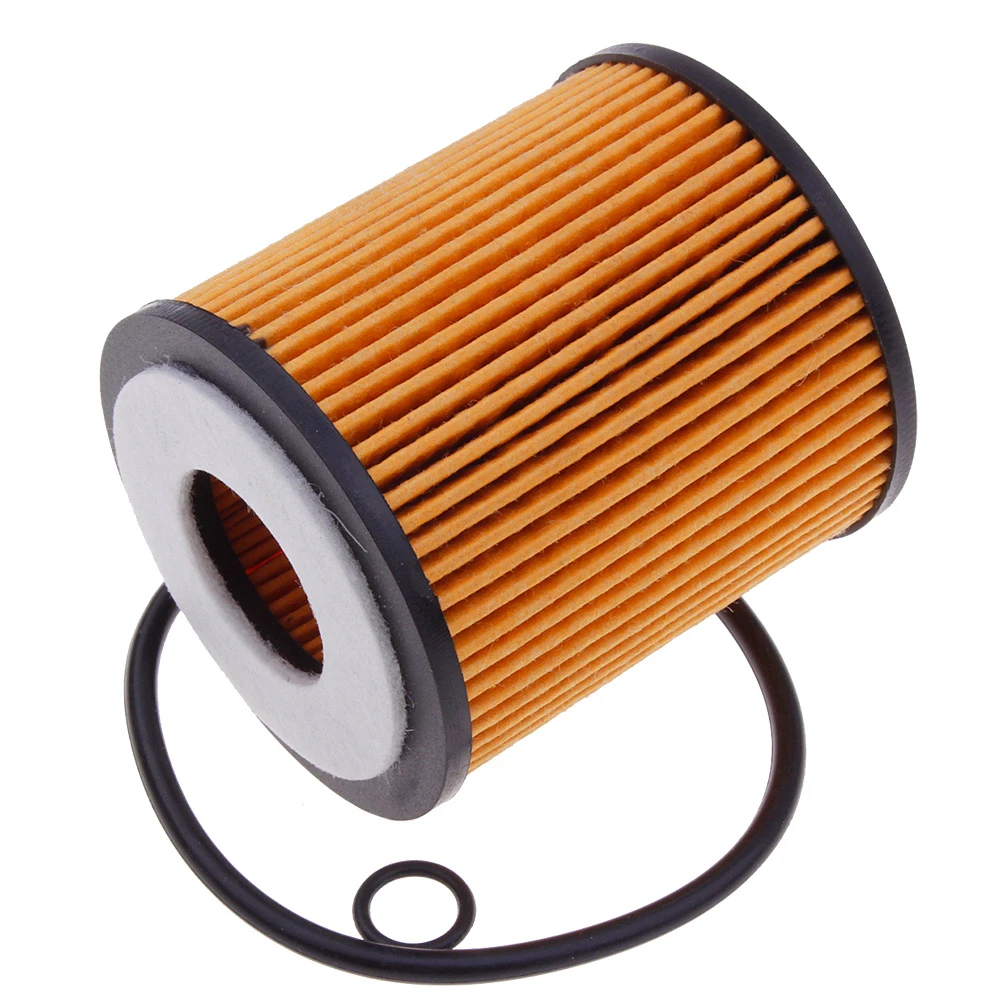
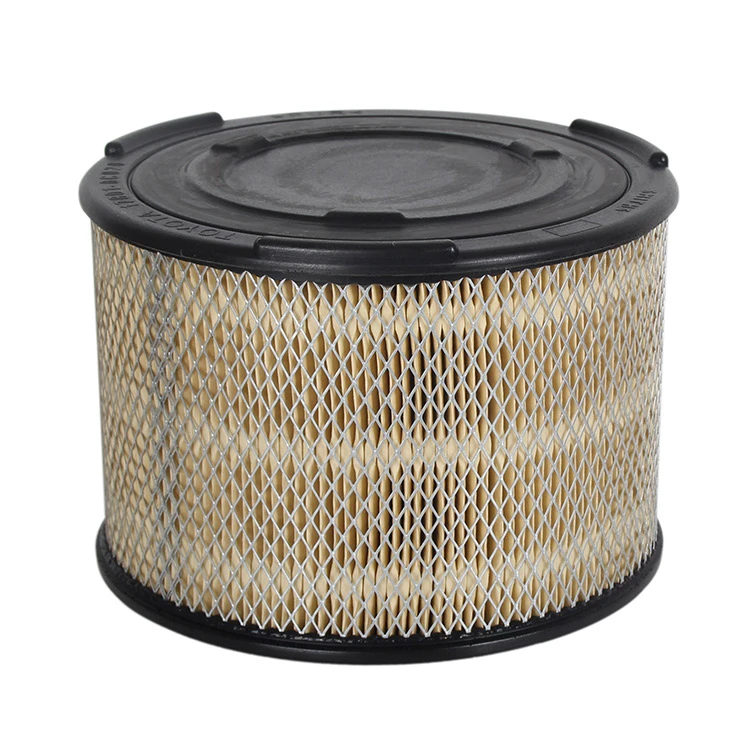
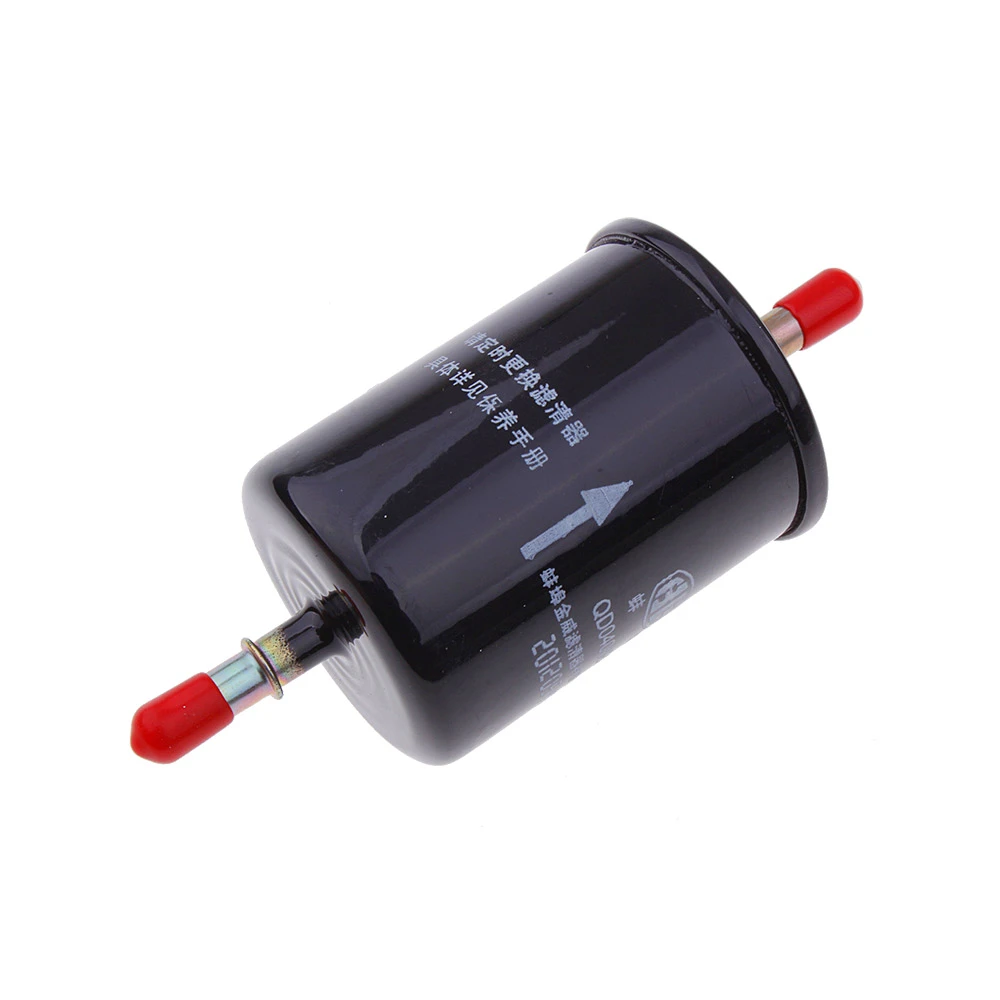
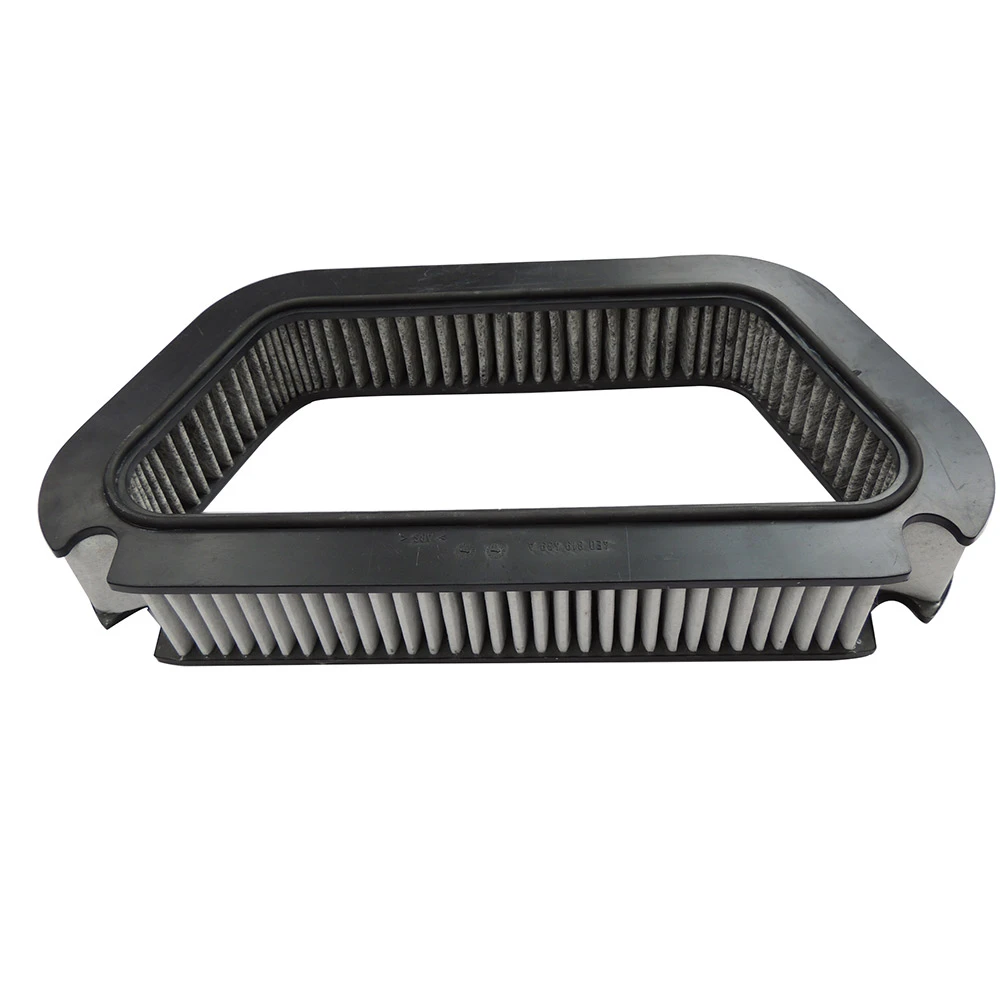
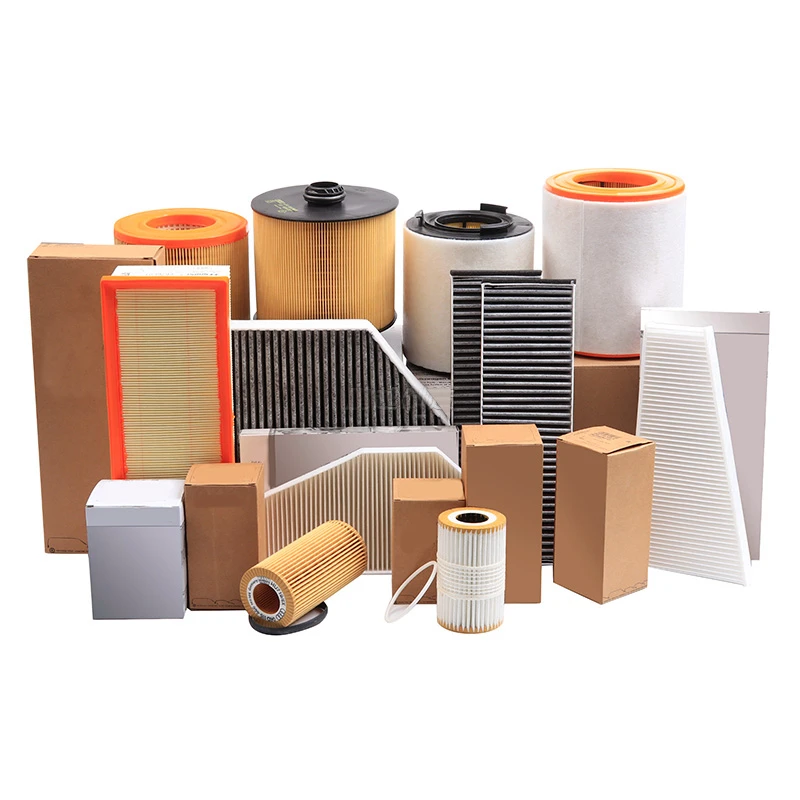
Understanding How Often Should You Replace Engine Air Filters: Why It Matters
The question of how often should you replace engine air filter appears mundane at first glance — but when you start digging into it, the topic resonates globally and industry-wide in ways you'd hardly expect. Keeping an engine’s air filter clean and replaced on time might sound like a minor maintenance task. Yet, it significantly impacts fuel efficiency, reduces harmful emissions, and can extend engine life. For millions of vehicles worldwide—cars, trucks, heavy machinery—the simple act of timely air filter replacement translates into cost savings, environmental benefit, and operational reliability.
In a world where transportation fuels a global economy, understanding the frequency and importance of engine air filter replacement is not just a neat maintenance tip; it’s a key part of reducing waste, improving safety, and ensuring smoother daily lives. Think of it as a small tweak with outsized benefits for individuals and industries alike.
The Global Context: Why Replacing Your Engine Air Filter Matters More Than Ever
Globally, the transport sector accounts for nearly 24% of CO₂ emissions related to fossil fuel use (International Energy Agency, 2023). As the global fleet ages and expands, inefficient combustion caused by clogged air filters unnecessarily worsens this footprint. Replacing your engine air filter regularly is one surprisingly effective way to keep emissions in check and improve fuel economy — two major areas where small changes add up to big gains.
But beyond environmental impact, there's a real challenge: inconsistent vehicle maintenance practices worldwide. In some regions, access to quality filters and clear guidance is sparse, which compromises engine health and safety. Countries with heavy pollution, dusty roads, or extreme climates face especially high wear and tear on vehicle filters, making the question how often should you replace engine air filter even more pressing.
The challenge spans industries too — construction fleets, delivery services, and agriculture all rely heavily on well-functioning engines to keep productivity—and profits—on track.
What Does “How Often Should You Replace Engine Air Filter” Actually Mean?
Simply put, this phrase refers to the recommended maintenance interval after which an engine’s air filter should be taken out and replaced with a new one to maintain optimal performance. The air filter’s job is to keep dirt, dust, and debris from clogging the engine’s internal components. Over time, the filter traps particles and gets clogged, restricting airflow, decreasing combustion efficiency, and potentially causing engine damage.
The ideal replacement frequency varies depending on vehicle type, driving conditions, and filter quality, but understanding this timing can prevent costly repairs and improve fuel consumption. For commercial fleets and humanitarian operations using vehicles in challenging environments, timely filter changes can literally mean the difference between mission success or breakdowns.
Key Factors Influencing Engine Air Filter Replacement Frequency
1. Driving Conditions and Environment
Vehicles operating in dusty, polluted, or off-road conditions accumulate debris faster in their filters. For example, a bulldozer on a construction site or a delivery van on unpaved roads may need replacements twice as often as those in cleaner urban areas.
2. Filter Material and Technology
Modern filters use paper, foam, or even synthetic fibers. Advanced filters might boast higher dirt-holding capacity or better airflow retention, extending replacement intervals slightly without sacrificing protection.
3. Vehicle Manufacturer Recommendations
OEM maintenance schedules provide baseline intervals, often between 12,000 and 15,000 miles for passenger vehicles. But as always, these are estimates meant for "average" use—real-world conditions often demand more frequent checks.
4. Fuel Efficiency and Engine Performance Metrics
A drop in MPG (miles per gallon) or slight engine hesitation can be signs it's time to inspect the air filter. Sensor data on modern cars sometimes help predict filter conditions.
5. Cost of Replacement vs. Long-Term Damage
Filters vary in price, but the trade-off is usually clear: a small investment in replacement today prevents costly repairs or increased fuel bills tomorrow.
Summary Takeaway:
- Replace engine air filters more frequently in dusty or demanding environments.
- Use OEM guidelines as starting points, but always consider actual usage.
- Advanced filter designs can stretch intervals, but don’t postpone regular checks.
Real-World Applications: How Different Regions and Industries Approach Air Filter Maintenance
In dry, dusty regions such as parts of Australia or the Middle East, truck operators often replace air filters quarterly, sometimes even more frequently during dust storms. Agriculture equipment in the US Midwest faces seasonal needs aligned with planting and harvest cycles.
Urban delivery fleets in European cities tend to rely more heavily on OEM schedules or sensor feedback due to cleaner air, while in developing countries, inconsistent access to quality filters and maintenance advice can lead to neglected replacements.
Humanitarian organizations operating in post-disaster zones stress rapid maintenance to keep relief vehicles operational. For example, NGOs supplying aid in remote areas of Africa often carry spare filters as part of essential vehicle kits to avoid breakdowns where repair facilities are scarce.
Advantages of Timely Engine Air Filter Replacement
Replacing air filters at the right frequency yields tangible benefits:
- Improved fuel efficiency: Cleaner air intake optimizes fuel combustion, saving money and reducing emissions.
- Enhanced engine longevity: Prevents abrasive particles from damaging sensitive engine components.
- Lower maintenance costs: Avoids complex repairs caused by neglected filters.
- Environmental impact: Reduced particulate emissions contribute to cleaner air and sustainability goals.
- Safety and reliability: Engines run smoother and respond better, protecting passengers and cargo.
There’s something reassuring, frankly, about the knowledge that a tiny piece of paper or foam—properly replaced—keeps a complex engine humming healthily for thousands of miles.
Emerging Trends and Innovations in Engine Air Filters
With increased focus on eco-conscious driving, manufacturers are innovating in filter materials, such as bio-based fibers and nanofiber technology, to enhance dirt capture and airflow. Smart air filters are also on the horizon, integrated with sensors that monitor clogging levels in real-time and communicate directly with vehicle onboard systems.
Additionally, regulatory moves toward stricter emission standards (think Euro 7 coming soon) push for improved airflow management and filter technology advancements.
There's also the rise of aftermarket “performance” filters promising longer life or washable designs. These trends suggest that the question of how often should you replace engine air filter is evolving from fixed mileage charts into a dynamic, data-driven routine.
Challenges and Solutions in Maintaining Proper Air Filter Replacement
Common challenges include:
- Lack of awareness: Many vehicle owners procrastinate simply because they underestimate the filter’s role.
- Access to quality filters: Lower-cost, poor-quality filters can harm engines or mislead maintenance schedules.
- Variable driving conditions: Hard to set universal rules when some environments are much harsher than others.
Solutions? Better consumer education, wider availability of quality filters, and use of smart sensor technology to remove guesswork from maintenance intervals.
FAQ: Practical Questions About How Often Should You Replace Engine Air Filter
- Q: How do I know when it’s time to replace my engine air filter?
- A: Look for reduced acceleration, decreased fuel efficiency, visible dirt on the filter, or follow your owner’s manual interval. Driving in dusty areas warrants more frequent checks.
- Q: Can I clean and reuse my engine air filter instead of replacing it?
- A: Some filters are washable, particularly performance aftermarket types. But for paper filters, cleaning may damage the media; replacement is safer to ensure full protection.
- Q: Does a clogged air filter affect my car’s emissions?
- A: Yes, a restricted airflow can disrupt the air-fuel mixture, increasing emissions of pollutants.
- Q: Are expensive air filters always better?
- A: Not necessarily. OEM filters meet stringent standards, and while some premium options offer benefits, the key is quality and fit rather than price alone.
- Q: How frequently should commercial vehicles replace air filters?
- A: For commercial or heavy-duty vehicles, intervals may be as short as every 10,000 miles or less depending on conditions. Follow industry guidelines and incorporate filter inspections into routine service.
Product Specification Table: Typical Engine Air Filter Features
| Feature | Description |
|---|---|
| Material | Paper synthetic blends, foam or cotton |
| Average Lifespan | 12,000–15,000 miles (variable) |
| Filtration Efficiency | Up to 99.9% particle capture |
| OEM Compatibility | Typically designed for specific vehicle makes and models |
| Maintenance Requirement | Replace upon clogging or at recommended mileage |
Vendor Comparison Table: Popular Engine Air Filter Brands
| Brand | Filter Types | Price Range (USD) | Warranty | Special Features |
|---|---|---|---|---|
| Bosch | Paper & Synthetic | $15 - $40 | 1 year | OEM quality fit, high filtration efficiency |
| K&N | Washable Cotton Gauze | $40 - $80 | 10 years/million miles | Reusable, performance oriented |
| Mann-Filter | Paper & Synthetic | $12 - $35 | 2 years | Wide compatibility, OEM standard quality |
Wrapping Up: Why You Don’t Want to Skip Your Next Air Filter Replacement
It sounds simple—replace your engine air filter regularly—but the consequences ripple out wide: from your wallet to the environment, and even into the reliability of critical transport fleets. With new technologies on the horizon and growing global awareness of emissions, this small piece deserves more respect than it often gets. How often should you replace engine air filter is a question with a dynamic answer, tied closely to where and how you drive.
So don’t wait until your engine reminds you the hard way. Keep a habit of checks, trust quality parts, and enjoy the benefits of a well-breathing engine.
Curious to dive deeper? Visit our website for expert advice, product recommendations, and maintenance tips.
References & Notes
- International Energy Agency, Transport Emissions Report (2023)
- ISO 5011:2014 - Air filters for internal combustion engines and compressors
- Wikipedia - Air filter
-
Guide on how often do you need to replace engine air filterNewsApr.16,2026
-
Learn how often do you replace air filter in car for engine healthNewsApr.09,2026
-
How Often Do You Replace Car Air Filter For Optimal Engine PerformanceNewsApr.07,2026
-
How Often Do You Replace Engine Air Filter For Optimal Vehicle PerformanceNewsApr.04,2026
-
Understanding How Often Does Engine Air Filter Need to Be Replaced for Optimal PerformanceNewsMar.31,2026
-
How Often Engine Air Filter Change Impacts Performance and LongevityNewsMar.28,2026
-
Understanding How Often to Replace Your Car Air Filter for Optimal PerformanceNewsMar.26,2026
Related Products