Why Knowing How Often to Change Your Car Filter Matters Worldwide
If you’ve ever wondered how often should you change your car filter, you’re not alone. This small yet crucial maintenance step is often overlooked, but it holds significant consequences—not just for your car, but for the environment and the global economy too. A clean, efficient car filter ensures your vehicle breathes well, keeps emissions low, and saves you money over the long run.
Globally, millions of vehicles run on roads daily, and many of them suffer from neglected air and oil filtration systems. According to the International Energy Agency (IEA), inefficient vehicles contribute notably to urban air pollution, a leading cause of health problems worldwide. Changing your filters on time is a surprisingly simple way to mitigate these impacts.
Understanding the right timing for filter changes isn’t just about saving your car’s engine—it’s a small step with big ripple effects on fuel efficiency, emissions, and maintenance costs across a globe reliant on personal and commercial vehicles.
The Growing Global Importance of Timely Car Filter Changes
It might seem trivial, but the question of how often should you change your car filter actually touches on bigger global challenges. Worldwide, cities face crushing air pollution. The World Health Organization estimates that 7 million people die annually from air pollution-related causes, with vehicle emissions as a major culprit.
Changing car filters regularly helps engines run cleaner, lowers toxic emissions, and improves fuel consumption by up to 10% in some cases (source: U.S. Dept. of Energy). This isn’t just a mechanical concern; it’s a matter of public health, economic efficiency, and even climate change mitigation.
Unfortunately, many vehicle owners either don’t know the recommended change intervals or postpone service due to cost or inconvenience. ISO standards provide guidelines for automotive maintenance, but adoption varies widely across regions.
What Does ‘How Often Should You Change Your Car Filter’ Really Mean?
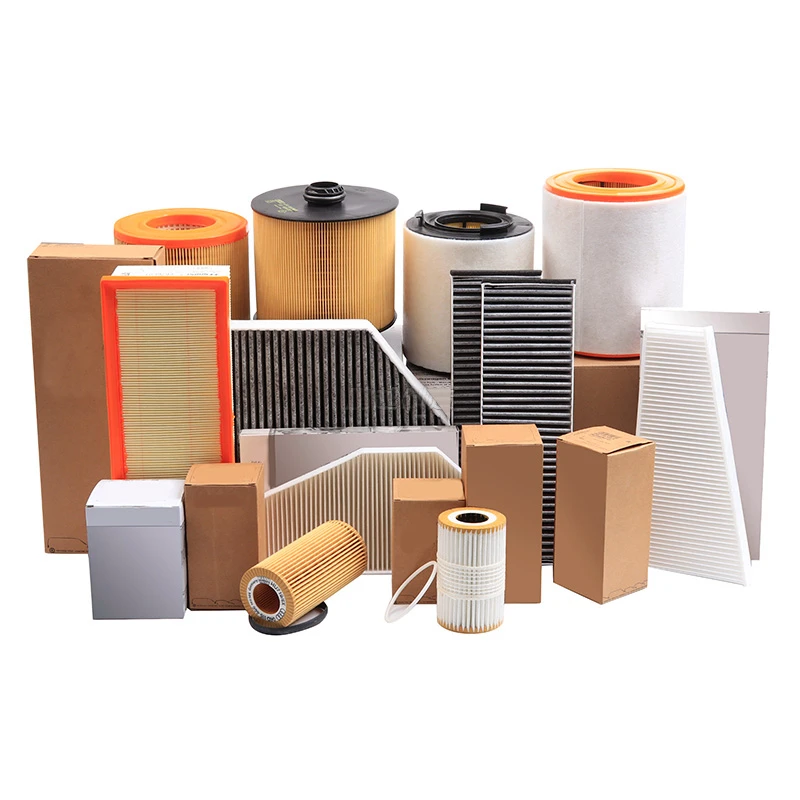
Simply put, this phrase asks: “At what intervals should I replace the filter inside my car that cleans the air, fuel, or oil?” The question covers various kinds of filters—air filters, cabin filters, oil filters, and even fuel filters. Each has a different lifespan and purpose but shares the goal of protecting engine components and maintaining optimal performance.
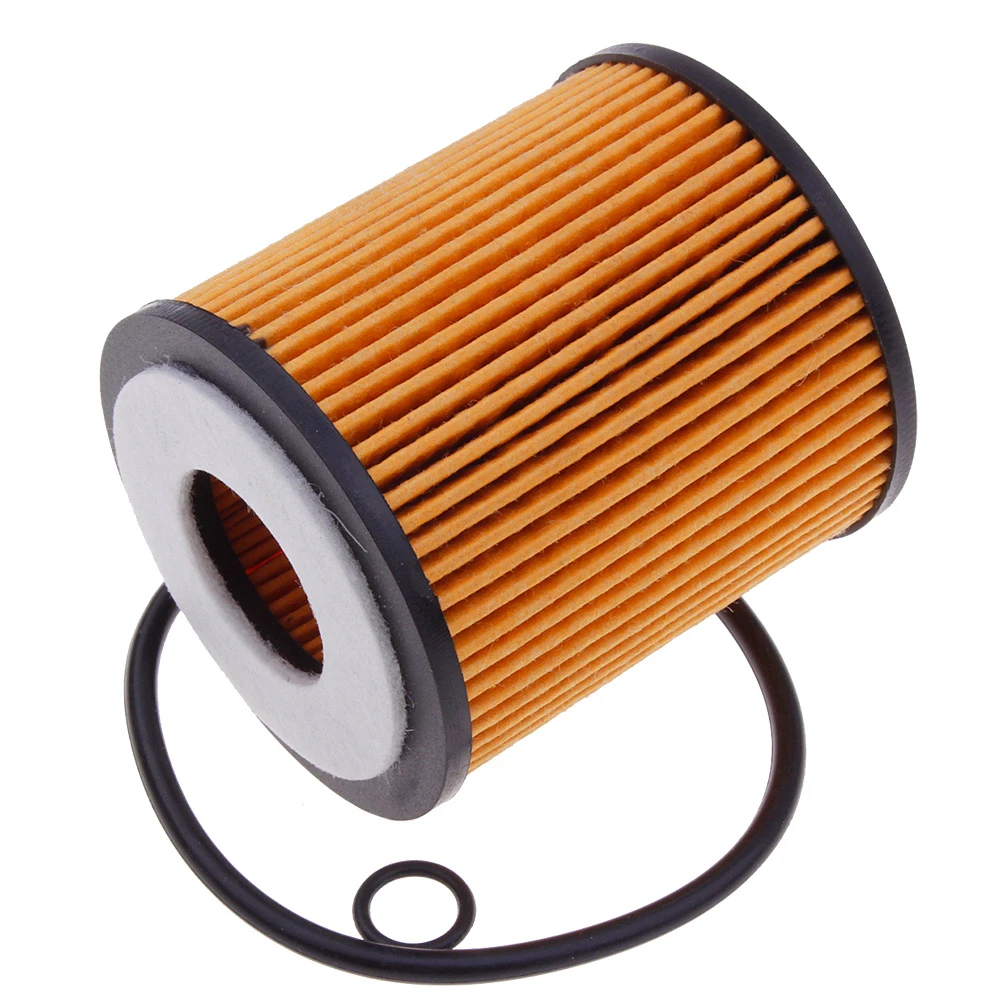
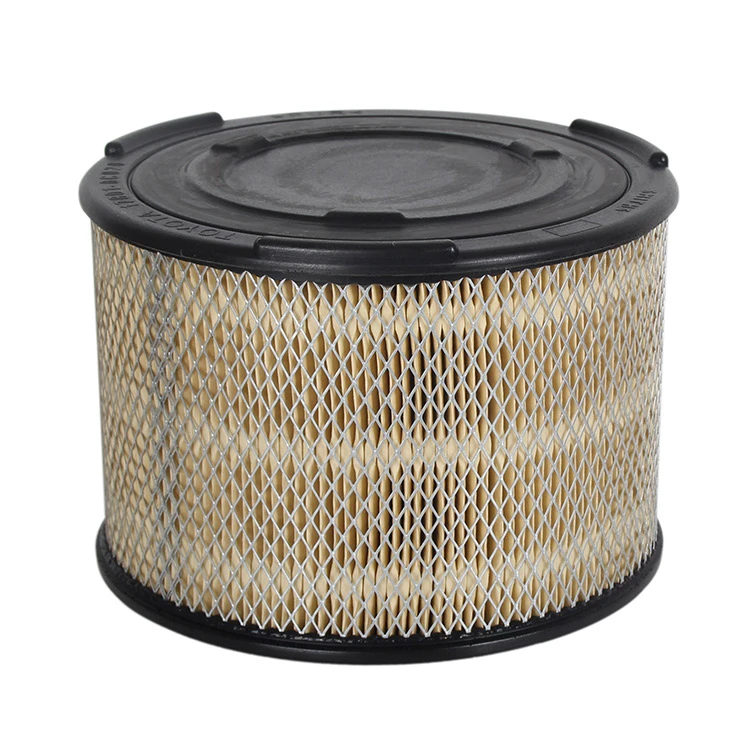
For instance, an air filter traps dust, bugs, and debris before they enter your engine, while the oil filter cleans your engine oil to prevent wear inside the system. Replacing these filters at recommended intervals is a preventive step that many car manufacturers specify clearly, though it can vary by driving conditions.
In humanitarian or industrial settings—like NGOs running vehicle fleets in harsh environments—the optimal frequency of filter changes can be the difference between continuous operation and costly downtime. It’s an intersection of automotive science and real-world resilience.
Key Factors Influencing When to Change Your Car Filter
1. Driving Environment
Dusty, urban, or off-road conditions clog filters faster. Drivers in arid or construction-heavy areas might need to replace filters twice or even thrice as often as city drivers.
2. Type of Filter
Oil filters generally last 5,000 to 10,000 miles, air filters around 15,000 to 30,000 miles, while cabin filters can vary wildly depending on air quality.
3. Vehicle Manufacturer Recommendations
It’s always wise to check your owner’s manual. OEMs usually list specific intervals to preserve warranties and peak performance.
4. Filter Material and Quality
Higher-end filters may cost more but last longer and trap more contaminants effectively. Cheaper ones might need more frequent changes.
5. Driving Style
Aggressive acceleration and frequent stop-and-go traffic accelerate filter wear, calling for earlier replacements.
6. Maintenance History
Keeping track of past replacements helps avoid unnecessary changes but also prevents neglect, balancing cost and function.
| Filter Type | Average Lifespan (Miles) | Replacement Cost Range (USD) | Primary Purpose |
|---|---|---|---|
| Engine Air Filter | 15,000 – 30,000 | $15 – $50 | Prevents dust and debris from entering the engine. |
| Oil Filter | 5,000 – 10,000 | $7 – $40 | Removes contaminants from engine oil. |
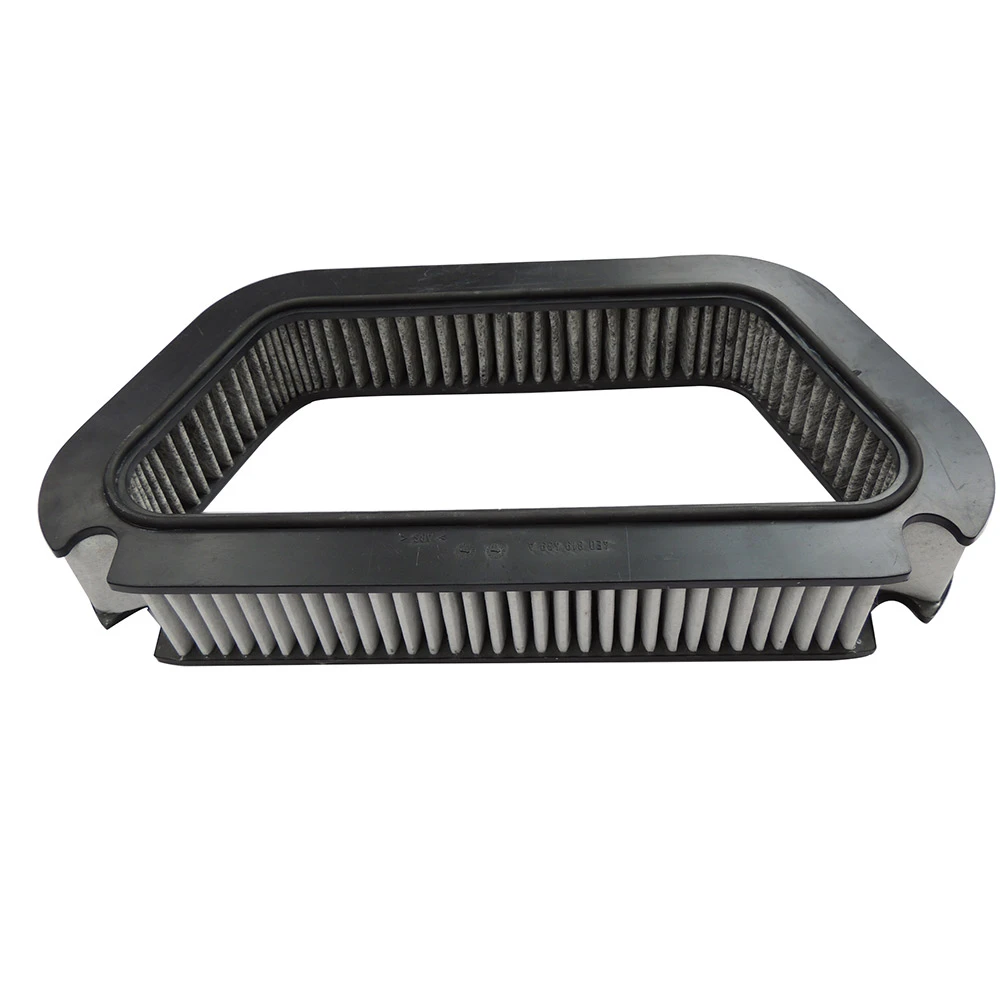
| Cabin Air Filter | 15,000 – 25,000 | $15 – $60 | Filters air entering the passenger compartment. |
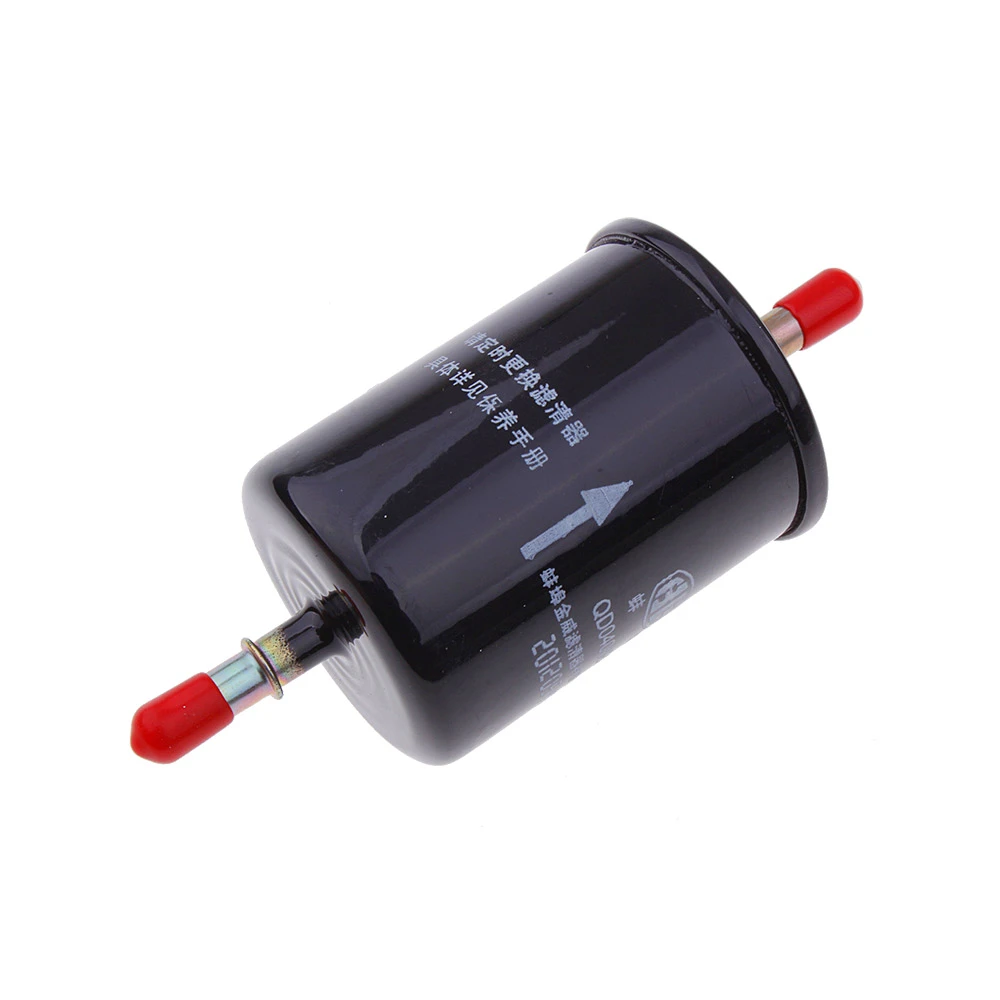
| Fuel Filter | 20,000 – 40,000 | $20 – $100 | Removes contaminants from fuel before combustion. |
Global Use Cases: Where and How Filter Changes Make the Biggest Impact
Take a post-disaster relief convoy in Southeast Asia, cutting through muddy, dusty roads after a typhoon. Their success depends partly on frequent oil and air filter swaps to avoid engine failures—without which, aid deliveries halt.
Or consider a taxi fleet in a bustling metropolis like Mexico City, where pollution levels are sky-high and cabin air filters provide some relief for drivers and passengers alike.
Industrial zones in developing countries often lack easy access to genuine replacement filters, so many vehicles run on suboptimal protection, raising the risk of engine breakdowns and excessive emissions.
Organizations like the United Nations Environment Programme (UNEP) advocate stricter vehicle emissions monitoring and maintenance checkups, reinforcing filter change practices as part of sustainable transportation policies.
What Benefits Can You Really Expect from Changing Filters Regularly?
- Cost Savings: Regular upkeep minimizes expensive engine repairs.
- Fuel Efficiency: Cleaner filters mean smoother engine breathing, less consumption.
- Environmental Wins: Reduced emissions help cities meet air quality standards.
- Driver & Passenger Health: Particularly with cabin filters, fewer airborne irritants.
- Longevity & Trust: Maintained vehicles keep their value and reliability.
Emotionally, there’s comfort in trusting your car won’t leave you stranded on a cold night or in toxic smog. Logically, the ROI from a $20 filter replacement dwarfs potential thousands spent on engine rebuilds. It’s the classic “a stitch in time” story, but in automotive form.
Advances Shaping the Future of Car Filter Maintenance
We’re seeing smart sensors that monitor filter clogging in real-time, alerting drivers when replacements are due. Nano-fiber and synthetic materials promise longer life spans and better filtration efficiency. From an environmental angle, more brands use recyclable and eco-friendly filter media.
In addition, policies worldwide push for greener vehicles and maintenance transparency. For example, digital vehicle passports are emerging in the EU—tracking all service, including filter changes, to ensure compliance and consumer confidence.
Common Challenges and How to Overcome Them
One major hurdle? Many drivers simply don’t know when to act. Lack of education and irregular servicing cultures can lead to filter neglect.
Secondly, counterfeit and low-quality filters flood the aftermarket, offering a cheap but short-lived fix that ironically can cause more harm.
Innovative solutions include integrating filter replacement reminders into vehicle dashboards and apps, and NGOs supplying genuine maintenance parts to emerging markets.
| Vendor | Filter Types Offered | Price Range (USD) | Global Shipping | Warranty |
|---|---|---|---|---|
| JyFilter Co. | Air, Oil, Cabin, Fuel | 15 – 100 | Yes | 2 Years |
| AutoPure Filters | Air, Oil | 10 – 70 | Limited Regions | 1 Year |
| EcoGuard Filters | Cabin, Fuel | 20 – 90 | Global | 1 Year |
FAQs About How Often Should You Change Your Car Filter
Q1: How do I know if my car’s air filter needs changing?
If you notice reduced fuel efficiency, unusual engine sounds, or your check engine light comes on, your air filter might be clogged. Visually inspecting the filter can also help—if it's very dirty or dark, it's time for a swap.
Q2: Can driving in heavy traffic affect how often I should change my filters?
Absolutely. Stop-and-go conditions generate more dust and stress on filters. Expect to replace them sooner than the baseline mileage suggested by your car’s manufacturer.
Q3: Are premium filters worth the extra cost?
Premium filters tend to trap smaller particles and last longer. While pricier upfront, they can save money and engine wear in the long run—especially in harsh environments.
Q4: Does changing the cabin air filter improve health significantly?
Yes, cabin filters remove pollen, dust, and exhaust fumes, which is especially valuable for allergy sufferers or those living in polluted cities. Clean cabin air means a more comfortable, healthier ride.
Q5: Where can I find trustworthy replacement filters?
Reliable manufacturers like JyFilter Co. offer genuine products with warranties and global shipping. Always check compatibility and buy from authorized dealers to avoid counterfeits.
Wrapping It Up: The Return on Knowing When to Change Your Car Filter
So, how often should you change your car filter? The answer isn’t just miles on a gauge, but a blend of environment, filter type, and your own driving habits. But one thing is clear: sticking to recommended intervals keeps your car more efficient, your wallet happier, and the air we share cleaner. It’s a small, routine act with outsized benefits.
Want to dive deeper or order reliable filters tailored to your vehicle? Visit us anytime at https://www.jyfilter.com and take the first step toward smarter car care.
1. International Energy Agency (IEA) - Transport Sector Emissions
2. World Health Organization (WHO) - Ambient Air Pollution Data
3. ISO 14001 Environmental Management Standards
-
Guide on how often do you need to replace engine air filterNewsApr.16,2026
-
Learn how often do you replace air filter in car for engine healthNewsApr.09,2026
-
How Often Do You Replace Car Air Filter For Optimal Engine PerformanceNewsApr.07,2026
-
How Often Do You Replace Engine Air Filter For Optimal Vehicle PerformanceNewsApr.04,2026
-
Understanding How Often Does Engine Air Filter Need to Be Replaced for Optimal PerformanceNewsMar.31,2026
-
How Often Engine Air Filter Change Impacts Performance and LongevityNewsMar.28,2026
-
Understanding How Often to Replace Your Car Air Filter for Optimal PerformanceNewsMar.26,2026
Related Products