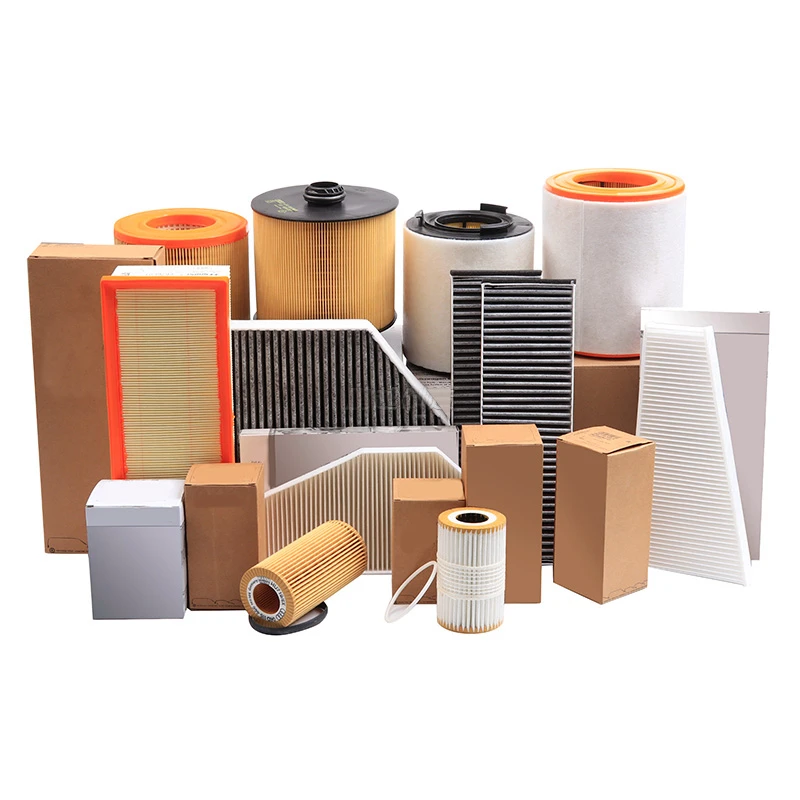
Understanding How Often Should You Change Your Car Engine Air Filter
When was the last time you gave thought to your car’s engine air filter? Most folks probably don’t — until a mechanic flags it during a routine checkup or the engine starts feeling sluggish. But honestly, knowing how often should you change your car engine air filter isn’t just a minor maintenance note. It actually plays a surprisingly big role globally. From reducing vehicle emissions to improving fuel efficiency, keeping tabs on your air filter schedule benefits both your wallet and the environment. And with millions of combustion engine vehicles on the roads across the world, the ripple effects are anything but small.
So why does the timing of an air filter change matter so much? Well, think of it as the lungs of your engine — clean air is crucial for its survival and performance. A clogged filter means your engine struggles to breathe, which leads to all sorts of problems, like poor mileage and even premature wear.
Mini takeaway: Knowing when to swap your car’s engine air filter is a simple, often overlooked step that boosts vehicle performance, extends engine life, and helps cut global emissions.
Why This Matters: A Global Perspective on Engine Air Filter Maintenance
According to the International Energy Agency, the global transport sector accounts for roughly 20% of CO2 emissions. While electric vehicles are gaining ground, the internal combustion engine is still king worldwide — especially in developing countries and rural markets. A well-maintained engine air filter, replaced at the right intervals, directly improves efficiency, reducing fuel consumption and harmful exhaust.
However, studies by the ISO and various environmental bodies highlight that many vehicle owners are inconsistent with filter changes, often stretching intervals due to cost or lack of awareness. This under-maintenance not only drives up fuel bills but worsens air pollution and engine wear.
Then there’s another angle: air quality itself. In dusty or polluted regions, filters clog faster, demanding more frequent changes. For instance, drivers in desert areas or near industrial zones face harsher conditions requiring a more aggressive maintenance schedule. The challenge is, there isn’t a one-size-fits-all answer.
Mini takeaway: The global concern is clear: proper timing of air filter replacements can be a simple but powerful lever to improve fuel efficiency and cut emissions — especially vital in high-pollution or resource-limited regions.
What Does “How Often Should You Change Your Car Engine Air Filter” Really Mean?
In plain terms, it’s asking: how regularly should you replace the device that cleans air entering your car’s engine? This isn’t just a reminder – it’s about protecting the engine from dust, dirt, and other harmful particles that, if left unchecked, can reduce performance and cause costly damage.
From an industry standpoint, this question ties into automotive maintenance protocols and environmental standards. Manufacturers specify intervals, but driving conditions heavily influence them. Whether for a daily commuter in a big city or a farmer’s pickup navigating dirt roads, the “right” frequency varies.
In humanitarian and logistical sectors, such maintenance knowledge is part of keeping fleets operational where fuel and repairs might be scarce — meaning air filter upkeep sometimes becomes a cornerstone in mission success.
Mini takeaway: This question encapsulates an essential maintenance issue: replacing air filters to optimize engine health, fuel efficiency, and long-term sustainability — tailored by driving habits and environmental factors.
Key Factors Influencing How Often to Change Your Car Engine Air Filter
1. Driving Conditions
Dusty, off-road, or high-traffic urban environments stress air filters much faster than smooth highway drives. Think of the difference between a dusty country road and a suburban street with little air contaminants. The former clogs filters quickly — experts suggest checking filters every 10,000 miles or even sooner under such circumstances.
2. Vehicle Manufacturer’s Recommendations
Every car maker provides guidelines, usually found in the owner’s manual. Most range from 15,000 to 30,000 miles, but these numbers assume average conditions. Pay close attention, especially if your usage deviates from “normal.”
3. Filter Type and Quality
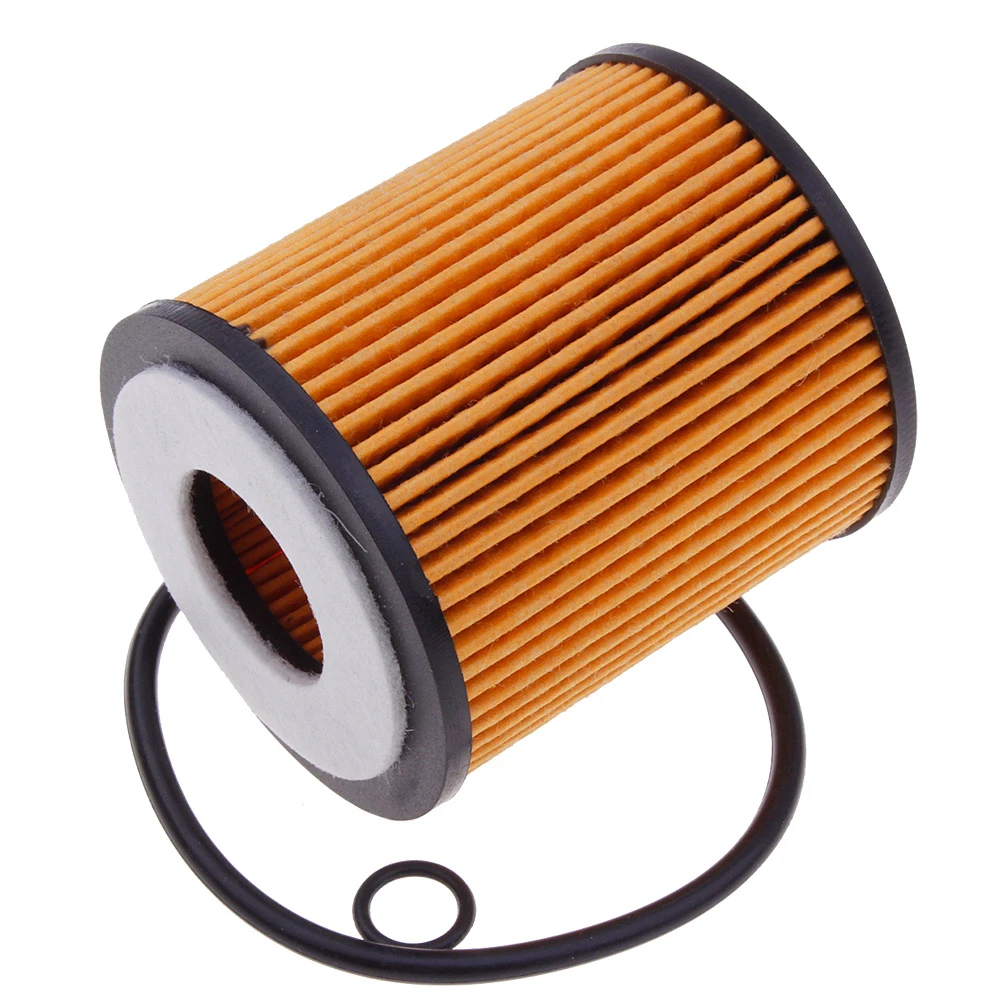
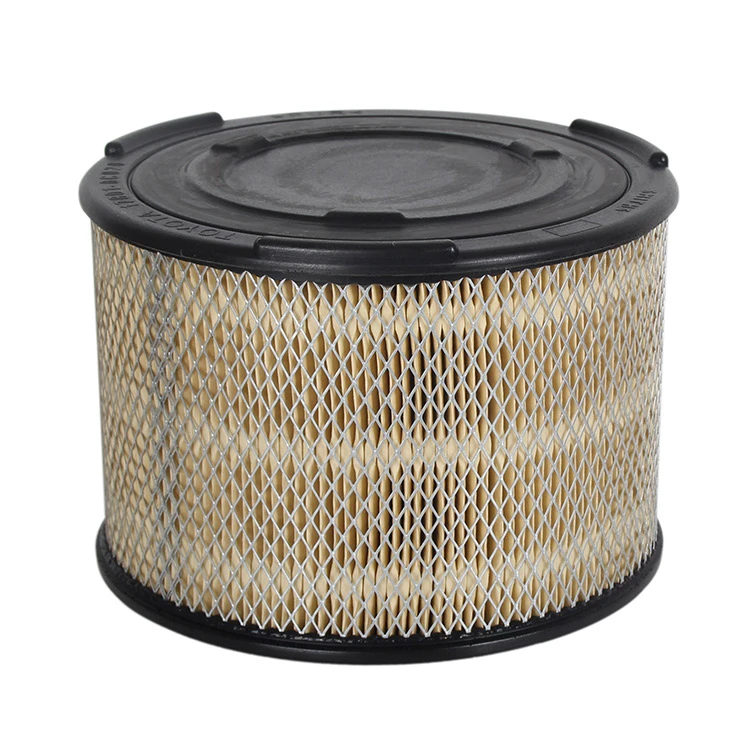
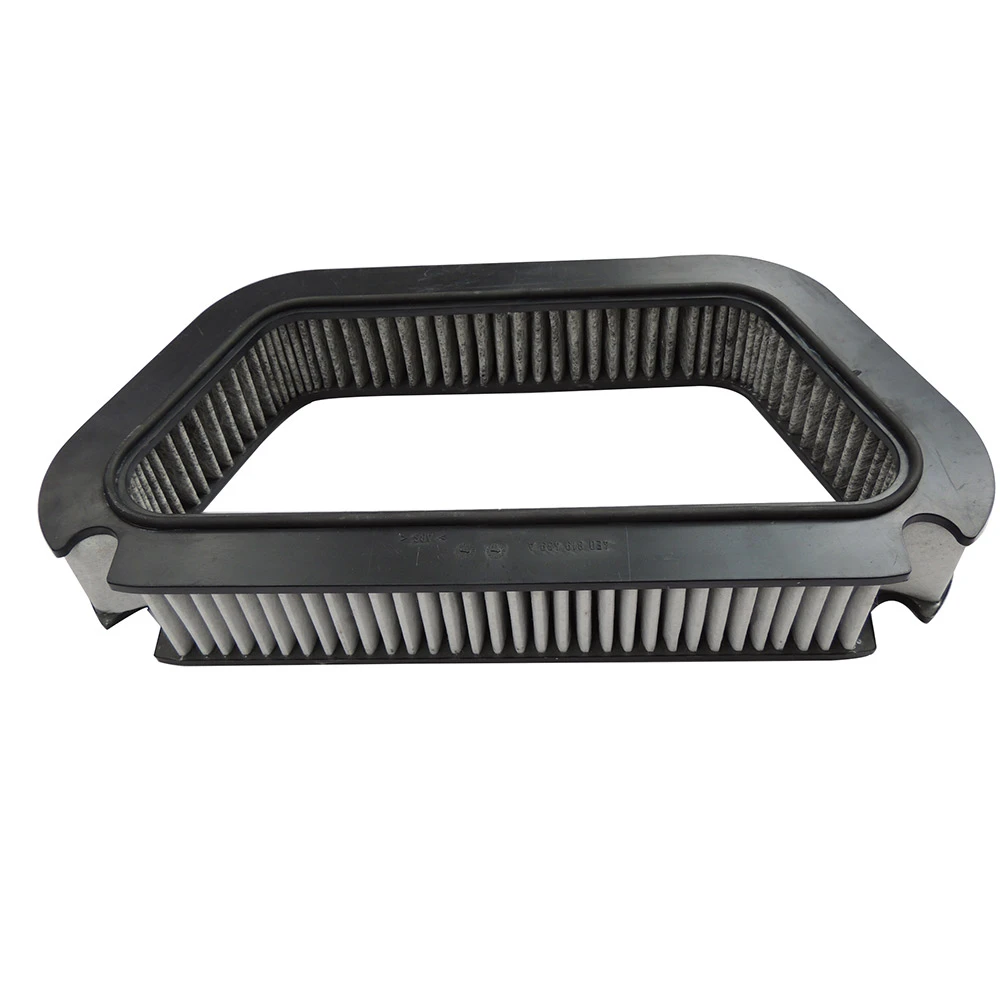
Not all filters are the same. Paper filters are inexpensive but clog faster, while premium cotton or synthetic varieties last longer and offer better airflow. Investing a bit more upfront can mean fewer replacements and better engine breathing.
4. Visual Inspection and Performance Symptoms
Sometimes, it’s not about mileage but the filter’s physical state and how the car feels. Signs like reduced power, poor acceleration, black smoke, or the check engine light can indicate a clogged filter. A quick inspection every few months wouldn’t hurt.
5. Environmental Pollution Levels
Living near factories, heavy traffic, or even in a region with frequent wildfires involves breathing in more particulates. In such cases, filters become saturated and clogged faster — meaning twice-per-year changes might be prudent, regardless of mileage.
Mini takeaway: How often you change your car’s engine air filter isn’t arbitrary — it’s influenced by driving style, environment, filter quality, and manufacturer guidelines, making a balanced approach essential.
Real-World Applications: Where It Makes a Difference
Take humanitarian relief convoys operating in harsh, dusty terrains or remote mining operations in Australia. These vehicles suffer from extreme dust exposure, where frequent filter changes prevent costly breakdowns. Similarly, taxi fleets in big cities rely on regular filter replacement to maximize uptime and reduce fuel costs.
In North America and Europe, drivers tend to follow manufacturer schedules more closely, supported by routine inspections. Meanwhile, in parts of Asia and Africa, irregular maintenance leads to accelerated engine wear and environmental damage — a gap international NGOs and agencies often try to bridge by spreading awareness.
Speaking of industry, car rental companies implement strict air filter replacement cycles to keep fleets reliable and customers happy. It’s often the unseen maintenance that keeps wheels turning without a hitch. Plus, certain regulators now incentivize maintenance compliance to reduce urban pollution.
Mini takeaway: Proper air filter change intervals are vital in settings ranging from urban centers to remote operations — impacting cost, reliability, and environmental footprint.
Advantages & Long-Term Value of Timely Air Filter Changes
- Fuel Efficiency: A clean filter improves air intake, optimizing combustion, which can save you up to 10% in fuel costs.
- Engine Longevity: Prevents abrasive particles from damaging engine components, extending overall life.
- Emissions Reduction: Cleaner air intake translates to more complete fuel burning and fewer pollutants.
- Cost Savings: Avoid costly engine repairs and improve resale value by maintaining proper schedules.
- Peace of Mind: Drivers feel more confident knowing their vehicle is running smoothly and safely.
On a more human level, maintaining your engine air filter regularly can feel like giving your car a deep breath after a rough day — simple but profoundly impactful.
Product Specification Table: Typical Engine Air Filters
| Specification | Standard Paper Filter | High-Flow Cotton Filter | Synthetic Fiber Filter |
|---|---|---|---|
| Typical Lifespan | 15,000 - 20,000 miles | 25,000 - 30,000 miles | 20,000 - 25,000 miles |
| Airflow Efficiency | Moderate | High | High |
| Cost | Low | Higher | Medium |
| Maintenance Required | Replace | Clean & Reuse | Replace |
Vendor Comparison: Popular Car Engine Air Filter Brands
| Brand | Filter Types | Price Range | Warranty | Special Features |
|---|---|---|---|---|
| K&N | Cotton Gauze, Oiled | $40-$70 | Million Mile Limited | Washable, Reusable |
| FRAM | Paper, Synthetic | $10-$25 | Limited | Wide Availability |
| Bosch | Paper, Synthetic | $15-$30 | 12-Month Warranty | OEM Quality |
| AEM | Synthetic, Dry | $50-$90 | Limited Lifetime | No Oil Needed |
Emerging Trends & Innovations in Engine Air Filter Maintenance
Funny enough, air filters are quietly evolving. With environmental concerns peaking, filter materials now incorporate nanofibers and electrostatically charged media designed to snag ultrafine particulates better than ever before. Plus, some new high-end models come with digital sensors that communicate filter condition to the vehicle’s dashboard — a kind of “check filter” light with actual data.
Green manufacturing processes also matter; more companies now produce biodegradable or recyclable filters. With vehicle electrification progressing, future cars might still need air filtration — for battery coolers or auxiliary combustion engines in hybrids — which could redefine replacement schedules.
Mini takeaway: The future of engine air filters is both high-tech and green, promising smarter maintenance and less environmental footprint.
Common Challenges and Expert Solutions
One major challenge is the “one-size-fits-all” mentality many drivers have. The truth: filters don’t age the same everywhere. Another issue involves filter quality — cheap, generic filters may clog faster or fail to protect engines fully.
Mechanics recommend a proactive approach: regularly inspect filters visually, especially if you drive in severe conditions. Some experts also suggest rotating between filter types — for example, trying a synthetic filter for harsh conditions, or a high-flow cotton filter for performance vehicles.
Lastly, educating drivers on recognizing symptoms of filter problems (reduced power, odd noises) can help catch issues early. After all, a well-maintained filter isn’t glamorous but it’s a silent guardian.
Frequently Asked Questions About How Often Should You Change Your Car Engine Air Filter
- Q: How can I tell if my car engine air filter needs changing?
- A: Look for signs like reduced acceleration, engine sputtering, black exhaust smoke, or a check engine light. Physically inspecting the filter for dirt and discoloration also helps. If it looks clogged or dark, it’s time to replace.
- Q: Does driving in the city require more frequent air filter changes?
- A: Yes, city driving often exposes filters to pollution and stop-and-go conditions, which can clog filters faster. Consider checking the filter every 12,000 miles or biannually.
- Q: Can I clean and reuse a paper engine air filter?
- A: Generally, paper filters are disposable. Cleaning attempts can damage them and reduce efficiency. However, some cotton or synthetic filters are designed to be cleaned and reused instead.
- Q: Will changing my engine air filter improve my fuel economy?
- A: Absolutely. A clean air filter improves airflow and combustion efficiency, which can modestly improve fuel mileage, sometimes by as much as 10%.
- Q: Where can I buy quality engine air filters suited for my vehicle?
- A: Trusted vendors like K&N, FRAM, Bosch, and AEM offer a range of options. Many local garages and online stores stock compatible filters. Visit https://www.jyfilter.com for recommendations tailored to your car.
Conclusion: Make Your Engine Breathe Easy and Last Longer
In the grand scheme, the question of how often should you change your car engine air filter might seem small, but it’s a crucial bit of maintenance knowledge that pays off in fuel savings, engine longevity, and reduced emissions. With tailored intervals based on your driving environment and using quality filters, you’ll keep your ride running smoothly and responsibly.
So next time you’re thinking about routine car care, don’t overlook that air filter. Your engine (and the planet) will thank you.
Visit our website: https://www.jyfilter.com for expert advice, filter options, and maintenance tips to keep your engine breathing clean.
References:
-
Guide on how often do you need to replace engine air filterNewsApr.16,2026
-
Learn how often do you replace air filter in car for engine healthNewsApr.09,2026
-
How Often Do You Replace Car Air Filter For Optimal Engine PerformanceNewsApr.07,2026
-
How Often Do You Replace Engine Air Filter For Optimal Vehicle PerformanceNewsApr.04,2026
-
Understanding How Often Does Engine Air Filter Need to Be Replaced for Optimal PerformanceNewsMar.31,2026
-
How Often Engine Air Filter Change Impacts Performance and LongevityNewsMar.28,2026
-
Understanding How Often to Replace Your Car Air Filter for Optimal PerformanceNewsMar.26,2026
Related Products