The Long Overlooked Question: How Often Should You Change Your Engine Air Filter?
Engine air filters might seem like the unsung heroes of your car’s performance—simple, cheap, and easy to overlook. Yet knowing how often should you change your engine air filter is surprisingly crucial, affecting everything from fuel efficiency to the environment. This question isn't just a minor maintenance issue; it plays a global role when you think about thousands of vehicles, industries, and even humanitarian efforts relying on engines running smoothly. So why does it matter globally? Because clean engines burn cleaner, emit less pollution, and last longer—important facts for a planet that’s trying, very hard, to breathe easier.
Why This Matters Globally: A Brief Look at the Big Picture
With over 1.4 billion vehicles on the road worldwide (International Organization of Motor Vehicle Manufacturers, 2023), engine health impacts not just personal expenses but also global carbon emissions. The World Bank reports that inefficient engines contribute disproportionately to urban air pollution, which causes over 4 million premature deaths annually (WHO, 2021). A clogged or dirty air filter strains an engine's performance, increasing fuel consumption and emissions. Regularly changing filters helps mitigate these issues—something that’s both practical and humanitarian. Even in industrial zones or remote areas reliant on diesel engines, this tiny component makes a big difference.
So, the big challenge addressed by understanding how often to change your engine air filter is simple: maintaining optimal engine conditions to save fuel, reduce emissions, and avoid costly repairs down the line.
What Does ‘How Often Should You Change Your Engine Air Filter’ Really Mean?
At its core, the question revolves around maintenance scheduling. It boils down to determining the ideal interval—measured in months or miles—to replace the air filter that keeps dirt, dust, and debris from entering your engine. Too often? Wasteful. Too seldom? Risky. It’s a balancing act that even engine manufacturers weigh carefully. This maintenance decision connects to modern industry because vehicle uptime, efficiency, and emissions standards are key factors for businesses, governments, and individuals alike.
In humanitarian and industrial contexts, for example, reliable engine performance is a matter of safety and access. Emergency vehicles, aid delivery trucks, and power generators all depend on clean air filters to avoid breakdowns when every minute counts.
Key Factors Influencing Filter Replacement Frequency
- Driving Conditions: Frequent dusty roads or urban pollution usually means changing air filters more often—sometimes every 10,000 miles or less.
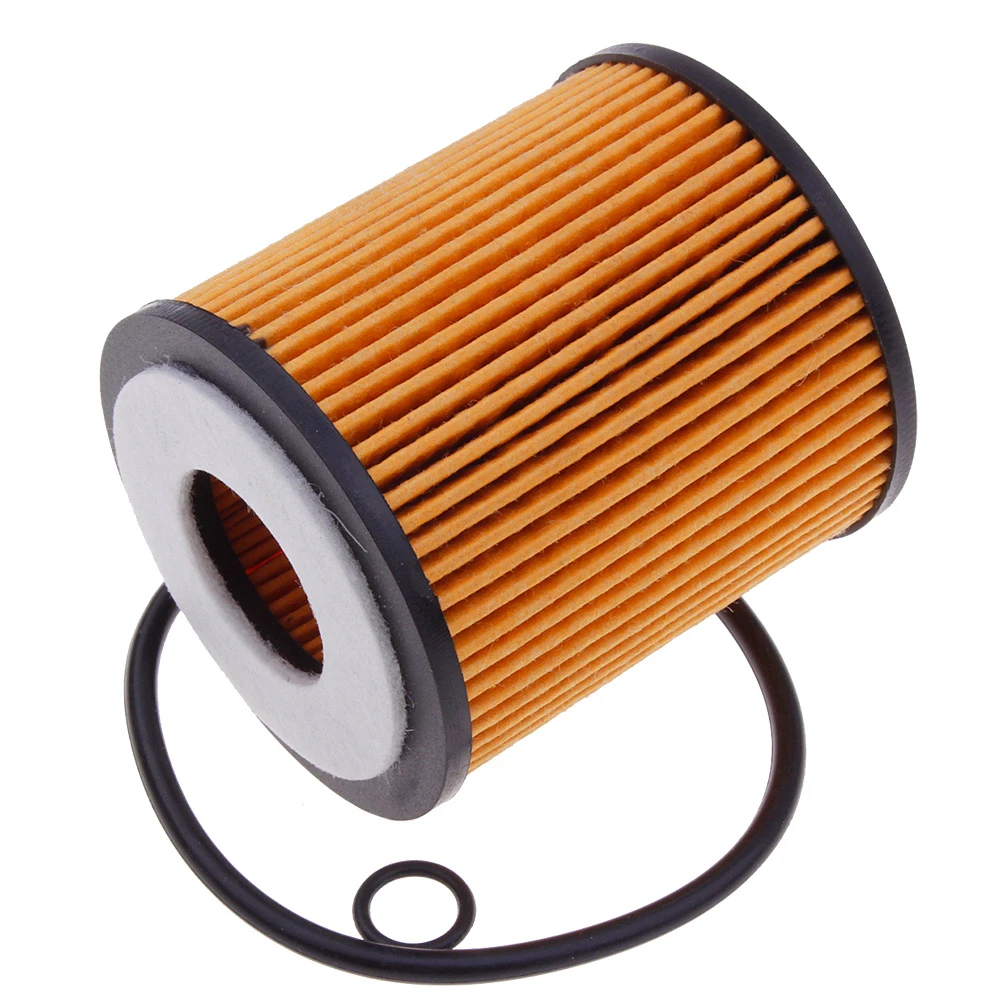
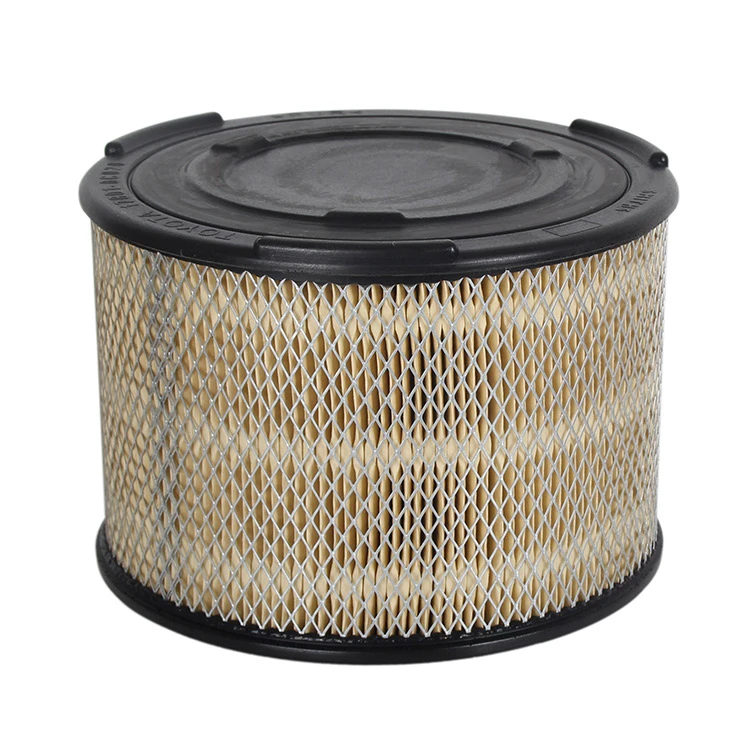
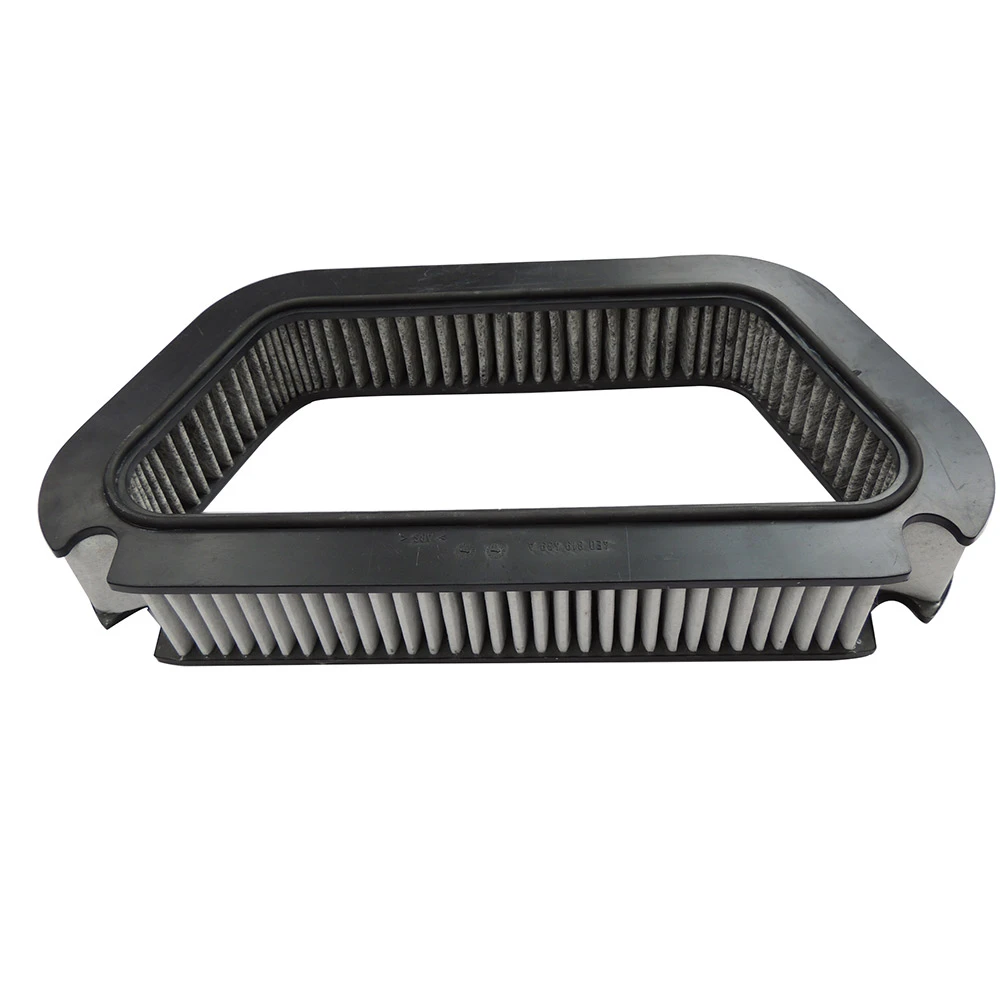
- Filter Type: High-efficiency filters might last longer but cost more upfront. Paper filters are common but require stricter interval adherence.
- Engine Model & Age: Older engines may need more frequent changes due to wear and reduced tolerances.
- Manufacturer Recommendations: Always a starting point, but often adjusted by real-world conditions.
- Fuel Economy Impact: Dirty filters can reduce efficiency by up to 10%, so monitoring fuel use indirectly helps decide timing.
- Environmental Regulation: Emission standards push industries and individuals to keep engines cleaner.
Mini takeaway: It’s less about rigid schedules and more about context—your unique driving habits, environment, and engine type play key roles.
How These Factors Play Out in Real-World Applications
In places like Australia’s Outback or parts of India, intense dust and heat demand more frequent air filter changes. Meanwhile, urban centers with smog issues also challenge filter efficiency quickly. Industrial sectors—from mining trucks in Canada to emergency response fleets in Europe—depend heavily on precise maintenance schedules. Aid groups in disaster-prone regions highlight that keeping satellites, generators, and vehicles operational hinges on such routine preventive care.
Take the example of a humanitarian NGO operating in Sudan: they noted a 30% drop in generator uptime before implementing a strict filter replacement routine. That uptick in reliability meant better water purification and medical aid during critical times.
| Specification | Typical Engine Air Filter |
|---|---|
| Material | Pleated Paper / Synthetic |
| Average Lifespan | 12,000 - 15,000 miles (19,000 - 24,000 km) |
| Replacement Cost | $15 - $40 USD |
| Effect on Fuel Efficiency | Up to 10% improvement post replacement |
| Environmental Impact | Reduced emissions with clean filters |
Advantages & Long-Term Value of Timely Filter Changes
On the surface, changing your engine air filter regularly sounds like a small chore—yet the benefits ripple widely. For one, the owner saves money on fuel and avoids costly repairs caused by dirt entering the engine. For the environment, cleaner engines produce fewer hydrocarbons and particulate emissions, improving air quality (EPA, 2022). Socially, it fosters trust in vehicle reliability—vital for commercial transport and emergency services.
And frankly, there’s a peace of mind in knowing your car or truck will start smoothly, breathe easy, and perform at its best every day. It’s a small action with surprisingly big returns over time, much like changing the oil or checking tire pressure.
Emerging Trends & Future Innovations
The future of engine air filter maintenance is leaning toward smarter, more sustainable solutions. Innovations include:
- Smart Sensors: Filters embedded with digital sensors to monitor dirt buildup and send alerts—no more guesswork.
- Eco-Friendly Materials: Biodegradable or recyclable filter media aiming to reduce landfill waste.
- Improved Synthetic Media: Offering longer lifespan and better filtration in harsher environments.
- Integration with Vehicle Diagnostics: Part of the evolving Internet of Things (IoT) in automotive tech.
Current Challenges & Smart Fixes
Despite all this, the big challenge remains compliance: many drivers simply forget or neglect this maintenance step. Others replace filters too late because symptoms only appear once damage is done. To combat this, some manufacturers have started bundling reminders directly into the car’s dashboard software. Additionally, community education through localized campaigns—especially in emerging markets—helps boost awareness.
| Vendor | Filter Types | Average Lifespan | Price Range (USD) | Technology |
|---|---|---|---|---|
| Brand A | Synthetic & Paper | 12,000 miles | $20 - $35 | Standard filtration |
| Brand B | High-efficiency synthetic | 15,000 miles | $30 - $45 | Sensor integrated |
| Brand C | Recyclable media | 12,000 miles | $25 - $40 | Eco-friendly design |
FAQ: Your Quick Questions on How Often to Change Engine Air Filters
1. How do I know when it’s time to replace my engine air filter?
Most manufacturers recommend checking every 12,000 to 15,000 miles, but dusty or harsh conditions may require earlier changes. Signs include decreased fuel efficiency, rough idling, or a check engine light. Visual inspection is simple—if it looks dark and clogged, it probably is.
2. Can I clean and reuse my engine air filter instead of replacing it?
Some filters labeled as reusable can be carefully cleaned with compressed air or washing, but most disposable types should be replaced. Cleaning is only advisable if specified by manufacturer guidelines to avoid engine damage.
3. Does changing my air filter really improve fuel economy?
Yes, a clogged filter restricts airflow, causing the engine to burn more fuel. Cleaning or replacing it can improve mileage by roughly 5-10%, depending on driving conditions.
4. Are expensive high-performance filters worth it for everyday vehicles?
For typical daily driving, standard paper or synthetic filters suffice. High-performance filters offer benefits mostly for racing or specific environments but may not be cost-effective for average drivers.
5. Where can I find quality replacement filters and advice?
Trusted automotive stores, dealer workshops, and online vendors like jyfilter.com offer genuine products and expert guidance tailored to your vehicle.
Wrapping It Up: Why It Pays to Keep an Eye on Your Engine Air Filter
In short, knowing how often should you change your engine air filter isn’t just about routine upkeep—it’s about saving money, protecting the environment, and ensuring your vehicle or equipment is ready for whatever’s next. Whether you drive across dusty plains, manage heavy machinery, or rely on emergency vehicles, timely filter changes help everyone breathe—both literally and figuratively—easier.
If you want detailed advice tailored to your vehicle or industrial needs, don’t hesitate to visit our website and keep your engine running at its freshest.
Mini takeaway: Clean air in, clean air out—your engine deserves nothing less.
References:
1. International Organization of Motor Vehicle Manufacturers (2023). Vehicle Statistics.
2. World Health Organization (2021). Air Pollution and Health.
3. Environmental Protection Agency (EPA, 2022). Vehicle Emissions and Maintenance.
-
Guide on how often do you need to replace engine air filterNewsApr.16,2026
-
Learn how often do you replace air filter in car for engine healthNewsApr.09,2026
-
How Often Do You Replace Car Air Filter For Optimal Engine PerformanceNewsApr.07,2026
-
How Often Do You Replace Engine Air Filter For Optimal Vehicle PerformanceNewsApr.04,2026
-
Understanding How Often Does Engine Air Filter Need to Be Replaced for Optimal PerformanceNewsMar.31,2026
-
How Often Engine Air Filter Change Impacts Performance and LongevityNewsMar.28,2026
-
Understanding How Often to Replace Your Car Air Filter for Optimal PerformanceNewsMar.26,2026
Related Products