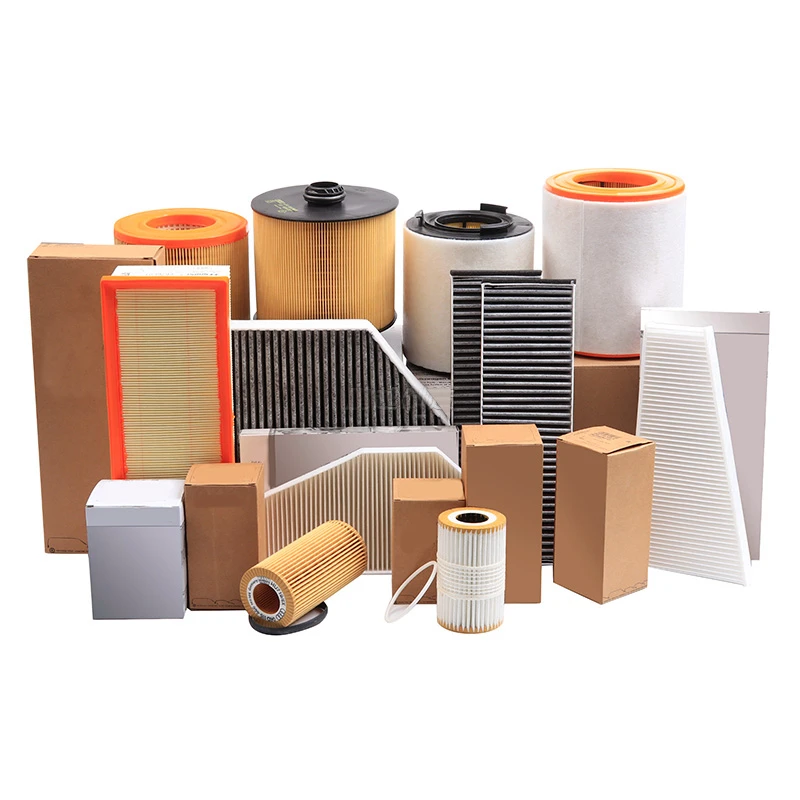
How Often Should You Change Your Car Cabin Air Filter? Understanding Maintenance for Cleaner Air
It might sound like a small detail, but honestly, knowing how often to change your car cabin air filter can make a big difference—not only for your vehicle’s performance but for your health too. Globally, millions drive daily in environments polluted with dust, pollen, and other airborne nasties, making the cabin air filter a tiny hero against those threats. Plus, a well-maintained filter helps your car’s HVAC system work efficiently, which ultimately saves you money and stress. Let’s unpack why this matter is more vital than it sounds.
Introduction: A Global Perspective on Car Cabin Air Filter Maintenance
Air pollution isn’t just a buzzword—around the world, it affects over 90% of the urban population, according to the World Health Organization. Many studies, including those by the UN Environment Programme, highlight how humans spend most of their time indoors or inside vehicles. Your car’s cabin air filter acts as your first line of defense, trapping pollutants and allergens before they invade your space. Oddly enough, many drivers overlook this component until they notice a musty smell or reduced airflow.
But here’s the catch: the issue with ignoring cabin air filter changes isn’t merely ‘annoying odors.’ When filters get clogged, they reduce airflow and strain your car’s cooling system—potentially increasing fuel consumption and wear. For ecosystems or urban zones burdened by pollution spikes, this filter’s upkeep is a simple intervention that enhances comfort and health.
What Exactly Is 'How Often Should You Change Your Car Cabin Air Filter'?
In plain terms, the phrase refers to the recommended frequency or intervals at which a car owner should replace their vehicle’s cabin air filter. It’s a maintenance routine that aligns with the filter’s ability to trap dust, pollen, mold spores, and pollution particles from the outside air before it circulates inside the car. The concept is directly tied to broader vehicle maintenance standards and public health considerations.
Car manufacturers generally suggest intervals ranging from 12,000 to 15,000 miles, or approximately once every year. However, this timeline can vary depending on driving conditions, air quality, and usage frequency. It’s an intersection between mechanical upkeep and personal well-being—one overlooked too often.
Key Factors Affecting How Often to Change Your Car Cabin Air Filter
1. Driving Environment
Urban drivers face different challenges compared to rural commuters. City air laden with smog and particulates clogs filters faster. Similarly, dusty or gravel roads can overload the filter quicker, suggesting more frequent changes.
2. Vehicle Usage and Mileage
Hardcore commuters covering high mileage probably need to swap their cabin filter sooner than weekend drivers. Usage intensity and HVAC operation hours come into play here.
3. Allergies and Health Concerns
People with respiratory issues or allergies should be especially vigilant, because a clean cabin filter can reduce exposure to irritants significantly.
4. Filter Type and Quality
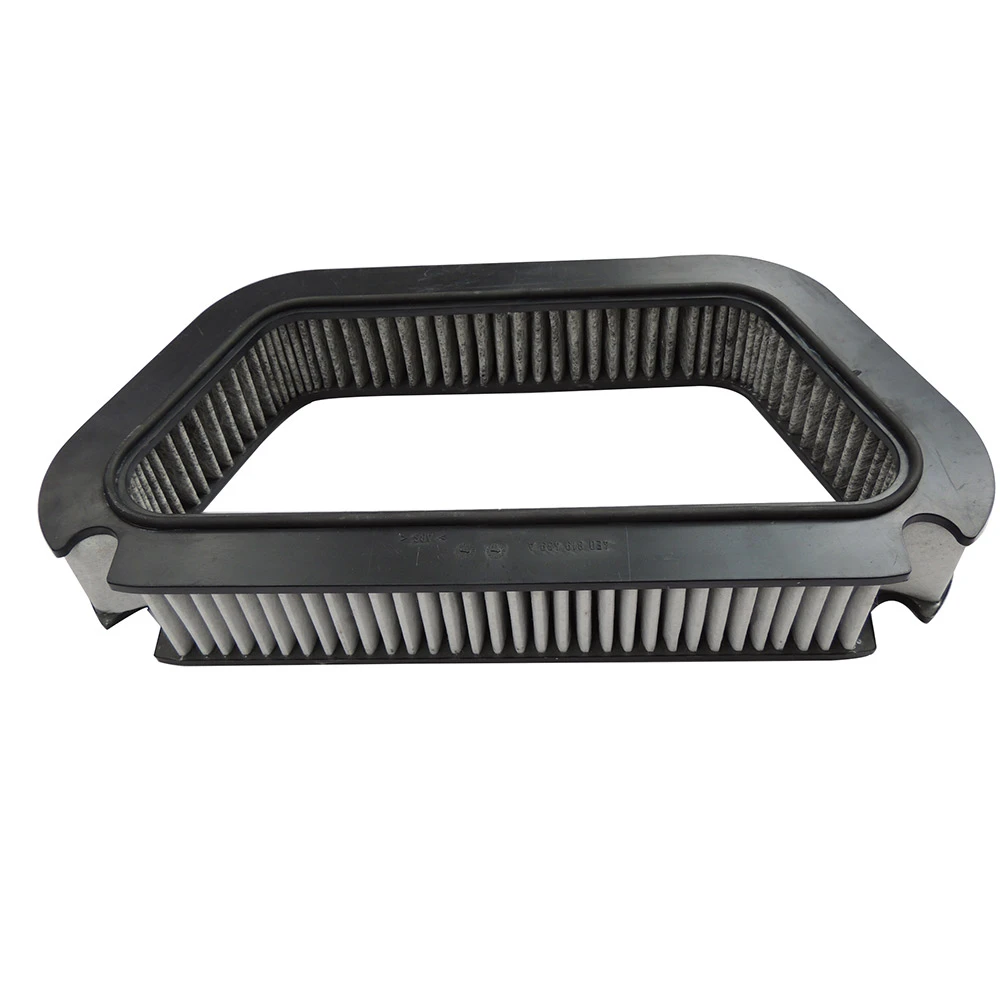
Filters vary widely—from basic paper types to advanced activated carbon and HEPA filters. Higher-end options generally capture smaller particles and last longer but cost more upfront.
5. Climate and Seasonal Changes
Springtime pollen or fall dust align with seasonal filter replacements. Some opt for more frequent changes during allergy season for extra protection.
Global Applications and Use Cases
Changing cabin air filters regularly is a practice across continents—from the congested streets of Mumbai to highways in Germany. Public transport fleets, taxi companies, and rideshare services often prioritize cabin air filter replacement to enhance passenger comfort and minimize health risks. In regions with high environmental dust like the Middle East, replacement intervals are shorter to maintain efficiency.
In humanitarian missions where vehicles traverse dusty or disaster-affected areas, filtering outside air is crucial for health protection of aid workers and survivors alike. Even in remote industrial zones, equipment operators depend on clean cabin air to stay alert and safe.
Advantages and Long-Term Value of Timely Cabin Air Filter Changes
- Cost savings: Efficient airflow reduces HVAC strain, improving fuel efficiency and reducing wear on mechanical parts.
- Health benefits: Lower exposure to airborne pollutants means fewer allergies and respiratory problems.
- Comfort: Minimizing odors and keeping the car interior fresh enhances ride quality.
- Environmental impact: A well-maintained filter supports cleaner emissions and longer vehicle lifecycle.
On a more emotional note, a clean car feels like a personal sanctuary. It’s about trust—trust in your vehicle to support your daily life with dignity and safety.
Product Specifications: Typical Car Cabin Air Filters
| Specification | Standard Paper Filter | Activated Carbon Filter | HEPA Filter |
|---|---|---|---|
| Particle Filtration Efficiency | ~70% | ~85% | >99% |
| Lifetime (mileage) | 12,000 miles | 15,000 miles | 20,000 miles |
| Cost Range | $10 - $20 | $20 - $40 | $40 - $70 |
| Odor & Gas Removal | Minimal | Good | Excellent |
Major Vendors: Cabin Air Filter Comparison
| Brand | Filter Type | Price Range | Warranty | Notable Features |
|---|---|---|---|---|
| Mann-Filter | Standard & Carbon | $15 - $35 | 12 months | Wide availability, OEM quality |
| Bosch | Activated Carbon | $20 - $45 | 2 years | High filtration efficiency, anti-odor |
| FRAM | Standard & HEPA | $12 - $50 | 18 months | Affordable, high particulate capture |
Future Trends and Innovations
As concerns about air quality gain traction, cabin air filters are evolving. Manufacturers are experimenting with nanofiber materials that can trap ultrafine particles better without sacrificing airflow. Some innovative filters incorporate antimicrobial coatings to reduce mold and bacteria growth—pretty handy if you tend to park your car for weeks.
Digitally, sensor-driven “smart filters” are emerging. These devices notify drivers when a replacement is overdue, tailored to actual air quality and driving conditions rather than just mileage. It’s a neat step towards precision maintenance aligned with the broader trends in car automation and IoT integration.
Challenges and Practical Solutions
Real talk: many vehicle owners neglect cabin air filter replacement simply because they don’t know when it’s due—or how to check it. Unfortunately, this can lead to clogged filters, reduced comfort, and extra HVAC wear. Some vehicles make accessing these filters tricky, complicating DIY replacements.
Expert advice? Regular checks at every oil change can do wonders, and pairing that with professional service ensures filters stay fresh. Also, investing in higher-quality filters might seem pricey, but they often offer longer life and better performance, offsetting frequent swaps.
FAQ: Frequently Asked Questions About How Often to Change Your Car Cabin Air Filter
Q1: How can I tell if my cabin air filter needs changing?
A: Common signs include reduced airflow through your AC vents, unpleasant odors, increased dust inside your car, or visible dirt/leaves on the filter itself. If you notice hazy windows when using climate control, that’s a red flag too.
Q2: Is it necessary to replace the cabin air filter every year?
A: Not always. It depends on your mileage and environment. For instance, drivers in dusty or polluted areas should change filters more frequently, possibly every 6-9 months, while others might go up to 15,000 miles or once yearly comfortably.
Q3: Can I clean my cabin air filter instead of replacing it?
A: Most cabin air filters are designed to be disposable; cleaning can damage their delicate media and reduce effectiveness. Some specialty filters may be washable, but check manufacturer guidelines before attempting.
Q4: Does changing the cabin air filter improve fuel efficiency?
A: Indirectly, yes. A clogged filter strains your climate control system, which can make the engine work harder, potentially increasing fuel use slightly. Staying on top of replacements supports optimal HVAC operation.
Q5: Where can I buy reliable cabin air filters?
A: Trusted automotive parts shops, dealership service centers, and reputable online sites like jyfilter.com offer quality filters suitable for most vehicle makes and models.
Conclusion: Keep Your Car’s Breath Fresh and Clean
To wrap it up, understanding how often you should change your car cabin air filter isn’t just about vehicle upkeep—it’s about protecting yourself and your passengers from pollutants, enhancing comfort, and extending your vehicle’s lifespan. Regular filter changes pay off through cleaner air, lower maintenance costs, and a more pleasant driving experience. For detailed guidance and expert-grade filters, feel free to visit our website. Your lungs (and your car) will thank you.
Mini takeaway: Changing your car’s cabin air filter on schedule is one of those simple habits that leads to disproportionate benefits—healthier air, better performance, and long-term savings.
References:
-
Guide on how often do you need to replace engine air filterNewsApr.16,2026
-
Learn how often do you replace air filter in car for engine healthNewsApr.09,2026
-
How Often Do You Replace Car Air Filter For Optimal Engine PerformanceNewsApr.07,2026
-
How Often Do You Replace Engine Air Filter For Optimal Vehicle PerformanceNewsApr.04,2026
-
Understanding How Often Does Engine Air Filter Need to Be Replaced for Optimal PerformanceNewsMar.31,2026
-
How Often Engine Air Filter Change Impacts Performance and LongevityNewsMar.28,2026
-
Understanding How Often to Replace Your Car Air Filter for Optimal PerformanceNewsMar.26,2026
Related Products