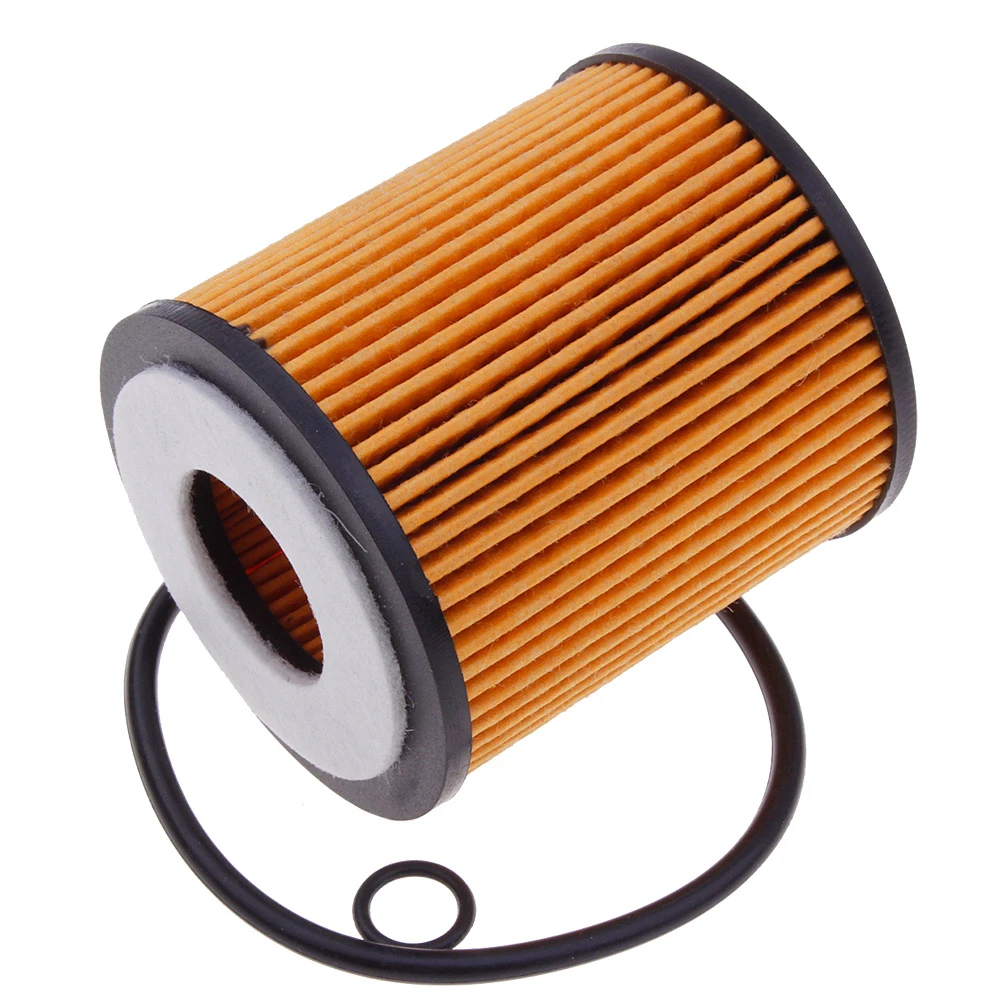
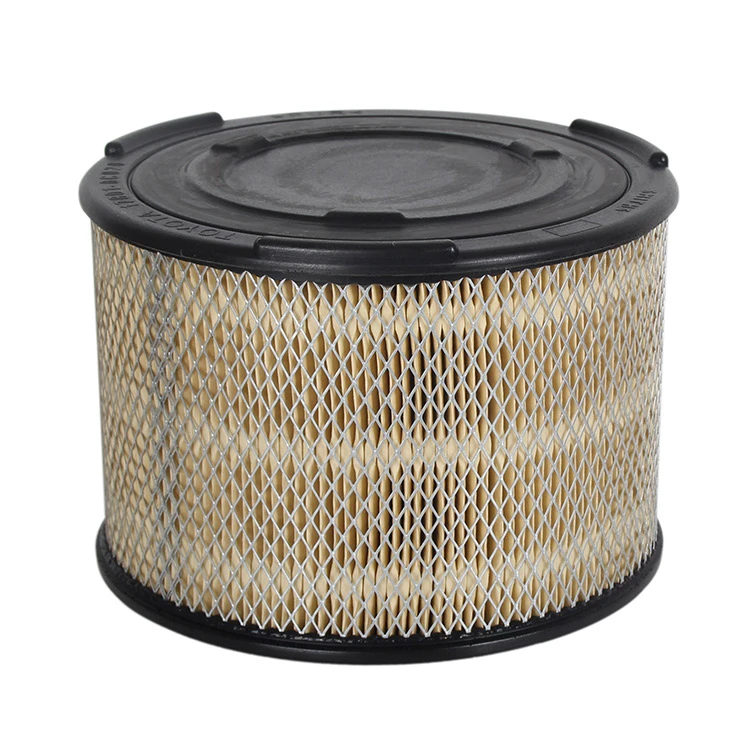
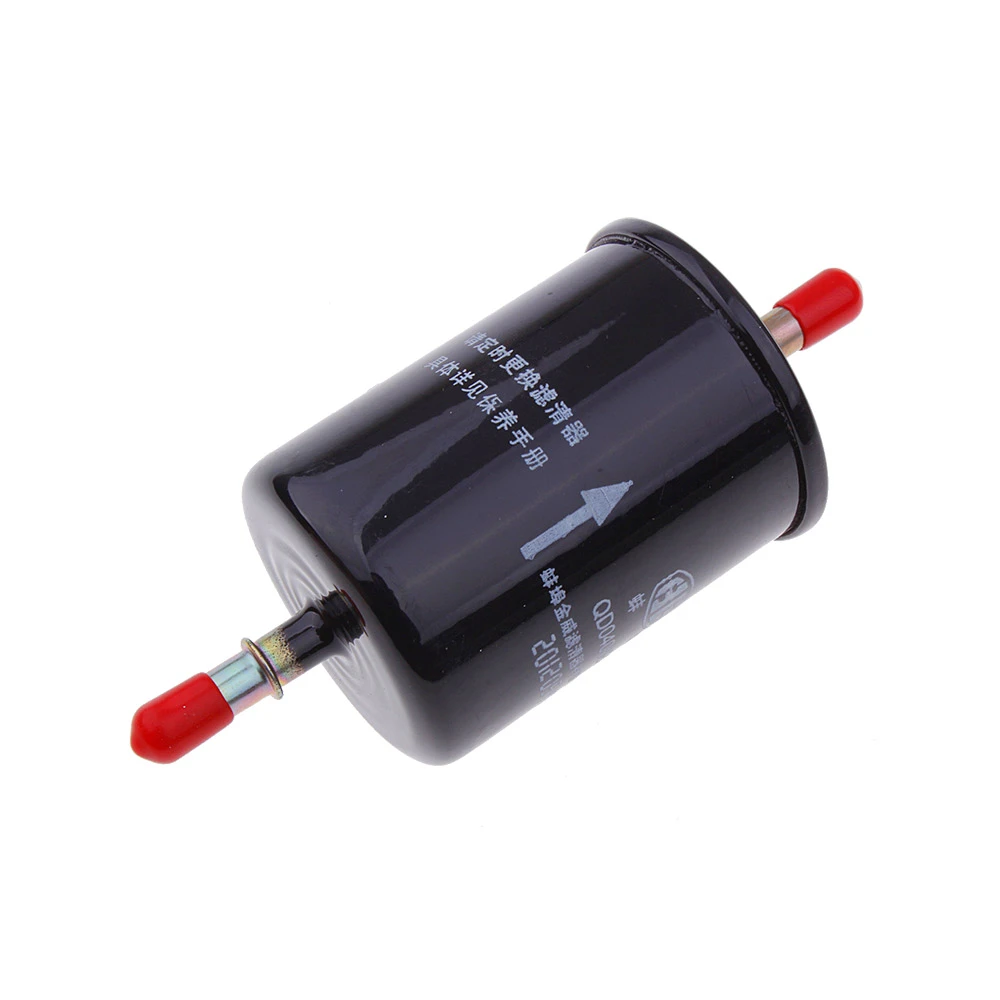
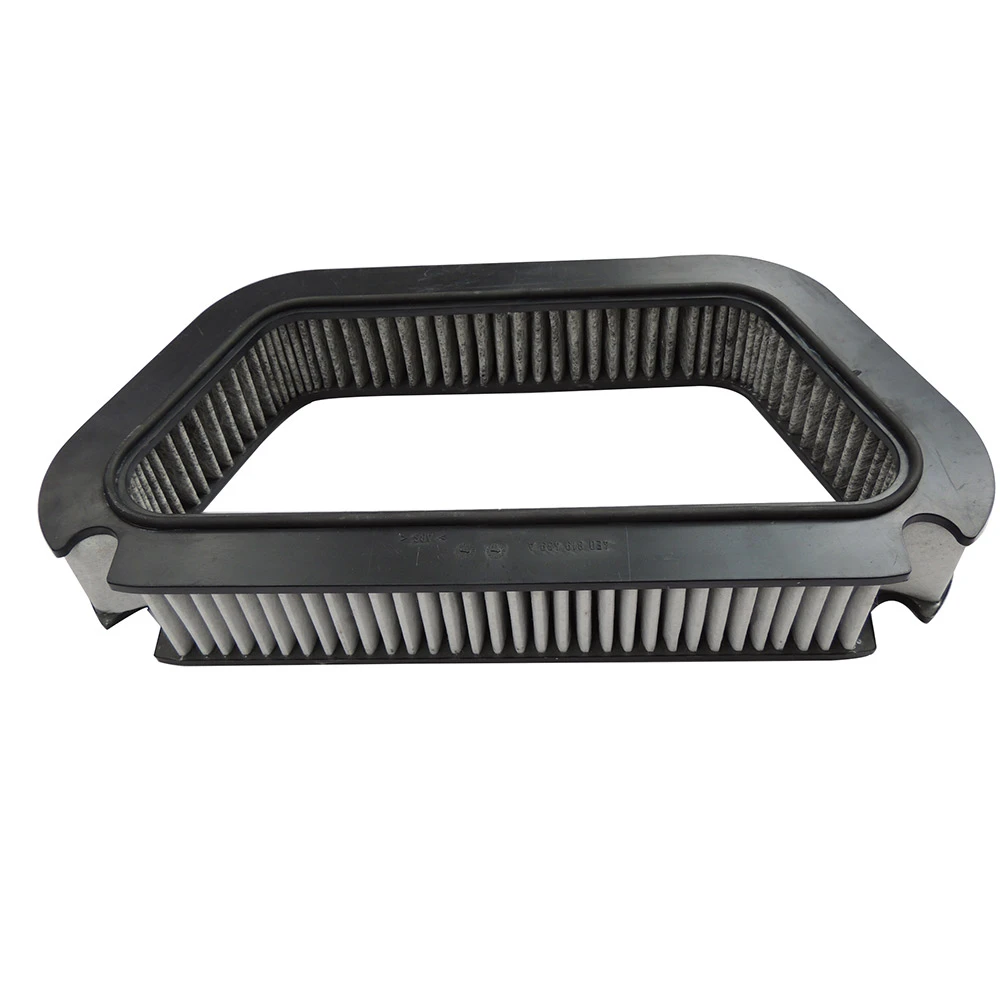
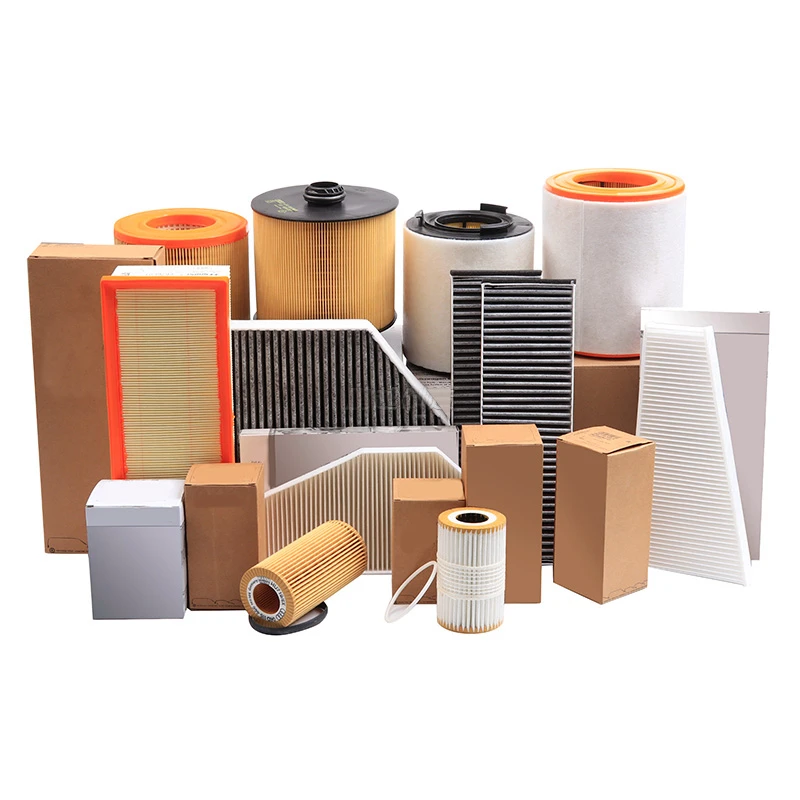
How Often Should You Change Your Car Ac Filter is a key solution in the automotive and fleet management industries, specifically within aftermarket maintenance services. This article explores how https://www.jyfilter.com supports professionals with durable, high-performance products, and explains why this product is an ideal choice for businesses operating in commercial vehicle upkeep and OEM supply chains.
Table of Contents
- How Often Should You Change Your Car Ac Filter Overview
- Benefits & Use Cases of How Often Should You Change Your Car Ac Filter
- Cost, Maintenance & User Experience
- Sustainability & Market Trends
How Often Should You Change Your Car Ac Filter Overview
Simply put, an automotive air conditioning (AC) filter is a crucial component preventing dust, pollen, and other pollutants from entering the vehicle’s cabin. It may not be the flashiest part of the car, but it definitely makes a noticeable impact on air quality and climate control effectiveness inside the vehicle. So, the question naturally arises: how often should you change your car AC filter? Getting this timing right can mean better air quality inside vehicles and longer AC system life — a win-win for fleet owners and automotive businesses.
At a technical level, these filters often combine multi-layer media including electrostatically charged fibers to trap ultrafine particles. Jy Filter’s products, for example, boast filtration efficiencies above 99%, tested rigorously under simulated real-world conditions to endure varying vehicle types and environments. Oddly enough, many businesses underestimate the invisible toll a clogged AC filter takes on HVAC performance, potentially increasing system strain and fuel usage.
| Specification | Jy Filter Car AC Filter |
|---|---|
| Filtration Efficiency | ≥ 99% (PM2.5 and larger) |
| Material | Multi-layer synthetic fibers |
| Compatible Vehicle Types | Passenger cars, commercial fleets |
| Replacement Interval | Every 12,000 to 15,000 miles (approximate) |
| Certifications | ISO 9001, ISO 14001 |
Benefits & Use Cases of How Often Should You Change Your Car Ac Filter
In real terms, using high-quality filters that are replaced at recommended intervals directly impacts comfort and health, especially in commercial vehicles that often accumulate dust and debris faster due to frequent operation in diverse environments. Jy Filter products are designed not only for standard passenger cars but also for buses, delivery trucks, and other fleet vehicles that face harsher particulate loads.
One advantage is their durability and consistent performance over long miles, cutting down the downtime for maintenance. Many fleet managers I’ve spoken to swear by these to reduce cabin dust accumulation and maintain HVAC system health — which, frankly, impacts driver satisfaction and safety. The competitive edge here is the combination of high filtration efficiency fused with understated longevity, making these filters cost-effective and reliable.
Cost, Maintenance & User Experience
Costs may initially feel like a sticking point for some companies, but Jy Filter's focus on quality means less frequent replacements and a clearer return on investment. Filters that clog prematurely can cause the AC compressor to work harder, which means higher fuel consumption and repair bills down the road. It’s the classic “pay now or pay more later” situation.
Customer feedback from large fleet operators indicates that switching to Jy Filter resulted in a roughly 15% increase in filter lifespan compared to generic alternatives, plus noticeable improvements in air flow and cabin air quality. Maintenance teams particularly appreciate the consistency in filter dimensions and fitment — no need to fiddle around trying to force an off-spec part into place. I suppose that small detail shouldn’t be underestimated.
| Feature | Jy Filter | Generic Alternatives | OEM Brands |
|---|---|---|---|
| Average Lifespan (miles) | 12,000 - 15,000 | 8,000 - 10,000 | 12,000 - 14,000 |
| Filtration Efficiency (%) | ≥ 99 | 85-90 | ≥ 98 |
| Cost per Unit | $$ | $ | $$$ |
| Warranty | 2 Years | 1 Year | 2 Years |
Sustainability & Market Trends
The push toward greener practices extends beyond the tailpipe these days. Sustainability in vehicle maintenance — including using recyclable filter materials and minimizing waste by optimizing replacement intervals — has become a focal point. Jy Filter's commitment to ISO 14001 certification is a testament to their effort in this direction, a detail that’s increasingly sought after by B2B buyers.
Also, regulations regarding interior air quality in commercial and public transport have tightened in many regions, nudging operators to be more vigilant. As fleets adopt connected vehicle technologies, maintenance data collected electronically also supports predictive replacement schedules, meaning “how often should you change your car AC filter” is shifting from a rule of thumb to a data-driven decision. It feels like we’re finally moving toward smarter fleet health altogether.
Frequently Asked Questions about How Often Should You Change Your Car Ac Filter
- What is How Often Should You Change Your Car Ac Filter and how does it work?
- It refers to the recommended frequency at which a vehicle’s air conditioning filter should be replaced to maintain optimal air quality and system efficiency. The filter traps airborne particles, preventing them from entering the cabin and damaging HVAC components.
- What are the main benefits of using How Often Should You Change Your Car Ac Filter in industrial applications?
- Key benefits include improved air quality, reduced strain on HVAC systems, and increased passenger comfort. In industrial fleets, it also helps reduce operational costs by minimizing breakdowns and enhancing fuel efficiency.
- How does How Often Should You Change Your Car Ac Filter compare to traditional alternatives?
- Modern filters, like those from Jy Filter, provide higher filtration efficiency, longer lifespan, and better fitment compared to older or generic options, leading to tangible performance improvements and cost savings.
- What industries can benefit most from How Often Should You Change Your Car Ac Filter implementation?
- Transportation, logistics, public transit, and heavy equipment sectors benefit significantly, where maintaining clean cabin air and HVAC reliability directly impacts safety, regulatory compliance, and operational continuity.
Conclusion on How Often Should You Change Your Car Ac Filter from china
To wrap up, answering how often you should change your car AC filter wisely is more than just ticking a maintenance box. The right choice, like sourcing from Jy Filter, means improved air quality, extended system life, and lower overall costs — especially critical in commercial and heavy-duty contexts. Visiting their website can be a first step toward optimizing your vehicle maintenance program with filters that strike a great balance between cost and performance.
- Recap the value of How Often Should You Change Your Car Ac Filter.
- Visit our website: https://www.jyfilter.com
It always impresses me how a seemingly small component like the car AC filter quietly affects comfort, safety, and costs. Next time you think about maintenance, remember – this little part deserves some consideration.
- Jy Filter official product testing reports, 2023.
- Industry maintenance surveys, Fleet Management Quarterly, 2022.
- ISO standards on filtration and sustainability (ISO 9001, ISO 14001).
-
Guide on how often do you need to replace engine air filterNewsApr.16,2026
-
Learn how often do you replace air filter in car for engine healthNewsApr.09,2026
-
How Often Do You Replace Car Air Filter For Optimal Engine PerformanceNewsApr.07,2026
-
How Often Do You Replace Engine Air Filter For Optimal Vehicle PerformanceNewsApr.04,2026
-
Understanding How Often Does Engine Air Filter Need to Be Replaced for Optimal PerformanceNewsMar.31,2026
-
How Often Engine Air Filter Change Impacts Performance and LongevityNewsMar.28,2026
-
Understanding How Often to Replace Your Car Air Filter for Optimal PerformanceNewsMar.26,2026
Related Products