How Often Should You Change Your Car Cabin Filter? A Simple but Crucial Question
When you hop in your car, breathing clean air might not be top of mind, but it’s surprisingly important—and it all comes down to one little component: the cabin air filter. Knowing how often you should change your car cabin filter can impact everything from your health and comfort to your HVAC system's efficiency and even car resale value. Globally, with millions of vehicles on the road, proper maintenance of cabin filters affects public health, environmental sustainability, and energy consumption. The better we understand this, the better we can keep air quality safe and reduce avoidable costs.
Introduction: Why Does This Matter Globally?
The World Health Organization estimates that air pollution causes around 7 million premature deaths a year worldwide. Inside your car, pollutants like dust, pollen, and exhaust can accumulate quickly, especially in places with high traffic or industrial activity. It’s no surprise that cabin filters play a vital role in improving the air drivers and passengers breathe.
Oddly enough, despite the obvious benefits, many drivers overlook the cabin filter. According to industry surveys, nearly 60% of car owners don’t replace theirs on schedule. This oversight can cause strain on HVAC systems and diminished air quality, which is a problem both for individuals and on a broader scale given rising urban pollution and growing awareness around respiratory health.
What Is a Car Cabin Filter, Really?
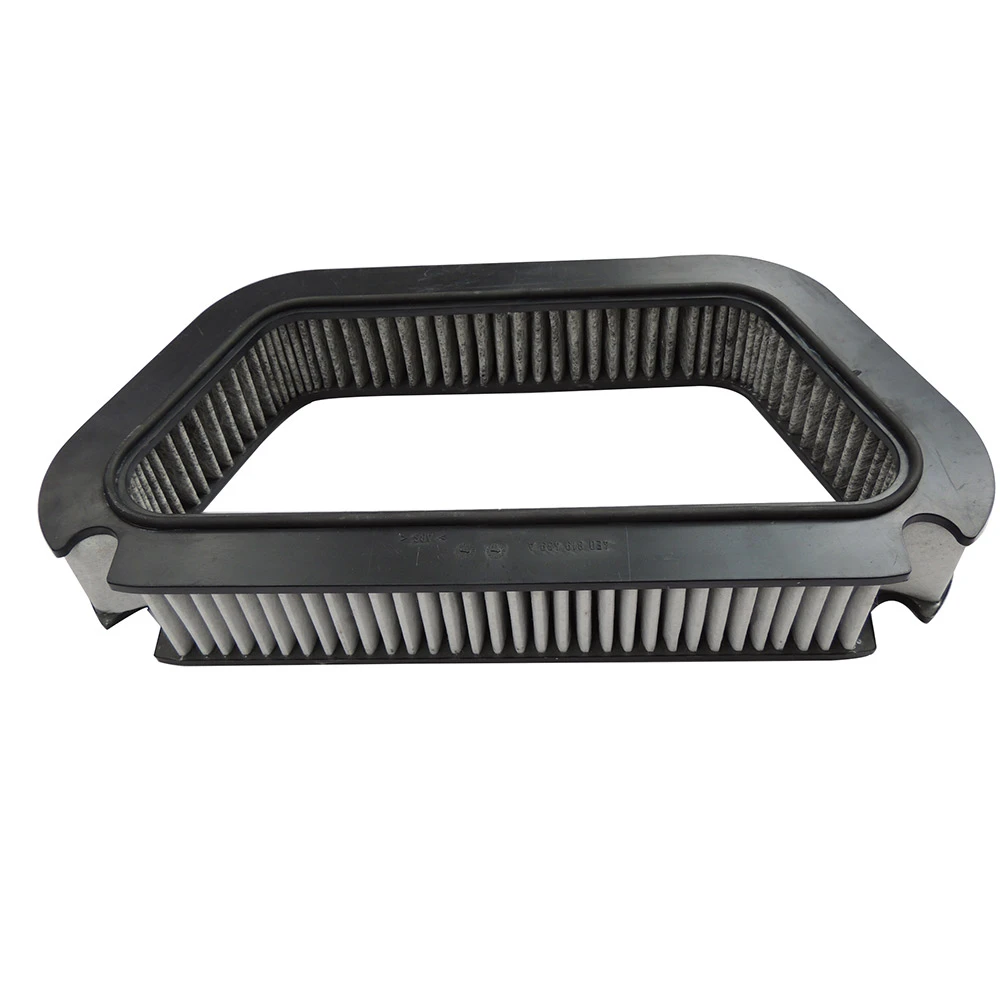
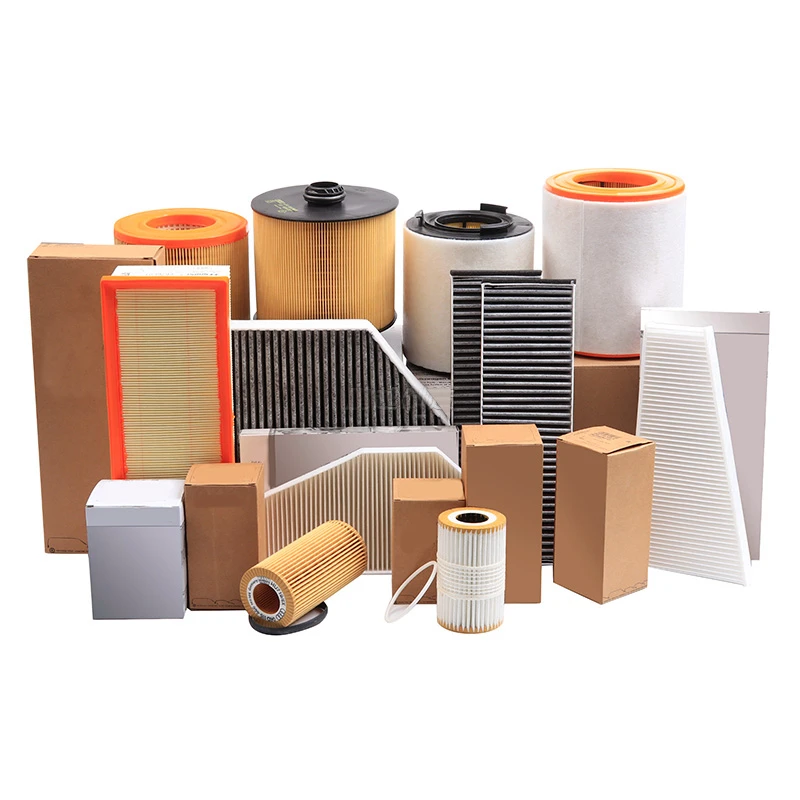
Simply put, a car cabin air filter is a small but mighty component inside your vehicle’s ventilation system that traps dust, pollen, bacteria, and other airborne particles before they enter the car’s interior. Think of it as a mini shield for your lungs while you’re driving. Modern vehicles usually have a pleated filter made from paper-like materials, but you’ll find activated carbon versions too, which can absorb odors and harmful gases.
In modern industry contexts, especially in regions with dense vehicle populations or frequent wildfires, the filter's importance is only growing. It’s tied to public health initiatives and sustainability efforts since a clogged, inefficient filter might cause the ventilation system to work harder—using more fuel and increasing emissions.
Key Factors in Changing Your Car Cabin Filter
1. Durability and Wear
Car filters aren’t designed to last forever. Depending on the brand and conditions, a filter might perform well for 15,000 to 30,000 miles. Exposure to heavy pollutants, dusty roads, or pollen seasons will shorten this lifespan.
2. Environmental Conditions
If you live in urban centers with smoggy air or rural areas with lots of dust, you’ll need to replace your cabin filter more frequently compared to someone in a cleaner environment.
3. Vehicle Manufacturer Recommendations
Many carmakers suggest specific intervals for replacement. It’s always a good practice to check your vehicle's manual or consult trusted sources.
4. Indicator Sensors
Some modern cars come equipped with sensors that alert you when the cabin filter is clogged or needs changing, which is handy—though not universal yet.
5. Types of Cabin Filters
Pleated paper, activated carbon, and HEPA filters each have different durability, effectiveness, and cost profiles.
| Filter Type | Typical Lifespan | Key Benefit | Average Cost |
|---|---|---|---|
| Pleated Paper | 15,000 - 20,000 miles | Basic particle filtration | $15 - $25 |
| Activated Carbon | 20,000 - 25,000 miles | Odor and gas absorption | $25 - $40 |
| HEPA (High Efficiency) | 25,000 - 30,000 miles | Traps fine particulates, allergens | $30 - $50 |
Mini takeaway: While every car’s needs vary, most cabin filters need changing after 15,000 to 25,000 miles or roughly yearly, whichever comes first. Environmental factors can shift this timeline.
Global Applications and Real-World Uses
In megacities like Beijing and New Delhi, cabin air filters are lifesavers—literally. Pollution spikes can fill car interiors quickly. Here, drivers often replace filters more frequently.
Meanwhile, in Europe and North America, the trend toward electric vehicles (EVs) is raising new questions about cabin air quality as regenerative braking and reduced engine noise make interior comfort a bigger focus. In fact, some EV manufacturers add HEPA-grade filters, pushing filter maintenance into a more technical arena.
Oddly enough, humanitarian organizations working in disaster zones also rely on clean air inside vehicles to protect staff and patients in environments where dust and airborne debris are rampant. So you could say cabin filter maintenance isn’t just a comfort issue—it’s a safety protocol.
Advantages and Long-Term Value of Timely Cabin Filter Replacement
- Health: Cleaner air reduces allergy and asthma triggers.
- HVAC Longevity: Less dirt means less wear on your heating and cooling systems.
- Fuel Efficiency: A clean filter lets your car breathe better, potentially saving fuel.
- Resale Value: Vehicles with documented maintenance like cabin filter changes tend to hold value better.
From a personal standpoint, I’ve noticed that after changing my cabin filter, the air inside the car feels noticeably fresher and my AC system sounds less strained. It’s a small routine that really pays off in driving comfort and peace of mind.
Future Trends: What’s Next for Cabin Filters?
Technology is marching forward. Here are some intriguing innovations happening right now:
- Smart Filters: Sensors that monitor air quality inside the cabin in real-time and notify drivers when replacement is due.
- Eco-friendly Materials: Biodegradable or recyclable filters reducing environmental impact after disposal.
- Enhanced Filtration Technologies: Combined HEPA and activated carbon to trap viruses and bacteria, increasingly relevant in post-pandemic vehicle design.
- Automated Maintenance Reminders: Integration with onboard diagnostics for precision timing on replacements.
All these trends reflect a growing emphasis on health, convenience, and sustainability.
Challenges and Practical Solutions
Some common hurdles include:
- Lack of Awareness: Many drivers simply forget or are unsure how often to check or change filters.
- Access & Cost: Not all regions have easy access to quality replacement filters.
- Quality Variations: Cheap, low-quality filters may not provide adequate filtration.
Expert tip? Stick with recommended OEM or reputable aftermarket brands, and consult your vehicle’s manual or trusted resources like this guide. Routine checks during oil changes or seasonal maintenance help keep things on track.
| Vendor | Filter Types | Price Range | Global Availability | Warranty/Support |
|---|---|---|---|---|
| ACME Filters | Pleated, Carbon | $15–$35 | Worldwide | 1 year warranty |
| PureAir Solutions | HEPA, Carbon | $30–$50 | North America, Europe | 2 years warranty |
| EcoFilter Co. | Biodegradable Pleated | $20–$40 | Limited global | 6 months warranty |
FAQ: Frequently Asked Questions About How Often Should You Change Your Car Cabin Filter
- Q: How do I know if my car cabin filter needs changing?
- A: Common signs include reduced airflow through vents, unpleasant odors, or more dust settling inside the cabin. Some cars have dashboard alerts or indicator lights for this too.
- Q: Can I replace a cabin filter myself?
- A: Usually, yes! Cabin filters are often easy to access, typically behind the glove box or under the hood. Your vehicle manual or online tutorials can guide you step-by-step.
- Q: What happens if I don't change my cabin filter?
- A: A clogged filter reduces air quality, strains your HVAC system, and may cause unpleasant smells or foggy windows. Over time, it can increase maintenance costs.
- Q: How do environmental factors affect replacement frequency?
- A: Driving in dusty, polluted, or pollen-heavy areas means more particulate buildup, requiring more frequent filter changes—sometimes twice a year.
- Q: Are all cabin filters the same?
- A: Not really. Filters vary in materials, efficiency, lifespan, and price. Higher quality filters usually cost more but provide better filtration and durability.
Conclusion
Frankly, I think changing your cabin filter on a sensible schedule is one of those simple car care chores that really pays dividends in comfort, health, and mechanical wellbeing. From cleaner air to a happier HVAC system, and even a better resale value, it’s a small step with big benefits. If you’re looking for reliable filters or want to learn more about professional replacement timelines, be sure to visit https://www.jyfilter.com for trusted advice and products.
Keep your ride fresh and your lungs happy—because clean air matters everywhere.
References:
-
Guide on how often do you need to replace engine air filterNewsApr.16,2026
-
Learn how often do you replace air filter in car for engine healthNewsApr.09,2026
-
How Often Do You Replace Car Air Filter For Optimal Engine PerformanceNewsApr.07,2026
-
How Often Do You Replace Engine Air Filter For Optimal Vehicle PerformanceNewsApr.04,2026
-
Understanding How Often Does Engine Air Filter Need to Be Replaced for Optimal PerformanceNewsMar.31,2026
-
How Often Engine Air Filter Change Impacts Performance and LongevityNewsMar.28,2026
-
Understanding How Often to Replace Your Car Air Filter for Optimal PerformanceNewsMar.26,2026
Related Products