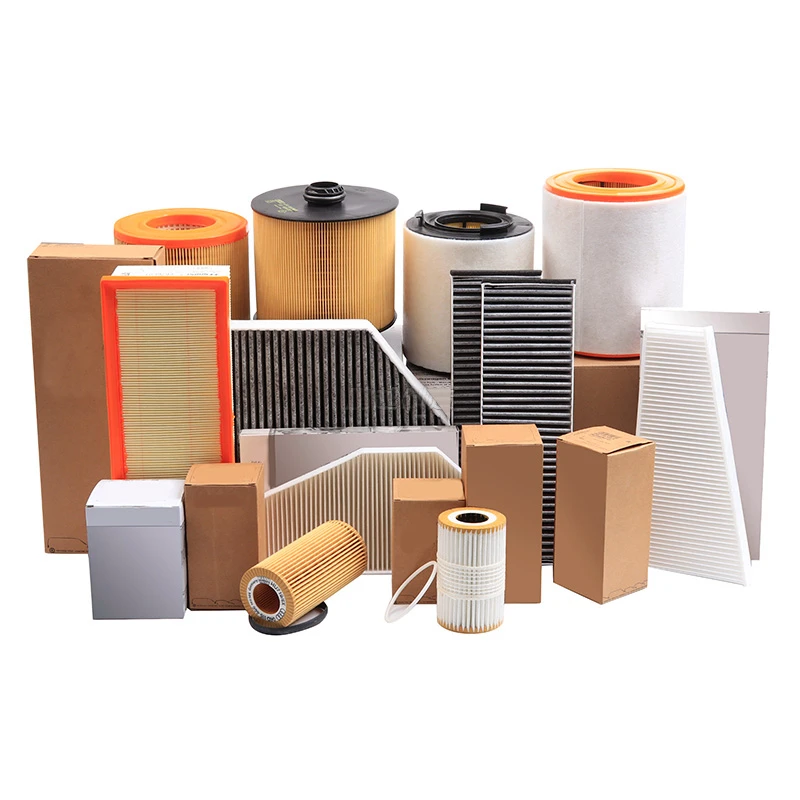
Understanding How Often You Should Change Your Car Engine Air Filter
If you've ever wondered how often should you change car engine air filter, you're tapping into a surprisingly vital aspect of vehicle care. This little maintenance detail isn’t just about keeping your car happy; it’s a matter that resonates globally with environmental footprint, fuel efficiency, and engine longevity. In a world where emissions standards tighten annually and millions of cars clog the streets, knowing when to swap your air filter brings tangible benefits — cleaner air intake, smoother performance, and fewer costly repairs.
So, why does this matter on a bigger scale? According to the International Energy Agency (IEA), road vehicles contribute almost 15% of global CO₂ emissions. Keeping your engine air filter in good shape reduces muffled engines and poor combustion, which indirectly cuts down emissions and fuel waste. Knowing how often you should change car engine air filter becomes part of a global puzzle in achieving better fuel economy and cleaner transportation.
Why the Question of Frequency Matters Globally
The growing number of vehicles worldwide means air filters work overtime. Data from the United Nations Environment Programme (UNEP) highlights that poor air quality caused by vehicle emissions contributes to roughly 4.2 million premature deaths annually. While changing an air filter may seem trivial, neglecting it worsens engine inefficiency and the resulting pollutants. In practical terms, fleets in major cities from New York to New Delhi face this challenge daily — balancing cost with cleaner air goals.
But it’s tricky, right? Industry guidelines often suggest replacing air filters every 12,000 to 15,000 miles—yet dusty conditions or intense stop-and-go traffic can change the game. Those living in desert climates, or even rural areas with unpaved roads, might need to change air filters more frequently.
What Does "How Often Should You Change Car Engine Air Filter" Really Mean?
Simply put, this phrase refers to the recommended interval—distance or time—after which your vehicle’s air filter should be replaced. Air filters trap dirt, dust, pollen, and debris to protect your engine’s combustion chamber. Over time, clogged filters choke airflow, make the engine work harder, and can drive up fuel consumption.
This concept stretches beyond the individual car owner; rather, it’s a crucial maintenance item for commercial transport, public transit, and even charities running vehicle fleets in disaster zones or remote areas. Keeping filters clean supports vehicle reliability, safety, and environmental responsibility.
Core Factors to Consider
1. Driving Environment
One of the biggest influences is environment: dusty roads, urban smog, or rural dirt tracks affect how fast filters clog. Rough terrain for heavy-duty trucks means shorter filter lifespans.
2. Vehicle Usage & Mileage
Frequent drivers rack up miles faster. A daily commuter might hit the 12,000-mile mark quickly, whereas a weekend cruiser may stretch that out.
3. Filter Type & Quality
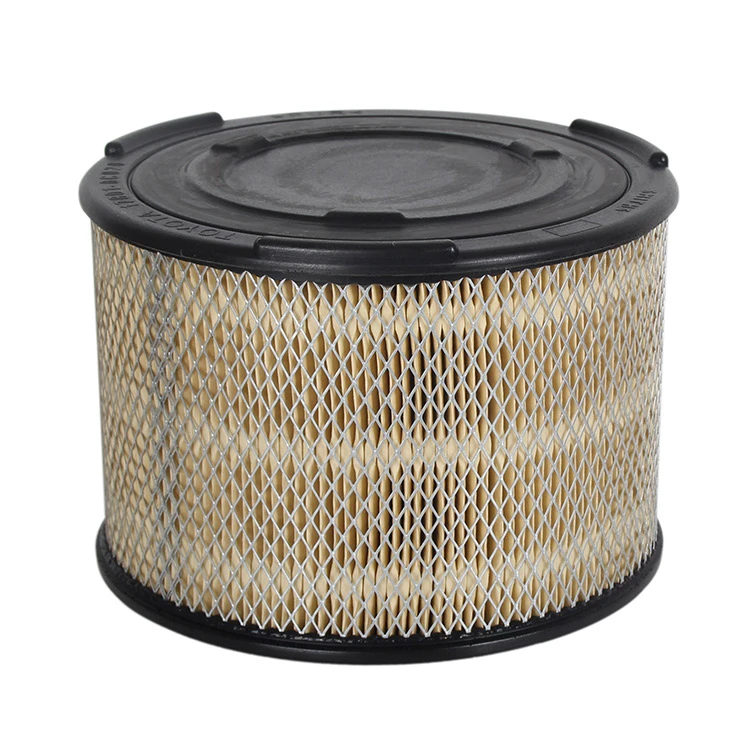
Not all filters are created equal—paper filters are cheap but clog quicker; foam or cotton variants are more durable but pricier.
4. Maintenance Practices
Regular inspections help spot less obvious wear signs. Some enthusiasts clean reusable filters instead of replacing them.
Mini Takeaway:
Basically, how often you change your engine air filter depends on what you drive, where, and how — no cookie-cutter rule fits all.
Where This Matters Most: Global Applications & Real Examples
Let’s talk application. In congested cities like Beijing or Mexico City, public buses undergo air filter checks as part of emission controls. In Australia’s Outback, mining trucks swap filters every few thousand kilometers to survive harsh dust storms. NGOs running fleets in disaster-prone zones—like Haiti or the Philippines—stick to tight maintenance schedules to avoid breakdowns during emergencies.
It’s fascinating how such a small part plays a big role: helping reduce roadside pollution in mega-cities, ensuring industrial vehicles don’t overheat in deserts, and enabling aid workers to stay mobile during crises.
The Benefits: More Than Just Cleaner Air
- Cost Savings: Efficient filters mean fewer repairs; a clogged filter can lead to fouled spark plugs or engine damage.
- Fuel Efficiency: Cleaner airflow optimizes combustion, reducing fuel consumption—important when gas prices spike.
- Environmental Impact: Lower emissions from well-maintained engines help cities breathe easier.
- Reliability & Safety: Avoid sudden loss of power or stalling—especially critical for commercial vehicles.
Many drivers, frankly, notice the smoother acceleration after a filter change. It feels subtle but boosts confidence, especially on long road trips or heavy traffic.
The Future Is Cleaner: Innovations in Air Filters
The air filter market isn’t frozen in time. Manufacturers are exploring nanofiber media that trap finer particles without restricting airflow. There are also smart filters embedded with sensors alerting you when replacement’s due—a bit like a built-in mechanic.
Sustainability trends push for reusable and biodegradable filter materials. Alongside electric vehicle adoption, air filters adapt — although EVs lack combustion engines, filtration still matters for HVAC and battery cooling systems.
Common Challenges and How to Overcome Them
The trickiest part? Knowing when. Many rely too heavily on the odometer, ignoring environmental factors. In dusty conditions, waiting 15,000 miles can be too long. Conversely, changing filters too early wastes money.
Experts suggest combining mileage guidelines with regular inspections—some filters can be visually checked for dirt buildup. Vehicle onboard diagnostics might soon do this automatically.
FAQ: Your Questions About Changing Engine Air Filters
- How do I tell if my air filter really needs changing?
- Look for reduced engine performance, higher fuel consumption, or visual dirtiness on the filter element. If dusty or dark, it’s time for a swap.
- Can I clean and reuse my engine air filter?
- Some filters, like cotton or foam types, can be cleaned and re-oiled. Paper filters generally aren’t reusable, so replacement is best.
- What happens if I wait too long to change my air filter?
- A clogged filter restricts airflow, leading to inefficient combustion, increased fuel use, engine misfires, and potentially serious damage.
- Are expensive filters worth the cost?
- High-quality filters often last longer and filter better, offsetting initial costs with durability and protection benefits.
Product Specification Table: Common Car Engine Air Filters
| Feature | Paper Filter | Foam Filter | Cotton/Gauze Filter |
|---|---|---|---|
| Typical Lifespan | 12,000 – 15,000 miles | 8,000 – 12,000 miles | 15,000 – 30,000 miles (with cleaning) |
| Maintenance | Replace only | Clean & Replace | Clean & Re-oil |
| Cost | Low | Medium | High |
| Filtration Efficiency | Moderate | Good | Excellent |
Vendor Comparison Table: Popular Engine Air Filter Brands
| Brand | Price Range | Lifespan (miles) | Warranty | Notes |
|---|---|---|---|---|
| ACDelco | $10–$20 | 12,000–15,000 | 1 year | Trusted OEM supplier |
| K&N | $40–$60 | Up to 100,000 (washable) | Limited lifetime | Premium reusable filters |
| FRAM | $15–$25 | 12,000–15,000 | 90 days | Widely available |
| Bosch | $12–$22 | 10,000–15,000 | 1 year | Stable performance |
Conclusion: Why This All Adds Up
Wrapping up, the answer to how often should you change car engine air filter isn’t quite a single number because it depends on your driving habits, environment, and vehicle. Still, sticking close to manufacturer recommendations and adjusting for conditions means better mileage, lower emissions, and a healthier engine in your ride.
It’s one of those small maintenance tasks with outsized impact — like brushing your teeth daily, but for your car. Next time you check under your hood, remember: a clean air filter is key to smoother journeys and a cleaner planet.
For detailed guidance tailored to your vehicle, check out our full insights on how often should you change car engine air filter. Your engine (and wallet) will thank you.
References
-
Guide on how often do you need to replace engine air filterNewsApr.16,2026
-
Learn how often do you replace air filter in car for engine healthNewsApr.09,2026
-
How Often Do You Replace Car Air Filter For Optimal Engine PerformanceNewsApr.07,2026
-
How Often Do You Replace Engine Air Filter For Optimal Vehicle PerformanceNewsApr.04,2026
-
Understanding How Often Does Engine Air Filter Need to Be Replaced for Optimal PerformanceNewsMar.31,2026
-
How Often Engine Air Filter Change Impacts Performance and LongevityNewsMar.28,2026
-
Understanding How Often to Replace Your Car Air Filter for Optimal PerformanceNewsMar.26,2026
Related Products