Why Knowing How Often You Should Change Your Car Cabin Air Filter Matters
If you’ve ever been stuck in traffic on a hot summer day and noticed a weird smell or stuffiness inside your car, chances are your cabin air filter was due for a change. This tiny yet essential component keeps the air inside your vehicle clean and breathable, filtering out dust, pollen, fumes, and even bacteria. But how often should you change your car cabin air filter? It’s a question worth answering—not only to guarantee comfort and safety on every drive but also to reduce environmental impact and improve your vehicle’s overall performance. Understanding this simple maintenance step means saving money, improving air quality, and even boosting your car's resale value.
Introduction: The Global Context of Vehicle Air Quality
With over 1.4 billion cars on roads worldwide (data from the International Transport Forum, OECD), ensuring clean air inside vehicles isn’t just a personal comfort issue—it’s a public health concern. The World Health Organization (WHO) estimates that poor air quality contributes to roughly 7 million premature deaths annually. Cars can trap urban pollution inside their cabins, turning your driving experience into a mini smog chamber if the air filter isn’t up to scratch. How often should you change car cabin air filter therefore influences driver health globally, not just those stuck in rush hour traffic. Plus, recent tighter ISO standards for automotive air filters mean manufacturers and drivers alike have to pay more attention to when and why these filters get replaced.
Still, many drivers neglect this important upkeep task, which can lead to clogged filters, reduced HVAC efficiency, and increased allergens in the cabin—issues that cost roughly hundreds of millions in repairs and lost productivity annually worldwide.
Mini Takeaway: Maintaining your cabin air filter impacts air quality, driver health, and vehicle performance on a surprisingly global scale.
What Is a Car Cabin Air Filter—and Why It Needs Regular Replacing?
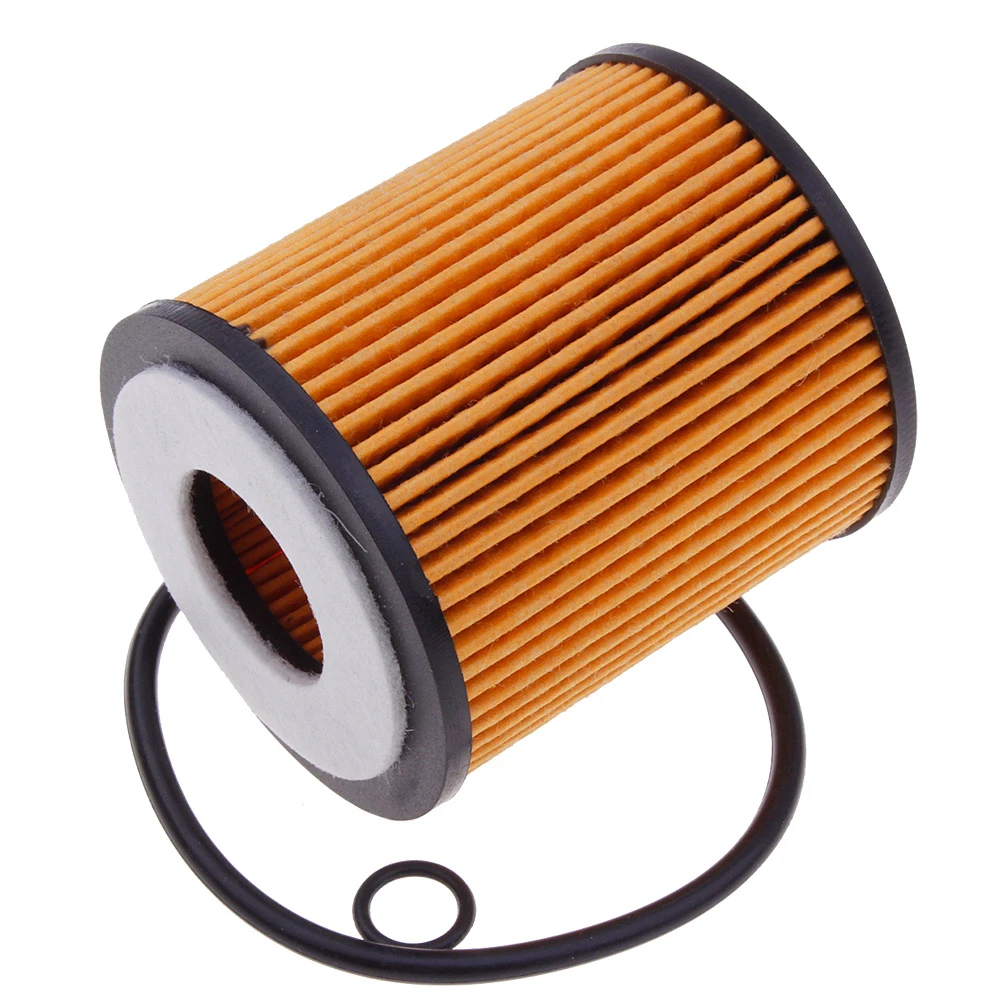
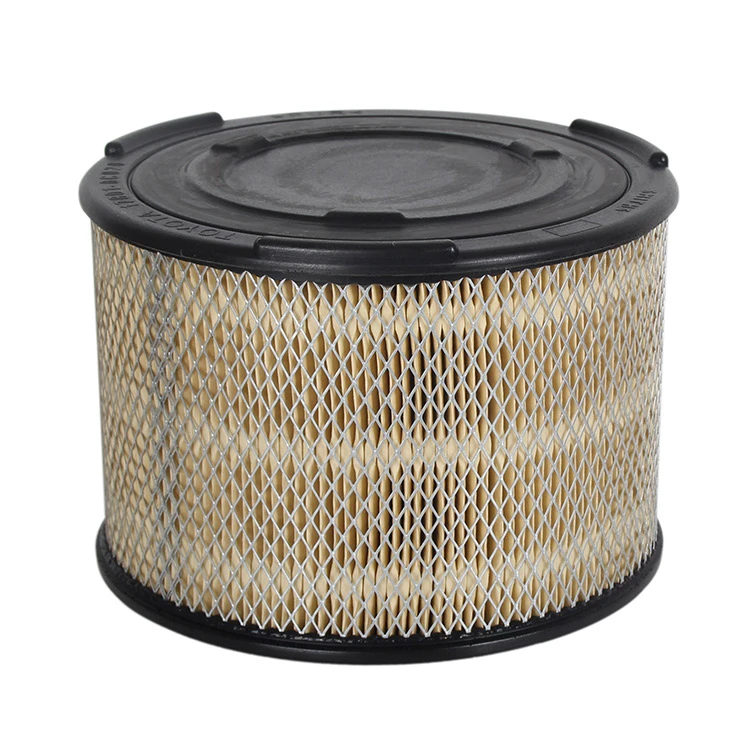
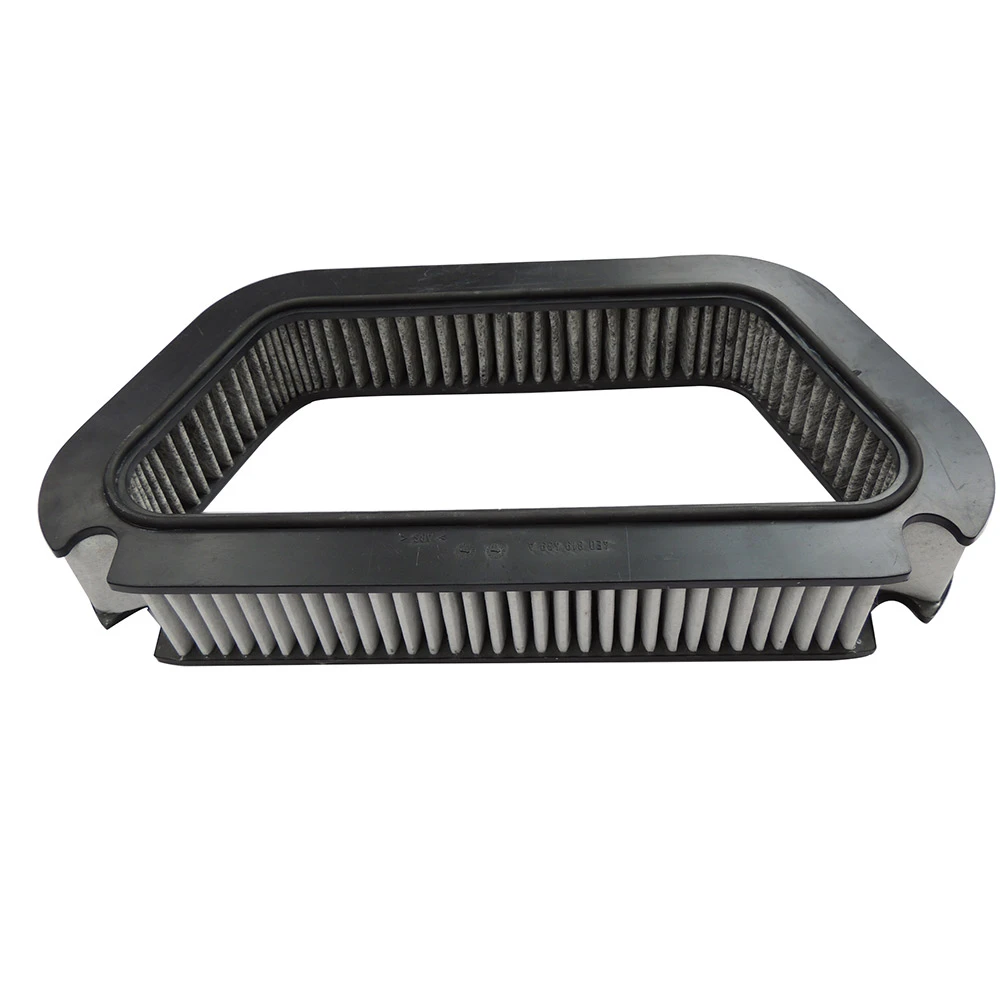
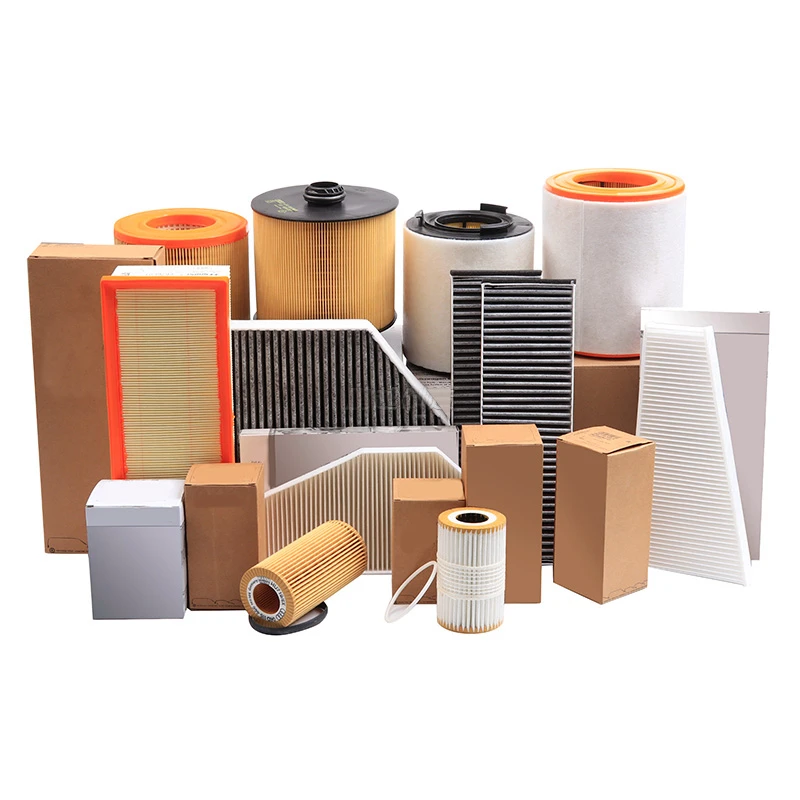
In simplest terms, the car cabin air filter is a mesh or pleated filter usually located behind the glove box or hood, tasked with cleaning the air entering your vehicle cabin. It traps dust, pollen, exhaust fumes, and even sometimes bacteria or mold spores—making your car a little bubble of cleaner air in otherwise polluted environments. Underpinning modern vehicle HVAC systems, these filters ensure the air conditioning and heating work effectively and that you breathe healthier air, especially during allergy season or in cities with high vehicular emissions.
Skeptics might ask, “Why bother replacing it at all?” Well, over time, the filter gets clogged. A dirty air filter can reduce airflow, force your car’s HVAC system to work harder (hello, fuel inefficiency), and even cause unpleasant odors. Frankly, driving around with a dirty cabin filter is like wearing a face mask that’s seen better days—ineffective, uncomfortable, and potentially harmful.
Key Aspects Influencing How Often You Should Change Your Car Cabin Air Filter
1. Driving Environment
If you mainly cruise on clean highways, the filter holds up longer. But dirt roads, construction zones, or pollution-heavy cities bulk up contaminants faster, often necessitating a filter change every 10,000 to 15,000 miles—or even sooner.
2. Seasonality and Weather Patterns
Spring pollen spikes or dusty dry seasons mean your cabin air filter works overtime. Plus, humid environments can cause mold growth on filters, so those in wetter climates might consider more frequent swaps.
3. Vehicle Type and HVAC Usage
Your driving habits matter. Heavy A/C users or those with older, less efficient HVAC systems may see their cabin air filter clog faster.
4. Manufacturer Recommendations
Every car maker provides guidance—some say 12,000 miles, others 15,000. Still, these are often minimums, not absolutes.
5. Filter Quality and Technology
Higher-end filters with activated carbon or HEPA layers last longer and filter better, which could mean less frequent changes overall—and healthier air, too.
Mini Takeaway:
The filter’s lifespan isn’t a one-size-fits-all number. It hinges on where you drive, the time of year, and your car’s system specifics.
Typical Product Specifications of Car Cabin Air Filters
| Specification | Typical Value |
|---|---|
| Filter Type | Pleated Paper or Activated Carbon |
| Dimensions | Varies by model — approx. 9" x 7" x 1" |
| Filter Efficiency (Particle Size) | Down to 0.3 microns (HEPA-type) |
| Recommended Change Interval | 12,000-15,000 miles or 12 months |
| Material | Synthetic fibers, carbon granules (optional) |
Vendor Comparison: Popular Cabin Air Filter Brands
| Brand | Filter Type | Price Range | Filter Efficiency | Warranty |
|---|---|---|---|---|
| Mann-Filter | Activated Carbon | $20–30 | >99% at 0.3 microns | 2 years |
| Bosch | Standard Pleated Paper | $15–25 | ~95% at 1 micron | 1 year |
| Fram | Carbon Enhanced | $18–28 | >98% at 0.5 microns | 1 year |
How Car Cabin Air Filters are Used Globally
From bustling megacities like Beijing and Mexico City to remote desert mining operations, cabin air filters serve a vital role in multiple industries and environments. Urban drivers benefit from pollution reduction, reducing respiratory risks during commutes. Meanwhile, in industrial settings with airborne particulates, these filters protect cabin crew and equipment operators from prolonged exposure to dust and chemicals.
During post-disaster relief missions—consider recent wildfire-affected areas in California or Australia—the ability to breathe clean air inside emergency vehicles is critical for first responders. Cabin air filter replacement schedules can thus become part of critical vehicle maintenance plans to ensure safety and focus on the job rather than sneezing or irritation.
Mini Takeaway: Cabin air filters are simple yet essential components adding value in diverse situations worldwide.
Benefits of Regularly Changing Your Cabin Air Filter
- Improved Air Quality: Reduces allergens and pollutants, helping kids, allergy sufferers, and asthma patients breathe easier.
- Enhanced HVAC Efficiency: Easier airflow means less energy, better comfort, and reduced vehicle fuel consumption.
- Cost Savings: Prevents costly damage to HVAC components and avoids premature wear.
- Odor Control: Stops musty, moldy smells from building up due to trapped moisture and contaminants.
- Health & Safety: Clean cabin air reduces risks of fatigue or illness caused by exposure to airborne irritants.
In real terms, keeping up with your cabin air filter changes isn’t just about comfort—it's about trust, reliability, and caring for your family.
Emerging Trends and Innovations in Cabin Air Filters
Nowadays, innovations are pushing cabin air filters beyond simple dust catchers. New materials like nanofiber filters achieve ultra-fine filtration while maintaining airflow. Some filters integrate antimicrobial additives to neutralize bacteria and viruses—particularly relevant in a post-pandemic world. Meanwhile, “smart” sensors that monitor filter saturation and alert drivers when it’s time to replace the filter are gaining traction.
Automakers and filter manufacturers are also focused on sustainable, biodegradable filter materials and reducing plastic components to fight environmental waste. Digital transformation means maintenance apps might soon recommend changes based on real-time pollution data, weather, and personal driving patterns, making the question of “how often should you change your car cabin air filter” less of a guess and more of a science.
Challenges in Current Practices and How to Overcome Them
One persistent problem is lack of awareness—many drivers simply forget or don’t realize the impact of a dirty cabin air filter. In addition, OEM replacement parts can be costly and sometimes hard to find, especially for older or less common models.
Mechanics suggest easy-to-understand maintenance schedules and reminder services (SMS or app-based) as effective nudges. Also, aftermarket filter companies are working on offering high-quality, budget-friendly options that meet or exceed original equipment standards, making replacement less daunting.
FAQ: Common Questions About How Often Should You Change Car Cabin Air Filter
Q1: How can I tell if my cabin air filter needs changing?
A: Common signs include reduced airflow from your vents, unpleasant odors when the A/C is on, or visible dirt on the filter itself if you check it. If it’s been over 12,000 miles or one year since the last change, it’s a smart bet to replace it.
Q2: Is it hard to replace a cabin air filter myself?
A: Many modern cars make it a relatively easy DIY task with just a screwdriver or clip removal—but it depends on the model. Your vehicle’s manual usually provides clear instructions, and several tutorial videos online make it even simpler.
Q3: Can I use any filter brand for my car?
A: Ideally, use a filter compatible with your vehicle’s make and model. High-quality aftermarket brands often outperform cheap generic filters. Check specifications and look for certifications, especially if you want enhanced filtration (e.g., HEPA or carbon layers).
Q4: How does a dirty cabin air filter affect fuel economy?
A: A clogged filter reduces airflow, making your HVAC system work harder, indirectly increasing fuel consumption by a small but noticeable margin. Regular changes help keep your vehicle efficient.
Conclusion: Why Regular Cabin Air Filter Changes Are Worth It
To sum it up, knowing how often should you change car cabin air filter is more than just a maintenance detail—it’s an investment in health, comfort, and vehicle longevity. By paying attention to your car’s air quality system, you drive smarter, breathe better, and save money in the long run.
If you’re not sure when to get started or want trusted replacement filters, take a peek at our recommended products. Your lungs—and your ride—will thank you.
References:
1. World Health Organization (WHO). Air Pollution Facts. https://www.who.int/airpollution/en
2. OECD International Transport Forum. Global Vehicle Fleet Data. https://www.itf-oecd.org/data-and-statistics
3. ISO 11155-1:2021 – Road Vehicles — Filter Elements for Air Conditioning. https://www.iso.org/standard/75221.html
-
Guide on how often do you need to replace engine air filterNewsApr.16,2026
-
Learn how often do you replace air filter in car for engine healthNewsApr.09,2026
-
How Often Do You Replace Car Air Filter For Optimal Engine PerformanceNewsApr.07,2026
-
How Often Do You Replace Engine Air Filter For Optimal Vehicle PerformanceNewsApr.04,2026
-
Understanding How Often Does Engine Air Filter Need to Be Replaced for Optimal PerformanceNewsMar.31,2026
-
How Often Engine Air Filter Change Impacts Performance and LongevityNewsMar.28,2026
-
Understanding How Often to Replace Your Car Air Filter for Optimal PerformanceNewsMar.26,2026
Related Products