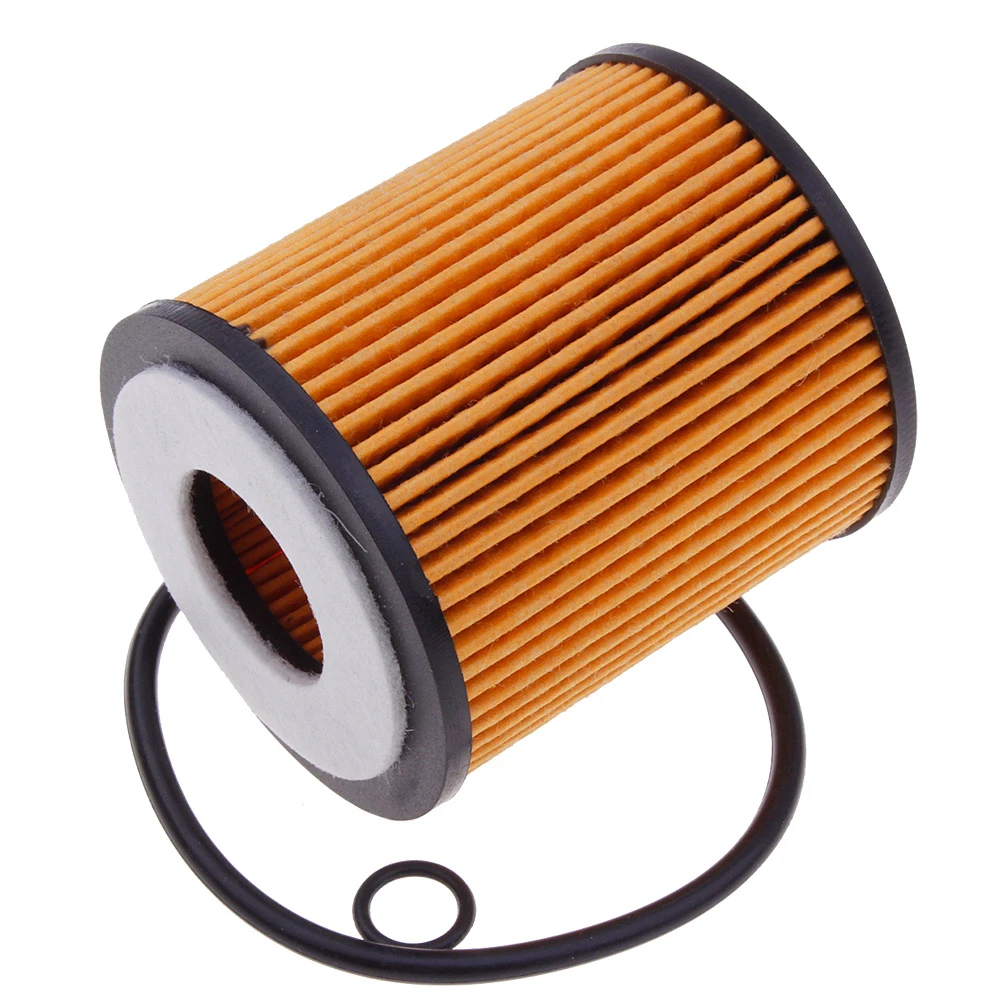
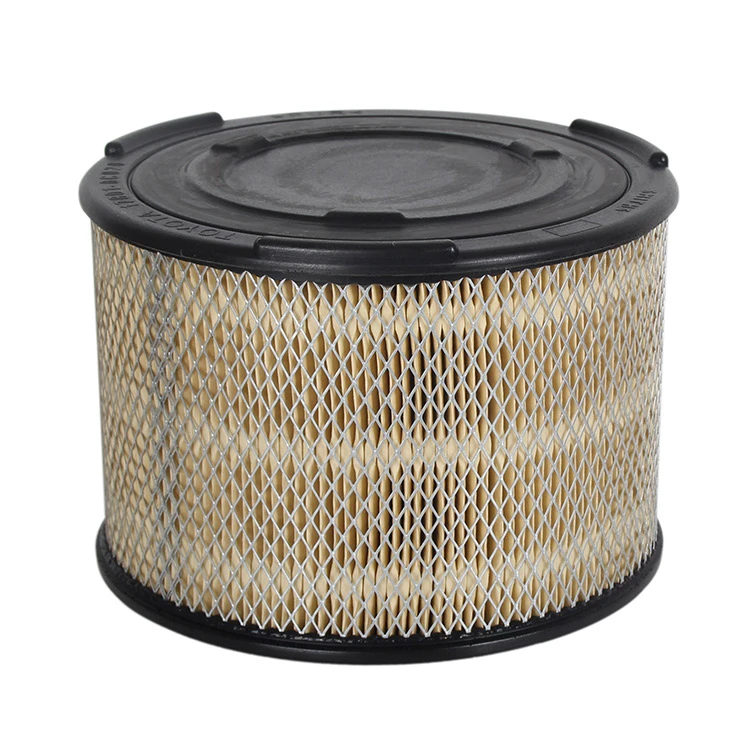
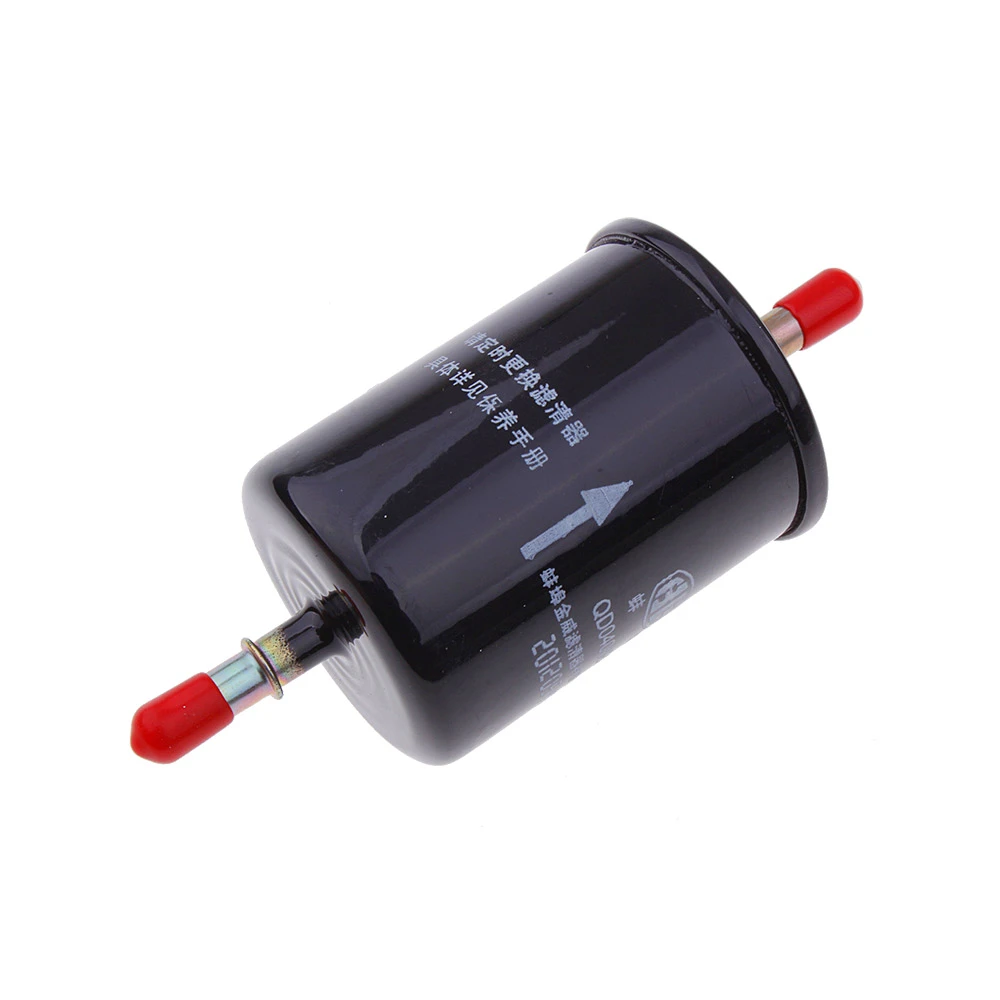
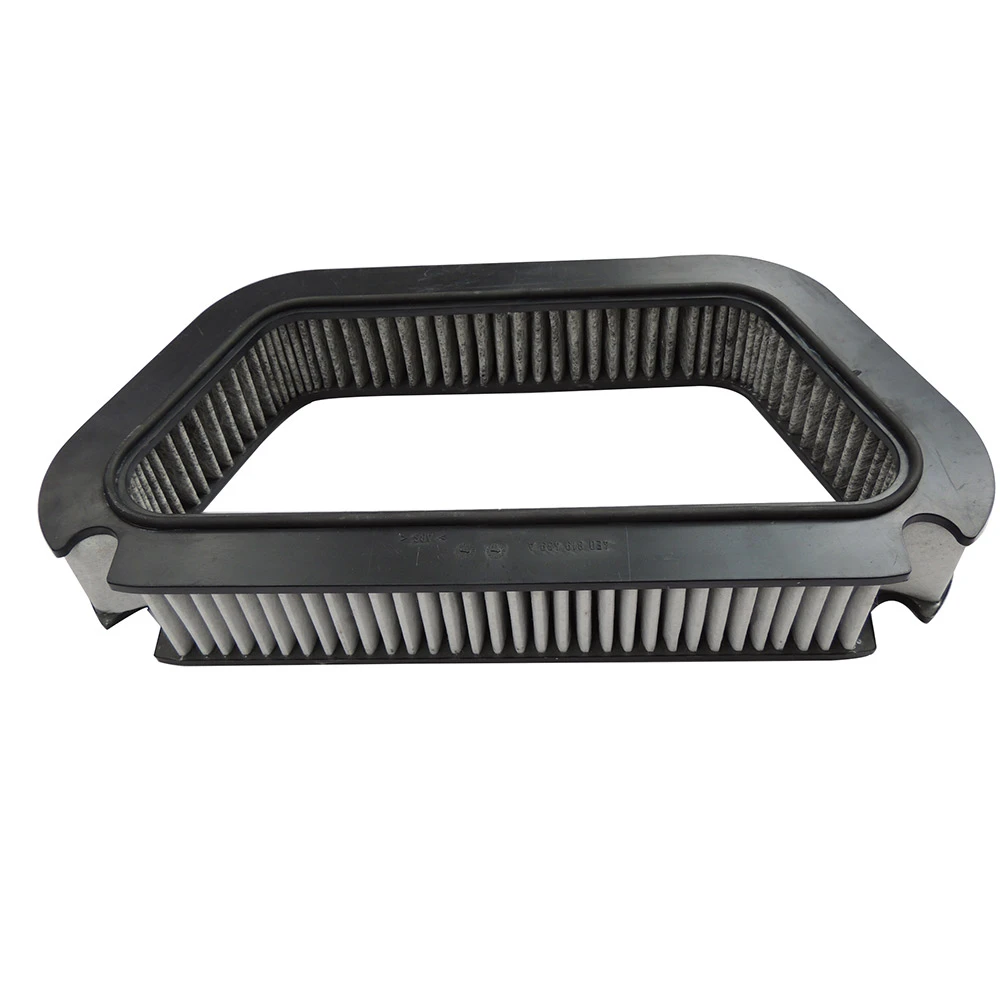
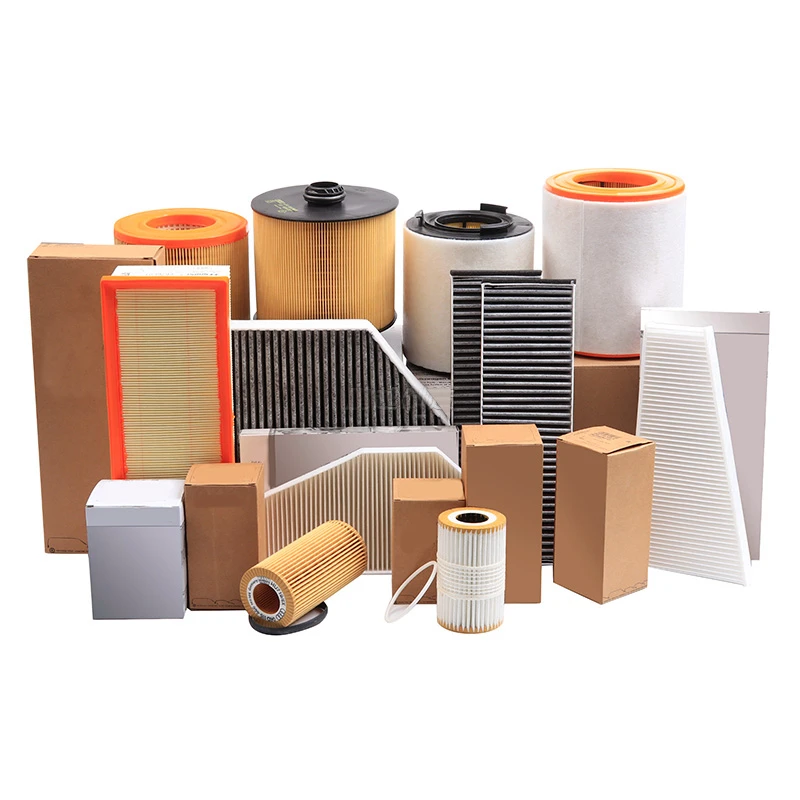
Understanding How Often You Should Change Cabin Filter in Car: Why It Matters
If you're like most drivers, the cabin filter in your car might be one of those things you rarely think about—until a musty smell creeps in or your air conditioning just doesn’t feel quite right. But here’s the kicker: knowing how often you should change cabin filter in car can transform your driving experience. It’s not just about comfort; it’s about health, vehicle performance, and long-term savings.
Globally, we’re more aware than ever about indoor air quality—not just in homes and offices, but inside our vehicles too. With rising pollution levels, especially in dense urban areas across Asia and Europe, keeping that tiny filter clean is a frontline defense against harmful particulates. So in a way, understanding when to replace your cabin filter is a small step towards better respiratory health on a daily basis.
Mini takeaway: Changing your car’s cabin filter regularly improves air quality inside the vehicle, preventing allergens and pollutants from circulating.
The Bigger Picture: Why the Cabin Filter Replacement Frequency Is a Global Concern
Certainly, many of us might overlook cabin filter changes, but it’s a topic gaining traction worldwide. According to the World Health Organization, millions suffer from respiratory illnesses aggravated by poor air quality — and this doesn’t exclude the air inside our cars. Studies show that urban drivers, especially in cities with high particulate matter (PM2.5) pollution—think New Delhi or Beijing—breathe in levels significantly worse than outdoor ambient air when their filters are clogged or neglected.
ISO 16111 standards emphasize maintenance schedules for automotive HVAC (Heating, Ventilation, and Air Conditioning) systems, recognizing that regular filter replacement is key to vehicle safety, driver comfort, and system longevity. This poses a challenge: with different driving environments and individual habits, how do you figure out the ideal interval to swap out your cabin filter?
Mini takeaway: Following standardized maintenance, including timely cabin filter changes, aligns with global health and safety recommendations.
What Does “How Often Should You Change Cabin Filter in Car” Really Mean?
Simply put, this phrase refers to the recommended timeframe or mileage interval after which the cabin air filter inside a vehicle should be replaced. The cabin filter’s job? To trap dust, pollen, soot, and even odors before air reaches you through the ventilation system. Think of it as your car’s indoor lung filter.
In a modern context, this means caring for both passenger comfort and adapting our cars to increasingly polluted environments. As air quality worldwide fluctuates, timely replacement ensures your HVAC system functions optimally, preventing foggy windows and stale cabin air, which could be a health hazard.
Mini takeaway: Changing the cabin filter means replacing the barrier filtering the air you breathe inside your vehicle.
Key Factors Affecting How Often To Change Your Cabin Filter
1. Driving Environment
Urban driving in areas with heavy traffic, construction dust, or pollen means a filter clogs faster. Conversely, if you mostly drive on highways away from dense pollution, your filter naturally lasts longer.
2. Manufacturer Recommendations
Auto manufacturers usually specify intervals based on typical conditions—often every 12,000 to 15,000 miles. But these are broad strokes: real life may differ.
3. Symptoms Indicating Replacement
- Reduced airflow from vents
- Unpleasant odors or mold smell inside car
- Increased dust settling on dashboard
- Foggy windows not cleared by defrost quickly
4. Type of Cabin Filter
Some filters have activated carbon layers that trap odors better but may require more frequent changes. Standard paper filters last longer but catch fewer contaminants.
5. Frequency of HVAC Use
If you rely heavily on your car’s AC or heater, the filter collects more particles and should be swapped out sooner.
Mini takeaway: Your driving habits, environment, and filter type all influence when you should update your cabin filter.
Global Applications & Real-World Use Cases
From congested megacities like Mexico City to wooded rural roads in Scandinavia, the question of how often should you change cabin filter in car is surprisingly variable. In Europe, stricter environmental standards have pushed automakers and drivers alike to monitor filters closely to maintain emissions and air quality standards.
In industrial zones, trucks and delivery vans carry cabin filters that often clog extremely fast due to heavy dust, necessitating more frequent checks. Meanwhile, humanitarian aid convoys operating in dusty post-disaster relief situations — say, in remote parts of Africa — are keen to maintain cabin filters to protect drivers and support staff from airborne diseases and debris.
Mini takeaway: Different industries and climates demand flexible maintenance schedules for cabin filter replacement.
Why Bother Changing Your Cabin Filter? The Advantages & Long-Term Value
Okay, quick truth: changing a cabin filter isn’t glamorous, but its impact is surprisingly big.
- Health & Safety: Cleaner air cuts down exposure to allergens, dust, and VOCs (volatile organic compounds).
- Cost Efficiency: A clean filter helps your HVAC system run more efficiently, reducing strain and wear-and-tear, saving on potential repairs.
- Comfort: Fog-free windows and fresh-smelling cabins create a better driving experience.
- Environmental Impact: Proper maintenance means less frequent replacements overall, helping reduce waste.
Many drivers note an immediate sense of “freshness” post-filter replacement, almost like breathing easier at a café after stepping outside a smoky bar. It’s the little things that count.
Mini takeaway: Changing the cabin filter safeguards your health, reduces mechanical wear, and boosts comfort.
Product Specification Table: Typical Cabin Filter Features
| Feature | Specification |
|---|---|
| Filter Type | Pleated paper with optional activated carbon layer |
| Typical Replacement Interval | Every 12,000–15,000 miles or 1 year |
| Efficiency Rating | Captures particles as small as 5 microns |
| Material | Synthetic fibers with hydrophobic coating |
| Dimensions | Varies by vehicle; average 8" x 8" x 1" |
Comparing Leading Vendors for Cabin Filters
| Vendor | Typical Lifespan | Filter Technology | Price Range |
|---|---|---|---|
| AC Delco | 12,000 miles | Standard paper filter | $15–$25 |
| Mann-Filter | 15,000 miles | Activated carbon + HEPA variant available | $20–$40 |
| Bosch | 12,000 miles | Premium synthetic fibers | $18–$30 |
| Fram | 10,000 miles | Basic synthetic filter | $12–$20 |
Looking Ahead: Trends & Innovations in Cabin Filter Maintenance
With every new vehicle model, cabin filters are evolving. I’ve noticed a rising trend toward filters with multi-layer nanofiber technology that not only trap finer particles but also neutralize odors and even harmful gases. Some manufacturers are incorporating sensors that alert drivers when a cabin filter change is due — an elegant solution for people who otherwise forget this small but important maintenance step.
There’s also growing push toward sustainability: bio-based filter media and recyclable designs. Frankly, this is a good thing because environmental awareness now touches every component of a vehicle, cabin filters included.
Mini takeaway: Expect smarter, greener, and more efficient cabin filters that simplify maintenance in the coming years.
Challenges & How To Overcome Them
One common issue is the “out of sight, out of mind” nature of cabin filters. Many drivers neglect replacement because it’s buried under the glove box and requires some DIY skill or a mechanic's visit.
Another challenge is inconsistent advice online—some recommend changing every year, others every 3 years. This can confuse owners, leading to either neglect or unnecessary replacements.
Experts recommend combining manufacturer guidelines with observed symptoms and driving conditions for a balanced approach. And thanks to handy tutorials and affordable aftermarket filters, changing your cabin filter yourself can become a weekend win for your car and health alike.
FAQ: Clearing Up Common Questions About How Often You Should Change Cabin Filter in Car
Q: How do I know if my cabin filter really needs changing?
A: If you notice reduced airflow, persistent odors, or increased dust inside your car, it’s likely time for a replacement. Also, visually inspecting the filter (if accessible) for dirt or discoloration helps decide.
Q: Can I just replace the cabin filter every year regardless of mileage?
A: Sure, for many drivers, an annual change fits within typical mileage and environmental wear, especially if mostly city driving. It’s a safe rule of thumb.
Q: Are activated carbon cabin filters worth the extra money?
A: If you live in high-odor or polluted areas, activated carbon filters trap gases and smells better. They’re a worthwhile investment for added comfort.
Q: Is it difficult to replace a cabin filter myself?
A: Most cars have user-friendly access panels; replacing it typically takes 10–20 minutes with basic tools. Check your manual or online guides for model-specific instructions.
Q: What happens if I delay changing my cabin filter?
A: A clogged filter reduces HVAC efficiency, causes unpleasant smells, may cause allergy-like symptoms, and can stress your car’s blower motor, leading to costly repairs.
Wrapping Up: Why Timely Cabin Filter Changes Are a Driver’s Best Friend
At the end of the day, I suppose changing your cabin filter isn’t the flashiest car maintenance task, but it’s one of the easiest and smartest. Keeping a schedule for swapping out that unassuming component means fresher air, healthier travels, and protective care for your car’s internal systems. So, next time you wonder how often should you change cabin filter in car, think about where you drive, how often, and what your senses tell you.
Don’t wait for that dusty ol’ filter to remind you—it’s a small investment for big benefits.
Visit our website: https://www.jyfilter.com to learn more and shop quality cabin filters tailored to your needs.
References:
-
Guide on how often do you need to replace engine air filterNewsApr.16,2026
-
Learn how often do you replace air filter in car for engine healthNewsApr.09,2026
-
How Often Do You Replace Car Air Filter For Optimal Engine PerformanceNewsApr.07,2026
-
How Often Do You Replace Engine Air Filter For Optimal Vehicle PerformanceNewsApr.04,2026
-
Understanding How Often Does Engine Air Filter Need to Be Replaced for Optimal PerformanceNewsMar.31,2026
-
How Often Engine Air Filter Change Impacts Performance and LongevityNewsMar.28,2026
-
Understanding How Often to Replace Your Car Air Filter for Optimal PerformanceNewsMar.26,2026
Related Products