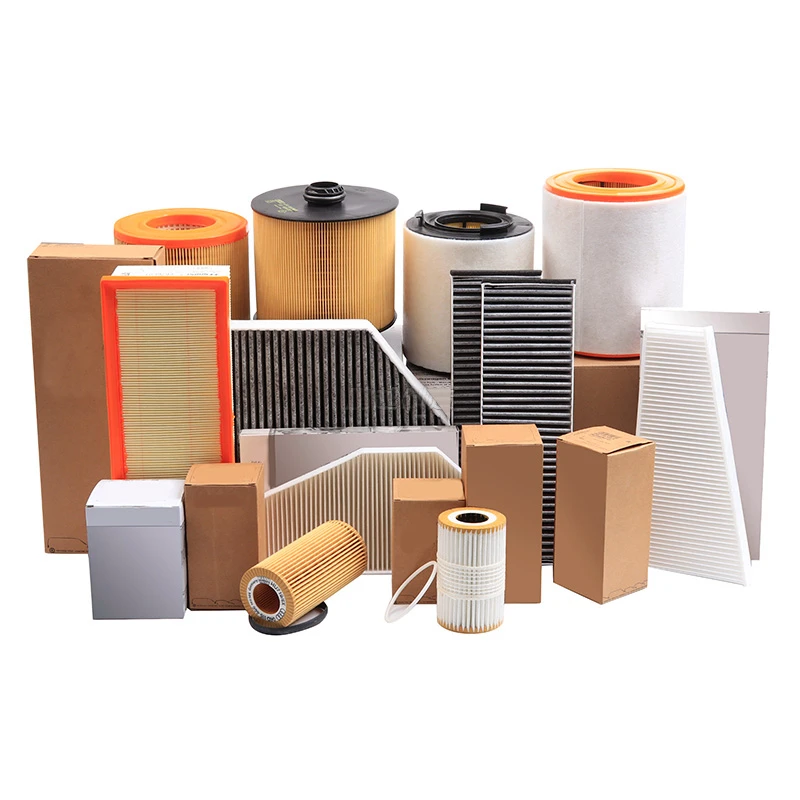
How Often Should You Change Cabin Air Filter in Car? A Practical Guide with Global Perspectives
At first glance, the humble cabin air filter might seem like a minor player in your vehicle's ecosystem. But if you’ve ever sat in a car with stale, dusty air or clogged vents, you’d know how critical this small component really is. Understanding how often you should change cabin air filter in car is not just about keeping your ride fresh; globally it intersects with air quality concerns, public health, and vehicle efficiency. So, why does this seemingly small maintenance step matter so much? Let’s break it down.
Introduction: The Global Context of Cabin Air Filter Changes
Air pollution is a pressing issue worldwide. According to the World Health Organization, over 90% of the world’s population breathes polluted air, leading to increased respiratory issues. Vehicles contribute a sizable chunk of these pollutants — and ironically, their cabin filters act as a frontline defense to keep drivers and passengers healthy.
Stats from the International Organization for Standardization (ISO) indicate that proper maintenance of cabin air filters improves HVAC (heating, ventilation, and air conditioning) system efficiency by up to 30%. So, the question how often should you change cabin air filter in car isn’t merely a personal upkeep matter — it’s part of a larger conversation about public health, energy efficiency, and even climate change.
One major challenge is that many drivers neglect or forget filter changes. Filters clogged with dirt, pollen, and micro-particles can reduce air flow, strain your system, and expose occupants to allergens or harmful particulates — a problem especially acute in urban traffic hubs or dusty environments.
What Does "How Often Should You Change Cabin Air Filter in Car" Really Mean?
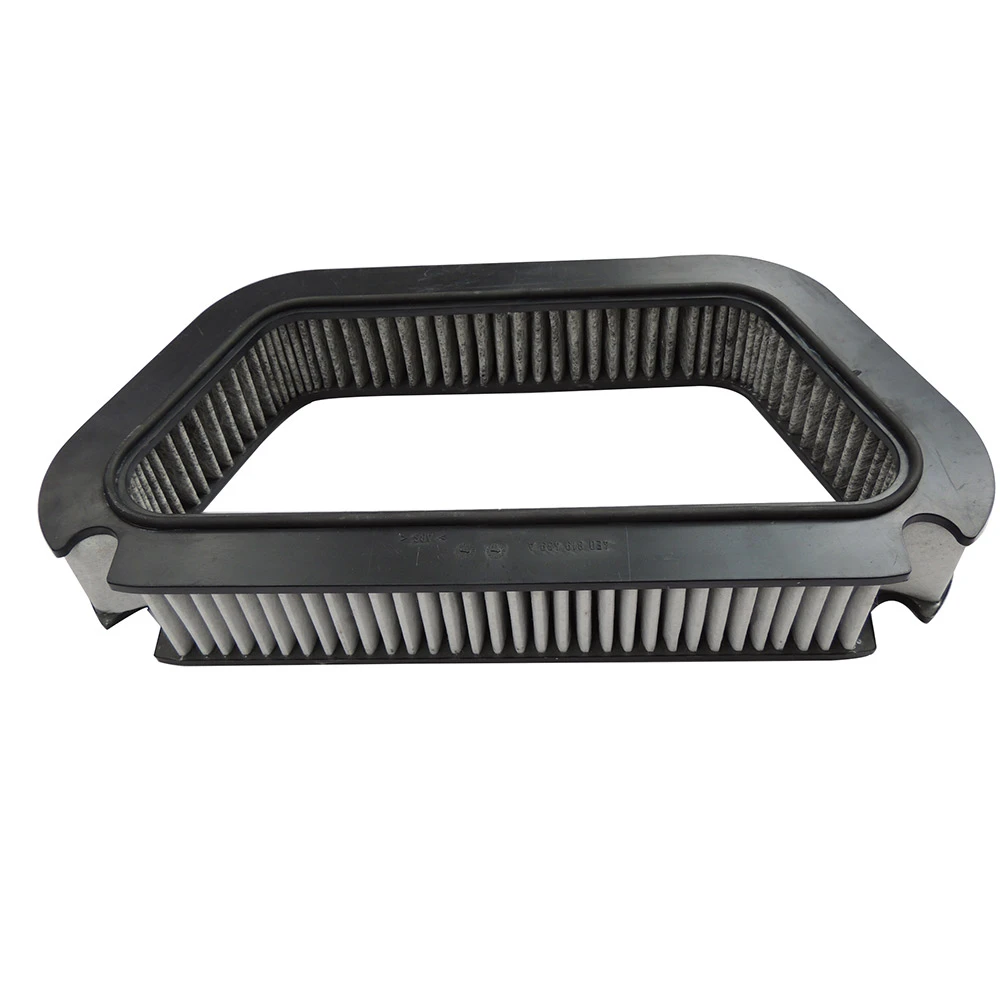
Simply put, this question asks for the recommended time or mileage interval between replacing your vehicle’s cabin air filter. Cabin air filters clean the air entering the interior through the HVAC system, filtering dust, pollen, bacteria, and sometimes harmful gases. They protect both your lungs and the car’s system.
In modern automotive engineering, cabin filters have become standard due to increasing attention to in-cabin air quality. Manufacturers and service experts worldwide recognize this component’s importance — so knowing how frequently to change it is crucial.
Core Factors Influencing When to Replace Your Cabin Filter
1. Environmental Conditions
If you’re driving daily in polluted cities like Delhi or Beijing, or near agricultural fields prone to dust, filters clog faster. Conversely, urban areas with cleaner air might allow longer usage periods.
2. Mileage Recommendations
Most car manufacturers recommend replacing cabin air filters every 12,000 to 15,000 miles (about 19,000 to 24,000 km). But remember, these are guidelines — real-world conditions can demand adjustments.
3. Filter Type & Technology
Synthetic filters, charcoal-infused filters, or HEPA types offer variable lifespans and filtration efficiency. Some advanced filters may last longer but usually at a higher price point.
4. Vehicle Usage Patterns
Year-round city drivers facing stop-and-go traffic versus infrequent highway drivers have different wear-and-tear on their filters.
5. Symptoms of a Clogged Filter
- Reduced airflow from vents
- Unpleasant odors inside the cabin
- Increased dust on dashboard
- HVAC system noises or strain
By appreciating these factors, you can better judge when to swap out that filter and avoid the consequences of neglect.
Mini takeaway: There’s no single answer to how often you should change cabin air filter in car — it depends on environment, mileage, and your specific vehicle.
Global Applications and Use Cases
Across continents, the benefits of timely cabin air filter changes show up in many ways:
- Urban Commuters in Megacities: Cities like Mexico City or Cairo see heavy particulate pollution. Timely filter replacements protect daily drivers from harmful particles.
- Industries and Fleet Operators: Logistics companies with extensive fleets monitor cabin air filters to reduce downtime and maintain health standards, especially for long-haul truckers.
- Relief and Humanitarian Missions: In disaster zones with lots of dust or debris hitting vehicles, such as in parts of Africa or Southeast Asia, NGOs pay close attention to cabin filters to ensure clean air for staff.
- Rural and Agricultural Areas: Vehicles operating near farms often contend with pollen, dust, and chemicals, requiring even stricter filter maintenance.
One interesting note: some electric vehicle makers are experimenting with cabin filtration systems integrated with air quality sensors, automatically prompting replacements based on air conditions.
Mini takeaway: From bustling cities to dusty countrysides, understanding how often should you change cabin air filter in car helps protect health and vehicle performance worldwide.
Advantages and Long-Term Value of Proper Filter Maintenance
Changing your cabin air filter regularly isn’t just a chore; it delivers real benefits:
- Health Protection: Filters trap allergens, bacteria, and dust — improving comfort and reducing respiratory risks, especially for children, the elderly, and allergy sufferers.
- HVAC System Longevity: A clean filter minimizes strain on fans and ducts, extending system life and reducing repair costs.
- Fuel Efficiency: Surprisingly, clogged filters can indirectly reduce fuel economy due to HVAC inefficiencies.
- Resale Value: Vehicles showing attentive maintenance, including cabin filter changes, command higher resale prices.
- Environmental Impact: A well-working air system uses less energy — a small but meaningful step toward sustainability.
Emotionally, knowing you’re breathing cleaner air feels good. It’s peace of mind that transcends the technical details.
Product Specification Table: Typical Cabin Air Filter
| Specification | Details |
|---|---|
| Filter Material | Activated Carbon + Synthetic Fiber |
| Dimensions | 250 mm x 200 mm x 30 mm (approx.) |
| Recommended Replacement Interval | 12,000 – 15,000 miles / 1 year |
| Filtration Efficiency | 99% for PM2.5 particles |
| Compatibility | Fits majority of mid-sized sedans and SUVs |
| Price Range | $15 – $40 depending on brand and features |
Vendor Comparison: Popular Cabin Air Filter Brands
| Brand | Price | Filtration Type | Lifespan (miles) | Special Features |
|---|---|---|---|---|
| ACDelco | $20 | Activated Carbon | 15,000 | Odor control |
| Fram | $18 | Synthetic Media | 12,000 | Dust filtration focus |
| Bosch | $35 | HEPA + Activated Carbon | 20,000 | High-efficiency PM2.5 filtration |
| Mann-Filter | $40 | Multi-layer + Charcoal | 15,000 - 18,000 | Odor + allergen defense |
Looking Ahead: Future Trends in Cabin Air Filters
New technologies hint at an exciting future for cabin air filters. Automotive engineers are exploring self-cleaning filters, filters embedded with sensors that notify you when replacements are due, and materials sourced from sustainable origins. The digital transformation means some vehicles could soon synchronize cabin filter status with smartphone apps — turning maintenance from guesswork into easy reminders.
Green policies and growing consumer awareness are pushing carmakers and part suppliers towards more eco-friendly, recyclable filter options. The intersection of cabin air quality with health tech and IoT (Internet of Things) is a frontier that many industry insiders find promising.
Challenges and How to Overcome Them
Despite the clear benefits, challenges remain:
- Neglect or Forgetting: Few drivers track cabin filter replacement actively — solutions include printed reminders on dashboards or automatic vehicle mileage alerts.
- Varied Replacement Intervals: Environmental factors make one-size-fits-all guidelines less reliable; real-time air quality sensors can help.
- Cost Concerns: While filters aren’t very expensive, in some regions even small maintenance costs deter proper replacement.
- Installation Knowledge: Some cab filters are tricky to access; online tutorials and mechanic services can bridge this gap.
Frankly, the first step is education. Sites like how often should you change cabin air filter in car offer accessible info that can ease the learning curve.
FAQ: Frequently Asked Questions About Changing Your Cabin Air Filter
Q1: How do I know if my cabin air filter needs replacing?
A: If you notice reduced airflow, bad odors, or an increase in allergies while driving, your filter is probably clogged. Checking the filter’s visual condition every 12,000 miles or yearly is a good habit.
Q2: Can I replace the cabin air filter myself?
A: Most cabin air filters are designed for easy replacement, often located behind the glove compartment. Your vehicle’s owner’s manual will guide you, and DIY videos abound online for step-by-step help.
Q3: What happens if I don’t change my cabin air filter?
A: Besides discomfort from stale air, a clogged filter strains your fan motor and reduces HVAC efficiency, potentially leading to costly repairs down the line.
Q4: Are expensive cabin air filters worth it?
A: Premium filters often offer better filtration, odor control, and longer lifespans. If you have allergies or frequently drive in polluted areas, the investment can pay off with improved comfort and health.
Wrapping It Up: Why Caring About Your Cabin Air Filter Matters
So, how often should you change cabin air filter in car? The short answer is “it depends,” but leaning into a yearly or every 12,000-15,000 mile replacement is a solid rule of thumb. Doing so protects your health, keeps your vehicle running smoothly, and even contributes to a cleaner environment.
Cars are increasingly our mobile offices, lounges, and safe havens. Don’t let your cabin filter become a forgotten detail that surprises you with dusty air or mechanical headaches.
For more detailed guidance, product options, and personalized tips, make a pit stop at https://www.jyfilter.com. Because your in-car air quality deserves the same attention as the fuel you put in the tank.
References
-
Guide on how often do you need to replace engine air filterNewsApr.16,2026
-
Learn how often do you replace air filter in car for engine healthNewsApr.09,2026
-
How Often Do You Replace Car Air Filter For Optimal Engine PerformanceNewsApr.07,2026
-
How Often Do You Replace Engine Air Filter For Optimal Vehicle PerformanceNewsApr.04,2026
-
Understanding How Often Does Engine Air Filter Need to Be Replaced for Optimal PerformanceNewsMar.31,2026
-
How Often Engine Air Filter Change Impacts Performance and LongevityNewsMar.28,2026
-
Understanding How Often to Replace Your Car Air Filter for Optimal PerformanceNewsMar.26,2026
Related Products