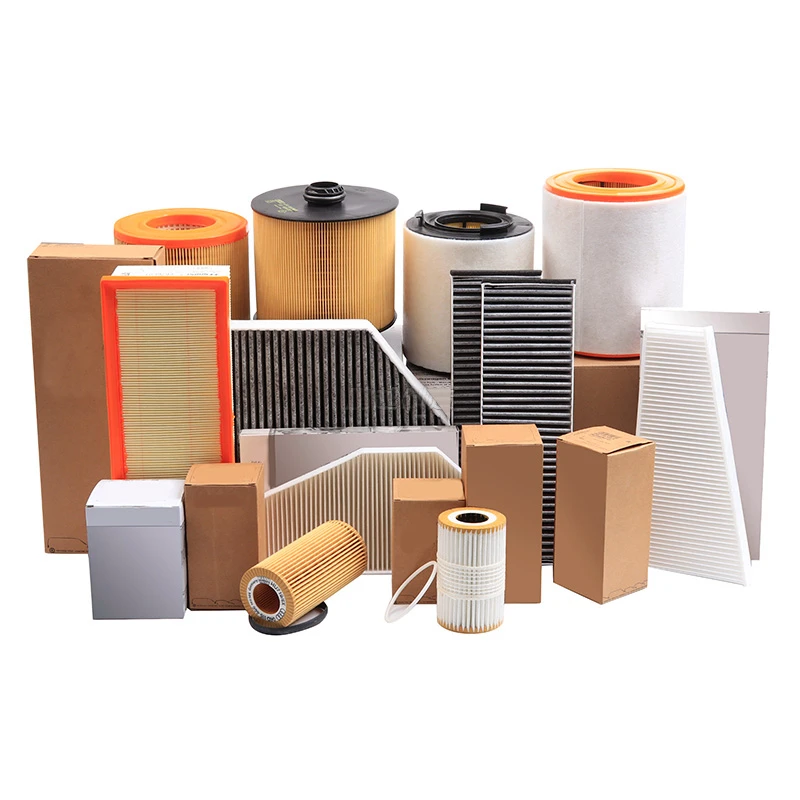
Understanding How Often Should You Change AC Filter in Car — Why It Truly Matters
Ever wondered just how often should you change your AC filter in car? It seems simple enough, but this small maintenance task has global significance you might not expect. Across millions of vehicles—whether in bustling megacities or remote rural roads—the air conditioners are silently cycling away, improving comfort and keeping drivers cool. But the filters that keep the air clean inside your car get dirty and clogged with dust, pollen, and microbial build-up. When neglected, they not only reduce system efficiency but can impact your health and the vehicle itself.
Worldwide, as urban air pollution rises (with the UN Environment Programme estimating over 90% of the global population breathes polluted air), maintaining a clean cabin environment is more important than ever. Knowing when and how often to change a car’s AC filter isn’t just a handy tip — it’s a small step with big benefits for your wellbeing, fuel economy, and car longevity.
Global Context: The Air We Breathe, Inside and Out
Did you know that according to WHO, around 7 million people die each year from diseases caused by indoor and outdoor air pollution? While much of this focuses on ambient air quality, vehicles—where many of us spend hours daily—represent a micro-environment that can either protect or expose us to contaminants.
Car manufacturers and environmental agencies globally recommend periodic maintenance of air conditioning filters. Unfortunately, there’s a gap between recommendations and real-world practices. Traffic-dense urban centers—think Beijing, Mexico City, or Delhi—see rapid filter clogging due to heavy particulate matter. Meanwhile, in less polluted areas, dust and pollen might be the primary culprits.
This challenge translates into a persistent question among drivers and service technicians: How often should you change AC filter in car? Unfortunately, the answer isn’t one-size-fits-all. It depends on multiple factors we’ll explore below. The stakes are real: poor filter maintenance can lead to diminished air quality, increased fuel consumption, and expensive system repairs.
What Exactly Does "How Often Should You Change AC Filter in Car" Mean?
Simply put, the phrase refers to the recommended interval or frequency at which the air conditioning cabin filter in a car should be inspected, cleaned, or replaced. The filter’s job is to trap airborne contaminants before they enter the vehicle’s interior ventilation system, ensuring the air you breathe stays fresh and clean.
In the automotive industry, this is a key aspect of vehicle maintenance and customer satisfaction. From a broader perspective, effective cabin air filtration supports public health objectives by reducing exposure to inhalable pollutants even while driving.
So, when we talk about how often should you change AC filter in car, it’s both a practical vehicle care question and a piece of a global air quality puzzle.
Key Factors Determining How Often to Change Your Car's AC Filter
1. Driving Environment
If you’re frequently driving in dusty or polluted areas—construction zones, heavy traffic cities, or farm roads—your AC filter will clog faster. Urban centers with poor air quality accelerate filter wear significantly.
2. Manufacturer Recommendations
Most auto manufacturers provide guidelines, usually ranging from 12,000 to 15,000 miles under normal conditions. But these intervals assume average pollution and driving habits.
3. Seasonal and Weather Conditions
Spring might bring more pollen, while fall sees leaf debris. Humid conditions can promote mold growth on filters, all affecting replacement frequency.
4. Vehicle Usage
Cars used daily for commuting might need more frequent changes than those driven occasionally or short distances.
5. Filter Type and Quality
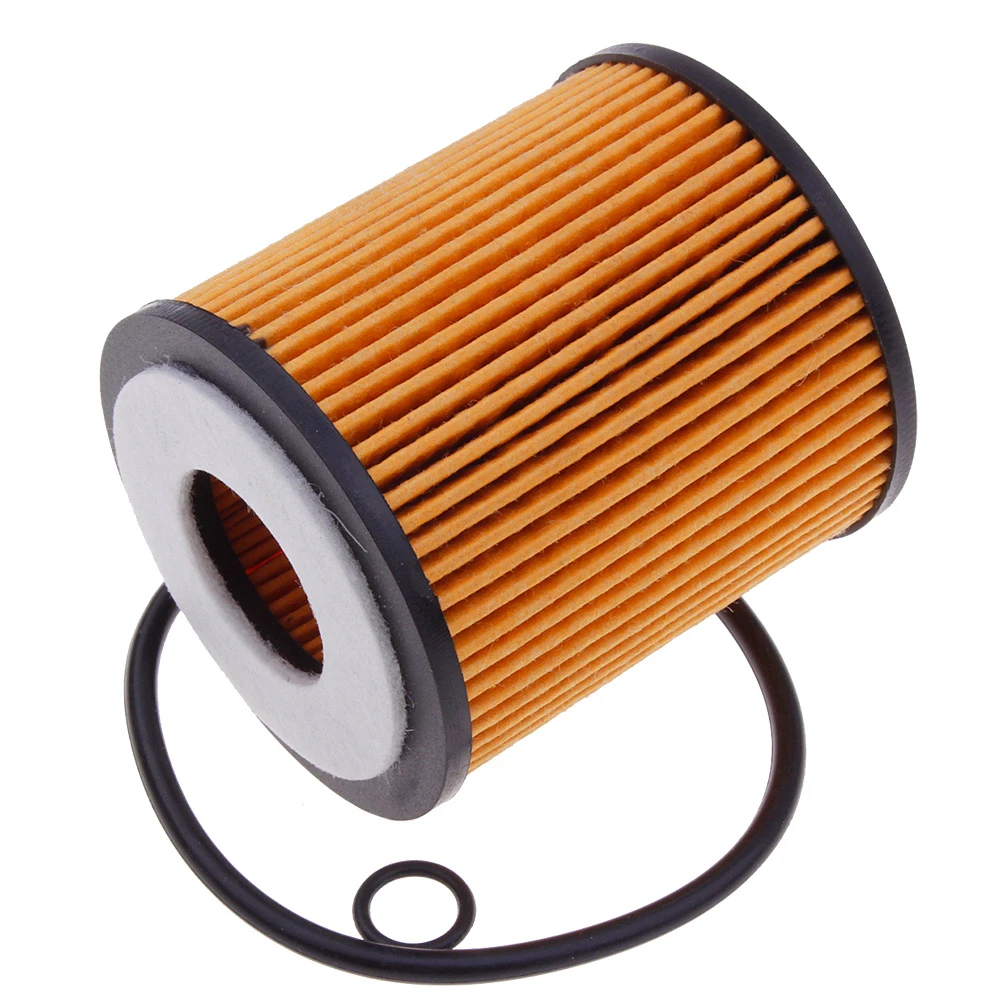
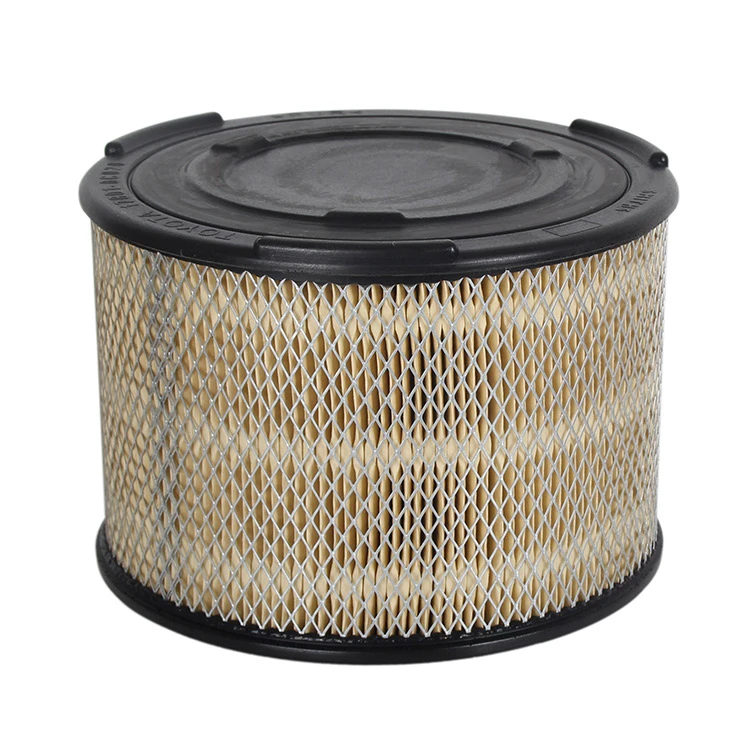
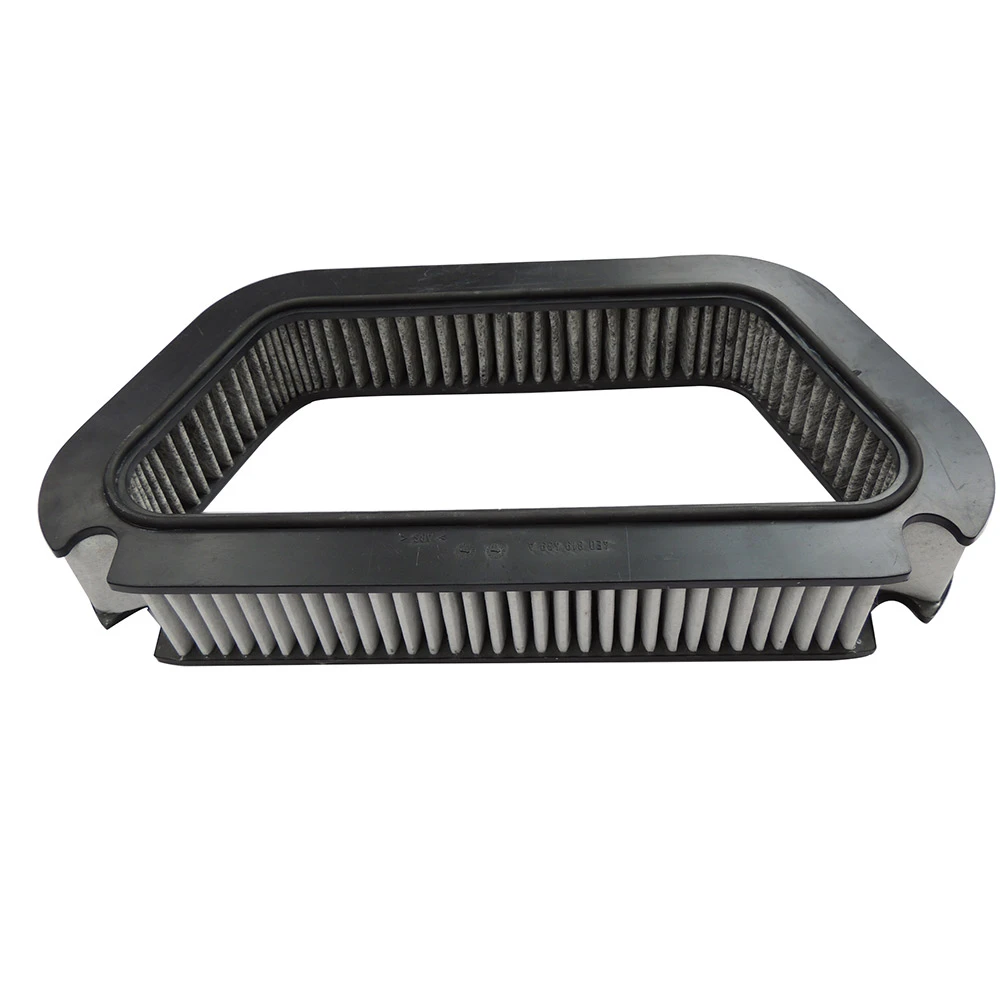
Not all filters are created equal. Activated carbon filters, HEPA-type filters, or basic paper ones have different lifespans and capabilities.
Mini Takeaway: There isn’t a universal timeline for how often you should change ac filter in car; it’s a mix of environment, usage, and filter type.
Global Applications: Who Benefits From Timely AC Filter Changes?
In Europe and North America, where vehicle maintenance is more regulated and structured, changing the cabin filter regularly is standard practice, supported by service reminders. Fleet operators particularly benefit: reliable air quality enhances driver health and satisfaction on long hauls.
In developing regions, awareness is growing. NGOs dealing with disaster relief, where vehicles serve as mobile clinics or shelters, rely on clean air conditioning to maintain sanitary conditions in difficult environments.
Public transit systems and ride-sharing fleets in mega-cities also invest in frequent cabin air filter replacements to maintain passenger comfort and reduce illness transmission.
I recall a taxi company in Mumbai that reported fewer driver sick days after instituting quarterly filter changes—proof that small maintenance moves can lead to big operational gains.
Advantages & Long-Term Value of Regular AC Filter Changes
- Improved Air Quality: Removes allergens, dust, and bacteria — good for allergy sufferers and overall health.
- Enhanced AC Efficiency: Clean filters prevent system strain, lowering fuel consumption by up to 10% in some studies.
- Reduced Repair Costs: Prevents damage to the blower motor and AC components caused by dust buildup.
- Comfort & Safety: Ensures clear windows and defrosting, critical in winter driving.
Psychologically, clean air just feels nicer — contributing to a more relaxed and focused driver. It’s odd how a tiny bit of maintenance can change your whole driving experience, but it does.
Future Trends: Innovations in Car AC Filters
Green technologies are shaping the future. Biodegradable filter materials combined with anti-microbial coatings fight pathogens and reduce landfill waste. Intelligent sensors that monitor filter saturation in real-time are starting to appear, linking your car’s maintenance system to smartphone alerts.
Additionally, urban policy changes that mandate better cabin filtration standards (in countries like Germany and Japan) push manufacturers toward higher quality filter designs. I’m quite excited by the prospect of “smart filters” that self-clean, though that feels like a few years away.
Challenges & How to Overcome Them
One big challenge is driver awareness. Many people simply don’t know when or why to change these filters, putting off the task until performance flags. Another is inconsistent replacement intervals based on varied driving conditions, which makes one-size-fits-all recommendations less practical.
The solution? Educating consumers — manufacturers and service centers can send reminders based on mileage and environmental sensors. Some brands are experimenting with subscription-based filter replacement programs, which kind of take the thinking out of it, and help keep air quality in check year-round.
Quick FAQ About How Often Should You Change AC Filter in Car
- Q: How can I tell if my car's AC filter needs changing?
- A: Signs include reduced airflow from vents, unpleasant odors, or increased dust inside the cabin. Many cars also provide maintenance alerts for filter replacement.
- Q: Can I clean a reusable AC filter instead of replacing it?
- A: Some filters are washable (especially foam types), but most standard paper filters should be replaced. Always check your owner's manual.
- Q: Is it safe to skip changing the AC filter for a few years?
- A: Not recommended. Clogged filters can damage your AC system and degrade interior air quality, potentially affecting your health.
- Q: Do electric vehicles need different AC filter maintenance?
- A: Generally, the same principles apply since EVs use cabin filters similar to combustion vehicles. However, some newer EVs incorporate advanced filtration technologies.
Product Specification Table: Typical Car AC Cabin Filter
| Feature | Specification | Notes |
|---|---|---|
| Filter Material | High-efficiency synthetic fiber | Traps particles down to 3 microns |
| Dimensions | Typically 8 x 7 x 1 inch (varies by model) | Fits most mid-sized vehicles |
| Lifespan | 12,000 – 15,000 miles (varies) | Depends on environment |
| Special Features | Activated carbon layer available | Reduces odors and harmful gases |
| Price Range | $10 – $30 per unit | Varies by brand |
Vendor Comparison Table: Popular AC Cabin Filter Brands
| Brand | Filter Type | Key Feature | Price Approx. | Customer Rating |
|---|---|---|---|---|
| Bosch | Activated carbon | Excellent odor removal | $25 | 4.7/5 |
| Fram | Standard paper | Affordable, reliable | $15 | 4.3/5 |
| Mann-Filter | HEPA-type | High filtration efficiency | $30 | 4.8/5 |
Wrapping It Up: The Long-Term Payoff
So, how often should you change the AC filter in your car? Frankly, it depends, but the rule of thumb tends to hover around every 12,000 to 15,000 miles or once a year—whichever comes first. Pay attention to your driving environment and any changes in your car’s airflow or interior smell. Regularly replacing your cabin filter is the easiest and most effective way to ensure cleaner air, save on fuel, and extend your AC system’s life.
Don't wait until your car’s AC feels off or smells funny. Like we said: a little effort every once in a while goes a long way. For more detailed, model-specific advice and genuine quality filters, visit https://www.jyfilter.com and breathe easier on every drive.
References
-
Guide on how often do you need to replace engine air filterNewsApr.16,2026
-
Learn how often do you replace air filter in car for engine healthNewsApr.09,2026
-
How Often Do You Replace Car Air Filter For Optimal Engine PerformanceNewsApr.07,2026
-
How Often Do You Replace Engine Air Filter For Optimal Vehicle PerformanceNewsApr.04,2026
-
Understanding How Often Does Engine Air Filter Need to Be Replaced for Optimal PerformanceNewsMar.31,2026
-
How Often Engine Air Filter Change Impacts Performance and LongevityNewsMar.28,2026
-
Understanding How Often to Replace Your Car Air Filter for Optimal PerformanceNewsMar.26,2026
Related Products