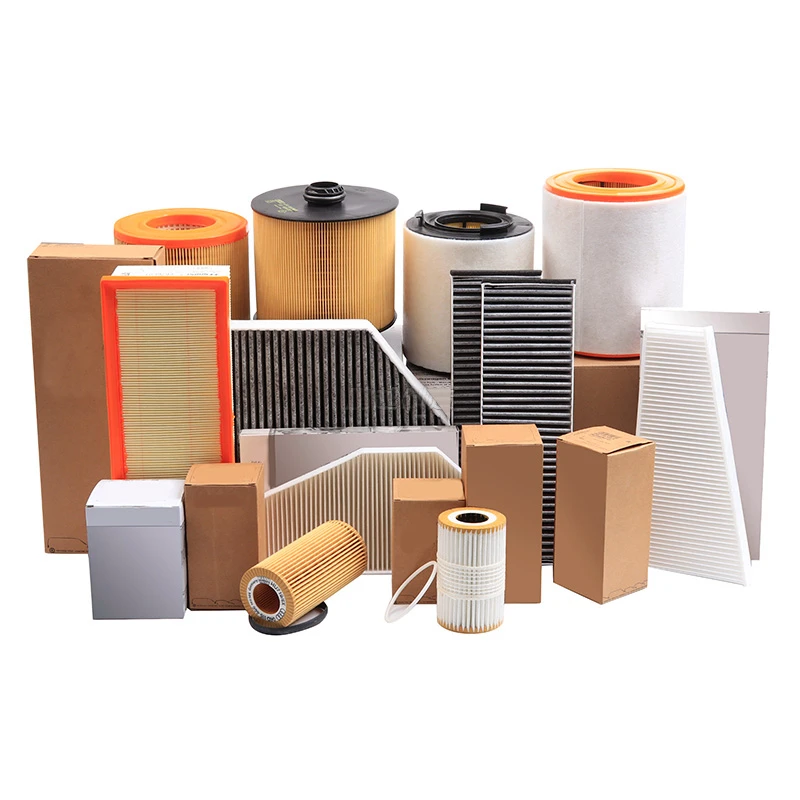
Understanding How Often Should I Replace My Car Air Filter: Why It Matters More Than You Think
If you’ve ever glanced at your car's maintenance manual or searched online for car care tips, you’ve probably stumbled across the question: how often should I replace my car air filter? It might seem like a small detail in the grand machinery of your vehicle, but this simple component plays a surprisingly critical role both for your car’s health and the environment. From improving fuel efficiency to reducing harmful emissions, knowing when to swap out your car’s air filter isn’t just about keeping your ride smooth—it’s a tiny, global contribution to cleaner air and longer-lasting engines.
In fact, understanding car air filter maintenance connects to wider environmental standards and industry practices worldwide, with the International Organization for Standardization (ISO) and other bodies paying close attention to vehicle emissions and fuel economy. So, learning about your car’s air filter schedule isn’t just practical—it’s part of a bigger picture.
Mini takeaway: Replacing your car’s air filter at the right intervals benefits your vehicle’s longevity, your wallet, and the planet.
A Global Snapshot: The Importance of Timely Car Air Filter Replacement
On a worldwide scale, cars are responsible for a significant chunk of air pollution and greenhouse gas emissions. According to the United Nations Environment Programme (UNEP), road transport accounts for nearly 12% of total global CO2 emissions. One underestimated way to curb this is ensuring cars run efficiently—with clean air filters being a foundational element.
Dirty or clogged air filters force an engine to work harder, which wastes fuel and increases emissions. This problem isn’t localized, either. Urban centers from New Delhi to Los Angeles grapple with millions of vehicles on the road daily. Here, routine maintenance—like timely air filter replacement—can reduce particulate matter by up to 25%, according to studies by the Environmental Protection Agency (EPA).
However, despite its obvious importance, many drivers overlook this simple step, risking reduced engine performance and increased pollutant output.
Mini takeaway: Timely replacement of car air filters is a small but effective action with far-reaching environmental and mechanical benefits.
What Exactly Does “How Often Should I Replace My Car Air Filter” Mean?
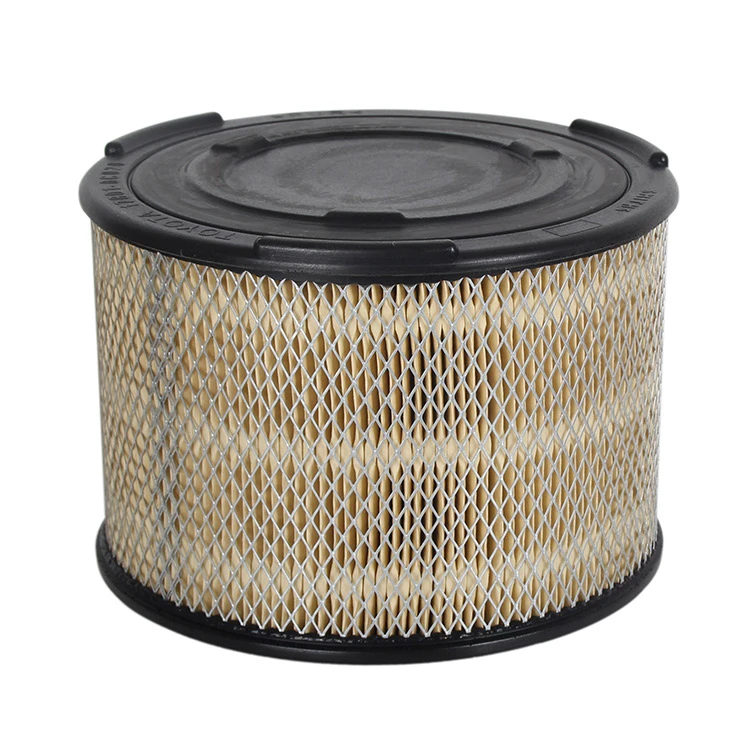
To cut through the jargon, the question “how often should I replace my car air filter” boils down to the recommended intervals or conditions under which a car’s air filter should be swapped to maintain optimal engine health. The air filter’s job is straightforward: trap dust, dirt, and debris before they enter your engine, preventing wear and tear.
This maintenance question became more complex with modern vehicles, where driving conditions—like dusty roads, heavy traffic, or pollution—significantly impact filter lifespan. Additionally, in humanitarian or industrial contexts, vehicles used in extreme environments need more frequent checks to ensure reliability.
Mini takeaway: Replacing your car air filter isn’t a one-size-fits-all answer but depends heavily on driving habits and environmental conditions.
Core Factors Affecting Air Filter Replacement Frequency
1. Driving Conditions
If you mostly cruise on urban freeways with relatively clean air, your filter will last longer than someone regularly navigating dusty rural roads or construction zones.
2. Manufacturer's Recommendations
Most auto manuals suggest replacing filters every 12,000 to 15,000 miles, but it varies by make and model.
3. Air Quality & Pollution
Living or driving in high-pollution areas clogs filters faster, requiring earlier replacement.
4. Vehicle Usage Frequency
Daily drivers accumulate dirt buildup quicker than weekend-only users.
5. Filter Type & Quality
Some premium filters can last longer, while cheaper ones may need more frequent swaps.
6. Visual / Physical Checks
Sometimes a simple inspection can reveal unnecessarily dirty filters that demand earlier change regardless of mileage.
Mini takeaway: Factors like road dust, mileage, and air quality shape when your car air filter should be changed—knowing these empowers better maintenance.
How Timely Car Air Filter Replacement Shows Up Around the World
Across the globe, industries and regions show fascinating patterns regarding air filter upkeep. For example, in remote mining areas of Australia, heavy dust loads mean filters get beaten up quickly, leading companies to adopt more frequent replacement regimes for their vehicle fleets to avoid costly breakdowns.
Meanwhile, NGOs running relief missions in disaster-affected terrains like the Caribbean emphasize strict filter maintenance schedules to ensure emergency vehicles don’t fail when every second counts.
In developed urban areas, fleet operators for taxis and delivery services often use telematics combined with dust sensors to recommend precise replacement times, saving costs and maximizing engine life. Such innovations prove that keeping tabs on how often to replace a car air filter isn’t just guesswork but integrated into smart vehicle management.
Mini takeaway: Real-world examples from mining, disaster response, and urban fleets illustrate diverse approaches but underline the universal need for timely air filter care.
The Advantages of Staying on Top of Your Air Filter Maintenance
- Fuel Efficiency: Clean air filters improve air intake, optimizing combustion and reducing fuel costs.
- Engine Longevity: Prevents dirt from damaging vital engine parts, extending vehicle life.
- Lower Emissions: Reduces harmful emissions, contributing to cleaner urban air.
- Cost Savings: Avoids expensive repairs from neglected filters and poor engine health.
- Peace of Mind: Knowing your vehicle runs optimally is its own reward.
On an emotional level, it’s reassuring for drivers to feel they are caring for their car responsibly, protecting their investment, and subtly contributing to wider environmental goals. Over time, such habits foster trust in the manufacturer and service providers alike.
Mini takeaway: Regular car air filter replacement pays off financially, mechanically, and even emotionally.
Spotting Future Trends in Car Air Filter Replacement
The auto industry is slowly embracing smarter, greener, and more automated solutions:
- Smart Sensors: Vehicles with sensors can now alert drivers when filters need replacing, based on air quality and actual usage, not just mileage.
- Eco-friendly Materials: Filters made from sustainable, biodegradable fibers reduce environmental impact.
- Improved Filtration Media: Nanofiber technology allows better dust capture without restricting airflow.
- Integration with IoT: Connected cars might soon automatically schedule replacements with service centers.
It feels like a quiet revolution, where a simple part like your air filter is getting a tech upgrade, pointing to a sustainable and efficient automotive future.
Challenges and Practical Solutions for Air Filter Maintenance
Despite gains, several challenges persist:
- Driver Awareness: Many don’t realize dirty filters harm performance, leading to neglect.
- Inconsistent Guidelines: Conflicting mileage intervals confuse users.
- Access to Quality Filters: Low-cost or counterfeit parts flood some markets.
Solutions? Educating customers through trusted sources, innovating with sensor diagnostics, and standardizing global replacement schedules could bridge gaps. Certified parts and repair shops also boost confidence.
Mini takeaway: Knowledge gaps and inconsistency challenge effective air filter maintenance, but tech and education show promising paths forward.
Product Specification Table: Typical Car Air Filter Attributes
| Specification | Value/Range |
|---|---|
| Filter Type | Paper / Cotton / Synthetic |
| Effective Lifespan | 12,000 - 15,000 miles (19,000 - 24,000 km) |
| Filtration Efficiency | Up to 98% of dust particles |
| Operating Temp Range | -40°F to 250°F (-40°C to 121°C) |
| Replacement Indicator | Manual check / Sensor alerts (advanced models) |
Vendor Comparison: Popular Air Filter Brands
| Brand | Price Range | Filter Types | Warranty | Notable Features |
|---|---|---|---|---|
| K&N | $$$ (Premium) | Washable Cotton | 10-Year Warranty | High Flow, Reusable |
| FRAM | $ - $$ | Paper, Synthetic | Limited | Wide Availability, OEM Specs |
| Bosch | $$ | Paper, Synthetic | 2-Year Warranty | Durability, OE Quality |
| Mann-Filter | $$$ | Synthetic, High Efficiency | 3-Year Warranty | High Filtration, OE Fitment |
FAQ: Common Questions About How Often Should I Replace My Car Air Filter
- Q: How many miles should I drive before replacing the air filter?
-
Most manufacturers recommend changing the air filter every 12,000–15,000 miles. However, factors like dusty environments or heavy city traffic may require more frequent replacements.
- Q: Can I clean and reuse an air filter instead of replacing it?
-
Some filters, like K&N’s washable cotton filters, are designed for cleaning and reuse. Paper filters typically should be replaced, as cleaning can damage their structure or reduce effectiveness.
- Q: What are the signs that my air filter needs replacing?
-
Reduced fuel efficiency, sluggish acceleration, unusual engine sounds, or visible dirt and debris on the filter are common indicators that it’s time for a change.
- Q: Can ignoring air filter replacement void my vehicle warranty?
-
While it varies, neglecting essential maintenance like air filter changes may risk warranty issues, especially if engine damage results from clogged filters.
- Q: Where can I find reliable replacement air filters?
-
Authorized dealers, certified online retailers, and well-known brands ensure quality. Avoid cheap knock-offs which may compromise engine health.
Wrapping Up: Keep Your Engine Happy and the Air Cleaner
To circle back, the question of how often should I replace my car air filter might seem trivial at first, but it’s really a keystone in efficient vehicle maintenance and environmental care. Timely filter replacement saves fuel, reduces engine wear, and cuts down on emissions—making life better for both you and your broader community.
And if you feel a little curious and want to take that next step, you might enjoy reading how often should i replace my car air filter, where practical tips and trusted advice come together.
So, open that hood every once in a while, take stock of your filter’s condition, and maybe even chat with your mechanic about filters designed for your driving needs. It’s a simple habit with surprisingly big returns over time.
References
-
Guide on how often do you need to replace engine air filterNewsApr.16,2026
-
Learn how often do you replace air filter in car for engine healthNewsApr.09,2026
-
How Often Do You Replace Car Air Filter For Optimal Engine PerformanceNewsApr.07,2026
-
How Often Do You Replace Engine Air Filter For Optimal Vehicle PerformanceNewsApr.04,2026
-
Understanding How Often Does Engine Air Filter Need to Be Replaced for Optimal PerformanceNewsMar.31,2026
-
How Often Engine Air Filter Change Impacts Performance and LongevityNewsMar.28,2026
-
Understanding How Often to Replace Your Car Air Filter for Optimal PerformanceNewsMar.26,2026
Related Products