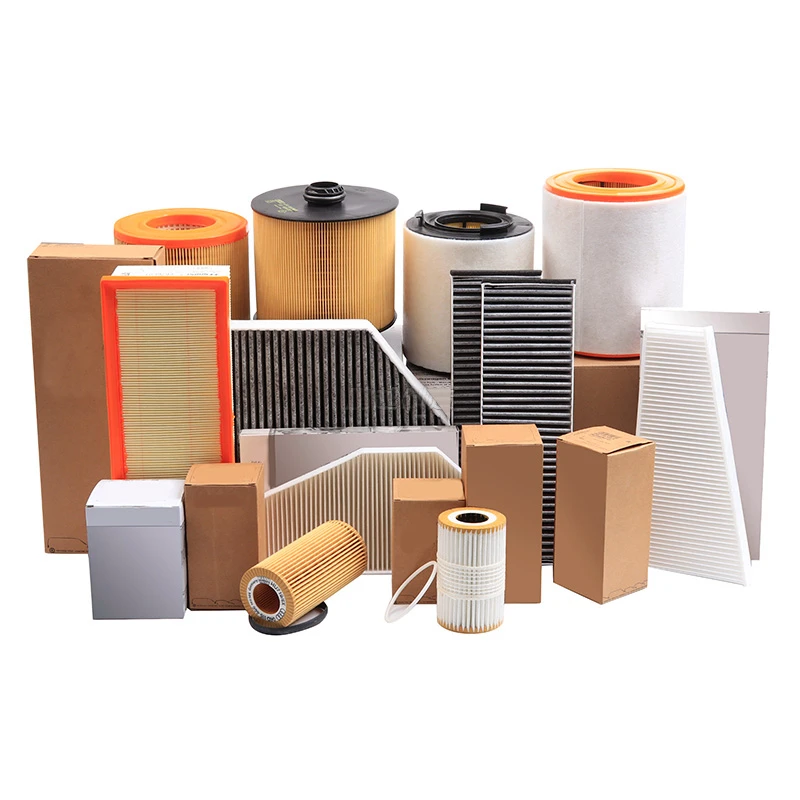
How Often Should I Replace My Engine Air Filter? A Practical Guide
Understanding how often you should replace your engine air filter might seem trivial, but in the grand scheme — both for your vehicle’s health and environmental impact — it’s surprisingly important. Around the world, millions of vehicles rely on clean air intake to run efficiently, reduce emissions, and prolong engine life. Being on top of this seemingly small maintenance task can save you money, avoid breakdowns, and even contribute to cleaner air globally.
The Global Context: Why This Question Matters Beyond Your Garage
According to data from organizations like the International Organization for Standardization (ISO) and the United Nations Environment Programme, transportation is a major contributor to global air pollution — responsible for about 14% of greenhouse gas emissions worldwide. A dirty or clogged engine air filter means the engine burns fuel less efficiently, increasing emissions and wasting precious resources.
The challenge faced by many countries—especially those with rapidly growing vehicle fleets—is ensuring regular maintenance that keeps engines healthy and emissions low. In developing countries, irregular maintenance leads to needless over-consumption of fuel and higher pollution. So, knowing how often should I replace my engine air filter becomes a small but mighty tool in reducing carbon footprints globally.
What Is an Engine Air Filter? Defining the Basics
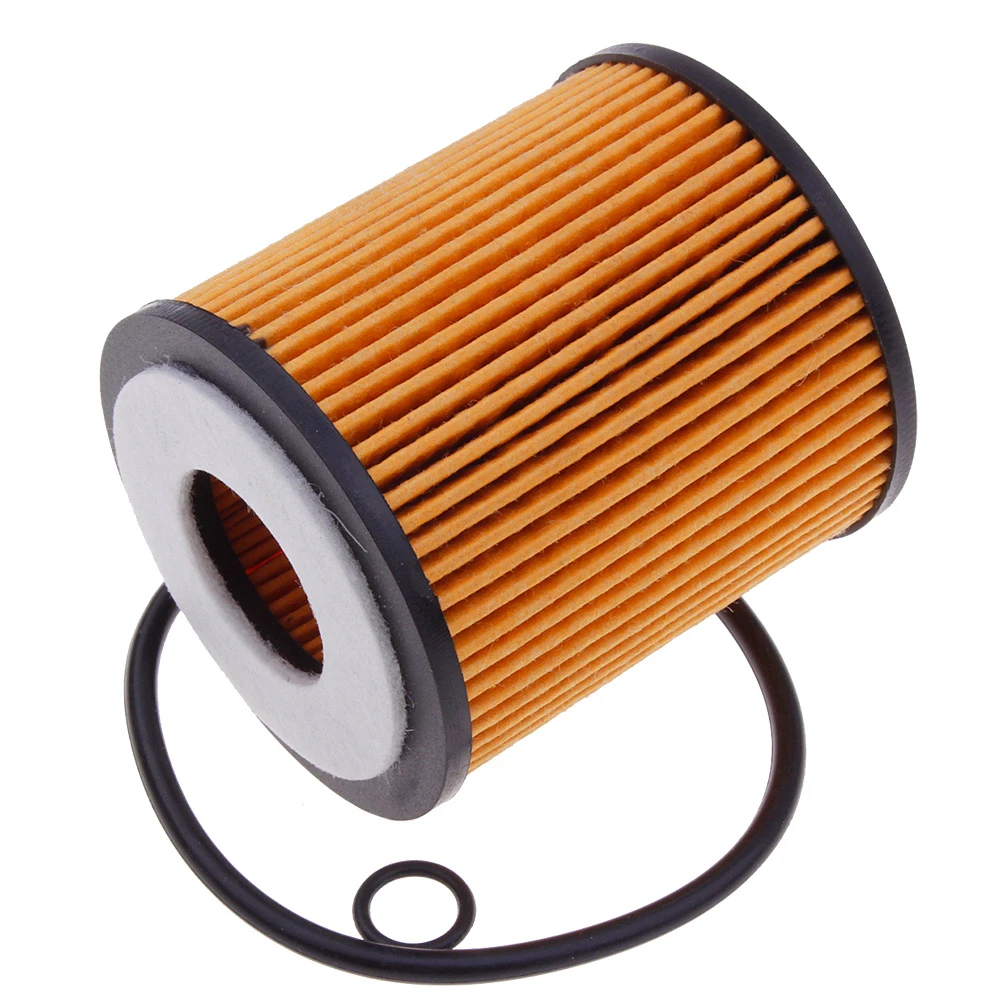
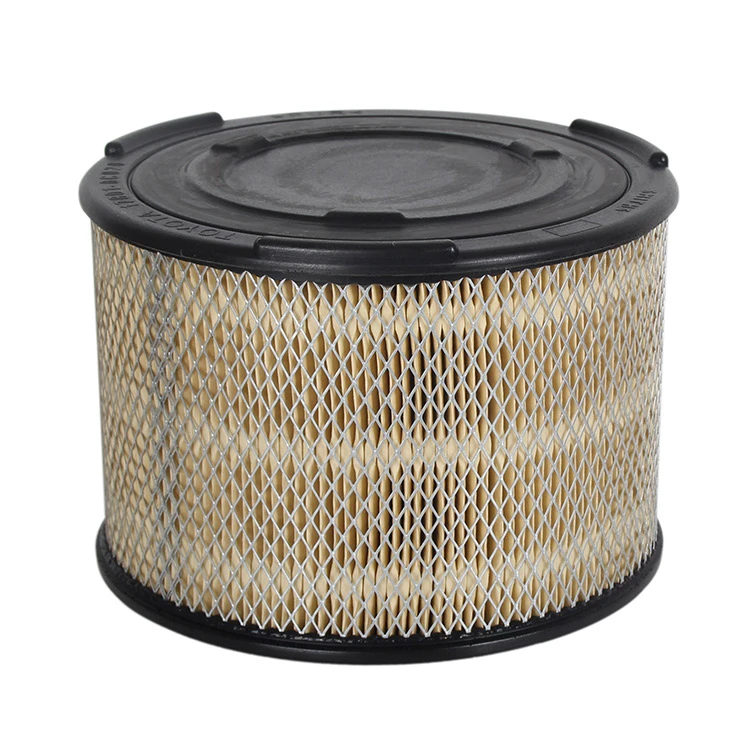
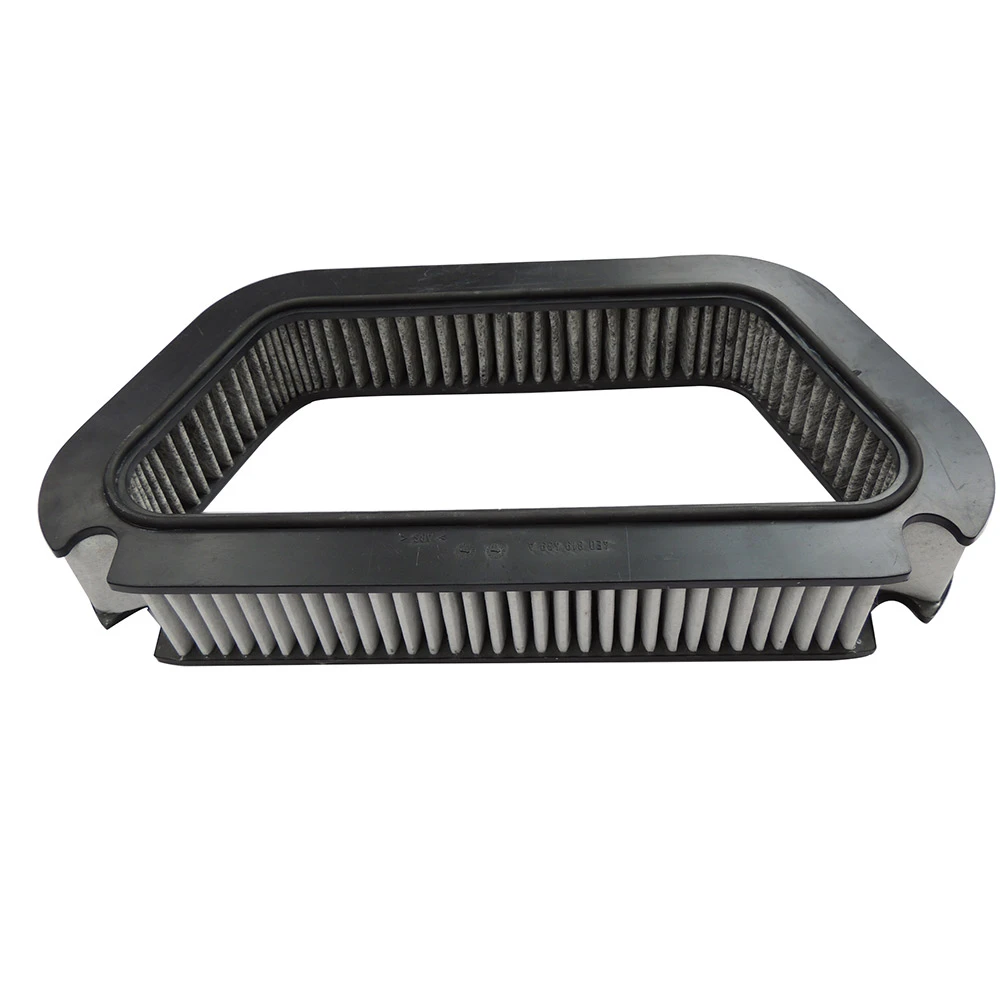
Simply put, an engine air filter is a component that cleans the air entering your vehicle’s engine, catching dust, dirt, and other particles before they do harm. Engines need a precise mix of clean air and fuel — contaminated air compromises performance, fuel economy, and emissions controls.
What’s striking is how this small piece connects to huge issues: urban air quality, fuel consumption, and sustainability. Modern automotive manufacturing, as well as humanitarian operations involving fleet vehicles in disaster zones, rely on well-maintained air filters to ensure reliable performance and reduce environmental damage.
Key Factors Influencing How Often to Replace Your Engine Air Filter
Driving Conditions
Dusty roads, off-road driving, and heavy traffic with idling all speed up filtration clogging. For someone commuting through city pollution, filters last longer; for those driving rural dirt roads, replacement is more frequent.
Vehicle Type and Engine Design
Different vehicles have different air consumption rates and filter designs. Performance cars or trucks hauling heavy loads often require more frequent air filter checks than standard passenger vehicles.
Filter Material and Quality
Paper, cotton gauze, foam, or synthetic filters each have differing lifespans and filtration efficiency. Higher-end reusable filters might last tens of thousands of miles but need cleaning rather than swapping.
Manufacturer Recommendations
Always a good baseline: car makers publish guidelines based on extensive testing. You can find detailed info on your vehicle’s maintenance schedule in manuals or trustworthy sites like how often should i replace my engine air filter.
Environmental Regulations
Stricter emissions standards often push manufacturers and users toward more frequent maintenance and better filter tech—this is crucial from California smog laws to EU directives.
Usage Intensity
Vehicles used heavily — taxis, delivery vans, construction equipment — will naturally need more frequent filter changes.
Mini takeaway: So, in everyday terms, the answer to how often should i replace my engine air filter really hinges on multiple factors — think of it as a customized maintenance rhythm rather than a fixed calendar date.
Common Engine Air Filter Specifications
| Spec | Typical Range | Notes |
|---|---|---|
| Material | Paper, Cotton Gauze, Foam, Synthetic | Material affects filtration efficiency and lifespan. |
| Lifespan | 10,000–30,000 miles (16,000–48,000 km) | Depends on driving environments and filter type. |
| Filtration Efficiency | Up to 99.9% | Some materials capture finer particles better. |
| Serviceability | Disposable or washable | Reusable filters require cleaning, occasional oiling. |
| Fitment | Vehicle-specific sizes and shapes | Important for correct airflow and sealing. |
How Different Vendors Stack Up
| Vendor | Filter Type | Price Range | Avg Lifespan (miles) | Notes |
|---|---|---|---|---|
| Brand A | Paper (disposable) | $10–$15 | 12,000 | Widely available, budget friendly. |
| Brand B | Cotton gauze (washable) | $40–$60 | 50,000 (with maintenance) | Reusable, popular with performance enthusiasts. |
| Brand C | Synthetic blend | $20–$35 | 20,000–25,000 | Good balance of cost and efficiency. |
| Brand D (OEM) | OEM paper | $15–$25 | 15,000 | Manufacturer-recommended, guaranteed fit. |
Real World Uses: Where Maintenance Meets Performance
Imagine a fleet of delivery vans navigating dusty rural roads in India. The drivers and operators know that skipping air filter changes leads to sluggish engines and costly downtime. Here, replacing filters every 12,000 to 15,000 miles prevents breakdowns and reduces fuel cost.
Meanwhile, in European cities with strict emissions rules, taxi services stick closely to manufacturer schedules—often with electronic indicators to warn when filters need changing—keeping pollution low and taxis reliable.
In humanitarian aid contexts, such as relief convoys operating post-earthquake, technicians select rugged, easily replaceable air filters to ensure vehicles perform in dusty, unpredictable environments. The choice and frequency of replacement directly impacts mission success.
Advantages of a Well-Timed Filter Replacement
- Cost Savings: Clean filters optimize fuel efficiency, preventing wasteful combustion.
- Engine Longevity: Avoid abrasive particles damaging internal components.
- Emissions Reduction: Helps meet local and global environmental standards.
- Reliability: Prevents unexpected breakdowns that could disrupt work or daily life.
- Peace of Mind: Knowing your vehicle is in optimal condition offers emotional comfort.
Future Trends: Smarter and Greener Air Filters
Looking ahead, several innovations are shaping how often you might replace your engine air filter. Electrification means internal combustion engines may phase out eventually, but for now, filters are becoming smarter — embedded sensors now can detect clogging and notify drivers in real time via their dashboards or apps.
Materials science is also at work: biodegradable and recyclable filter media, plus coatings that repel dirt, are emerging to reduce waste and improve efficiency. These advances align neatly with the broader push toward sustainability and circular economy principles.
Common Challenges and How to Overcome Them
The biggest challenge? Awareness and consistent upkeep—many vehicle owners simply forget or underestimate how much their environment impacts filter life. Also, aftermarket filters vary in quality, sometimes leading to premature clogging or airflow issues.
One solution gaining traction is the integration of digital maintenance reminders — some carmakers embed filter status info in service apps, enhancing user engagement.
Additionally, professional mechanics often recommend inspecting the air filter during regular oil changes—a friendly reminder embedded in your service routine helps keep things on track.
FAQ on How Often Should I Replace My Engine Air Filter
- Q1: How do I know when my engine air filter needs replacing?
- A: Signs include reduced fuel economy, engine misfires, sluggish acceleration, or visible dirt on the filter. Checking it every 12,000 miles is good practice unless conditions suggest sooner.
- Q2: Can I clean and reuse a paper engine air filter?
- A: Paper filters are typically disposable, and cleaning them can damage the filter media. Cotton gauze or foam filters are better suited for cleaning and reuse.
- Q3: Does replacing my engine air filter improve my car’s performance?
- A: Absolutely. A clean filter ensures proper airflow to the engine, improving acceleration, fuel efficiency, and emissions.
- Q4: Are OEM filters better than aftermarket options?
- A: OEM filters guarantee proper fit and quality, but many aftermarket filters provide equal or better filtration at lower cost. Always choose reputable brands.
- Q5: How does environment affect filter life?
- A: Dusty, harsh environments clog filters faster. Vehicles driven in such conditions may need filter changes twice as often as those in clean city environments.
Wrapping Up: Keep It Clean, Keep It Running
In real terms, mastering how often should i replace my engine air filter is less about luck and more about tuned observation — and understanding your own driving conditions. While many recommend roughly 12,000 to 15,000 miles as the sweet spot, it’s never one-size-fits-all. Taking a moment to check your filter periodically might just save you hundreds in repairs, lower your environmental impact, and keep your vehicle humming smoothly for miles to come.
Ready to take control of your engine’s health? Visit us at https://www.jyfilter.com to explore quality filters and expert tips tailored to your vehicle’s needs.
References
-
Guide on how often do you need to replace engine air filterNewsApr.16,2026
-
Learn how often do you replace air filter in car for engine healthNewsApr.09,2026
-
How Often Do You Replace Car Air Filter For Optimal Engine PerformanceNewsApr.07,2026
-
How Often Do You Replace Engine Air Filter For Optimal Vehicle PerformanceNewsApr.04,2026
-
Understanding How Often Does Engine Air Filter Need to Be Replaced for Optimal PerformanceNewsMar.31,2026
-
How Often Engine Air Filter Change Impacts Performance and LongevityNewsMar.28,2026
-
Understanding How Often to Replace Your Car Air Filter for Optimal PerformanceNewsMar.26,2026
Related Products