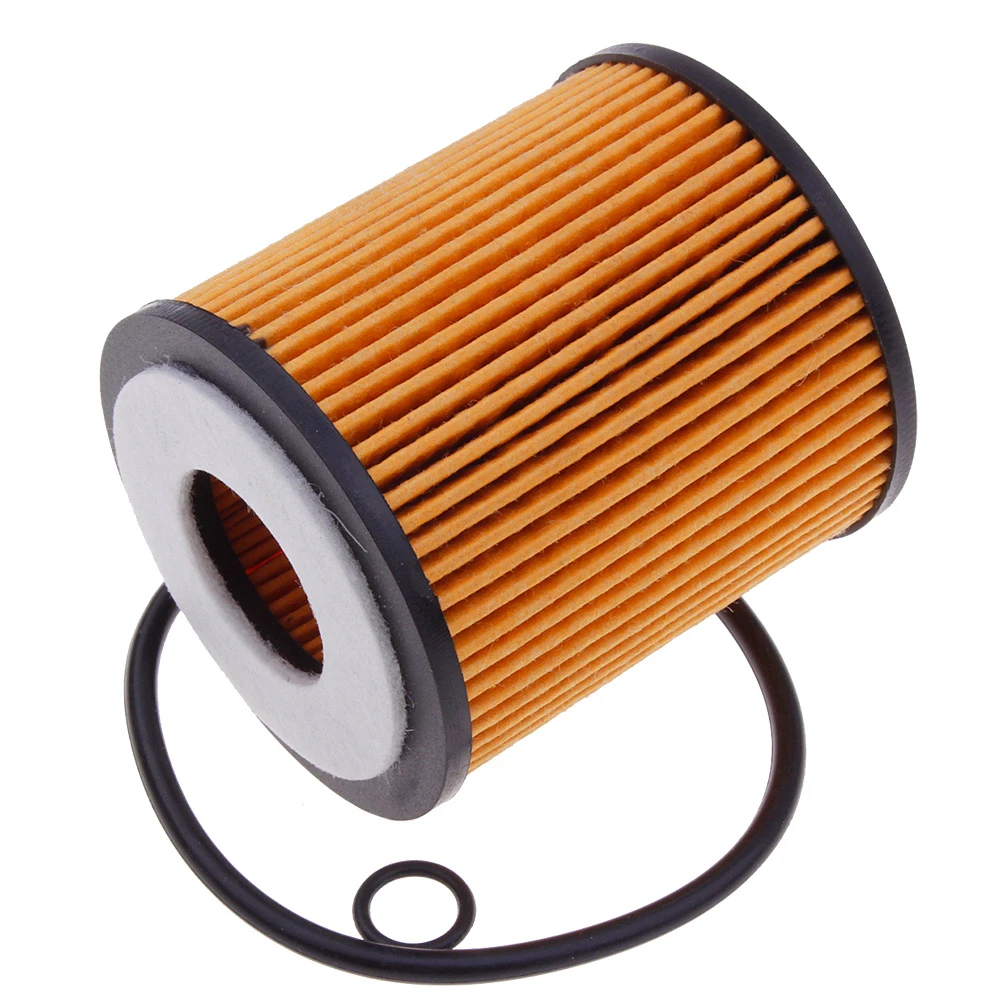
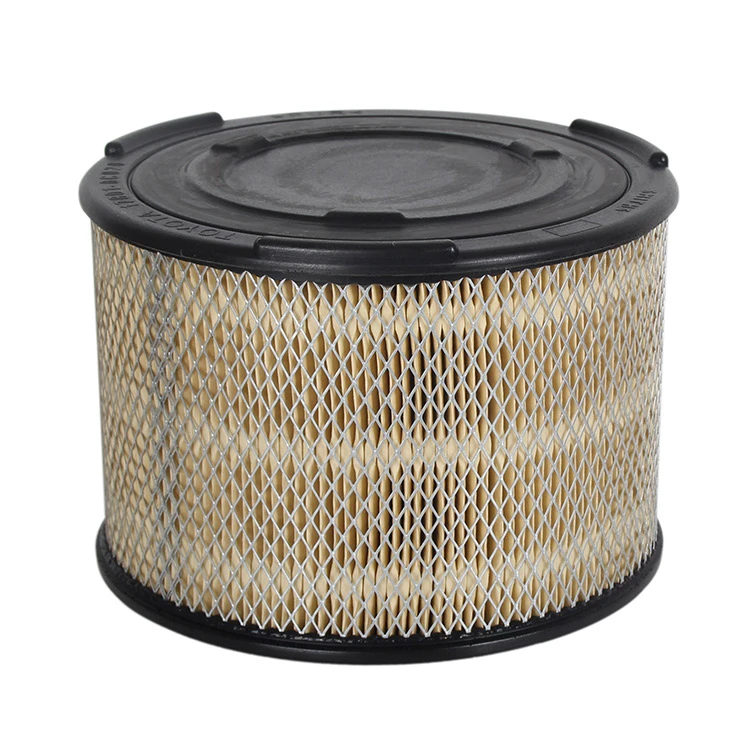
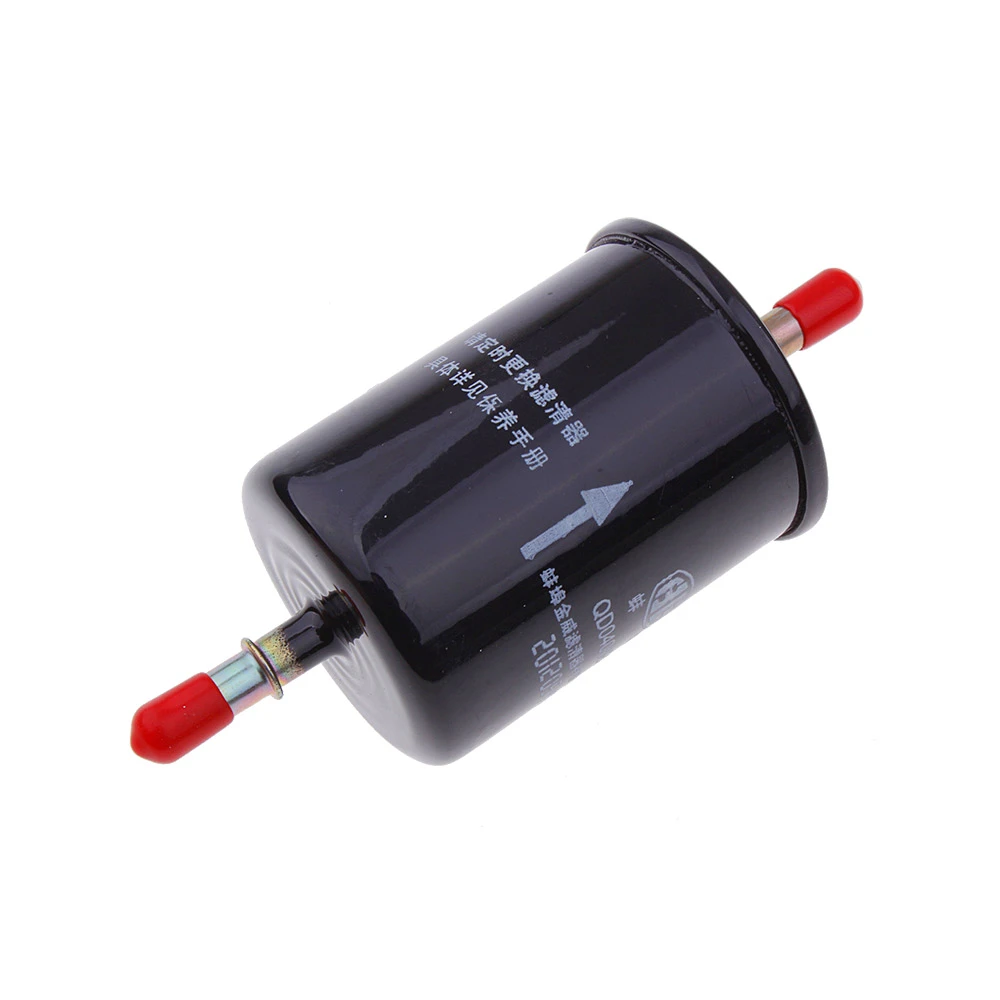
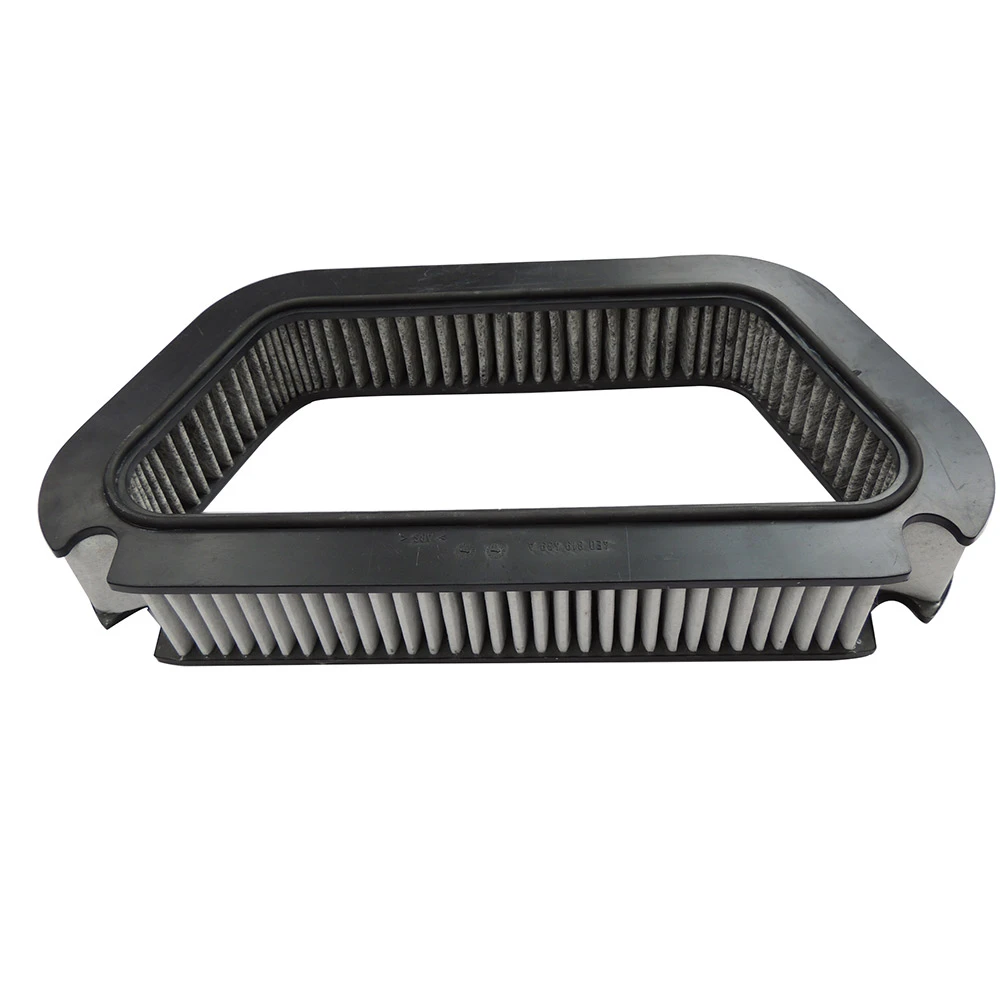
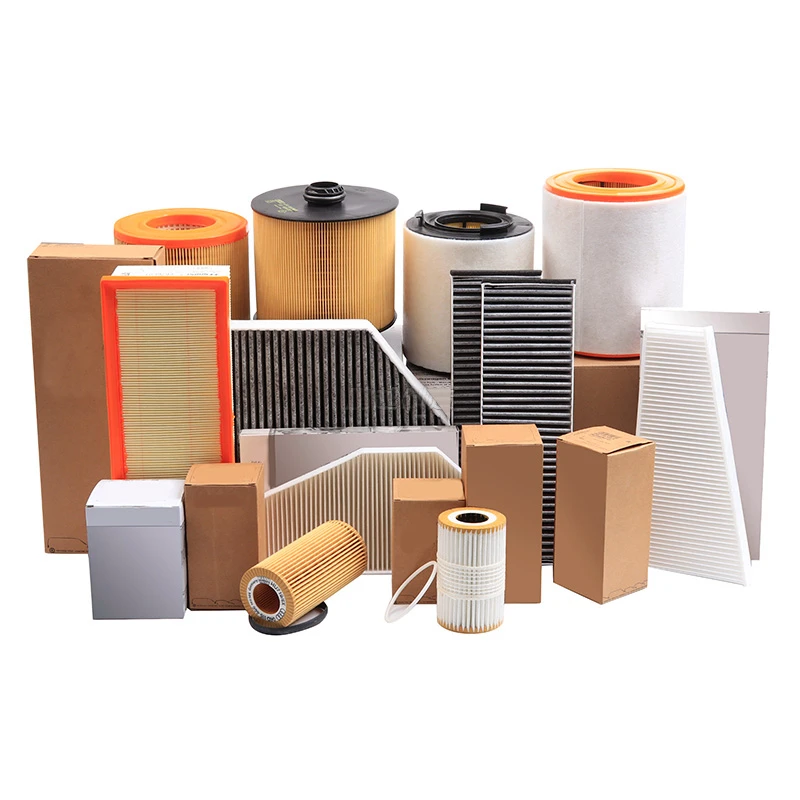
Why Knowing How Often Should I Replace Engine Air Filter Truly Matters
Every driver, mechanic, or vehicle owner at some point wonders: how often should I replace engine air filter? Sure, it sounds like a simple maintenance chore, but this little filter quietly pulls double duty — keeping your engine healthy and your fuel consumption in check. Understanding when and why you should replace it isn’t just good practice; it’s essential in reducing emissions worldwide and avoiding costly repairs down the line.
Globally, vehicle efficiency standards are tightening—partly due to environmental agreements like those from the United Nations Framework Convention on Climate Change (UNFCCC) targeting air quality and emissions. The engine air filter, often overlooked, plays a surprisingly big role in this ecosystem of sustainability and vehicle longevity.
Setting the Stage: The Global and Industry Context
Did you know that internal combustion engines still make up roughly 75% of the global vehicle fleet as of 2023, according to the International Energy Agency (IEA)? Although electric vehicles are growing, the majority of the 1.42 billion cars worldwide rely on clean air intake for optimal operation. And guess what? That air goes through... yes, you've got it: the air filter.
The problem? Dirty, clogged air filters reduce engine efficiency, increase emissions, and strain fuel systems. In dusty regions like parts of India, Africa, or Australia, this problem is exacerbated, leading to a greater frequency of filter replacement. So the question, how often should I replace engine air filter, varies globally — but ignoring it leads to wasted fuel, lost horsepower, and polluting exhaust.
What Does 'How Often Should I Replace Engine Air Filter' Really Mean?
At its core, the phrase asks: “What’s the recommended time or mileage interval to swap out the vehicle’s engine air filter to maintain optimal performance?” Putting it plainly, an engine air filter traps dust, sand, and other particulates before they get sucked into your engine’s combustion chamber. Over time, this filter clogs and can't do its job, hurting the engine.
Modern automotive designs incorporate advanced air filtration materials and sensors, but the human factor remains critical. Knowing the replacement interval is part of a larger maintenance rhythm, which directly impacts emissions compliance and driving reliability.
Core Factors That Determine Replacement Frequency
1. Operating Environment
If you mostly drive on highways through urban centers versus dusty rural roads, the filter life changes dramatically. In cleaner environments, filters might last 15,000–30,000 miles, but dusty or polluted conditions may require replacements twice as often.
2. Vehicle Make and Model
The manufacturer’s recommendations matter. Some modern cars employ reusable or high-performance filters designed to last longer, while others have simpler cellulose filters needing more frequent swaps.
3. Driving Style
Frequent stop-and-go traffic or idling can clog filters faster. Aggressive driving may also demand better air-flow, stressing the filter more.
4. Filter Material and Quality
The type of filter—paper, foam, cotton gauze—impacts durability. High-quality filters might cost more upfront but last longer and offer better filtration.
5. Maintenance Practices
Simple checks during routine oil changes or tire rotations help spot filter dirtiness early, shifting replacement intervals practically.
Mini Takeaway:
The phrase how often should I replace engine air filter isn’t universal—in practice, it depends on terrain, car, and habits. Watch your driving context.
Comparing Air Filter Specifications for Popular Vehicle Types
| Specification | Sedan Filter | SUV Filter | Truck Filter |
|---|---|---|---|
| Filter Type | Pleated Paper | Foam Composite | High-Density Cotton |
| Average Lifespan (Miles) | 12,000–15,000 | 15,000–20,000 | 20,000–25,000 |
| Maintenance Needed | Replace Only | Some Cleaning Possible | Washable / Reusable |
| Cost Range | $10–$20 | $20–$40 | $30–$60 |
Real-World Applications & Who Benefits Most
Consider an NGO operating in dust-storm-prone regions of the Middle East: replacing engine air filters precisely when needed means minimizing vehicle downtime during critical relief efforts. Or think of delivery fleets in megacities like Mumbai or Lagos, where pollution and road dust pack filters quickly, affecting fuel efficiency and emissions compliance.
Heavy industry, agriculture, and construction sectors also rely heavily on knowing how often should i replace engine air filter to keep costly machinery running smoothly. Even rental car companies use sensor data to optimize replacement schedules, reducing costs and extending vehicle life.
Vendor Comparison: Top Air Filter Manufacturers (2024)
| Vendor | Product Features | Lifespan (Miles) | Price Range | Warranty |
|---|---|---|---|---|
| JyFilter | High-efficiency synthetic, washable | 25,000–30,000 | $30–$50 | 2 years |
| FilterPro | Standard paper filters, eco-certified | 12,000–15,000 | $15–$25 | 1 year |
| CleanAir Tech | Nanofiber media, high dust-holding capacity | 20,000–25,000 | $40–$70 | 3 years |
Benefits of Timely Replacement: More Than Just Clean Air
- Cost Efficiency: Prevents fuel wastage and extensive engine repairs.
- Environmental Sustainability: Reduces harmful emissions by improving combustion.
- Enhanced Safety: Maintains consistent engine power and reduces stalling risks.
- Reliability and Peace of Mind: Knowing your vehicle won’t suddenly falter in critical moments.
- Supports Innovation: Encourages adoption of advanced filtration tech for cleaner air.
It's oddly reassuring that a simple filter can have such a ripple effect on health, environment, and economy.
Emerging Trends & What’s Ahead for Air Filters
With rising environmental regulations and the push towards sustainability, filter manufacturers are exploring innovative materials like biodegradable fibers and nano-technology enhanced media. Smart sensors integrated into intake systems can now monitor filter dirtiness in real-time, making the question how often should i replace engine air filter less guesswork and more data-driven.
Electric and hybrid vehicles still sometimes use air filtration systems for cabin and battery cooling, signaling a continued role for filtration tech even beyond traditional combustion cars.
Common Challenges and Practical Solutions
One challenge customers face is inconsistent manufacturer guidelines or ignoring filter checks altogether. The solution? Leveraging digital maintenance apps and onboard diagnostics helps remind drivers on time. Another hurdle is choosing between cheap disposable filters and pricier washable options. It’s a balance between upfront cash and long-term value.
Many engineers emphasize regular visual inspection as an easy, overlooked step. Sometimes, just a quick peek under the hood prevents months of trouble.
FAQ: Clear Answers About How Often Should I Replace Engine Air Filter
Q1: How do I know if my engine air filter needs replacement?
A: Signs include reduced fuel efficiency, engine misfires, black smoke from exhaust, or visible dirt accumulation on the filter during inspection.
Q2: Can I clean and reuse my engine air filter?
A: Depends on the filter type. Washable/high-performance filters can be cleaned, but standard paper filters need replacement.
Q3: Does replacing the air filter improve fuel economy?
A: Absolutely. A clean filter ensures optimal air-fuel mixture, improving efficiency and reducing fuel consumption.
Q4: Is 15,000 miles a good general rule for replacement?
A: It’s a decent baseline under normal driving conditions, but in dusty environments replacement might be needed as often as every 7,000 miles.
Q5: Where can I find reliable filters for my vehicle?
A: Trusted vendors like JyFilter offer quality products suitable for most vehicle models with clear guidelines.
Wrapping Up: Keeping Your Engine Air Filter Fresh
So, to circle back: how often should I replace engine air filter? There’s no one-size-fits-all answer — it’s about your environment, vehicle, and driving habits. But keeping tabs means saving money, protecting our planet, and extending your engine’s life.
Ready to get started with quality filters backed by science and experience? Visit us at https://www.jyfilter.com to explore options and expert advice.
References
-
Guide on how often do you need to replace engine air filterNewsApr.16,2026
-
Learn how often do you replace air filter in car for engine healthNewsApr.09,2026
-
How Often Do You Replace Car Air Filter For Optimal Engine PerformanceNewsApr.07,2026
-
How Often Do You Replace Engine Air Filter For Optimal Vehicle PerformanceNewsApr.04,2026
-
Understanding How Often Does Engine Air Filter Need to Be Replaced for Optimal PerformanceNewsMar.31,2026
-
How Often Engine Air Filter Change Impacts Performance and LongevityNewsMar.28,2026
-
Understanding How Often to Replace Your Car Air Filter for Optimal PerformanceNewsMar.26,2026
Related Products