Understanding How Often Should I Replace Cabin Air Filter in Car and Why It Matters
It's remarkable how something as seemingly small as a cabin air filter plays a huge role in our daily driving comfort and health. Knowing exactly how often should i replace cabin air filter in car isn’t just a maintenance tip — it's a global issue tied to air quality, health standards, and automotive sustainability. As the world leans towards cleaner air initiatives and safer indoor environments, a well-maintained cabin air filter becomes more than a car feature; it’s a frontline defense for drivers and passengers alike.
From bustling cities with heavy pollution to wet climates where mold spores thrive, the efficiency of cabin air filtration affects millions of vehicles worldwide. Yet, many car users overlook this simple maintenance chore, unknowingly inhaling harmful particulates every ride.
The Global Context: Air Quality and Vehicle Cabin Filters
Globally, air pollution is a growing concern according to WHO, with nearly 7 million premature deaths annually linked to poor air quality. Inside vehicles, passengers often face air that’s even more polluted than outside, due to enclosed spaces and recirculating airflow.
UN data reveals that transport emissions are a key contributor to urban smog and particulate matter buildup. Cabin air filters act as a frontline barrier preventing dust, pollen, exhaust gases, and bacteria from permeating your car’s interior air space. The catch? Their effectiveness dwindles the longer you delay replacement — some studies show efficiency drops by up to 50% if filters are not changed timely.
Yet, despite abundant evidence, driver awareness about how often should i replace cabin air filter in car remains surprisingly low. This disconnect is partly due to variable manufacturer guidelines and diverse driving conditions worldwide. In effect, this leaves a lot of cabins silently feeding their occupants with subpar air quality.
What Does "How Often Should I Replace Cabin Air Filter in Car" Actually Mean?
In simple terms, the question "how often should i replace cabin air filter in car" asks: at what intervals should vehicle owners change their cabin air filters to maintain optimal air quality and system performance? These filters trap airborne contaminants entering through the car’s ventilation system.
Modern cars typically recommend replacement every 12,000 to 15,000 miles or around once per year. However, this is a guideline rather than a hard rule. The reality is more nuanced — factors like environmental pollution levels, local climate, driving frequency, and even the vehicle's make matter.
From an industrial point of view, ensuring cabin filters meet ISO 16890 standards for filtration effectiveness has become vital. The question reflects a broader push toward improved automotive air filtration to meet global emission and quality controls.
Key Factors Influencing Cabin Air Filter Replacement Frequency
1. Environment and Air Quality
Urban drivers in smog-heavy cities like Delhi or Los Angeles will find their filters clogging faster than someone with rural or highway driving patterns. Dust, pollen, and exhaust concentrations shorten filter life.
2. Vehicle Usage and Mileage
Heavy daily use, stop-and-go traffic, and dusty roads naturally degrade filters quicker. Someone driving 20,000 miles a year should consider replacing filters more often than one who only covers a few thousand.
3. Cabin Air Filter Type
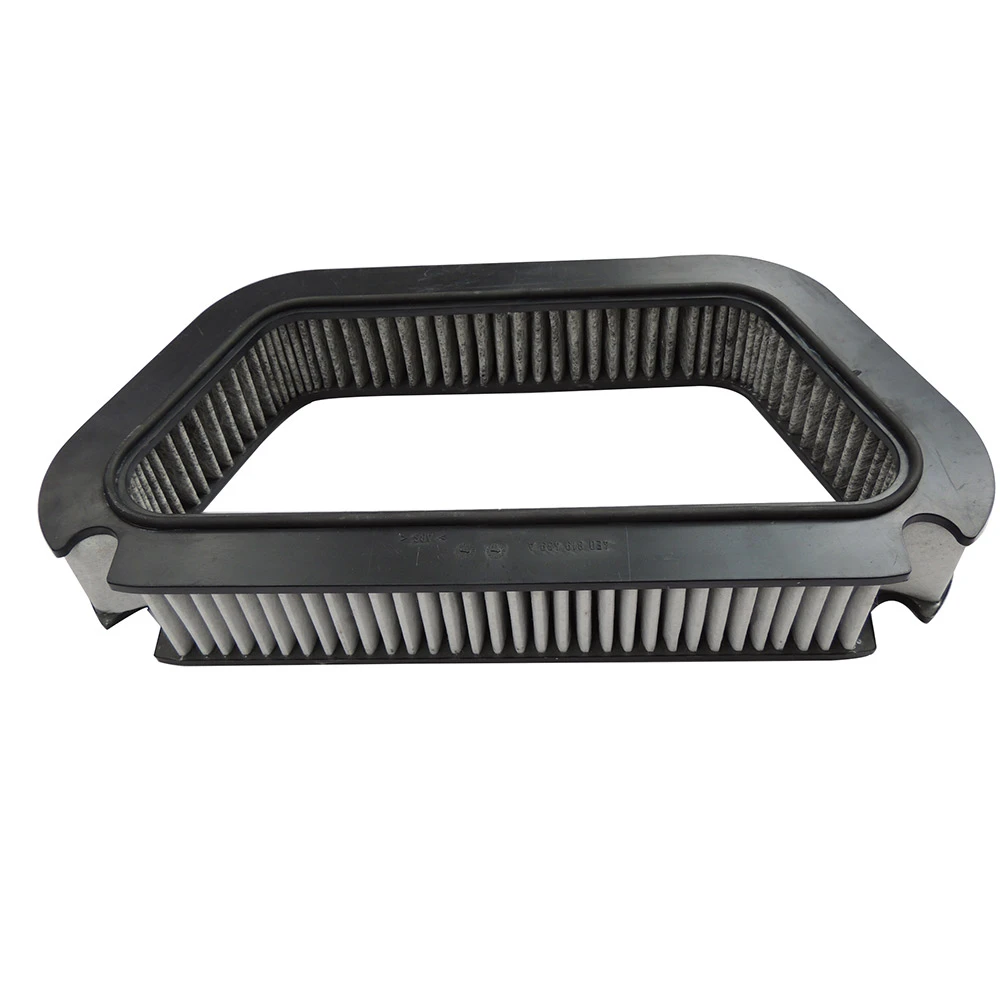
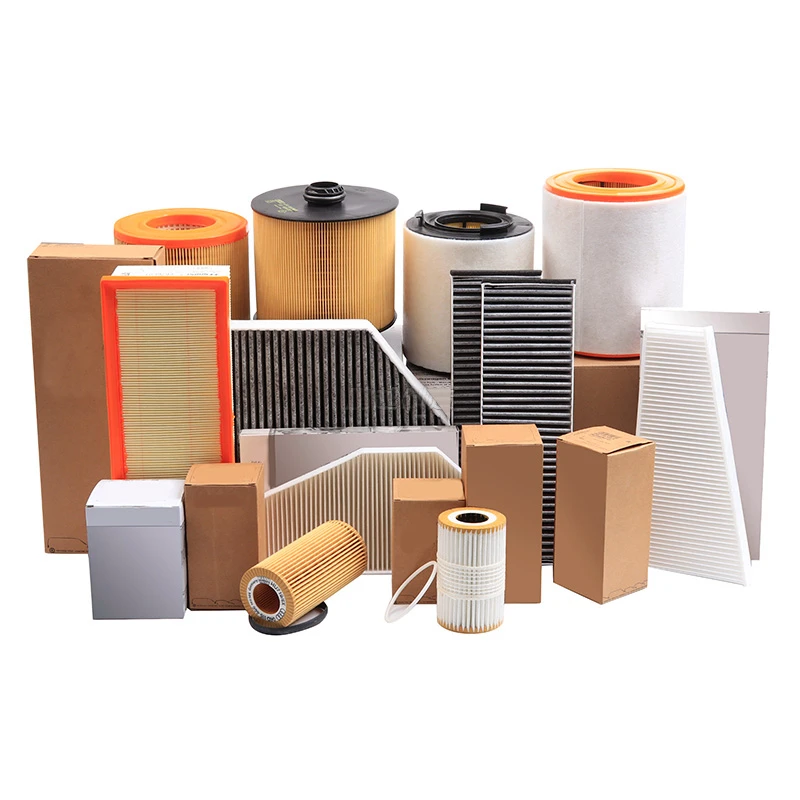
From standard paper to activated carbon and HEPA filters, more advanced materials trap finer particulates but may also have different replacement cycles.
4. Climate Conditions
Humid climates can foster mold and microbial growth on filters, prompting earlier swaps. Dry and dusty regions, similarly, demand frequent maintenance.
5. Manufacturer Recommendations
Always a reasonable starting point. Automakers balance cost and warranty recommendations, but one should adapt based on personal experience.
6. Presence of Allergies or Respiratory Conditions
If you or your passengers are sensitive to allergens, replacing filters more frequently can serve as a health safeguard.
Typical Product Specifications for Cabin Air Filters
| Specification | Standard Filter | Activated Carbon Filter | HEPA Filter |
|---|---|---|---|
| Particle Filtration Efficiency | Up to 75% | Up to 90% | Up to 99.97% |
| Filter Material | Paper/Fiber | Carbon-impregnated Fiber | Microfiberglass |
| Typical Life Span | 12,000 - 15,000 miles | 10,000 - 12,000 miles | 15,000 - 20,000 miles |
| Common Use Case | General driving | Polluted/Urban areas | Allergy-sensitive users |
How Different Vendors Stack Up on Cabin Air Filters
| Vendor | Filter Variety | Average Lifespan (miles) | Cost Range (USD) | Availability |
|---|---|---|---|---|
| Brand A | Standard & Carbon | 12,000 | $15 - $30 | Widespread |
| Brand B | HEPA Only | 18,000 | $40 - $60 | Limited |
| Brand C | Standard only | 15,000 | $10 - $20 | Widely Available |
Real-World Applications of Cabin Air Filter Maintenance
Think about city taxi or rideshare fleets in megacities like New York or Mumbai. Their vehicles experience heavy stop-and-go traffic, exposing filters to massive loads of dust and fumes daily. Regular replacement here prevents passenger complaints and potential health issues — both crucial for service reputation.
Then there are emergency responders and health workers who need clean air inside their cars and ambulances to reduce virus and bacteria exposure risks, especially after the pandemic.
On the flip side, outdoor enthusiasts or rural drivers often handle dusty rural gravel paths, where filter clogging isn’t from chemical smog but from particulate dirt. Even industrial zones have particular air contamination profiles requiring more specialized filters.
Advantages and Long-Term Value of Timely Cabin Filter Replacement
- Improved Health & Comfort: Cleaner air reduces allergic reactions, respiratory issues, and fatigue during driving.
- Vehicle System Longevity: A clean filter prevents HVAC system strain, potentially saving repair costs.
- Environmental Benefit: Efficient filters mean cleaner recirculated air and reduced demand on ventilation fans, lowering energy use.
- Enhanced Safety: Clearer windows (less condensation buildup) and fresher air improve driver focus and alertness.
- Economic Savings: Avoiding premature system repairs and costly medical bills pays off over time.
Emerging Trends and Innovations in Cabin Air Filtration
The future is leaning heavily on sustainability and smart tech. Recently, manufacturers began introducing filters made from biodegradable materials or filters embedded with silver ions to kill bacteria and viruses. Digital sensors can now monitor filter condition in real-time, sending alerts to your car’s dashboard — neat, right?
Plus, as electric vehicles rise, the quieter cabins make air quality even more noticeable, increasing cabin filter importance. Green energy and automation trends push manufacturers to think beyond traditional paper filters towards humidifying and ionic technologies, creating an optimized micro-environment inside your car.
Challenges and Solutions in Current Cabin Air Filter Practices
One tricky issue is inconsistent replacement guidelines across car brands. Many drivers ignore filter changes until a musty smell or reduced airflow signals a problem — but by then, the filter’s effectiveness is compromised.
Accessibility also can be a hurdle; some vehicles require skillful disassembly to swap the filter. Here, DIY tutorials and accessible parts supply chains help keep maintenance doable for most.
Finally, costs for advanced filters can deter replacement frequency. Smart subscription models or multi-pack deals are emerging solutions that bring down total ownership expenses.
FAQ: Frequently Asked Questions About How Often Should I Replace Cabin Air Filter in Car
- Q: How do I know if my cabin air filter needs replacing?
- A: Common signs include reduced airflow from the vents, bad odors, increased dust inside the car, or allergy symptoms. Still, checking every 12,000 miles—even if no symptoms occur—is ideal.
- Q: Can I replace the cabin air filter myself?
- A: Yes, many cars have easy-access panels, but some models require more effort. It’s worth consulting your owner’s manual or trusted online guides like how often should i replace cabin air filter in car tutorials.
- Q: Does driving in dusty areas shorten filter life?
- A: Absolutely. Driving in dusty or heavily polluted areas accelerates clogging. Filters may need replacement every 6,000 to 10,000 miles in harsh conditions.
- Q: Are premium filters worth the extra cost?
- A: Premium filters like HEPA variants often provide better protection, especially for allergy sufferers, and last longer. They can be a smart investment for health and comfort.
Wrapping It Up — Keeping Your Car’s Air Clean, One Filter at a Time
There’s a certain peace of mind in breathing clean air — even inside a car. The "how often should i replace cabin air filter in car" question might seem minor, but its answer is a powerful tool for preserving health, enhancing comfort, and even cutting costs in the long run. Next time you ponder your vehicle's upkeep, remember that this small act of filter replacement echoes in greater quality of life and rides that feel downright fresh.
Ready to ensure your car breathes as well as you do? Check out more tips and quality air filters at https://www.jyfilter.com and breathe easier on every journey.
References
-
Guide on how often do you need to replace engine air filterNewsApr.16,2026
-
Learn how often do you replace air filter in car for engine healthNewsApr.09,2026
-
How Often Do You Replace Car Air Filter For Optimal Engine PerformanceNewsApr.07,2026
-
How Often Do You Replace Engine Air Filter For Optimal Vehicle PerformanceNewsApr.04,2026
-
Understanding How Often Does Engine Air Filter Need to Be Replaced for Optimal PerformanceNewsMar.31,2026
-
How Often Engine Air Filter Change Impacts Performance and LongevityNewsMar.28,2026
-
Understanding How Often to Replace Your Car Air Filter for Optimal PerformanceNewsMar.26,2026
Related Products