Why Knowing How Often to Replace Your Car’s Air Filter Really Matters
At first glance, how often should I replace air filter in car might seem like a trivial question, just some routine maintenance note. But, if you think about it, this small aspect affects everything from fuel efficiency to engine health — which, in turn, impacts your wallet, the environment, and even road safety worldwide.
In a world where millions of vehicles churn out emissions daily, keeping your car’s air filter in good shape can reduce harmful pollutants by optimizing combustion. Plus, the benefits to engine longevity and fuel economy are notable; better airflow means the engine breathes easier and runs smoother. Quite a domino effect for something so often overlooked!
The Growing Importance of Air Filter Maintenance: A Global Perspective
From urban meccas to rural stretches, vehicles are lifelines for many economies and daily routines. According to the United Nations, transport accounts for nearly 25% of global CO2 emissions. While electric vehicles grow in popularity, the overwhelming majority of cars on the road still rely on combustion engines — engines that crave clean air.
Here's where air filter maintenance slips in. Dirty or clogged filters hinder airflow, forcing engines to work harder and burn more fuel, upping emissions and stressing components. The World Bank reported that inefficient vehicle maintenance significantly contributes to urban smog in many regions, causing health hazards and economic losses. So now, you start to see why answering “how often should I replace air filter in car” isn’t just a personal car care tip — it has global implications.
But it’s tricky. How often should you swap these filters out? Industry standards vary, driving conditions fluctuate, and many drivers simply don’t get proper guidance.
What Does “How Often Should I Replace Air Filter in Car” Actually Mean?
Put simply: it’s about the recommended interval or mileage between changing your vehicle’s air filter to maintain optimal engine function. Air filters trap dust, pollen, debris, and other airborne nasties before they get sucked into your engine’s combustion chambers. Over time, these filters clog up, restricting air intake.
Modern automobiles often suggest replacing air filters anywhere between 12,000 to 15,000 miles, or once a year if you don’t drive much. However, this is just a general guideline — driving habits, local weather, and air quality play a huge role. For instance, city dwellers with lots of stop-and-go traffic and pollution likely need faster replacement cycles than rural drivers on open highways.
This is crucial today because cleaner engines reduce emissions and fuel consumption, striking chords with universal efforts to combat climate change and resource depletion. It’s odd, but something so small can ripple far beyond your driveway.
Key Factors Determining How Often to Replace Your Air Filter
1. Driving Conditions
Dusty, off-road adventures gum up filters quicker than smooth city or highway drives. If you live in arid or industrial areas, plan on replacing your filter more often.
2. Vehicle Type and Manufacturer Recommendations
Each manufacturer sets guidelines based on engine design and filter specs. Some newer cars have digital indicators to signal filter status, which can be handy if you’re forgetful.
3. Air Quality Where You Drive
Urban areas with heavy pollution mean the air filter catches more harmful particles, reducing lifespan. Sometimes annual replacements just aren’t enough.
4. Filter Type and Material
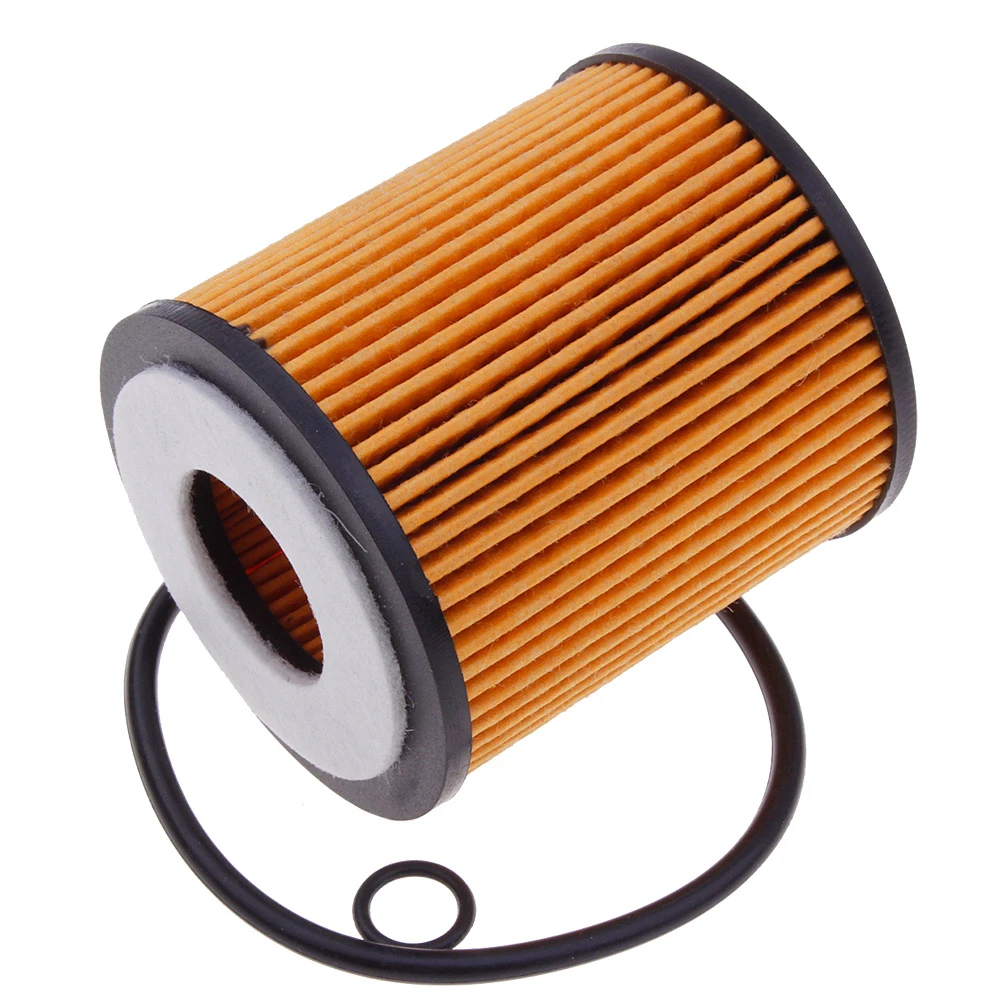
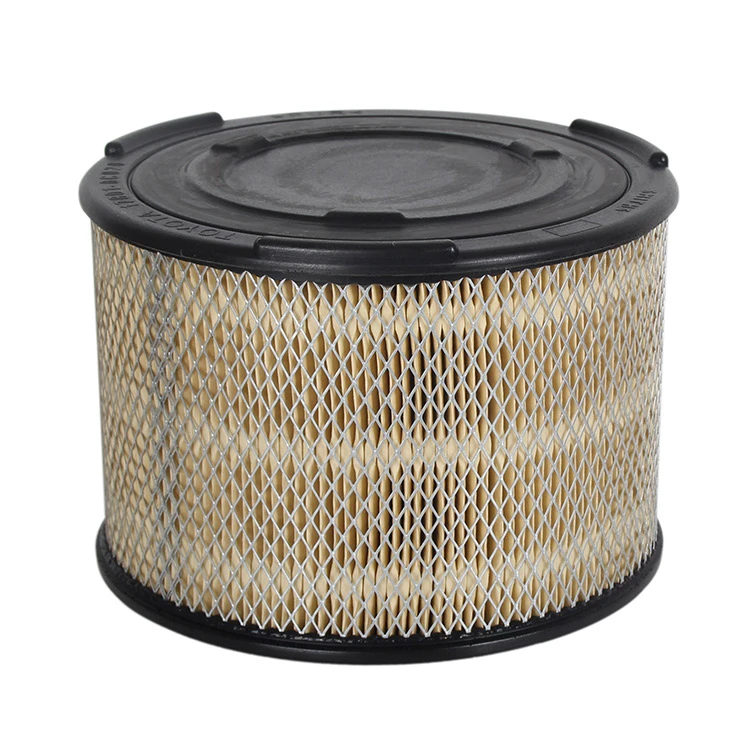
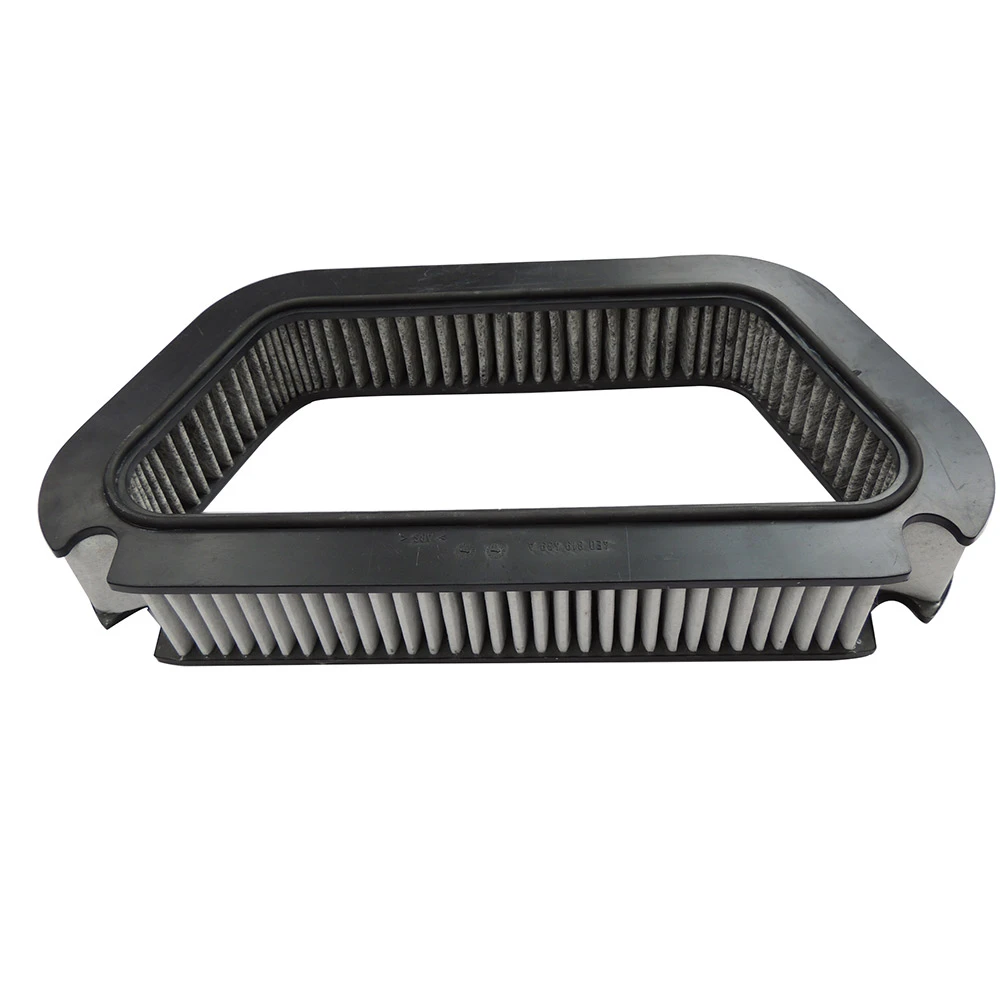
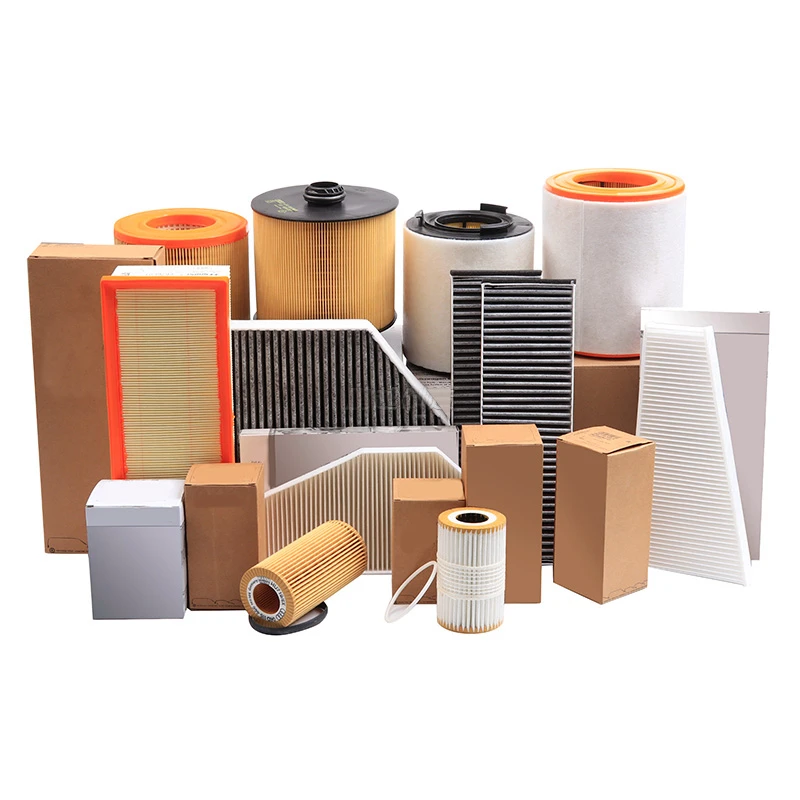
Basic paper filters differ from high-performance cotton or foam alternatives, both in efficiency and replacement frequency. Know your filter’s specs.
5. Engine Health and Performance Feedback
Signs like rough idling, decreased fuel economy, or engine misfires signal that your filter might be clogged and ready for swapping.
Air Filter Replacement in Practice: Applications Across the Globe
Take, for instance, densely populated cities like Delhi, where air quality often plummets below safe levels. Drivers there often replace filters every 5,000 miles due to heavy pollution. Contrariwise, ranchers in Australia’s vast Outback might stretch replacements beyond 15,000 miles, given cleaner air and slower dust accumulation.
Even non-automotive uses pop up: industrial engines, generators in disaster-relief zones, or agricultural machinery where filter replacement schedules directly impact reliability and cost-efficiency.
To sum it up vaguely but truly — knowing your replacement schedule keeps engines humming and industries rolling, no matter geography.
Product Specification Table: Common Air Filter Types
| Filter Type | Material | Lifespan (Miles) | Main Benefit | Typical Cost |
|---|---|---|---|---|
| Paper | Pleated cellulose fibres | 12,000 - 15,000 | Affordable, widely available | $10–$20 |
| Cotton Gauze | Oiled cotton layers | 20,000 - 30,000 | Reusable, better airflow | $40–$70 |
| Foam | Open cell polyurethane | 15,000 - 20,000 | Good for dusty conditions | $15–$30 |
Choosing the Right Supplier: Vendor Comparison
| Vendor | Range of Filter Types | Price Range | Warranty | Sustainability Initiatives |
|---|---|---|---|---|
| JyFilter | All major types, custom options | $10–$80 | 1 year | Eco-friendly packaging, recycling program |
| FilterPro | Standard models | $8–$30 | 6 months | Basic recycling support |
| GreenAir | Organic materials, reusable | $30–$90 | 2 years | Focus on zero waste production |
Advantages of Timely Air Filter Replacement
Let’s face it, no one loves the idea of spending money on car parts they don’t see. But timely swapping of air filters brings serious rewards:
- Fuel Efficiency Gains: Cleaner air = better combustion = less fuel burnt.
- Reduced Emissions: A properly maintained filter traps harmful particles before they damage the engine and atmosphere.
- Engine Longevity: Filters act as a first defense, protecting expensive components from wear and tear.
- Enhanced Driving Performance: Better throttle response and smoother idling may surprise you.
- Peace of Mind: Knowing you’re contributing to cleaner air holds emotional weight.
Emerging Trends and Innovations in Air Filter Technology
Interesting times lie ahead. Manufacturers are exploring nanofibers, antimicrobial coatings, and smart sensors integrated into filters. Imagine a filter that alerts you when it’s clogged via your car’s display, or eco-friendly filters that biodegrade post-use. Some companies pursue automation, hoping to integrate filter condition monitoring with maintenance scheduling apps.
These advances dovetail perfectly with global sustainability goals set by bodies like ISO and partners pushing cleaner, greener transport solutions.
Challenges and Practical Ways to Overcome Them
Of course, no solution is without hurdles. Disparities in driver awareness, regional climate extremes, and the cost of premium filters delay adoption. Plus, many shy away from change, sticking to rigid service schedules that don't reflect real-world driving.
Experts recommend staying plugged in to local air quality reports, using manufacturer apps, and consulting trusted suppliers like JyFilter for tailored advice. Plus, routine checks every few thousand miles can be a quick DIY step.
FAQ: Addressing Your Top Concerns on Air Filter Replacement
- How do I know it's time to replace my car's air filter?
- If your engine sounds rough, your fuel economy drops, or if it’s been over 12,000 miles since last replacement, it’s worth checking. Visual inspection can reveal a dark, clogged filter.
- Can I clean my air filter instead of replacing it?
- Some filters, such as reusable cotton gauze types, can be cleaned and re-oiled. Paper filters should be replaced. Always follow manufacturer guidelines.
- Does replacing an air filter really improve fuel efficiency?
- Yes, a clean filter ensures proper airflow leading to optimal fuel combustion, which may save you several miles per gallon over time.
- Are premium air filters worth the extra cost?
- Premium filters often last longer, allow better airflow, and are sometimes reusable. They can be a smart investment if you drive frequently or in harsh environments.
- Where can I find reliable replacement air filters?
- Check with trusted vendors like JyFilter who offer a range of options, warranties, and sustainability practices.
Wrapping Up: Your Next Step Toward Smarter Car Care
Understanding how often should I replace air filter in car is more than a maintenance tip — it’s a small but mighty step toward better performance, savings, and helping our planet breathe easier. Tune into your vehicle’s needs, stay aware of your driving environment, and don't shy away from consulting experts or quality suppliers.
Ready to take control? Visit our website: https://www.jyfilter.com and discover products tailored for your car’s needs — because every mile deserves clean air.
-
Guide on how often do you need to replace engine air filterNewsApr.16,2026
-
Learn how often do you replace air filter in car for engine healthNewsApr.09,2026
-
How Often Do You Replace Car Air Filter For Optimal Engine PerformanceNewsApr.07,2026
-
How Often Do You Replace Engine Air Filter For Optimal Vehicle PerformanceNewsApr.04,2026
-
Understanding How Often Does Engine Air Filter Need to Be Replaced for Optimal PerformanceNewsMar.31,2026
-
How Often Engine Air Filter Change Impacts Performance and LongevityNewsMar.28,2026
-
Understanding How Often to Replace Your Car Air Filter for Optimal PerformanceNewsMar.26,2026
Related Products