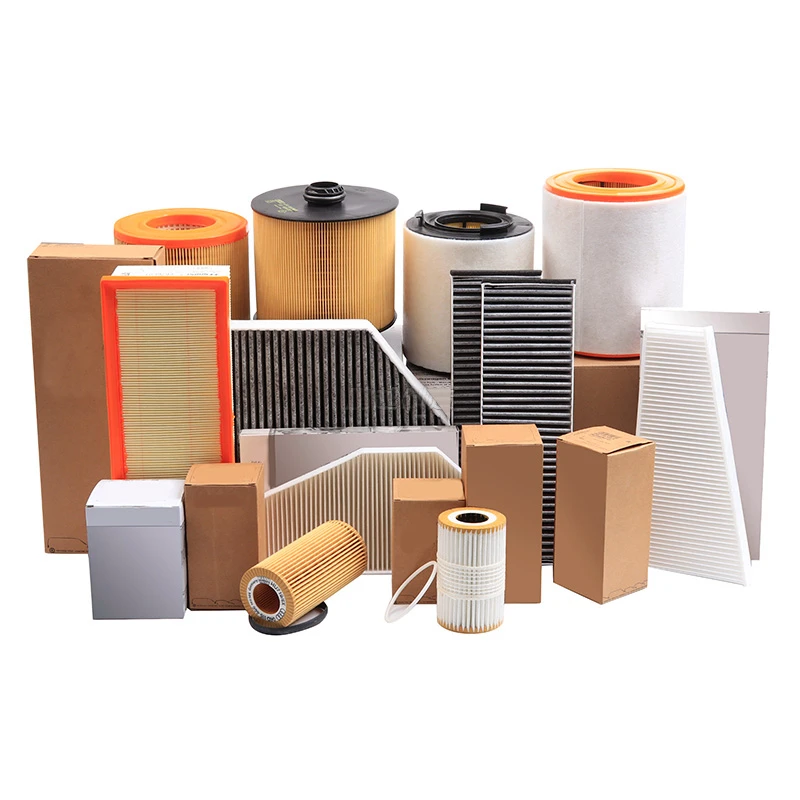
How Often Should I Replace Cabin Air Filter? Understanding the When and Why
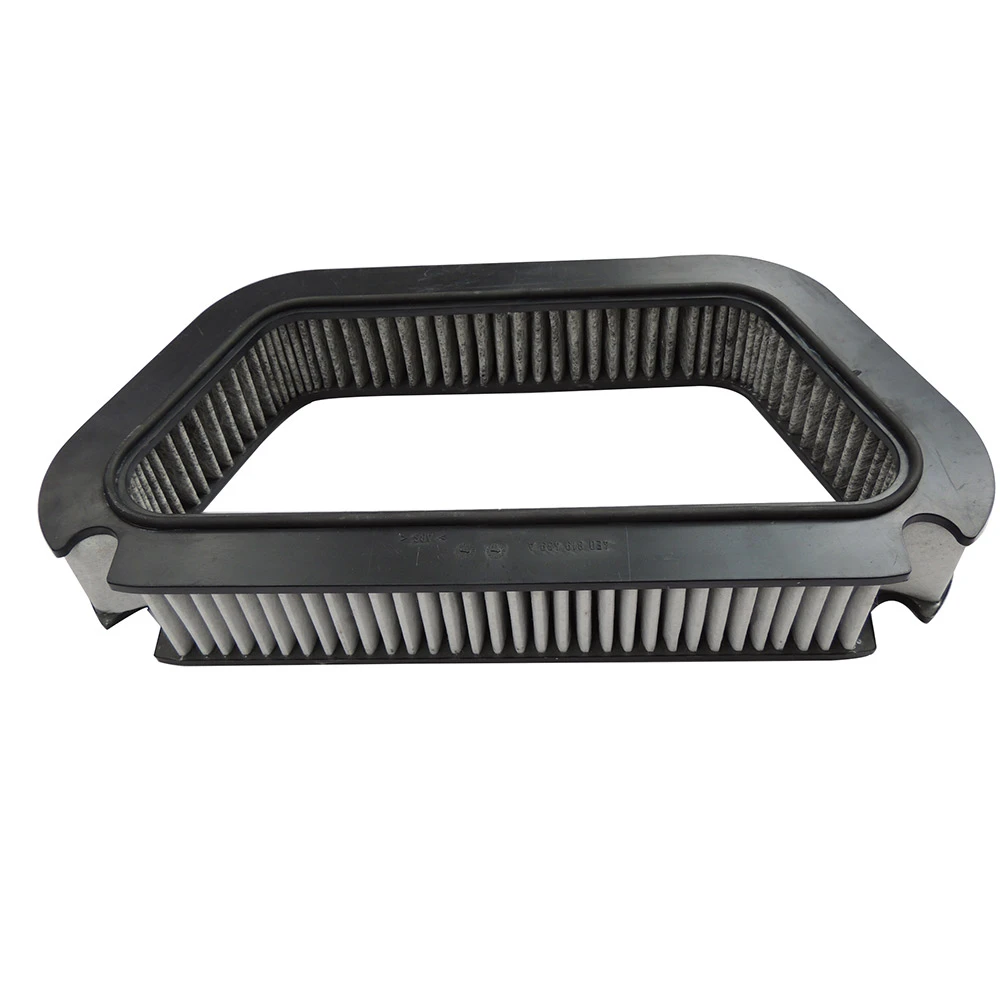
Ever wonder how often you should replace cabin air filters? It sounds mundane, but honestly, this little component can make a huge difference to your driving comfort and health. Cabin air filters clean the air entering your vehicle’s interior — filtering out pollen, dust, pollutants, and sometimes even odors. Globally, millions of vehicles depend on these filters to maintain air quality inside, especially in densely polluted cities where bad air is a daily reality. Knowing how often to replace your cabin air filter doesn’t just improve your ride; it also protects your lungs and enhances vehicle efficiency.
Introduction: The Worldwide Significance of Cabin Air Filter Maintenance
Air pollution affects 99% of the global population, according to the World Health Organization. Within that, vehicle interior air quality surprisingly gets overlooked. Roads clogged with traffic, industrial zones, and densely populated urban hubs lead to cabin air contaminants that can trigger allergies, respiratory issues, and even driver fatigue. That’s why understanding how often should I replace cabin air filter is crucial—not just for comfort, but for public health worldwide. In fact, the global automotive parts market values cabin air filters as an essential consumable, with recommendations evolving alongside new vehicle technologies.
What Does “How Often Should I Replace Cabin Air Filter” Actually Mean?
Put simply, this question is about the ideal interval between changes of the small filter inside your car’s ventilation system. A cabin air filter’s job is to trap airborne particles before they reach the cabin space. Over time, these filters clog, reducing airflow and decreasing filtration efficiency. So, the timing of replacement balances between staying safe and avoiding unnecessary expenses. The answer varies depending on vehicle use, environmental factors, and filter type.
Key Factors Influencing Cabin Air Filter Replacement
1. Driving Environment
Urban or rural? Irregular or heavy traffic? If you live in a city with high pollution or dusty roads, your filter will clog faster. For example, dusty rural drives or construction zones require replacing filters sooner, sometimes every 10,000 miles or less.
2. Manufacturer Recommendations
Most automakers suggest replacing cabin air filters between 15,000 and 30,000 miles. But these are often rough guidelines, and many owners notice declining air flow much sooner.
3. Seasonal Allergies and Air Quality
Springtime when pollen counts spike or during wildfire seasons calls for extra vigilance. Filters need changing more frequently to keep allergens out of your car's air.
4. Filter Type and Durability
Not all cabin filters are equal. Basic cellulose filters can clog faster, while carbon or HEPA-grade filters offer longer life and better cleaning but at a higher price.
5. Usage Intensity
If you’re a daily commuter spending hours in traffic or someone who leaves the air conditioning running constantly, expect a faster turnover.
Global Applications: Who Benefits Most?
Cabin air filter maintenance is vital worldwide, but certain regions and industries stand out:
- Highly polluted urban areas: Cities like Delhi, Beijing, and Mexico City where air pollution regularly breaches safety limits see more frequent filter replacements.
- Commercial fleets & ride-sharing services: Vans, buses, and taxis operating continuously need stricter inspection and faster replacement cycles.
- Military and emergency vehicles: These operate in diverse environments — from dusty deserts to wildfire-prone areas — needing robust filtration regimes.
- Cold climates: In places like Scandinavia or Canada, filters also help manage moisture and prevent mold growth inside vehicles.
In real terms, if you’re involved with humanitarian logistic convoys or remote industrial transport, well-maintained cabin filters keep drivers safer and alert — critical when delays or accidents are costly.
Specification Table: Typical Cabin Air Filter Features
| Feature | Basic Cellulose | Carbon Activated | HEPA |
|---|---|---|---|
| Filtration Efficiency | ~85% | ~95% | >99.97% |
| Typical Lifespan (miles) | 12,000-15,000 | 15,000-20,000 | 20,000-30,000+ |
| Cost | Low | Medium | High |
| Odor Removal | No | Yes | Yes |
Advantages & Long-Term Value of Timely Cabin Air Filter Replacement
Replacing your cabin air filter at the right interval means:
- Better air quality: Cleaner air reduces allergy flare-ups and respiratory irritation.
- Improved HVAC efficiency: Your car’s heating and cooling systems run more effectively with less strain.
- Fuel economy benefits: A clogged filter affects ventilation efficiency, making the engine work harder.
- Preserving comfort and resale value: An odor-free, allergen-free cabin is more pleasant for you and potential buyers.
- Peace of mind: Knowing you’re not breathing stale or polluted air builds trust in your car’s maintenance.
Vendor Comparison Table: Popular Cabin Air Filter Brands
| Brand | Filter Type Offered | Avg. Price | Special Features | Warranty |
|---|---|---|---|---|
| Bosch | Cellulose / Carbon | $20-40 | Odor control, Anti-bacterial | 2 Years |
| FRAM | Cellulose / HEPA | $15-35 | High dust retention | 1 Year |
| Mann-Filter | Carbon Activated / HEPA | $30-50 | Long life, enhanced particle capture | 2 Years |
| K&N | Washable / Reusable HEPA | $45-70 | Reusable up to 1 million miles | Limited Lifetime |
Future Trends & Innovations
The cabin air filter industry isn’t static. Recent innovations focus on sustainability, digital monitoring, and higher efficacy:
- Smart filters with sensors: Devices that alert drivers when airflow decreases and replacement is necessary.
- Eco-friendly materials: Biodegradable fibers and reusable filters aim to cut automotive waste.
- Enhanced filtration tech: Filters capable of neutralizing viruses and bacteria, not just dust and pollen.
- Policy push: Stricter automotive emissions and air quality laws are pushing vehicle manufacturers to integrate higher-grade filters.
Challenges & Expert Solutions
One challenge with knowing how often should I replace cabin air filter is the variability of individual circumstances. Road conditions, climate, and driving habits create a lot of uncertainty. Plus, many car owners simply overlook this maintenance step. Experts recommend regular inspection at every oil change and factoring personal driving conditions into replacement intervals rather than relying solely on mileage.
Oddly enough, some newer cars have filters that are tucked away or not user-friendly for DIY replacement. Vendors now consider ease-of-access in design. Also, automated dashboard reminders and how often should i replace cabin air filter guides from trusted sources help improve awareness.
FAQ: Frequently Asked Questions About How Often Should I Replace Cabin Air Filter
- How do I know if my cabin air filter needs replacing?
- Common signs include reduced airflow from vents, unpleasant odors, increased dust inside the vehicle, or persistent allergy symptoms. If unsure, visually check the filter by removing it or ask a mechanic.
- Can I reuse or clean my cabin air filter?
- Basic cellulose filters are usually disposable. However, some brands like K&N offer washable and reusable HEPA filters designed for longer life. Always follow manufacturer instructions.
- Does replacing the cabin air filter improve fuel economy?
- Indirectly, yes. A clogged filter reduces HVAC efficiency, which can tax your car’s engine slightly. Clean filters keep systems running smoothly, potentially saving fuel over time.
- Is it necessary to replace the cabin air filter every year?
- If you drive frequently in clean environments, annual replacement may be enough. But if you face dust, pollution, or allergy seasons, more frequent changes are advisable, sometimes every 6 months or 10,000 miles.
- Where can I find replacement cabin air filters that fit my vehicle?
- Major auto parts stores carry filters matching most vehicle makes and models. Online vendors often provide filters with vehicle lookup tools. For best advice, check your owner’s manual or visit how often should i replace cabin air filter.
Conclusion: Why Staying On Top of Cabin Air Filter Replacement Matters
Summing up, knowing exactly how often should I replace cabin air filter is not just a maintenance detail – it’s a health safeguard and performance enhancer. Timely replacements keep your in-car air fresh and breathable, save energy, and extend the life of your vehicle’s HVAC system. Frankly, it’s a small effort with outsized benefits, especially if you drive daily or live in polluted areas. So, keep an eye on your filter, heed manufacturer advice, and don’t hesitate to check how often should i replace cabin air filter for more tailored guidance.
Drive safe, breathe better, and enjoy that fresh ride.
— Article by [Your SEO Journalist], automotive and technical writer with 10+ years experience reviewing vehicle maintenance trends.
Mini Takeaways:
- Replace cabin air filters every 12,000-30,000 miles depending on environment and filter type.
- Use carbon or HEPA filters for better allergen and odor control in polluted or allergy-prone areas.
- Regular checks can prevent expensive HVAC repairs and poor air quality impacts.
- Future tech will bring smarter, sustainable cabin filter solutions.
References
-
Guide on how often do you need to replace engine air filterNewsApr.16,2026
-
Learn how often do you replace air filter in car for engine healthNewsApr.09,2026
-
How Often Do You Replace Car Air Filter For Optimal Engine PerformanceNewsApr.07,2026
-
How Often Do You Replace Engine Air Filter For Optimal Vehicle PerformanceNewsApr.04,2026
-
Understanding How Often Does Engine Air Filter Need to Be Replaced for Optimal PerformanceNewsMar.31,2026
-
How Often Engine Air Filter Change Impacts Performance and LongevityNewsMar.28,2026
-
Understanding How Often to Replace Your Car Air Filter for Optimal PerformanceNewsMar.26,2026
Related Products