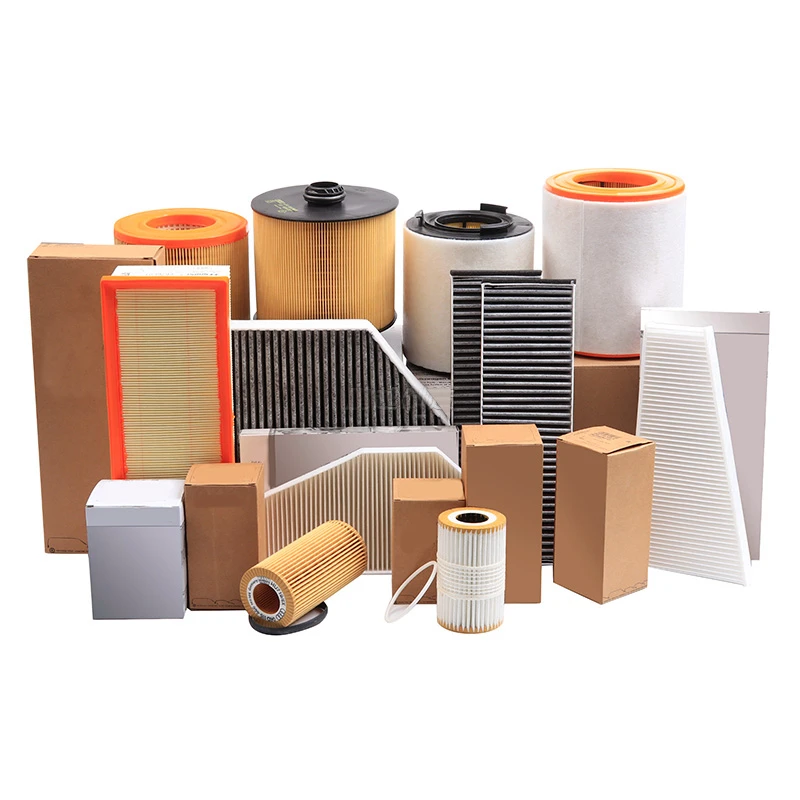
How Often Should I Replace My Cabin Air Filter? A Practical Guide
You might have wondered, “how often should I replace my cabin air filter?” If you haven’t, you’re not alone. It’s one of those car maintenance questions that doesn’t get much spotlight — yet its impact on your daily ride’s air quality and comfort is quite profound. Globally, with increasing urbanization and rising pollution levels, the importance of keeping car cabin air clean has never been greater. Understanding when and why to replace your cabin air filter can help you breathe easier and protect your vehicle’s HVAC system over time.
Global Context: The Growing Importance of Cabin Air Quality
Air quality inside vehicles is an often overlooked but crucial piece of the environmental health puzzle. The World Health Organization (WHO) notes that air pollution contributes to millions of premature deaths worldwide each year. With an average adult spending up to 90% of their day indoors or inside vehicles, the need for clean air inside cars is significant.
Modern vehicles come equipped with cabin air filters specifically designed to trap dust, pollen, exhaust fumes, and other pollutants. However, filters degrade or clog over time, becoming less effective and occasionally fostering mold or bacterial growth — a challenge for both vehicle health and rider comfort. In cities with heavy traffic or dusty environments, this challenge intensifies, raising the question: how often should I replace my cabin air filter?
What Does Replacing a Cabin Air Filter Mean?
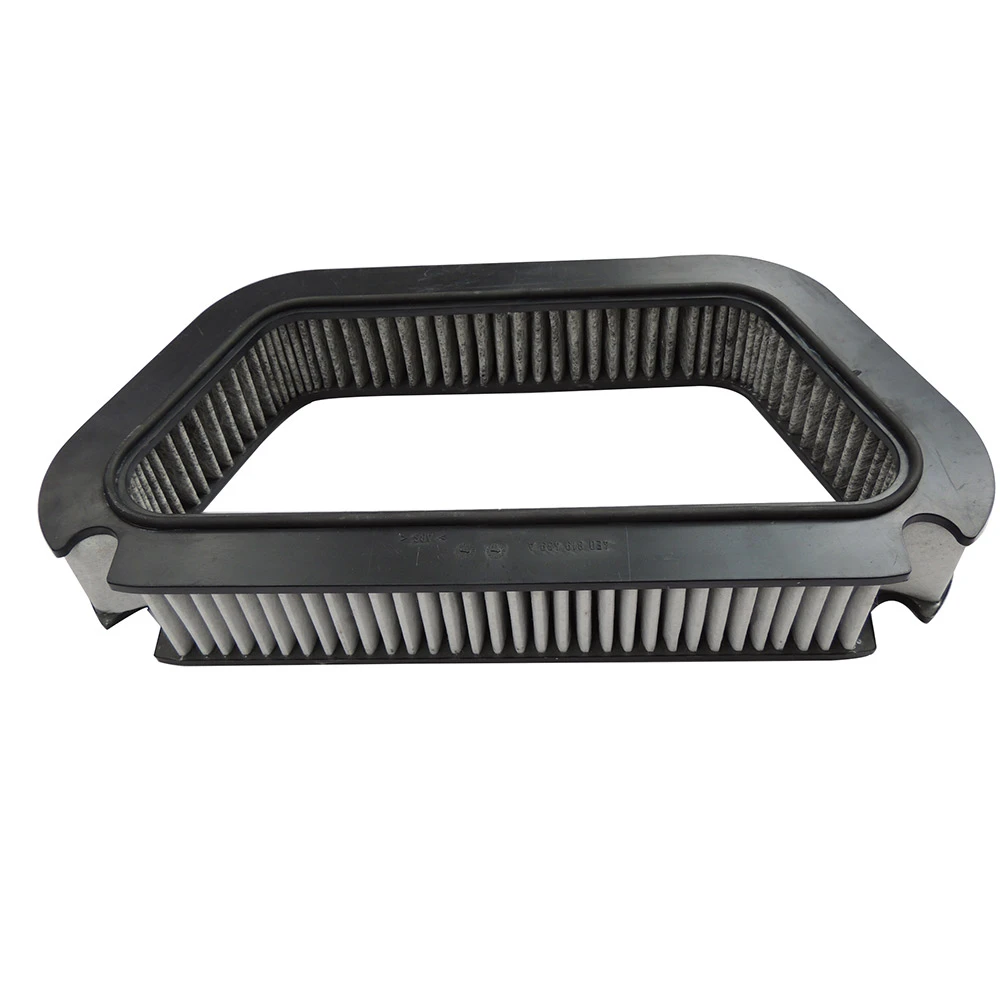
Simply put, the cabin air filter is a small device inside your car’s ventilation system that cleans air entering the passenger compartment. Replacement means removing the old filter and inserting a new one to continue trapping harmful particles effectively. This process impacts industries ranging from automotive manufacturing to aftermarket maintenance services. Moreover, in humanitarian efforts — for example, in disaster response convoys or relief transport vehicles operating in dusty or polluted regions — maintaining clean cabin air filters helps safeguard drivers' health.
Key Factors Influencing Filter Replacement Frequency
1. Driving Conditions
City dwellers in smog-heavy regions undoubtedly need more frequent replacements than folks mainly driving on rural roads. Dusty, off-road, or construction-heavy areas accelerate filter clogging.
2. Vehicle Usage
Your mileage and frequency of car use matter — daily commuters rack up replacement needs quicker than occasional weekend drivers.
3. Climate and Seasonal Changes
Pollen season, high humidity, and heavy rain can influence filter performance and filtration needs. During spring, filters may clog faster due to pollen particles.
4. Filter Quality and Type
Not all filters are created equal — some use activated carbon or HEPA materials offering advanced filtration, possibly lasting longer but requiring more investment upfront.
5. Manufacturer Recommendations
Vehicle makers typically suggest intervals between 12,000 and 15,000 miles or roughly once every year, though actual needs can vary.
| Specification | Typical Values |
|---|---|
| Replacement Interval | 12,000 - 15,000 miles / 12 months |
| Filter Type | Particle Filter, Activated Carbon, HEPA |
| Efficiency | Up to 99% for particulate matter (PM 2.5) |
| Common Symptoms of Clogging | Reduced airflow, odors, foggy windows |
Where and How Cabin Air Filter Replacement Matters Globally
In sprawling megacities across Asia, Europe, and North America, millions rely daily on filters to reduce exposure to vehicle and street pollution in their cars. In industrial zones or mining regions, the dusty environment hastens filter deterioration. Humanitarian convoys operating in dust-prone or post-disaster areas face additional challenges of airborne contaminants.
Take for example a talent I recently spoke with who works in relief logistics in Southeast Asia. His team rigorously inspects and replaces cabin air filters in their vehicles at least twice a year, especially when operating in haze-prone zones affected by forest fires. It’s a simple tune-up, but it preserves driver health and overall operational readiness.
| Vendor | Filter Material | Price Range | Filter Life (Miles) |
|---|---|---|---|
| JyFilter | Activated Carbon + Particle | $20–30 | 15,000 |
| OEM Brands | Standard Particle | $15–50 | 12,000 |
| Aftermarket Generic | Varies | $10–25 | 8,000–12,000 |
Advantages of Timely Cabin Air Filter Replacement
- Improved Air Quality: Reduces allergens, dust, and harmful pollutants inside your car.
- Enhanced HVAC Efficiency: Prevents strain on climate control systems, improving fuel efficiency.
- Odor Control: Activated carbon filters help minimize unpleasant smells.
- Health Benefits: Lower risk of respiratory issues, especially for allergy and asthma sufferers.
- Long-Term Cost Savings: Avoids costly repairs related to clogged filters damaging ventilation components.
Frankly, keeping your cabin air filter fresh feels like a small step with big payoff. It’s about safety, comfort, and peace of mind — all things worth investing in.
Looking Ahead: Future Trends in Cabin Air Filter Technology
With rising awareness of air quality, filter technology is evolving rapidly. Some of the trends to watch are:
- Filters with antimicrobial or anti-viral coatings addressing germs and viruses.
- Smart sensors notifying drivers when it’s time to change filters.
- Eco-friendly, biodegradable filter materials reducing environmental impact.
- Integration with vehicle digital systems for air quality monitoring and automated replacements.
Automakers and suppliers alike are focusing on sustainability and health — the next-gen cabin air filter will likely be smarter and greener, which is exciting if you ask me.
Challenges and Expert Solutions
One big challenge is that many drivers are unsure how or when to replace their cabin filter. It’s an out-of-sight component, tucked away in glove boxes or under dashboards, making DIY replacement difficult. Plus, quality filters can sometimes be pricey.
Experts suggest following vehicle manuals closely, checking filtration performance annually, and sourcing filters from reputable vendors. You can even learn how often should i replace my cabin air filter by tracking symptoms like decreased airflow or odors. For the hesitant, professional installation ensures optimal outcomes.
FAQs About How Often Should I Replace My Cabin Air Filter
Q1: How do I know if my cabin air filter needs replacing?
A1: Watch for signs such as reduced airflow from vents, persistent musty odors inside your car, or increased dust settling on your dashboard. If you drive in dusty or polluted areas frequently, consider more regular checks even without symptoms.
Q2: How does driving in the city affect filter replacement?
A2: City driving exposes filters to high levels of pollution, vehicle exhaust, and particulate matter. These conditions can clog filters more quickly, sometimes needing replacements every 10,000–12,000 miles instead of the typical 15,000.
Q3: Is it safe to drive with a clogged cabin air filter?
A3: While your car will still run, a clogged filter reduces air circulation and can promote mold or bacteria growth, potentially causing respiratory discomfort or allergies. Not ideal for your health or your vehicle.
Q4: Can I clean and reuse a cabin air filter?
A4: Most cabin air filters are disposable and designed for replacement, not cleaning. Some specialty filters might be reusable after careful cleaning, but it’s safest to replace with a new filter for optimal filtration.
Q5: Where can I buy high-quality cabin air filters?
A5: Reputable automotive stores, official service centers, and trusted online suppliers like JyFilter provide a broad range of authentic filters suitable for your vehicle.
Conclusion: Keep Your Cabin Air Fresh and Your Ride Smooth
In real terms, how often should I replace my cabin air filter is more than a maintenance question — it’s about protecting your health, preserving your car’s performance, and embracing smarter, safer driving habits. A well-maintained cabin air filter ensures that every ride is fresher, cleaner, and downright more comfortable. Next time you wonder about your vehicle’s health, give that little filter some attention.
Curious for more detailed guidance? Visit our website for expert resources and genuine filters at https://www.jyfilter.com.
Mini takeaway: Keeping up with cabin air filter replacement isn’t glamorous, but it’s a low-effort high-return upgrade your car and your lungs will thank you for — honestly, a small habit that makes a big difference.
References
-
Guide on how often do you need to replace engine air filterNewsApr.16,2026
-
Learn how often do you replace air filter in car for engine healthNewsApr.09,2026
-
How Often Do You Replace Car Air Filter For Optimal Engine PerformanceNewsApr.07,2026
-
How Often Do You Replace Engine Air Filter For Optimal Vehicle PerformanceNewsApr.04,2026
-
Understanding How Often Does Engine Air Filter Need to Be Replaced for Optimal PerformanceNewsMar.31,2026
-
How Often Engine Air Filter Change Impacts Performance and LongevityNewsMar.28,2026
-
Understanding How Often to Replace Your Car Air Filter for Optimal PerformanceNewsMar.26,2026
Related Products