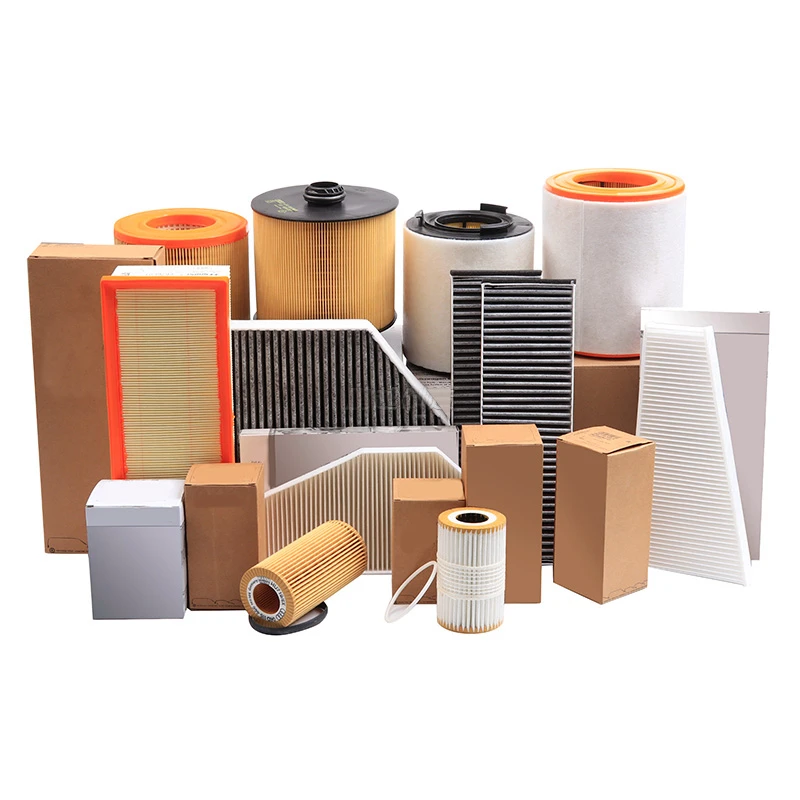
How Often Should I Change My Car's Air Filter? A Practical Guide
If you've ever wondered about how often should I change my cars air filter, you're not alone. This might seem like a small, almost trivial maintenance task—but frankly, ignoring it can cost you more than just a little dust on your engine. Globally, cars are one of the primary contributors to air pollution, and efficient vehicle upkeep helps reduce emissions and improve fuel economy. Knowing when to replace your car's air filter not only protects your engine but also benefits the environment and your wallet in the long run.
Introduction: Why Does This Matter Globally?
Have you checked the World Bank or International Energy Agency reports lately? Transportation accounts for nearly a quarter of global CO2 emissions, and inefficient engines pump more dirty air into the atmosphere. Oddly enough, something as simple as maintaining a clean air filter can contribute to better fuel efficiency and lower emissions. Yet, it’s estimated that millions of car owners worldwide neglect air filter maintenance until something goes wrong.
So, you see, understanding how often should I change my cars air filter isn’t just about your vehicle running well — it fits into a larger global effort toward cleaner air and sustainability.
Definition & Meaning
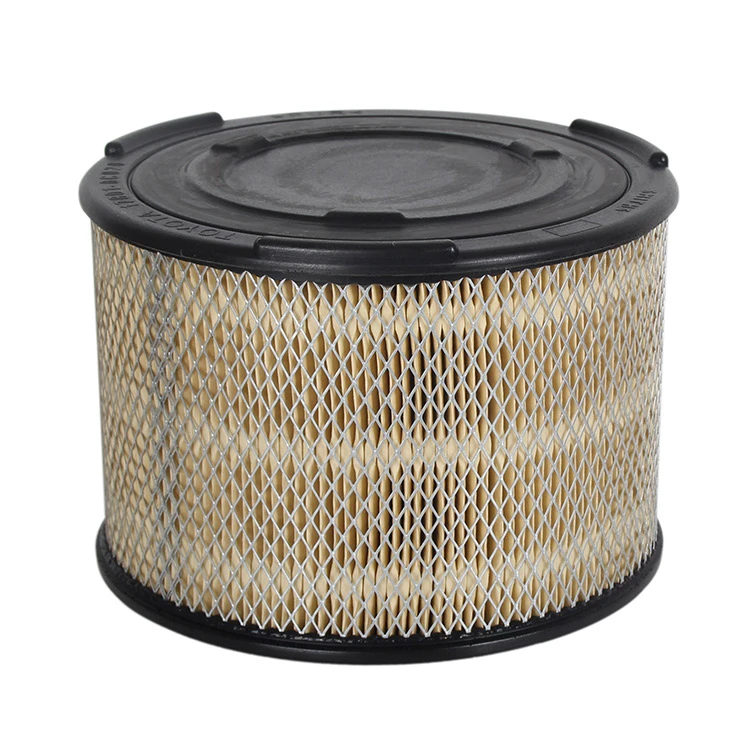
Simply put, your car's air filter cleans the air going into the engine, preventing dust, pollen, dirt, and other harmful particles from causing damage or reducing performance. Changing the air filter at proper intervals ensures smooth engine operation, better fuel economy, and reduced emissions. In the modern auto industry, where emissions standards are continually tightening, maintaining this component is more important than ever.
Key Factors That Affect When to Change Your Car’s Air Filter
1. Driving Conditions
Are you mostly city driving or frequently off-road? Dusty, polluted environments clog air filters more quickly. So, if you drive in dusty rural areas or heavy traffic, expect to replace your filter sooner than the typical recommendation.
2. Vehicle Manufacturer Recommendations
Most manufacturers suggest changing air filters every 15,000 to 30,000 miles, but it's always worth double-checking your owner's manual—sometimes the sweet spot varies by car model or engine type.
3. Filter Type and Quality
Not all filters are created equal. High-performance or reusable filters often have longer lifespans but may require cleaning, not just swapping out.
4. Environmental Concerns
In areas with high pollution or pollen counts, filters get heavy use and thus a shorter life. This kind of environmental data actually informs manufacturers’ changing intervals, which are sometimes regional.
Mini takeaway:
Ultimately, how often should I change my cars air filter depends on driving style, environment, and filter type — but a rule of thumb is between 15,000 and 30,000 miles under normal conditions.
Product Specification Table: Typical Air Filter Features
| Feature | Standard Paper Filter | High-Performance Cotton Filter | Reusable Foam Filter |
|---|---|---|---|
| Typical Lifespan | 15,000 - 30,000 miles | 30,000 - 50,000 miles | Clean every 10,000 miles |
| Maintenance | Disposable | Reusable (washable) | Reusable (oil and clean) |
| Filtration Efficiency | Basic particle filtration | High airflow, better filtration | Moderate filtration, improved airflow |
Global Applications & Real-World Use Cases
It’s not just passenger cars — fleets around the world, from delivery trucks to emergency vehicles, rely on prompt air filter changes.
- Urban centers in Asia often see high levels of particulate matter; local fleet managers emphasize stricter filter change intervals to improve engine life and reduce pollution.
- Mining industries in Australia use reinforced, washable filters to withstand dusty conditions and save costs on frequent replacements.
- NGOs and relief agencies in Africa operating vehicles in harsh environments stress filter maintenance to ensure reliability in remote areas.
The takeaway? Whether it’s private cars or industrial use, understanding how often should I change my cars air filter makes a real difference.
Vendor Comparison Table: Popular Air Filter Brands
| Brand | Price Range | Filter Life (miles) | Eco-Friendly | Notes |
|---|---|---|---|---|
| Fram | $10-$25 | 15,000 - 30,000 | No | Widely available, OEM quality |
| K&N | $40-$60 | Up to 50,000 | Yes (Reusable) | Performance-based filter, washable |
| Bosch | $15-$30 | 20,000 - 30,000 | No | Strong OEM ties, solid filtration |
Advantages & Long-Term Value of Timely Air Filter Changes
Changing your car’s air filter regularly saves money on fuel and repairs and prolongs engine life—period.
It also helps your vehicle breathe better, producing fewer harmful emissions. On an emotional level, it’s peace of mind knowing your car runs safely and efficiently—a small but significant nod to responsibility that benefits your community and environment alike.
Future Trends & Innovations in Air Filter Technology
Manufacturers are exploring advanced filter materials that resist clogging and trap finer particles. Some new designs incorporate nanofibers or activated carbon to reduce odors and pollutants further.
Digital sensors that monitor filter health in real-time might soon signal when a change is due, making guesswork a thing of the past. This kind of automation aligns well with future connected vehicles and smart maintenance apps.
Common Challenges & Practical Solutions
Many car owners admit to neglecting air filter changes due to forgetfulness or underestimating its importance.
Scheduling filter changes during other routine services or using digital reminders (many new apps help with this) can mitigate this. In dusty environments, investing in high-quality filters designed specifically for harsh conditions is also a smart move.
FAQ: Frequently Asked Questions About How Often Should I Change My Car’s Air Filter
- How do I know if my car's air filter needs changing?
- If you notice reduced fuel efficiency, engine misfires, or visible dirt on the filter (easy to check by opening the air box), it’s time for a replacement.
- Can I clean my air filter instead of replacing it?
- Some filters, like reusable cotton or foam types, can be cleaned and reused, but paper filters should always be replaced.
- Does driving in the city vs. countryside affect filter replacement frequency?
- Yes, urban pollution and stop-and-go traffic can wear your filter faster; dusty rural roads do too. Both scenarios often require more frequent changes.
- What happens if I delay changing my air filter?
- A clogged filter restricts airflow, lowering engine performance, increasing fuel consumption, and possibly causing damage over time.
- Is it expensive to change an air filter?
- Generally, air filters are affordable and changing them regularly saves money by preventing expensive repairs and improving gas mileage.
Conclusion
In real terms, mastering the question how often should I change my cars air filter leads not only to a healthier engine but also a cleaner, more sustainable world—one filter change at a time.
For reliable parts and trusted advice, visit our website: how often should i change my cars air filter.
Keep your car—and the planet—breathing easy.
Quick takeaways:
- Change air filters every 15,000 to 30,000 miles, sooner if driving in dusty or polluted areas.
- Check your owner’s manual for model-specific recommendations.
- Consider quality and filter type for cost-effectiveness and performance.
References:
1. Wikipedia: Air Filter
2. EPA on Transportation Emissions
3. ISO Standards on Vehicle Emissions (ISO 29563)
-
Guide on how often do you need to replace engine air filterNewsApr.16,2026
-
Learn how often do you replace air filter in car for engine healthNewsApr.09,2026
-
How Often Do You Replace Car Air Filter For Optimal Engine PerformanceNewsApr.07,2026
-
How Often Do You Replace Engine Air Filter For Optimal Vehicle PerformanceNewsApr.04,2026
-
Understanding How Often Does Engine Air Filter Need to Be Replaced for Optimal PerformanceNewsMar.31,2026
-
How Often Engine Air Filter Change Impacts Performance and LongevityNewsMar.28,2026
-
Understanding How Often to Replace Your Car Air Filter for Optimal PerformanceNewsMar.26,2026
Related Products