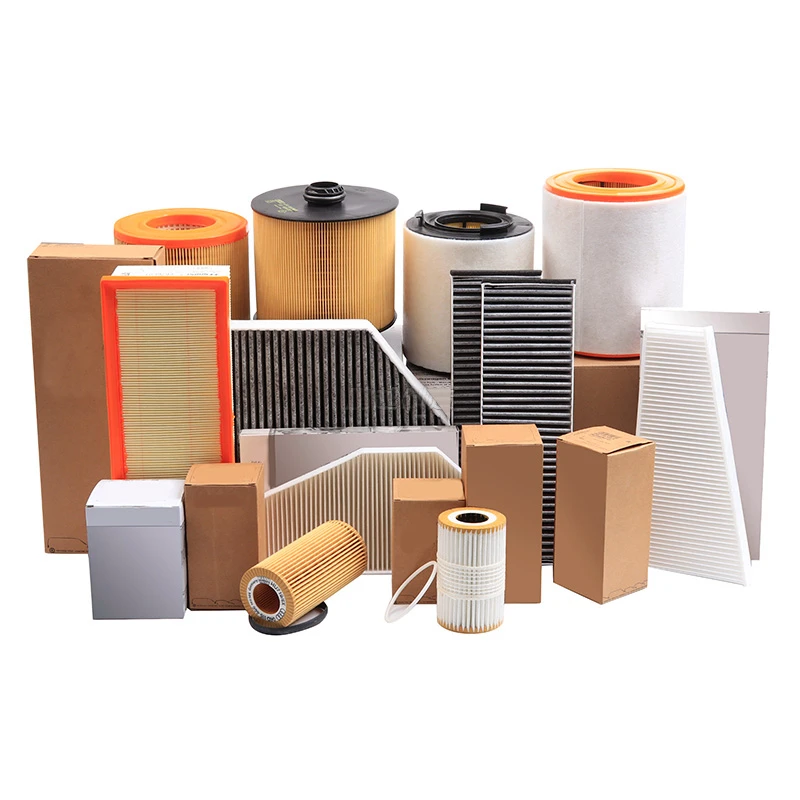
Why Knowing How Often You Should Change the Engine Air Filter Matters
If you’ve ever wondered about the humble engine air filter—how long it serves, why it’s vital, or when exactly you should replace it—you’re in good company. Globally, millions of vehicles rely on this simple yet essential component. The stakes? Fuel efficiency, engine longevity, and even environmental impact. In this tiny piece of automotive maintenance lies the key to saving money, reducing emissions, and keeping engines humming smoothly. Knowing how often should I change the engine air filter really pays off—not just for drivers but for the planet.
The Big Picture: Global Implications and Industry Context
Across continents, vehicles are the backbone of commerce and daily life. According to the International Energy Agency (IEA), the global vehicle fleet surpassed 1.4 billion in recent years, with millions more joining annually. That means the collective role of filters—especially engine air filters—is massive. Dirty or clogged filters reduce fuel efficiency, increasing global CO2 emissions. The United Nations and ISO standards stress vehicular emissions control, making air filter maintenance an indirect, but impactful, part of global climate strategies.
But there’s a practical challenge: drivers often overlook when to swap their engine air filters. This neglect leads to costly repairs and poor air quality locally. It's a simple fix with big downsides if ignored.
What Does Changing Your Engine Air Filter Actually Mean?
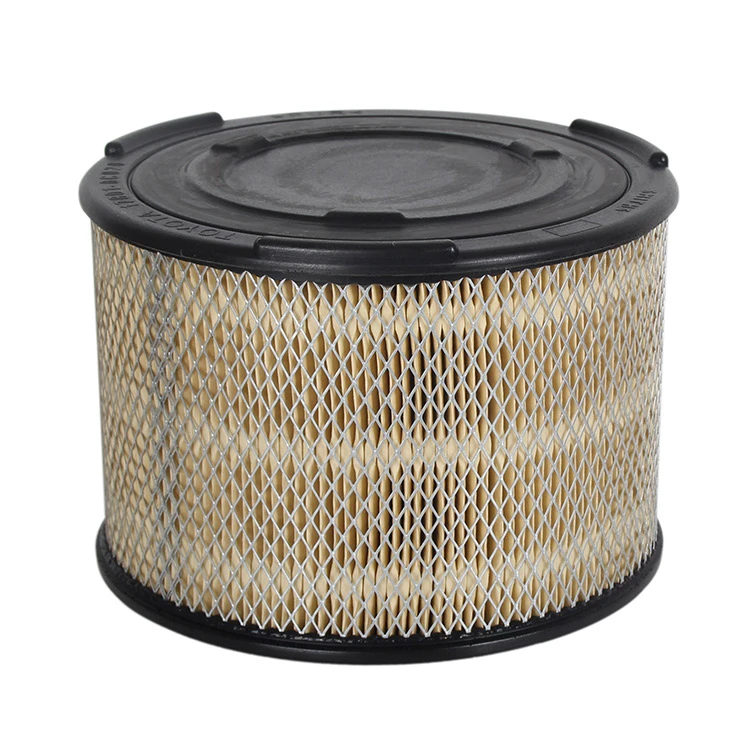
Simply put, an engine air filter traps dust, dirt, and other airborne particles from entering the engine’s combustion chamber. Over time, it clogs up and restricts airflow, forcing your engine to work harder. Replacing it timely means maintaining optimal air-fuel mixture and protecting the engine from abrasive particles that can cause premature wear.
In modern contexts, from commercial trucks to ride-sharing services, efficient air filtration keeps fleets running cleaner and longer, enhancing operational reliability and reducing maintenance costs.
Key Factors Influencing How Often You Should Change Your Engine Air Filter
1. Driving Environment
Dusty or urban pollutions zones can slam your filter in weeks. Rural highway drivers often get more miles before changing is needed. For example, off-road construction vehicles might demand replacements every 5,000 miles, while urban commuters might push to 15,000 miles.
2. Vehicle Make and Model
Engine designs vary. Some newer cars feature high-performance filters with longer lifespans, sometimes reaching 30,000 miles. Others require more frequent changes due to tighter tolerances or turbocharged engines more sensitive to airflow.
3. Filter Type and Quality
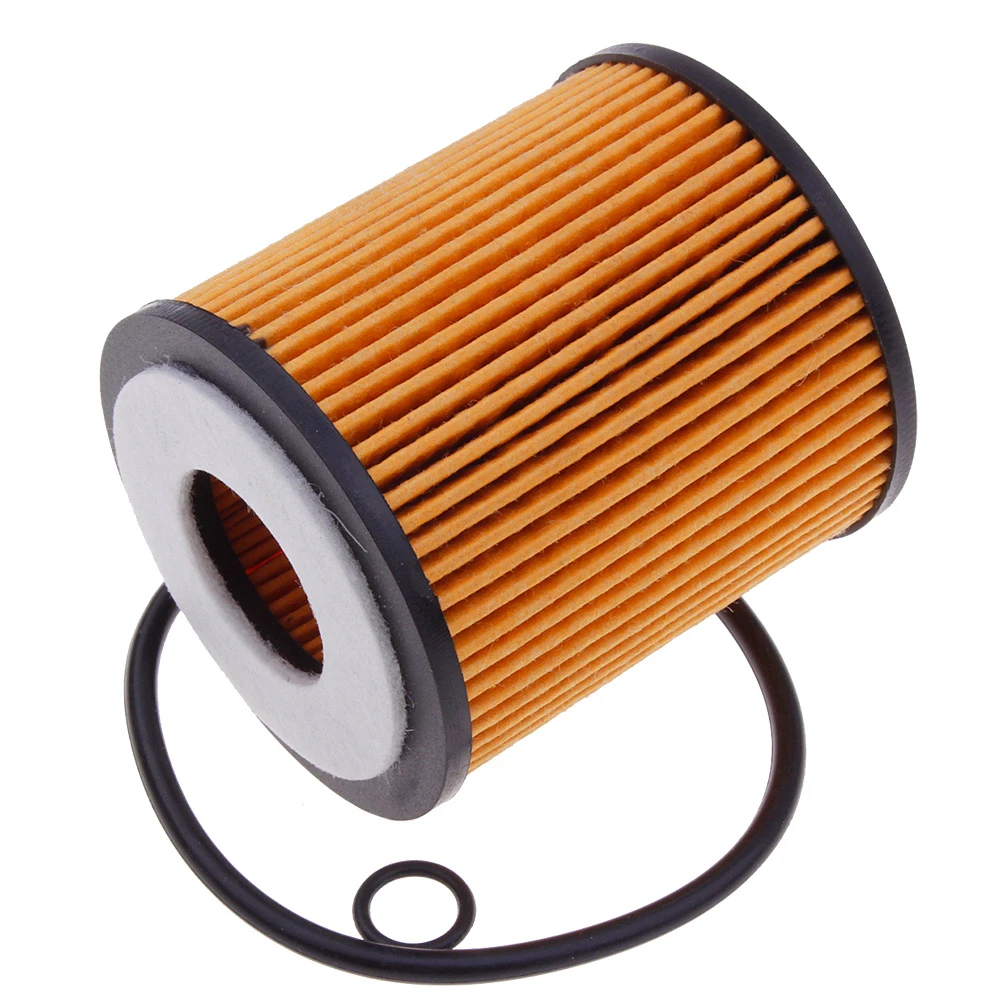
Pleated paper filters are common and affordable but wear faster. Synthetic or foam filters can offer extended durability and even be washable, which ups the long-term cost-effectiveness.
4. Manufacturer’s Recommendation
Almost every manufacturer provides a maintenance schedule—often indoors owners' manuals. Yet, real-world conditions often mean you should adjust these intervals either sooner or later.
5. Driving Habits
Stop-and-go city traffic stresses your air filter differently from steady highway cruising. Many engineers suggest more frequent changes in “start-stop” environments due to higher pollutant exposure.
Real-World Use Cases Across the Globe
In industrial zones of India and China, trucks often run in challenging, dusty environments that necessitate air filter checks every 7,000–10,000 miles. Conversely, drivers in Europe’s cleaner urban areas report changing filters around every 15,000 miles.
In humanitarian logistics—say, moving supplies through rough terrains post-disaster—vehicles are pushed hard, and air filter maintenance can make or break fleet uptime. Organizations like the Red Cross rely heavily on proper filter changes to ensure reliability in crisis zones.
Even ride-share and delivery services in bustling US cities emphasize frequent filter replacement as part of green fleet management—a direct nod to sustainability goals while reducing operational costs.
Advantages of Proper Engine Air Filter Maintenance
- Cost Savings: Clean filters improve fuel economy, often saving 10-15% on fuel consumption.
- Engine Longevity: Protects engine components from wear and premature failure.
- Lower Emissions: Improved combustion reduces harmful pollutants.
- Enhanced Performance: Better throttle response and smoother acceleration.
- Peace of Mind: Avoid unexpected breakdowns with routine care.
On an emotional note, there's a quiet satisfaction in knowing your vehicle runs smoothly and reliably — the feeling that your car isn’t just a machine, but a trusted partner on the road.
Product Specification Table: Typical Engine Air Filter Models
| Model | Filter Type | Typical Lifespan (Miles) | Material | Approx. Price (USD) |
|---|---|---|---|---|
| Standard Paper A375 | Pleated paper | 12,000 - 15,000 | Cellulose fiber | $12 - $15 |
| EcoGuard Synthex X | Synthetic | 25,000 - 30,000 | Polyester/polyamide | $22 - $28 |
| FoamGuard FX500 | Foam washable | Up to 40,000 | Polyurethane foam | $30 - $40 |
Comparing Popular Air Filter Vendors
| Vendor | Range of Filters | Warranty | Price Range | Availability |
|---|---|---|---|---|
| FilterMax | Standard, synthetic, foam | 12 months | $10 - $35 | Global |
| EcoFilter Co. | Mostly synthetic | 24 months | $20 - $45 | North America, Europe |
| AutoPure Filters | Wide range, specialty filters included | 18 months | $15 - $50 | Global with select distributors |
The Road Ahead: Trends and Innovations in Engine Air Filter Maintenance
Strangely enough, changing air filters is becoming smarter. We're seeing the rise of sensor-equipped filters that tell you exactly when replacement is needed—no guesswork. Also, bio-based and fully recyclable filter materials are hitting the market, responding to automotive industry sustainability efforts.
Automation in vehicle diagnostics means vehicles can alert drivers via apps or heads-up displays about air filter health. Some newer engines adapt airflow dynamically, allowing filters to last longer under variable conditions — quite futuristic compared to the “replace every X miles” rulebook we’ve known.
Common Challenges and Clever Solutions
Despite recommendations, many drivers underestimate filter maintenance due to inconvenient service schedules or sheer forgetfulness. Then there’s the difficulty in judging filter condition visually without specialist equipment.
To solve this: inline digital meters, smartphone reminders tied to mileage, and better education campaigns in dealerships are gaining ground. Some innovation-minded fleets use washable foam filters to reduce waste and eliminate constant replacements.
FAQs About How Often Should I Change the Engine Air Filter
Q1: How can I tell if my engine air filter needs changing sooner?
If you notice reduced acceleration, lower fuel efficiency, or unusual engine sounds, these might be signs. Also check if the filter looks visibly clogged or darkened—though a visual check isn’t definitive.
Q2: Is it safe to drive with a dirty air filter?
Driving briefly won’t cause immediate harm, but extended use with a clogged filter stresses the engine and can increase emissions significantly.
Q3: Can I reuse or clean my engine air filter?
Some foam or synthetic filters are washable and reusable, but paper filters cannot be cleaned effectively and should be replaced to avoid damage.
Q4: Does changing the air filter improve fuel economy?
Yes. A clean filter ensures better airflow, which can improve fuel efficiency by up to 10-15%, depending on driving conditions.
Q5: Where can I find my vehicle’s recommended air filter change interval?
Check the owner’s manual or manufacturer website. You can also consult a trusted mechanic or visit how often should i change the engine air filter for more tailored guidance.
Wrapping It Up: Keep Your Engine Breathing Easy
In the grand sweep of vehicle maintenance, knowing how often should I change the engine air filter is a small step packed with lasting benefits. It safeguards your engine’s health, saves you money, and trims pollution footprints. Don’t underestimate the power of fresh air for your engine—your car will thank you with smoother rides and better mileage.
Ready to keep your vehicle running clean and efficient? Visit our website at https://www.jyfilter.com to explore quality filters, expert advice, and tools tailored just for you.
References
-
Guide on how often do you need to replace engine air filterNewsApr.16,2026
-
Learn how often do you replace air filter in car for engine healthNewsApr.09,2026
-
How Often Do You Replace Car Air Filter For Optimal Engine PerformanceNewsApr.07,2026
-
How Often Do You Replace Engine Air Filter For Optimal Vehicle PerformanceNewsApr.04,2026
-
Understanding How Often Does Engine Air Filter Need to Be Replaced for Optimal PerformanceNewsMar.31,2026
-
How Often Engine Air Filter Change Impacts Performance and LongevityNewsMar.28,2026
-
Understanding How Often to Replace Your Car Air Filter for Optimal PerformanceNewsMar.26,2026
Related Products