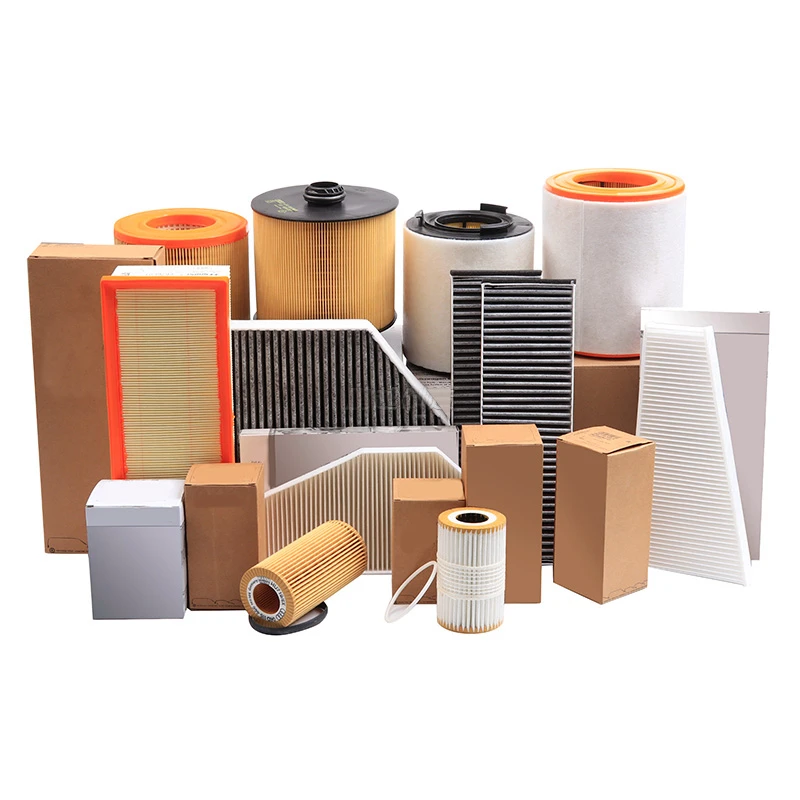
Why Knowing How Often Should I Change My Engine Air Filter Really Matters
Ever found yourself wondering, how often should I change my engine air filter? It's a surprisingly common question, yet folks often overlook its real impact. At first glance, swapping out that dusty little filter might seem trivial. But in reality, this simple maintenance step carries weighty benefits — from enhancing vehicle performance and fuel economy to reducing emissions worldwide. In a world increasingly aware of pollution and climate issues, keeping engines clean serves as a small but meaningful contribution to a bigger cause. Consider this: the United Nations Environment Programme highlights transportation as a major source of urban air pollution. Engine air filters play a direct role in controlling what’s sucked into your engine, reducing harmful particulates released in exhaust. That tiny filter is kind of like a frontline soldier in the battle for cleaner air. So, understanding how often should I change my engine air filter is more than just saving your engine; it’s about sustainability, cost efficiency, and even safety on the roads.What Does It Mean to Change Your Engine Air Filter on Time?
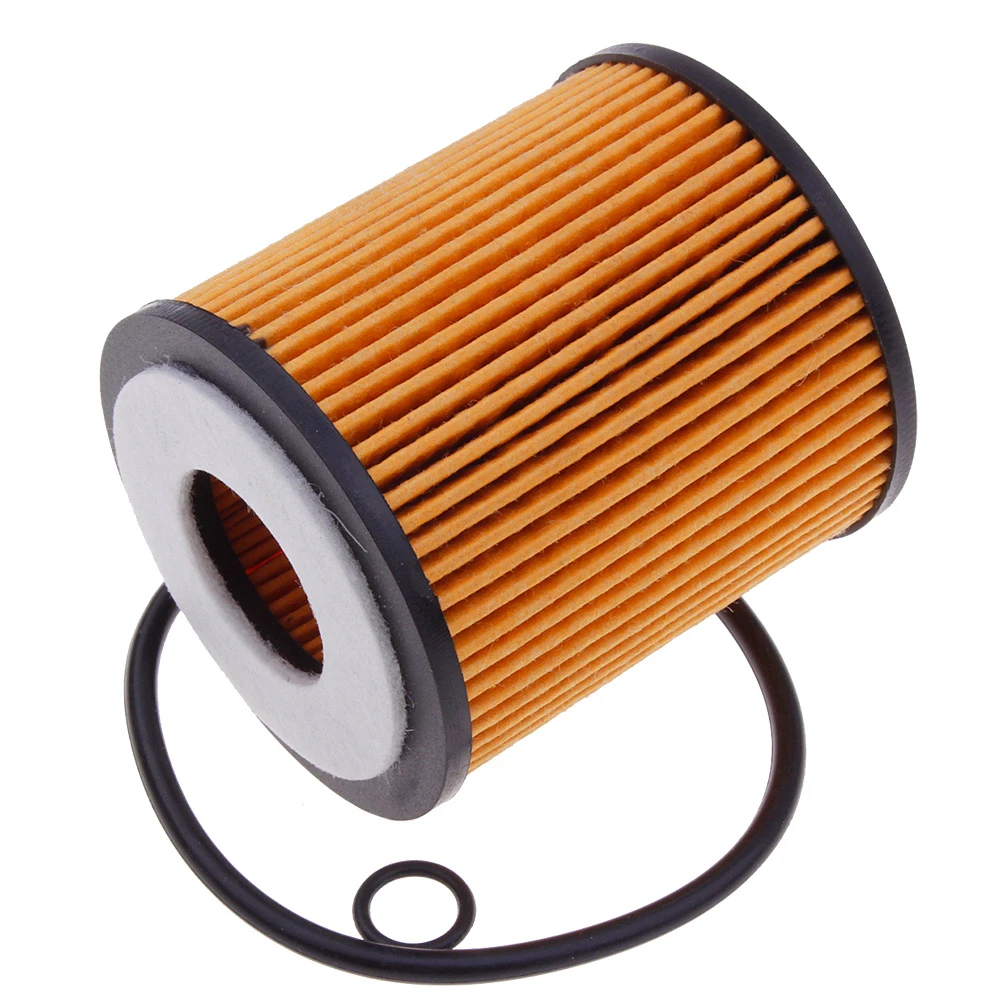
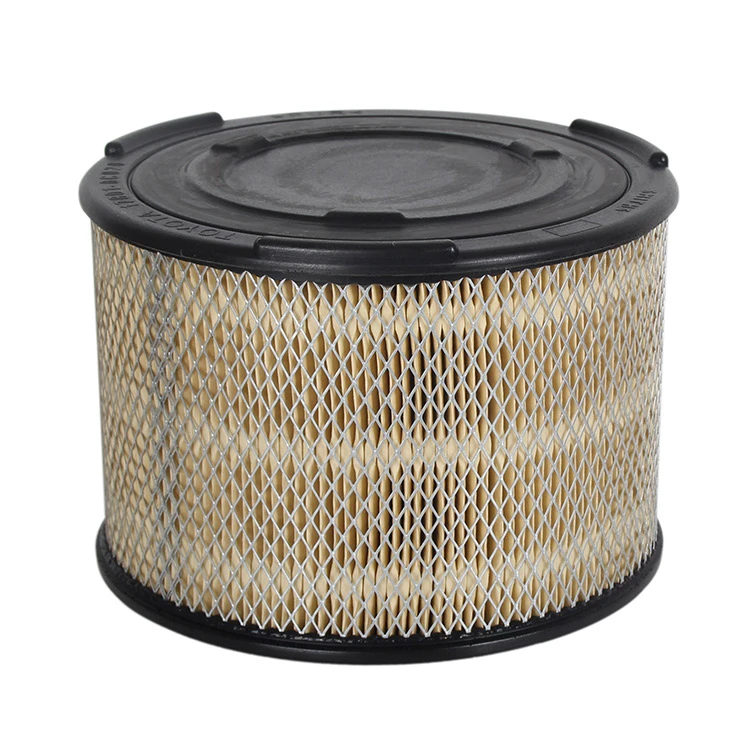
Simply put, an engine air filter cleans the air flowing into your vehicle’s engine, trapping dust, pollen, pollution, and other contaminants. Over time, it gets clogged, restricting air intake—like trying to breathe through a scarf all day. This means the engine isn’t getting the clean air it needs for optimal combustion, leading to less power and worse fuel consumption. This is where the question of how often should I change my engine air filter comes in. Most manufacturers suggest changing it every 12,000 to 15,000 miles, but the real answer depends on where and how you drive. Dusty roads, frequent stop-and-go traffic, or extreme weather? You might want to replace it sooner. In industrial and humanitarian contexts, especially for vehicles serving in rugged environments (think emergency rescue or remote work sites), timely air filter changes are critical to maintain reliability. A clogged filter under pressure could mean the difference between a completed mission and an unexpected breakdown.Core Components Affecting When to Change Your Air Filter
1. Driving Environment
Dusty or polluted areas naturally clog filters faster. For example, if you’re in a desert region or urban traffic jams, filters can fill up twice as fast as in clean suburban areas.2. Vehicle Type and Engine Design
Some modern engines are more sensitive to airflow restrictions. Turbocharged engines, for instance, need cleaner airflow to avoid damage or performance loss.3. Filter Material Quality
Higher-quality or synthetic filters often last longer and trap smaller particles more effectively than paper-based ones — meaning you can space out changes a bit more safely.4. Maintenance Practices
If you regularly inspect your filter, you can catch clogging early, potentially extending its life. But skipping checks usually results in degraded performance.5. Manufacturer’s Recommendations
Always consult your vehicle’s manual. It provides mileage or time intervals based on rigorous testing tailored to your car’s engine.| Aspect | Effect on Filter Change Frequency |
|---|---|
| Driving Environment | More dust/pollution means more frequent changes |
| Engine Type | Sensitive engines require cleaner air, thus frequent replacements |
| Filter Material | Durable materials extend lifespan |
| Maintenance Habits | Regular checks prevent premature clogging |
Real-World Examples Where Timely Air Filter Changes Make a Difference
- Emergency Relief Vehicles: In disaster zones, vehicles face extreme dust and debris. For NGOs and rescue groups, replacing air filters more often ensures readiness and reduces breakdown risk during critical moments. - Urban Deliveries: City delivery vehicles in stop-start traffic collect more particulates. Drivers who ignore air filter changes often pay the price in lost fuel efficiency. - Remote Industrial Vehicles: Mining or logging machinery working in harsh environments relies on good air filtration to avoid downtime. - Daily Commuters: Even suburban drivers benefit; studies (like those conducted by ISO) confirm improved engine longevity and reduced emissions when air filters are changed promptly.Advantages of Keeping Up with Regular Air Filter Changes
- Fuel Economy: Clean filters improve combustion efficiency, shaving noticeable dollars off fuel bills. - Engine Longevity: Preventing dust ingress means less engine wear and costly repairs. - Lower Emissions: Reduced exhaust pollution aligns with stricter global environmental standards. - Reliable Performance: Smooth acceleration and power delivery are easier to maintain. - Peace of Mind: Knowing you’ve taken a simple step to keep your vehicle—and planet—in better shape feels good. It’s remarkable how something as straightforward as an air filter change can combine practical cost savings with a dash of environmental goodwill. It’s a little puzzle piece in the bigger picture.Future Innovations Changing How Often We’ll Need to Change Air Filters
Technology is creeping in here. Automated sensors and onboard diagnostics now monitor filter health in real time, alerting drivers when a change is due. That could replace generic mileage intervals with data-driven precision. On the materials front, researchers are exploring reusable nanofiber filters that self-clean or resist clogging, potentially doubling the lifespan. As electric vehicles gain ground, internal combustion engines might become clinical niche users, but meanwhile, cleaner technologies and tighter standards push everyone towards smarter maintenance.Common Challenges and How to Address Them
- Neglect and Forgetting: Busy folks often overlook filter checks. Solution? Set maintenance reminders or install sensor tech. - Costs vs. Perceived Benefits: Some hesitate due to upfront costs. Reality is, delayed changes lead to expensive repairs—essentially penny wise, pound foolish. - Confusion About Intervals: Answers vary by model and conditions. The best approach is a combined strategy: follow manufacturer guidance but adjust for real-world conditions. - Substandard Filter Quality: Cheap filters save money short-term but clog quickly or protect poorly. Investing in quality pays off long-term.FAQ: Clearing Up Your Curiosities on How Often Should I Change My Engine Air Filter
Q1: How can I tell if my engine air filter needs changing early?
A: Check for reduced acceleration, rough engine idling, or visible dirt on the filter itself. Many modern vehicles now have sensors that will alert you. Otherwise, a visual inspection every 12,000 miles or less is prudent.
Q2: Are reusable engine air filters a good idea?
A: Some reusable filters, like those made from cotton or foam, offer good filtration with proper cleaning. They can be cost-effective but require careful maintenance to avoid damage or poor performance.
Q3: Can a dirty air filter cause engine damage?
A: Yes, a clogged filter restricts airflow causing the engine to work harder and draw in unfiltered air around the filter edges, which can cause wear and premature failure.
Q4: Does altitude or climate affect change frequency?
A: Absolutely. High-altitude areas with more dust, or humid tropical climates where mold can grow on filters, often require more frequent inspections and changes.
Comparing Popular Engine Air Filter Options
| Brand | Filter Type | Material | Typical Lifespan (miles) | Price Range |
|---|---|---|---|---|
| JyFilter | High-Performance Synthetic | Synthetic Fiber | 15,000–20,000 | $$$ |
| AutoClean | Reusable Cotton | Cotton Gauze | Up to 30,000 (with cleaning) | $$$$ |
| ClearAir | Standard Paper | Cellulose Fiber | 12,000–15,000 | $ |
Compare Vendors for Engine Air Filters
| Vendor | Product Range | Shipping Regions | Warranty/Support | Price Level |
|---|---|---|---|---|
| JyFilter | Wide (Passenger & Commercial Vehicles) | Global | 2 Years + Hotline | Mid-High |
| AutoClean | Specialized reusable filters | North America, EU | Limited Lifetime | High |
| ClearAir | Basic Paper Filters | Global, Limited Express | 1 Year | Low |
Wrapping Up: The Long-Term Value of Regular Engine Air Filter Changes
In real terms, knowing how often should I change my engine air filter isn’t just an old-school maintenance task. It’s a smart, eco-friendly, money-saving habit that directly impacts your vehicle’s health and the environment around you. If you haven’t checked yours in a while, maybe it’s time to ask yourself that question—especially if you’re driving in challenging conditions, or just care about getting the most from your ride. Curious to learn more or shop quality filters directly? Visit our website: https://www.jyfilter.com — the place where high performance meets trusted expertise. ---References
-
Guide on how often do you need to replace engine air filterNewsApr.16,2026
-
Learn how often do you replace air filter in car for engine healthNewsApr.09,2026
-
How Often Do You Replace Car Air Filter For Optimal Engine PerformanceNewsApr.07,2026
-
How Often Do You Replace Engine Air Filter For Optimal Vehicle PerformanceNewsApr.04,2026
-
Understanding How Often Does Engine Air Filter Need to Be Replaced for Optimal PerformanceNewsMar.31,2026
-
How Often Engine Air Filter Change Impacts Performance and LongevityNewsMar.28,2026
-
Understanding How Often to Replace Your Car Air Filter for Optimal PerformanceNewsMar.26,2026
Related Products