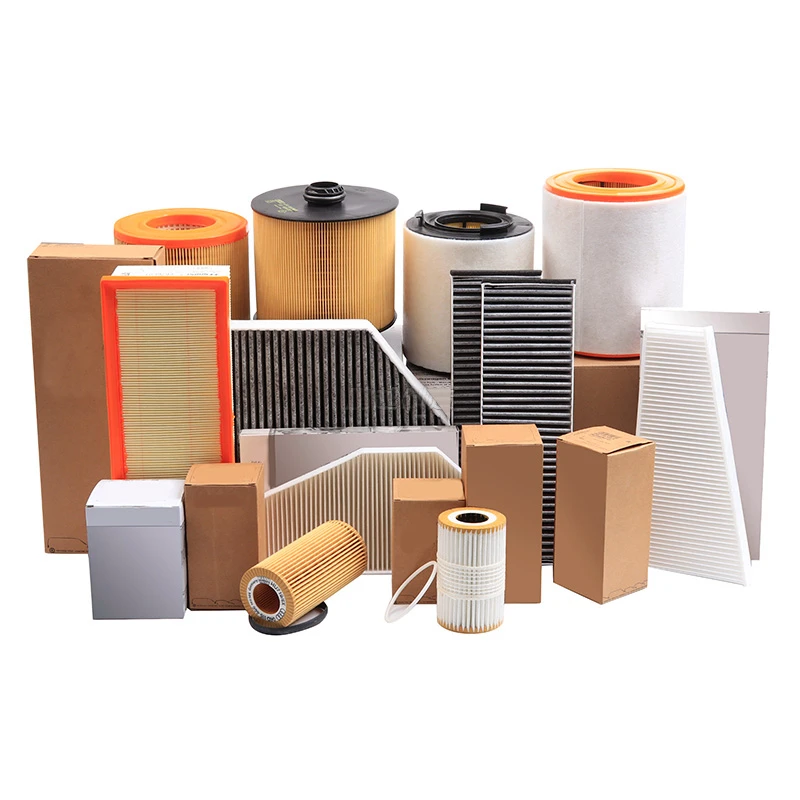
Why Knowing When to Change Your Car Engine Air Filter Matters Globally
At first glance, the question how often should I change my car engine air filter might seem like a dull, mechanical detail only car enthusiasts fret over. But, if you think about it, this simple maintenance task reflects something much bigger: global efforts to improve air quality, fuel efficiency, and reduce emissions. According to the International Energy Agency, road transport accounts for roughly 20% of global CO₂ emissions. Neglected air filters can drop your engine’s performance and increase pollutants, contributing to a larger environmental footprint.
Understanding when and why to change your engine’s air filter contributes to better fuel economy, lower emissions, and longer engine life — benefits that ripple outward from your local garage to broader industry standards and environmental commitments worldwide.
The Bigger Picture: Global Context of Air Filter Maintenance
Globally, millions of vehicles hit the road daily. The WHO estimates that more than 90% of the world's population lives in places where air quality standards are not met. Poor engine maintenance, including stale air filters, tends to increase harmful exhaust emissions like nitrogen oxides and particulate matter. In regions such as Asia, Africa, and Latin America, where urban air pollution poses heavy health risks, something as "simple" as proper car air filter maintenance becomes a small but critical cog in the battle for cleaner air.
Also, rising fuel prices worldwide push consumers towards more efficient practices — and skipping your air filter change can cost you more at the pump. The automotive industry, too, faces stricter regulations set by bodies like the UN’s UNECE (United Nations Economic Commission for Europe) which encourages adherence to emission standards.
So, What Does It Mean to Change Your Car Engine Air Filter?
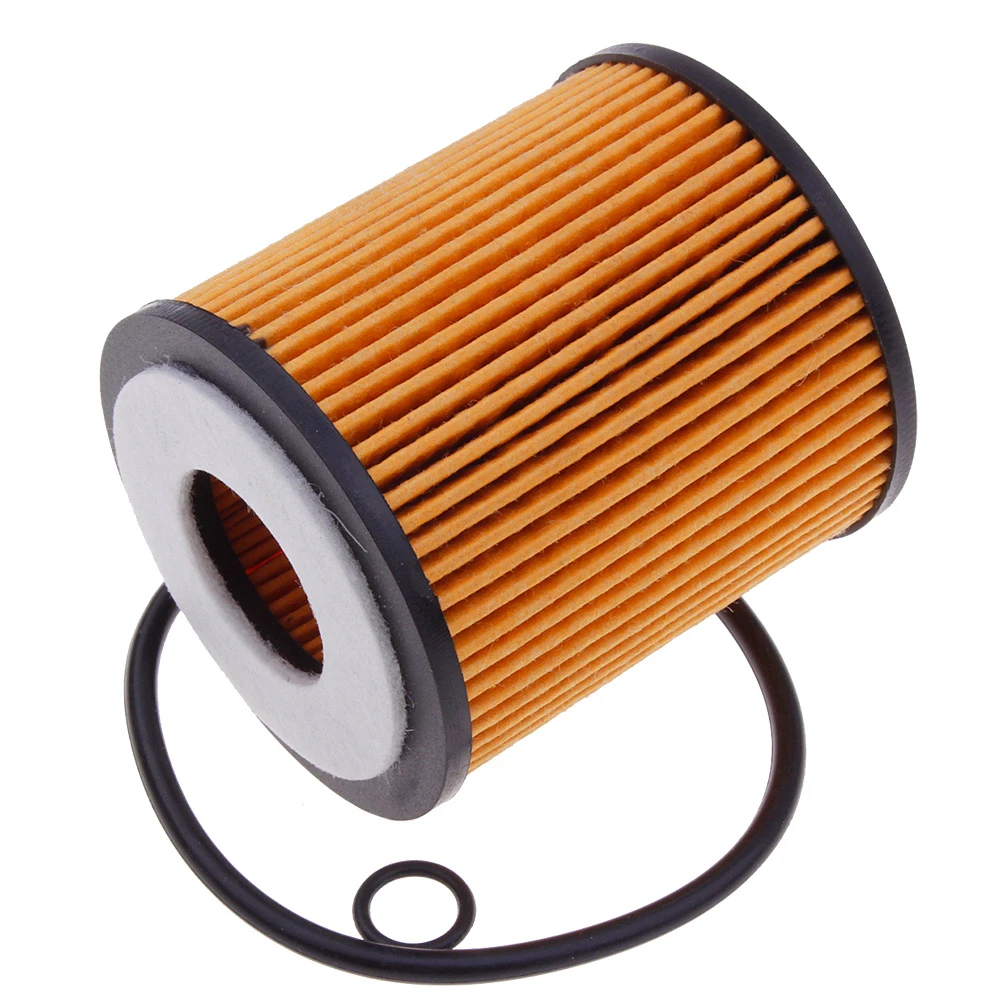
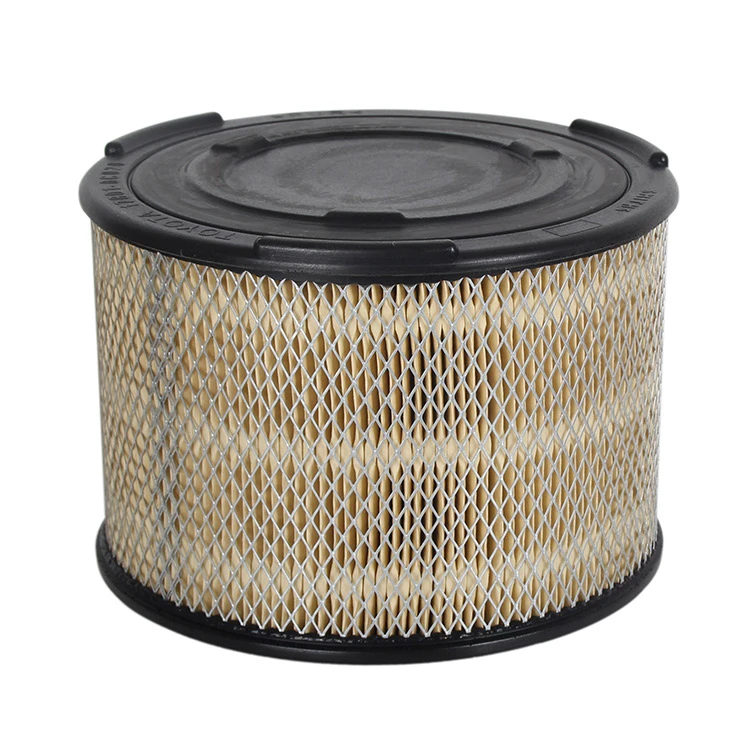
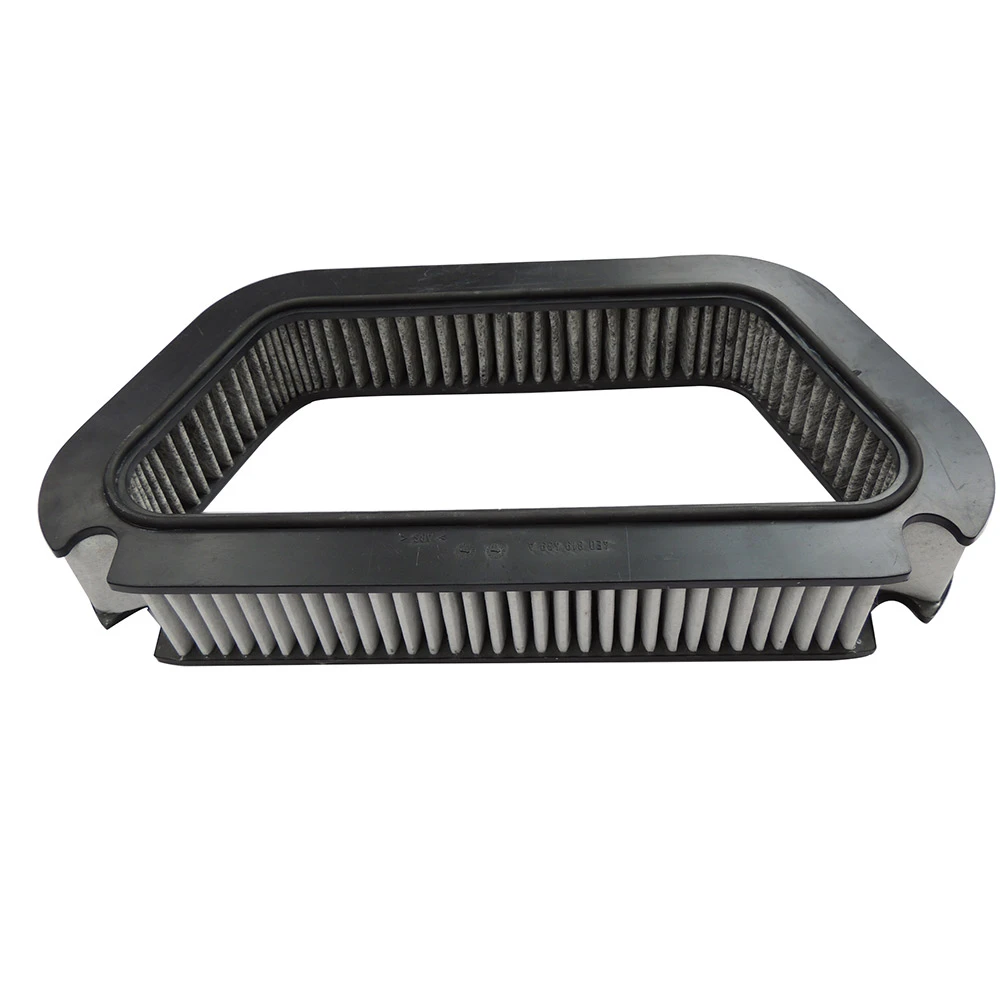
Simply put, your car's engine air filter traps dust, pollen, and other airborne particles from entering the engine's combustion chamber. Over time, it clogs up — restricting airflow, reducing combustion efficiency, and forcing your engine to work harder.
Changing your car engine air filter means removing the old, dirty filter and replacing it with a new one, restoring proper airflow and engine performance. This maintenance task is a routine yet vital one that ties directly into environmental stewardship, reduced fuel consumption, and enhanced vehicle longevity, aligning nicely with modern sustainability goals.
Key Factors Influencing How Often to Change Your Air Filter
1. Driving Environment
If you often drive in dusty or polluted areas (think construction zones, unpaved roads, or cities with heavy smog), your air filter gets clogged much faster. In such environments, replacement intervals may be as short as every 10,000 miles or 6 months.
2. Manufacturer’s Recommendations
Most car makers suggest changing your air filter roughly every 15,000 to 30,000 miles, but this varies by brand, model, and filter type. Checking your owner’s manual or official guidelines is always a good starting point.
3. Filter Material & Quality
High-performance filters, such as those made from synthetic fibers or with better porosity, tend to last longer. Budget filters might require earlier changes, so investing in quality returns dividends.
4. Vehicle Usage Habits
Frequent stop-and-go city driving, idling, and short trips can shorten filter lifespan compared to highway cruising, as these habits generate more particulates and strain the engine.
5. Symptoms To Watch For
- Reduced acceleration or power
- Poor fuel economy
- Engine misfires or rough idling
- Visual inspection reveals heavy dirt or blockages
Product Specifications: Common Engine Air Filter Types
| Filter Type | Lifespan (miles) | Material | Advantages |
|---|---|---|---|
| Paper Fiber | 15,000 – 20,000 | Cellulose | Affordable, easy to replace |
| Synthetic Fiber | 20,000 – 30,000 | Polyester or nylon | Better filtration, longer life |
| Cotton Gauze (Reusable) | Up to 100,000 (with cleaning) | Oiled cotton gauze | Reusable, performance boost |
| Foam | 15,000 – 25,000 | Open-cell polyurethane | Good for off-road/wet conditions |
How Major Vendors Stack Up: Air Filter Offerings Compared
| Vendor | Filter Type | Price Range (USD) | Warranty | Unique Features |
|---|---|---|---|---|
| ACDelco | Paper & Synthetic | $10 – $25 | 12 months | OEM standards, widespread availability |
| K&N | Cotton Gauze (Reusable) | $40 – $70 | 10 years | Washable, high airflow |
| FRAM | Paper Fiber | $7 – $20 | 6 months | Easy install, budget-friendly |
| Mann-Filter | Synthetic Fiber | $15 – $35 | 12 months | High filtration efficiency, OE supplier |
Real-World Examples of Air Filter Importance
In metropolitan areas like Delhi or Mexico City, where air pollution is a persistent challenge, many drivers replace their air filters more frequently to mitigate engine strain and reduce harmful vehicle emissions. Over in Australia’s remote mining regions, vehicles operate in dusty environments, sometimes forcing operators to inspect air filters every few thousand miles — a practice that prevents downtime and costly engine repairs.
Even NGOs sending vehicles for humanitarian aid in disaster-affected zones often emphasize strict maintenance schedules, because a clogged filter could mean mission failure or unsafe operations. Clearly, the question how often should i change my car engine air filter isn't just a household query—it's a practical cornerstone of operational efficiency.
Long-Term Benefits Beyond Immediate Performance
Obviously, a clean engine air filter leads to better acceleration and fuel economy — but it goes beyond that. Replacing filters regularly:
- Extends engine life: Prevents dust and abrasive particles from causing wear.
- Reduces emissions: Cleaner combustion means fewer pollutants expelled.
- Improves reliability: Avoids stalling, rough idling, and unexpected breakdowns.
- Supports sustainability: Less fuel waste and pollution align with global climate goals.
For many drivers, the peace of mind that comes with dependable vehicle performance is worth every penny they spend on timely filter changes.
The Road Ahead: Innovations Shaping Air Filter Maintenance
It's worth noting that filter technology isn’t stuck in the past. Researchers and manufacturers are developing:
- Smart filters embedded with sensors that notify you when it’s time for replacement.
- Eco-friendly materials: Biodegradable or recycled components reduce waste footprints.
- Advanced nanofiber layers: Providing superior filtration without airflow penalties.
- Reusable designs: That balance performance with easy cleaning and longevity.
All these advances hint at a future where knowing exactly how often should i change my car engine air filter becomes simpler — and cleaner.
Common Challenges and How to Counter Them
Some drivers procrastinate on air filter changes because it’s “out of sight, out of mind.” Others rely on vague mileage guidelines without considering actual conditions. Both approaches risk engine performance and vehicle longevity.
Experts suggest:
- Perform visual inspections during regular oil changes.
- Follow manufacturer recommendations but adjust for harsh environments.
- Consider premium or reusable filters for tough usage patterns.
- Use digital monitoring tools for timely alerts.
FAQ: Your Engine Air Filter Questions Answered
Q1: How do I know if my car engine air filter needs replacing?
A1: Look for signs like reduced acceleration, poor fuel economy, rough idling, or visible dirt on the filter itself. Visual checks every 12,000 miles are advisable, especially if you drive in dusty or urban conditions.
Q2: Can I clean and reuse my air filter instead of replacing it?
A2: Only certain filters, like cotton gauze or foam types, are designed for cleaning and reuse. Paper filters should be replaced. Cleaning reusable filters involves special kits to avoid damage and maintain filtration quality.
Q3: Does replacing the air filter really improve fuel economy?
A3: Yes! A clogged filter restricts airflow, causing the engine to consume more fuel to maintain power. Fresh filters help maintain ideal air-fuel mix, improving fuel efficiency by up to 10%, according to some studies.
Q4: How often should I change the engine air filter if I mostly drive on highways?
A4: Highway driving generally produces less dust, so you can extend the replacement interval closer to or beyond the manufacturer’s maximum recommendation, often around 30,000 miles or once a year.
Q5: Does changing my air filter myself void my vehicle warranty?
A5: Usually not, as long as you use OEM or compatible filters and follow proper procedures. Keep records of maintenance; consult your warranty terms for specifics.
Wrapping It Up: The Last Word on Your Engine's Air Filter
In the end, questioning how often should I change my car engine air filter isn’t just about engine health. It touches on a bigger story — one of sustainability, cost-saving, and safer urban air. Once you start paying attention to this modest, often overlooked maintenance detail, it feels like uncovering a secret to your vehicle's wellbeing that multi-layered industries and environmentalists quietly champion.
Why not take the guesswork out of it? Visit our detailed guides and reliable product recommendations at https://www.jyfilter.com and start treating your engine — and the environment — a little better today.
-
Guide on how often do you need to replace engine air filterNewsApr.16,2026
-
Learn how often do you replace air filter in car for engine healthNewsApr.09,2026
-
How Often Do You Replace Car Air Filter For Optimal Engine PerformanceNewsApr.07,2026
-
How Often Do You Replace Engine Air Filter For Optimal Vehicle PerformanceNewsApr.04,2026
-
Understanding How Often Does Engine Air Filter Need to Be Replaced for Optimal PerformanceNewsMar.31,2026
-
How Often Engine Air Filter Change Impacts Performance and LongevityNewsMar.28,2026
-
Understanding How Often to Replace Your Car Air Filter for Optimal PerformanceNewsMar.26,2026
Related Products