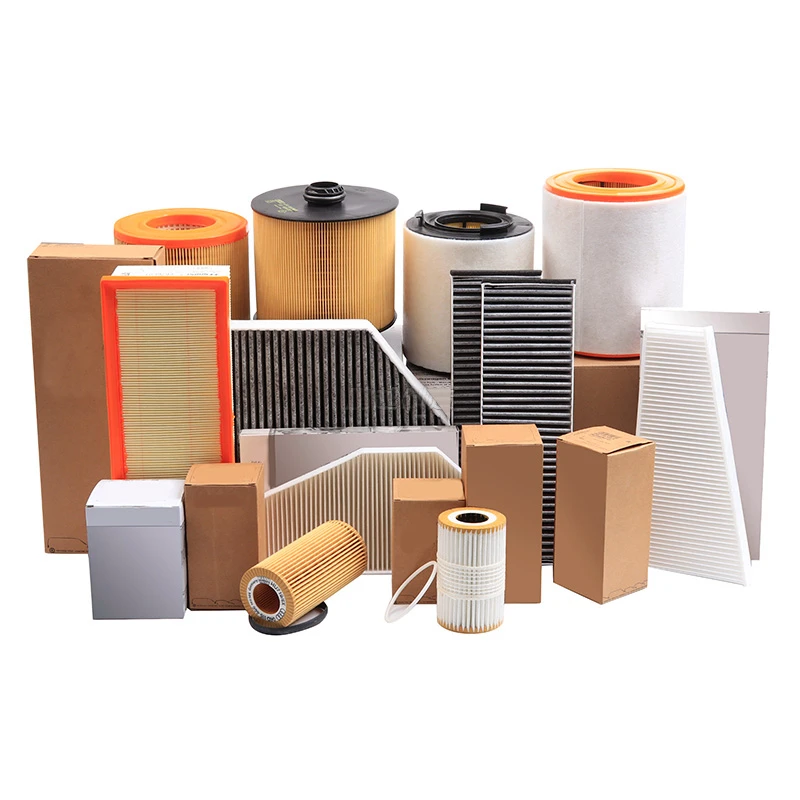
Why Knowing How Often to Change Your Car Cabin Air Filter Matters
Ever wondered how the air inside your car stays fresh, or why that new-car smell fades over time? The humble cabin air filter plays a quiet but critical role in your driving comfort and health. Globally, millions rely on vehicles every day, and knowing how often should I change my car cabin air filter isn’t just a small maintenance tip—it's a vital step in improving air quality in enclosed spaces. When air filters are clogged, they lose efficiency, increasing allergens and pollutants inside your vehicle. The benefits of timely replacement range from better breathing to extending your car's HVAC system life.
The Bigger Picture: Global Context of Cabin Air Filter Maintenance
Across the world, urbanization and traffic growth have worsened air pollution significantly. According to the World Health Organization, over 90% of people live in places where air quality exceeds recommended limits. In vehicles, internal air often contains higher concentrations of pollutants compared to outdoors, especially when driving in congested or industrial areas.
Changing your cabin air filter regularly helps combat this invisible threat — a simple fix that many overlook. It’s estimated that consistently maintained cabin filters can reduce particulate matter inside vehicle cabins by over 50% according to studies compiled by the European Committee for Standardization (CEN/TC 243). But the question remains: how often?
Mini Takeaway:
- The cabin air filter is vital for air quality inside vehicles worldwide.
- Regular replacement improves health, comfort, and part longevity.
What Exactly Is a Car Cabin Air Filter, and Why Does Replacement Interval Matter?
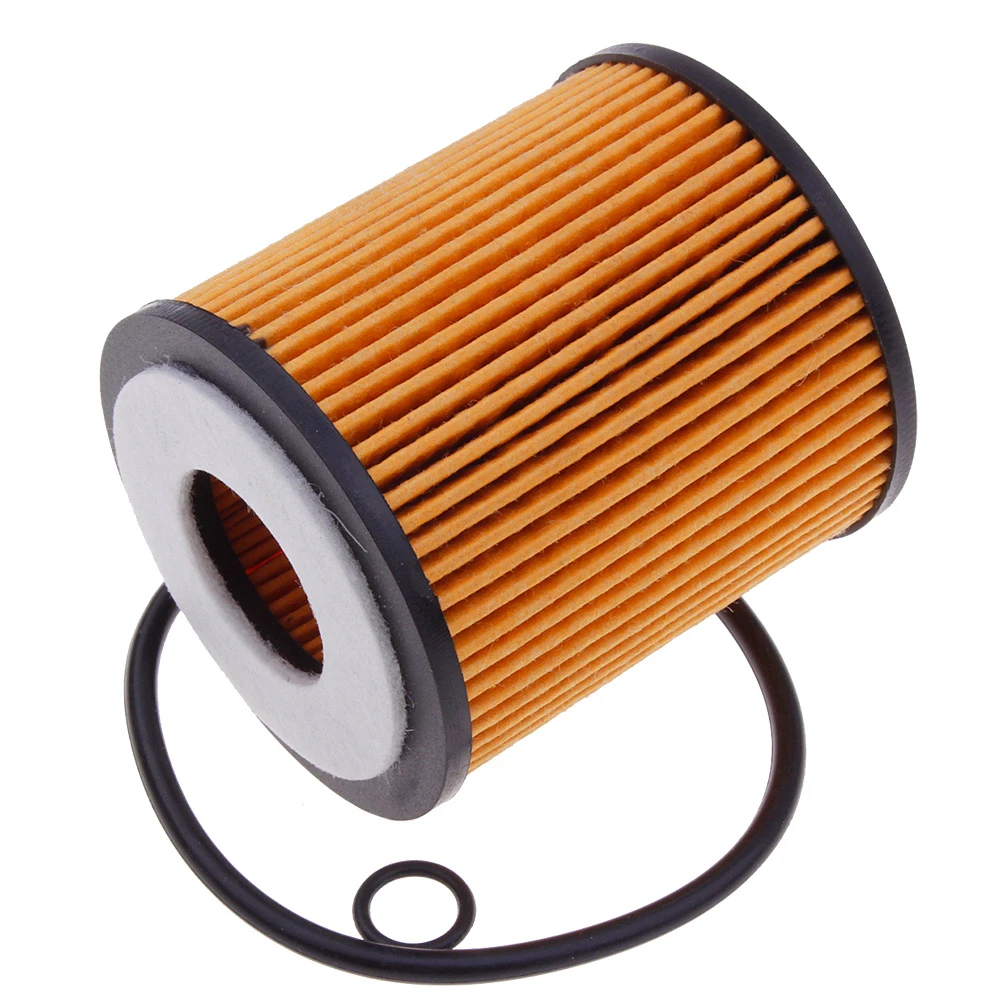
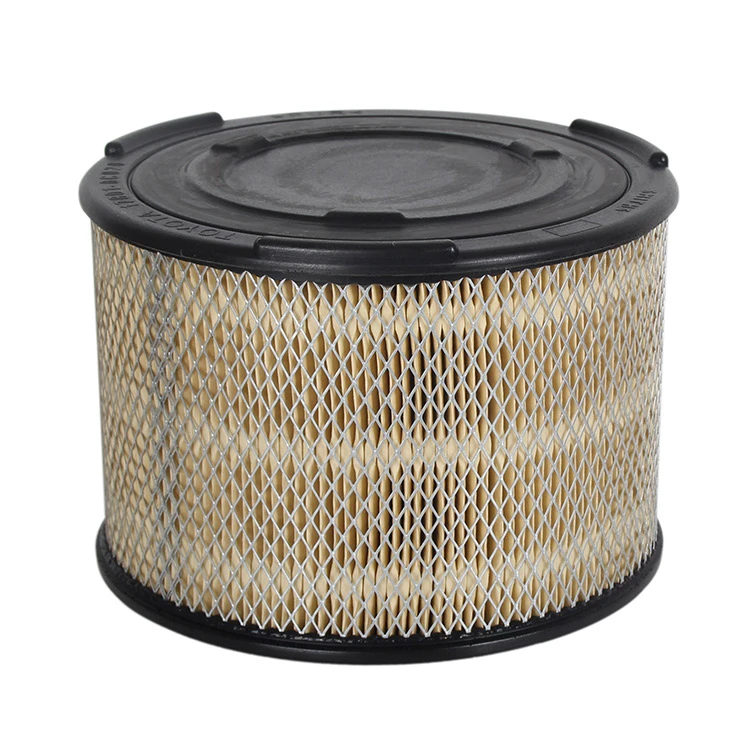
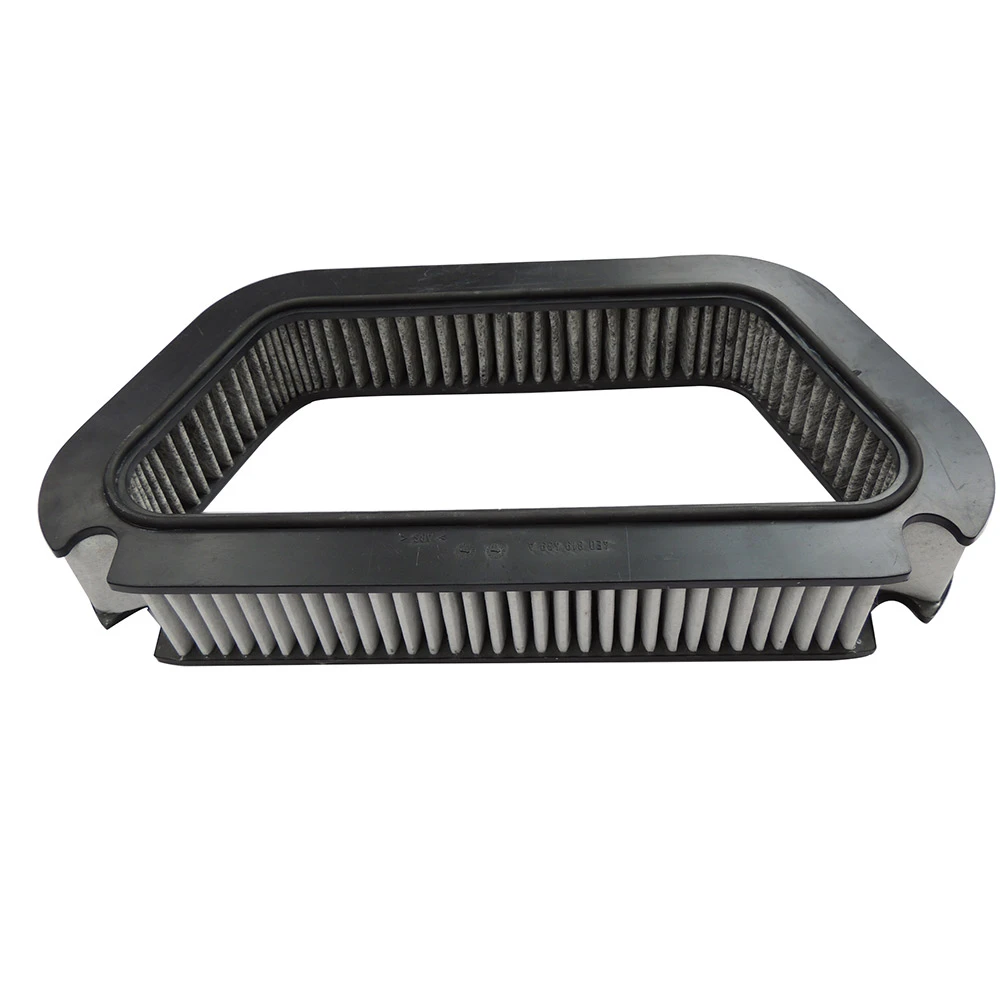
Simply put, a car cabin air filter is a small mesh—often made from activated carbon or pleated paper—that cleans the air entering your vehicle’s cabin from outside pollutants like dust, pollen, smog, and even mold spores. Like a home HVAC filter, it traps particulate matter that would otherwise enter your breathing zone.
How often you should change it depends heavily on driving conditions and climate, but a typical recommendation might be every 15,000 to 25,000 miles, or roughly once a year. In dusty environments or areas with poor air quality, more frequent changes are necessary.
This maintenance not only enhances in-cabin air quality but also maintains proper airflow, reducing strain on your car's heating and cooling system.
Mini Takeaway:
- Filters trap allergens and harmful particles.
- Replacement intervals vary but generally hover around yearly or 15-25k miles.
- Neglecting changes may cause poor airflow and HVAC damage.
Key Factors Influencing How Often to Change Your Car Cabin Air Filter
1. Driving Environment
Urban traffic, construction zones, dusty rural roads, or heavy industrial areas can all coat your filter with grime much faster than suburban or rural driving. If you frequently drive in pollution-heavy cities or dusty environments, expect to replace filters twice as often—or even more regularly.
2. Vehicle Manufacturer Recommendations
Always check your owner’s manual, oddly enough sometimes the guidelines vary widely even among similar models. Manufacturers typically consider airflow design, filter size, and engine type when setting replacement schedules.
3. Filter Material and Quality
Not all filters are created equal. Some use charcoal layers to absorb odors and gases, while others focus purely on particle trapping. Better quality filters often last longer but usually come at a higher upfront price.
4. Frequency of Use
A daily commuter puts more miles—and air—through the filter than a weekend driver. Filters should be replaced more frequently for heavy use.
5. Seasonal Changes
Spring and fall bring pollen and allergens, which can clog filters faster. Pay attention especially if you suffer from allergies.
Mini Takeaway:
- Multiple factors like environment, vehicle specs, and filter quality affect replacement timing.
- Adapt intervals to your personal and regional conditions for best results.
How Changing Your Cabin Air Filter Is Applied Globally
In Europe, stringent vehicle emission rules like EURO standards have pushed automakers to include cabin filters capable of filtering very fine particulate matter (PM2.5). Meanwhile, in Asia, crowded and often highly polluted cities like Delhi or Beijing see filters clogging much faster, necessitating frequent replacements.
Shared taxi fleets and ride-hailing services in Latin America and Africa have also discovered that cabin air filter maintenance improves driver and passenger comfort significantly, boosting overall customer satisfaction.
Emergencies and humanitarian organizations shipping vehicles into disaster-prone zones often ensure cabin air filters meet higher standards, protecting drivers from airborne hazards and dust storms sustained during relief efforts.
Mini Takeaway:
- Different regions and industries require tailored change intervals.
- Emergency and commercial fleets often prioritize filter maintenance due to environmental hazards.
Product Specification: Popular Cabin Air Filter Models
| Filter Model | Material | Recommended Change Interval | Cost Range (USD) | Special Features |
|---|---|---|---|---|
| PureAir Ultra | Activated Carbon + HEPA | 15,000 miles / 12 months | $25 - $40 | Odor Control, High PM2.5 filtration |
| EcoBreathe Eco | Recycled Paper Fiber | 20,000 miles / 18 months | $15 - $28 | Environmentally Friendly Materials |
| MaxFlow Pro | Multi-Layer Synthetic | 10,000 miles / 10 months | $30 - $45 | Enhanced durability for heavy duty use |
Vendor Comparison: Popular Cabin Air Filter Brands
| Brand | Price Range | Availability | Special Features | Warranty |
|---|---|---|---|---|
| JyFilter | $20 - $40 | Online & Retail | Custom fits, high efficiency particulate arresting | 1 year |
| ACME Filters | $18 - $35 | Mostly online | Eco-friendly materials, carbon variants | 6 months |
| DriveSafe | $25 - $50 | Retail chains | Quick install design | 1 year |
Why It’s Worth the Investment: Advantages and Long-Term Benefits
Changing your cabin air filter regularly is frankly a no-brainer—beyond the obvious improvement in air quality, it saves you money by preventing costly HVAC system repairs and boosting fuel efficiency by improving airflow. It’s also a compassionate choice: protecting family and passengers from allergens or airborne toxins. On an emotional level, clean air contributes to peace of mind and trust in your vehicle’s safety.
Up-and-Coming Trends in Cabin Air Filter Technology
The future looks pretty exciting here. Materials are evolving from simple paper and charcoal to nanofiber membranes and bio-based filters that can biodegrade, aligning with the growing sustainability drive globally. Some manufacturers are even exploring smart filters embedded with sensors to alert drivers to changing filter conditions, marrying the digital transformation with preventive care.
I also noticed rising interest in filters that neutralize viruses and bacteria, a timely innovation post-pandemic.
Common Challenges and How Experts Suggest Overcoming Them
One challenge is the lack of consistent public awareness. Many drivers are unsure when and why to change cabin air filters, leading to neglect. Another is variance in filter quality on the market confusing buyers.
Solutions proposed include improved in-car reminders, better education campaigns, and clearer standards for filter performance. Some experts recommend scheduling filter checks along with oil changes for convenience.
FAQ: What Drivers Really Want to Know About Changing Cabin Air Filters
Q1: How do I know when my cabin air filter needs replacing?
A: Common signs include reduced airflow from your vents, unpleasant odors, or increased dust on your dashboard. If it's been more than 12 months or about 15,000-20,000 miles since your last change, it’s probably time, even without symptoms.
Q2: Can I change the cabin air filter myself?
A: Yes! Most cars have easily accessible filters behind the glove box or under the hood. Manuals usually guide you through, or check out video tutorials from reliable sources. It’s a quick, inexpensive DIY task.
Q3: What happens if I don’t change the cabin air filter regularly?
A: A clogged filter can strain your vehicle’s HVAC system, reducing heating and cooling efficiency, causing accelerated wear, and allowing pollutants to enter your cabin. Over time, this degrades air quality and could lead to costly repairs.
Q4: Are more expensive cabin air filters worth the investment?
A: Often yes. Higher-end filters tend to use materials that trap finer particles and odors better, and last longer. For allergy sufferers or frequent urban drivers, the cost pays off in health and comfort.
Q5: How does climate affect filter replacement intervals?
A: Dry, dusty climates clog filters faster, requiring more frequent changes (sometimes every 6 months). In mild, cleaner areas, annual replacement is typically sufficient.
Wrapping It Up: Make Cabin Air Filter Care Part of Your Driving Routine
In real terms, staying on top of how often should I change my car cabin air filter is one of those little things that pays big dividends. Cleaner air, healthier passengers, and a happier car HVAC system — worth a few minutes every year to check or swap out. Feel free to explore our extensive product range and expert guides at https://www.jyfilter.com for personalized advice.
Final Quick Takeaway
- Cabin air filters affect driver health, comfort, and vehicle longevity.
- Replacement intervals vary—consider driving habits, location, and allergies.
- Invest in quality filters and stay educated to avoid costly problems.
References
-
Guide on how often do you need to replace engine air filterNewsApr.16,2026
-
Learn how often do you replace air filter in car for engine healthNewsApr.09,2026
-
How Often Do You Replace Car Air Filter For Optimal Engine PerformanceNewsApr.07,2026
-
How Often Do You Replace Engine Air Filter For Optimal Vehicle PerformanceNewsApr.04,2026
-
Understanding How Often Does Engine Air Filter Need to Be Replaced for Optimal PerformanceNewsMar.31,2026
-
How Often Engine Air Filter Change Impacts Performance and LongevityNewsMar.28,2026
-
Understanding How Often to Replace Your Car Air Filter for Optimal PerformanceNewsMar.26,2026
Related Products