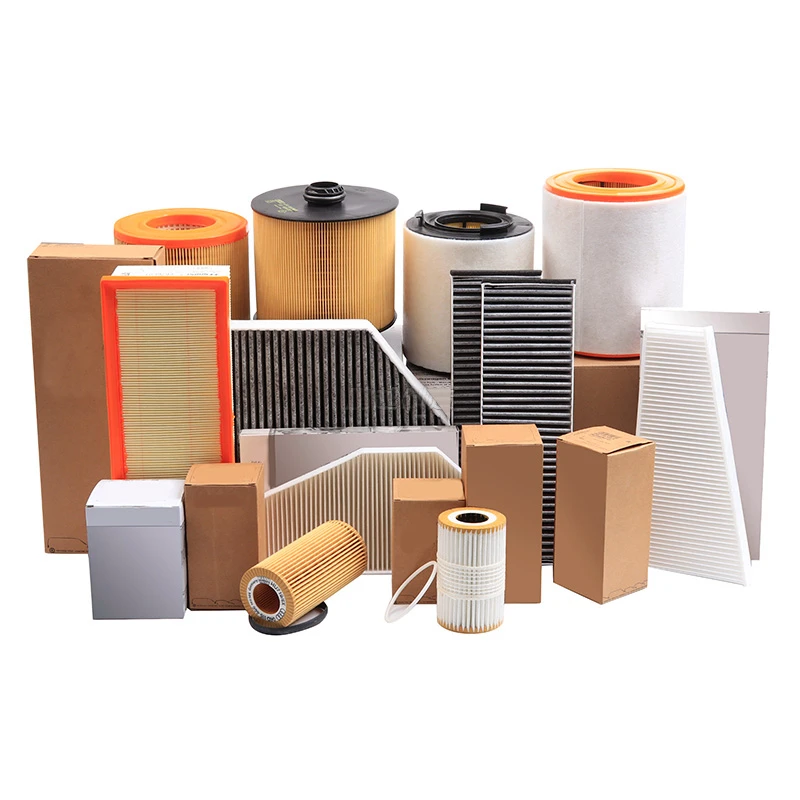
Understanding How Often You Should Change Your Car Air Filter
When was the last time you thought about your car's air filter? Probably not recently. Yet knowing how often should I change air filter car is surprisingly important—not just for your car’s health, but also for the environment and your wallet. Across the globe, cars are responsible for a significant chunk of air pollution. Keeping your engine's air filter fresh helps improve fuel efficiency, reduce emissions, and protect your engine from damage. So, it’s a small but impactful habit with wide-reaching benefits.
The Global Perspective: Why Air Filter Maintenance Matters
According to data from the International Energy Agency (IEA), road transport accounts for nearly 20% of global CO2 emissions—one of the largest contributors to climate change. Vehicles with clogged or old air filters tend to burn more fuel and emit more pollutants, driving up that number. ISO standards emphasize vehicle maintenance as a key factor in sustainable transport, which includes timely air filter replacement.
Yet, millions of car owners worldwide neglect this simple routine, leading to higher emissions and costly engine repairs. The challenge? Many don’t know how often should i change air filter car or underestimate its importance. Addressing this small yet vital maintenance task can play a part in global emission reductions—even if it’s just one car at a time.
What Does "How Often Should I Change Air Filter Car" Really Mean?
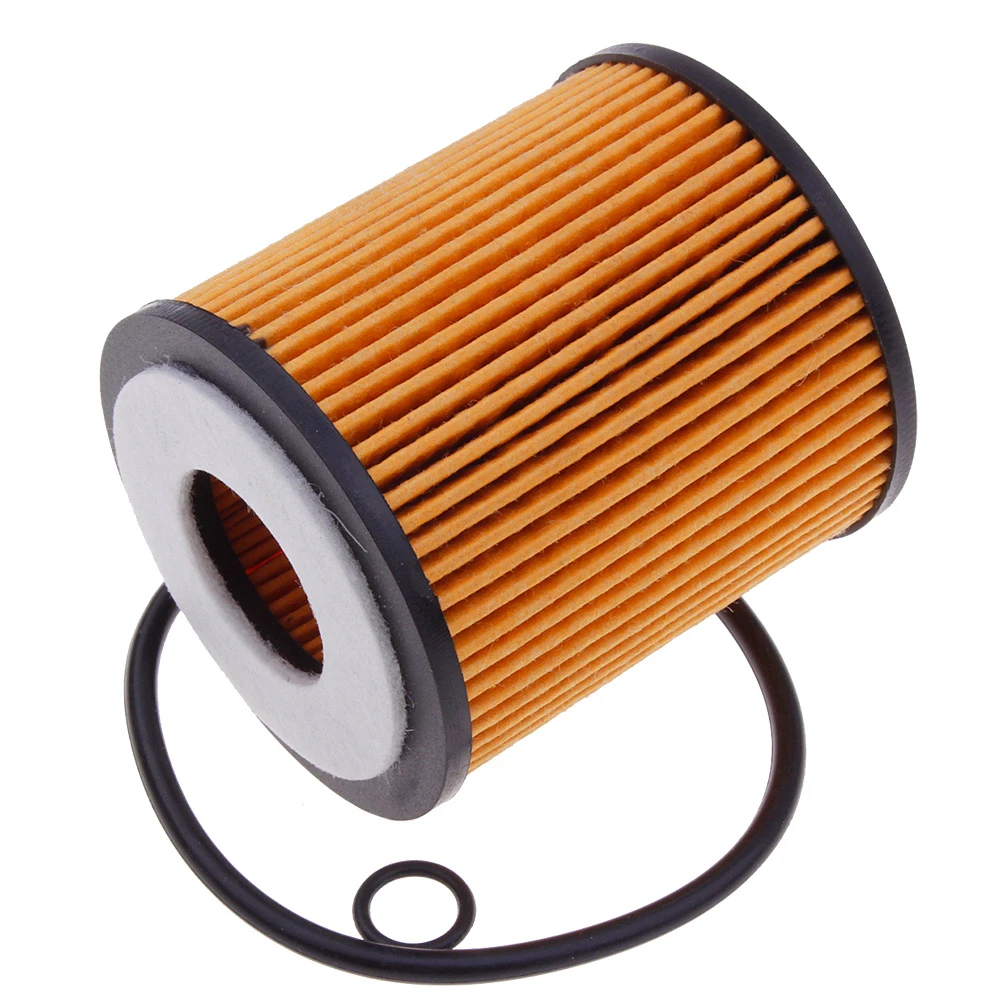
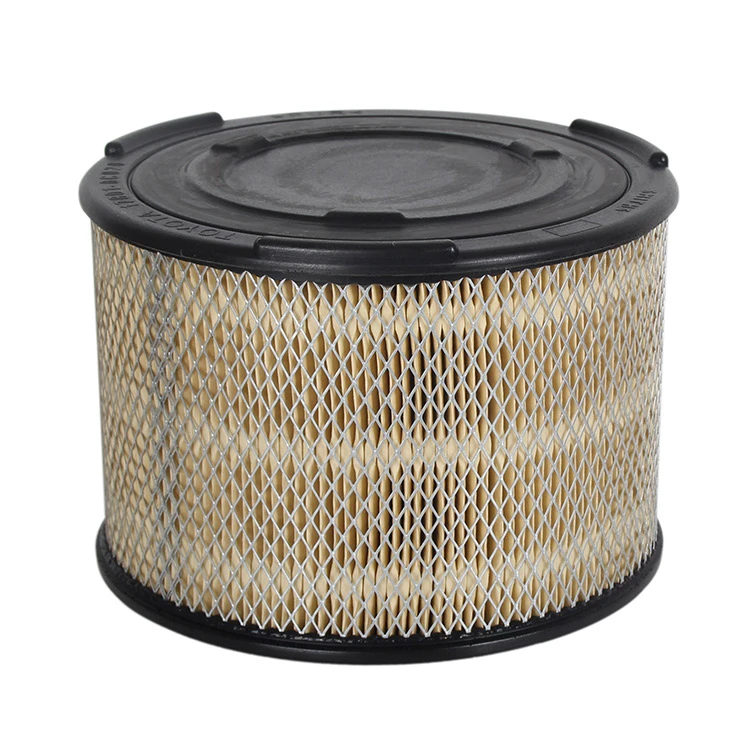
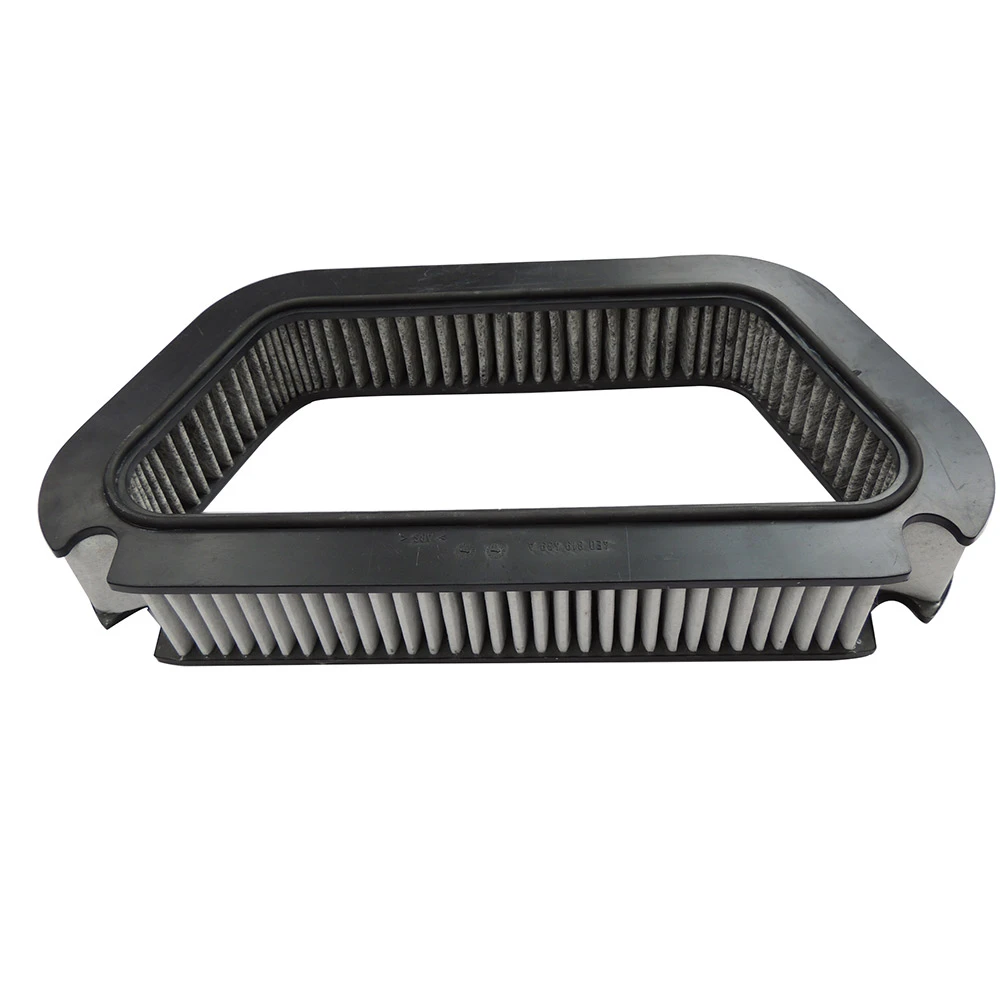
Simply put, this phrase asks, “How frequently should one replace the air filter in a car?” The air filter's job is to keep dust, pollen, leaves, and other unwanted particles from entering the engine. Over time, the filter gets clogged and less effective, leading to slower engine performance and increased fuel consumption.
From a humanitarian and industrial perspective, well-maintained vehicles make logistics smoother, especially in challenging environments where reliable transportation is crucial—think disaster relief teams or construction sites in remote areas. An air filter clogged with dirt could delay or even endanger missions.
Key Factors That Influence Air Filter Replacement Timing
1. Driving Conditions
Urban drivers stuck in traffic breathe more polluted air, clogging filters faster. Off-road or dusty areas mean more debris. If your vehicle often ventures onto dirt roads or construction zones, expect to swap filters more frequently.
2. Manufacturer Recommendations
Car makers usually suggest changing air filters every 12,000 to 15,000 miles (19,000 to 24,000 kilometers). But these guidelines assume “average” conditions. Your mileage may vary (literally).
3. Filter Type and Quality
Some filters—like reusable cotton or foam variants—can be cleaned rather than tossed. Others, like paper filters, are single-use. Higher quality filters might last longer but come at a premium. It’s a cost-benefit dance.
4. Environmental Factors
Humidity, pollen seasons, and industrial pollution all affect how quickly your filter clogs. In some tropical or industrial regions, air filters can foul in less than half the usual mileage.
5. Engine Performance Indicators
If you notice sluggish acceleration, strange noises, or reduced fuel economy, it might be time to check your filter earlier. Waiting too long risks engine damage.
Typical Air Filter Specifications Compared
| Specification | Standard Paper Filter | Reusable Cotton Filter | Foam Filter |
|---|---|---|---|
| Typical Lifespan | 12,000–15,000 miles | Up to 50,000 miles (with cleaning) | 10,000–12,000 miles |
| Cost | $10–$20 | $40–$70 | $15–$30 |
| Maintenance Required | None - replace only | Periodic washing and oiling | Occasional cleaning |
| Filtration Efficiency | Good | Very good (higher airflow) | Moderate |
Where and How This Knowledge Applies Globally
In developed countries, routine car maintenance is often embedded in culture and law. For example, in the US and Europe, regular checkups include air filter changes as standard. But in rapidly developing regions like Southeast Asia or parts of Africa, poor road and air quality forces more frequent replacements—even if drivers don’t always realize it.
Moreover, organizations involved in humanitarian aid or disaster relief in remote places—such as those coordinated by the UN or Red Cross—know that vehicle reliability can make or break their success. Timely air filter replacement helps ensure vehicles don’t break down during crucial moments.
In industrial sectors, especially mining or construction in arid environments, understanding how often should i change air filter car isn’t luxury — it’s business critical to avoid downtime and costly engine wear.
| Vendor | Product Range | Price Range | Warranty | Special Features |
|---|---|---|---|---|
| ACME Filters | Standard & Performance Filters | $12–$50 | 2 years | High filtration efficiency, OE standards |
| GreenAir Tech | Eco-friendly reusable filters | $40–$75 | 5 years | Washable, recyclable materials |
| SpeedAir Supplies | Budget & Replacement Filters | $8–$25 | 1 year | Affordable, easy availability |
The Advantages of Timely Air Filter Changes
- Improved Fuel Efficiency: A clean filter lets your engine breathe easier, spending less fuel to perform.
- Reduced Emissions: Cleaner engines mean fewer pollutants—good for the planet and compliance with regulations.
- Prolonged Engine Life: Filtering out harmful particles lowers wear and tear, saving costly repairs.
- Better Driving Experience: Noticeable acceleration and responsiveness improvements.
- Safety Factor: Unexpected breakdowns risk lives and delay urgent trips, something no driver wants.
Future Trends in Car Air Filter Technology
With electrification on the rise and sustainability dominating automotive design, air filters aren’t being left behind. Advanced nanofiber materials promise even better trapping of microscopic pollutants without choking airflow. Some manufacturers are experimenting with sensors that monitor air filter condition in real time, alerting drivers to replace it promptly. Others focus on biodegradable or fully recyclable filters to reduce environmental impact.
I can’t help but think: we’re on the cusp of air filters becoming “smart,” seamlessly integrated into the engine management system—part of the digital carnivore that modern cars have turned into.
Challenges and How to Overcome Them
Despite the benefits, many drivers delay or ignore air filter changes due to:
- Lack of Awareness: Few realize the tangible effect of an old filter on fuel economy.
- Cost Concerns: Even small, regular expenses can feel like a burden, especially with pricier reusable filters.
- Access to Quality Filters: Remote areas often face shortages of proper auto parts.
To counter these, experts suggest better education campaigns, subscription-based filter delivery services, and partnerships between manufacturers and local retailers—making it easier and affordable to keep cars healthy, wherever they roam.
FAQ: Your Top Questions on How Often Should I Change Air Filter Car
- How do I know if my car’s air filter needs changing?
- If your engine feels sluggish, fuel economy drops, or you see visible dirt on the filter itself during inspection, it’s probably time. Usually, if you’ve hit 12,000–15,000 miles since the last change, that’s a safe bet.
- Can I clean and reuse my air filter?
- Only if it’s designed as reusable—like cotton or foam filters. Paper filters should be replaced outright. Reusable filters require specific cleaning and oiling, so check manufacturer instructions.
- Is it expensive to change air filters regularly?
- No, changing your air filter costs relatively little compared to the fuel savings and engine maintenance you gain—and fewer breakdowns save you big time in the long run.
- Can a dirty air filter cause engine damage?
- Yes. If dirt bypasses the filter or if the clogged filter chokes airflow, it stresses the engine and can lead to premature wear or internal damage.
- Are air filters the same for all car models?
- No, air filters are model-specific. Check your vehicle manual or trusted parts supplier to get the correct size and type for your car.
Summary and Next Steps
Knowing how often should I change air filter car isn’t just a routine question—it’s a smart move for saving money, protecting your vehicle, and even reducing your carbon footprint. While the recommended interval falls around 12,000 to 15,000 miles, as we’ve seen, this varies based on many factors from location to driving habits.
Keeping an eye (and nose) on your car’s performance, paired with timely filter changes, pays off in both the short and long term. So, don’t wait for that sluggish feeling; plan your next filter swap before your engine starts complaining.
Want to dive deeper or order your next filter now? Visit https://www.jyfilter.com and start your journey to a cleaner, smarter drive today.
1. International Energy Agency (IEA). www.iea.org
2. ISO 14001 Environmental Management Standards. iso.org
3. Wikipedia – Air Filter (Automotive). en.wikipedia.org
-
Guide on how often do you need to replace engine air filterNewsApr.16,2026
-
Learn how often do you replace air filter in car for engine healthNewsApr.09,2026
-
How Often Do You Replace Car Air Filter For Optimal Engine PerformanceNewsApr.07,2026
-
How Often Do You Replace Engine Air Filter For Optimal Vehicle PerformanceNewsApr.04,2026
-
Understanding How Often Does Engine Air Filter Need to Be Replaced for Optimal PerformanceNewsMar.31,2026
-
How Often Engine Air Filter Change Impacts Performance and LongevityNewsMar.28,2026
-
Understanding How Often to Replace Your Car Air Filter for Optimal PerformanceNewsMar.26,2026
Related Products