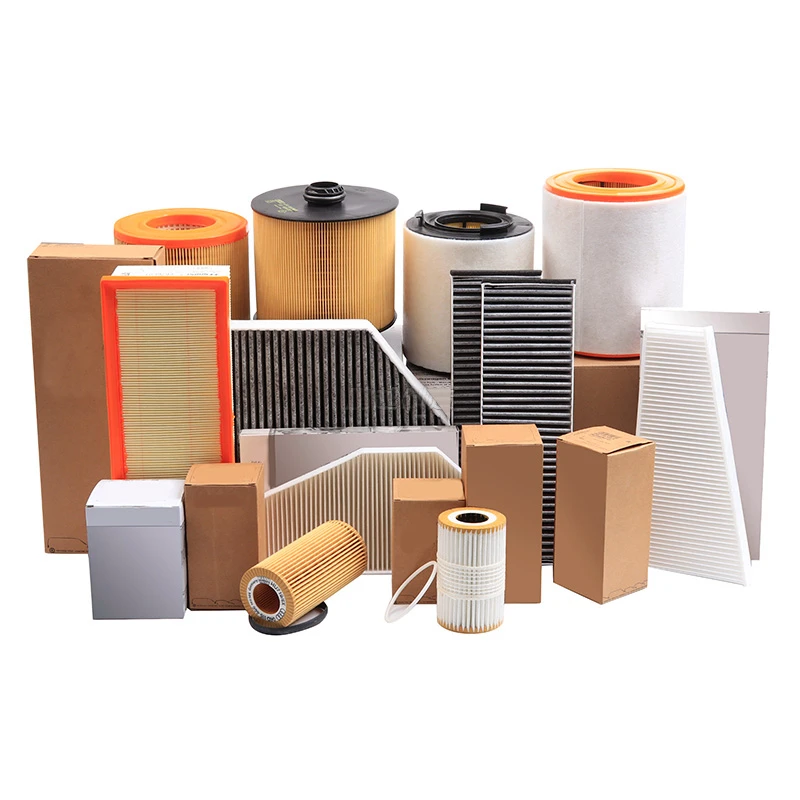
Understanding How Often Should Car Filters Be Changed—and Why It Matters Globally
At first glance, changing car filters might sound like a mundane, mechanical chore, but it actually holds a surprisingly important place in not just vehicle care but environmental and economic health worldwide. Essentially, maintaining clean, efficient filters in your vehicle—whether air, oil, or fuel—can dramatically extend engine life, reduce emissions, and improve fuel efficiency. For millions of drivers across continents, getting the timing of these replacements right means saving money, reducing breakdowns, and even protecting local air quality, a topic that’s increasingly critical in today's eco-conscious communities.
In the bigger picture, understanding how often car filters should be changed is more than just good automotive hygiene; it’s about global sustainability efforts where every bit of efficiency counts. The question “how often should car filters be changed” therefore ties into economy-wide concerns, from urban pollution levels to resource use. It’s a small practice with outsized benefits, and knowing the answer can put you ahead of costly repair bills and unexpected roadside hassles.
The Global Context: Why Timing Your Car Filter Changes Has Worldwide Importance
According to the International Organization for Standardization (ISO), proper vehicle maintenance—including filter replacement—directly impacts emissions standards and fuel consumption, areas that governments globally have been tightening regulations on. The World Bank estimates that urban air pollution could cause more than 6.7 million premature deaths worldwide in 2030 if left unchecked—many linked to vehicle emissions. Clean and efficient engines, supported by fresh filters, are critical in reducing that risk.
Moreover, in developing economies where older vehicles are more common, frequent filter changes can extend vehicle lifespans by thousands of miles—an economic lifeline for many families. Yet, many drivers remain unsure of the optimal intervals to change filters, due to factors like climate, driving habits, and filter types. This industry challenge makes the question “how often should car filters be changed” far from simple, requiring nuanced understanding and accessible info.
What Does “How Often Should Car Filters Be Changed” Actually Mean?
Simply put, the phrase refers to the recommended time or mileage interval when car filters—like air, oil, or fuel filters—should be replaced to ensure optimal engine function and performance. These filters trap harmful particles, dust, and debris preventing them from damaging your engine or polluting emissions.
Modern automobile manufacturers, automotive engineers, and environmental regulators closely link this maintenance habit with high industry standards, mandated fuel efficiency, and emission controls. In practical terms, a well-kept filter means enhanced engine health, reduced carbon footprint, and ultimately a smoother driving experience.
Key Factors That Influence How Often You Should Change Car Filters
1. Type of Filter
Different filters serve different purposes and have varying lifespans:
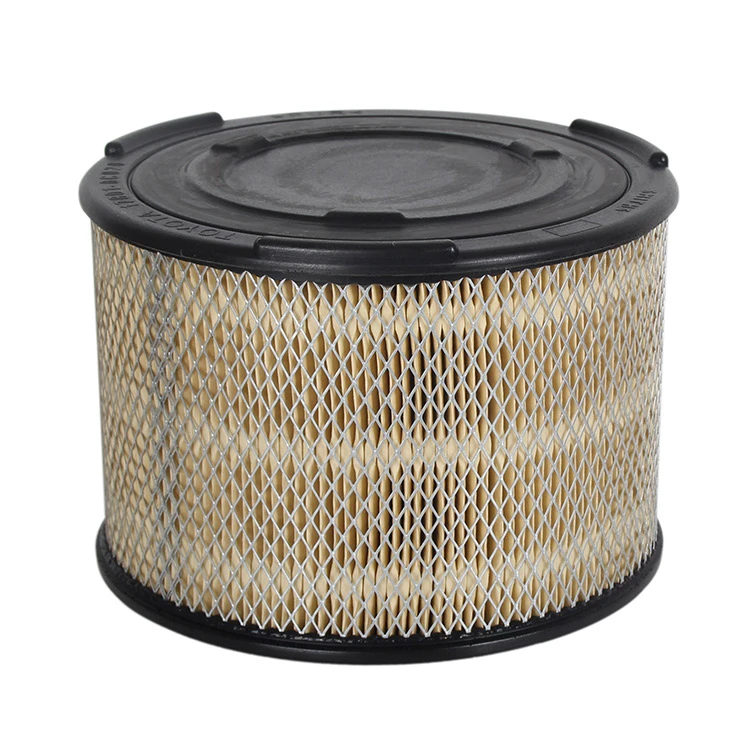
- Engine Air Filters: Typically changed every 12,000 to 15,000 miles.
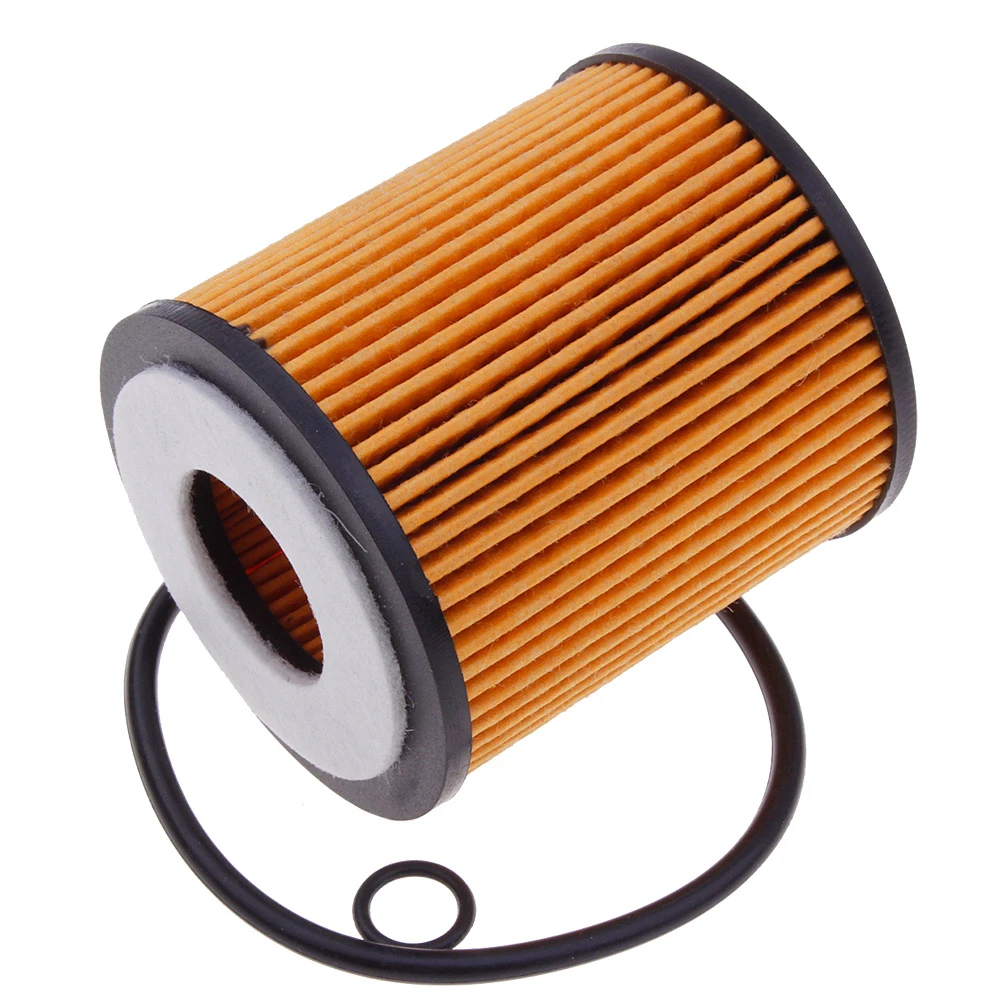
- Oil Filters: Usually replaced with every oil change, roughly every 3,000 to 7,500 miles.
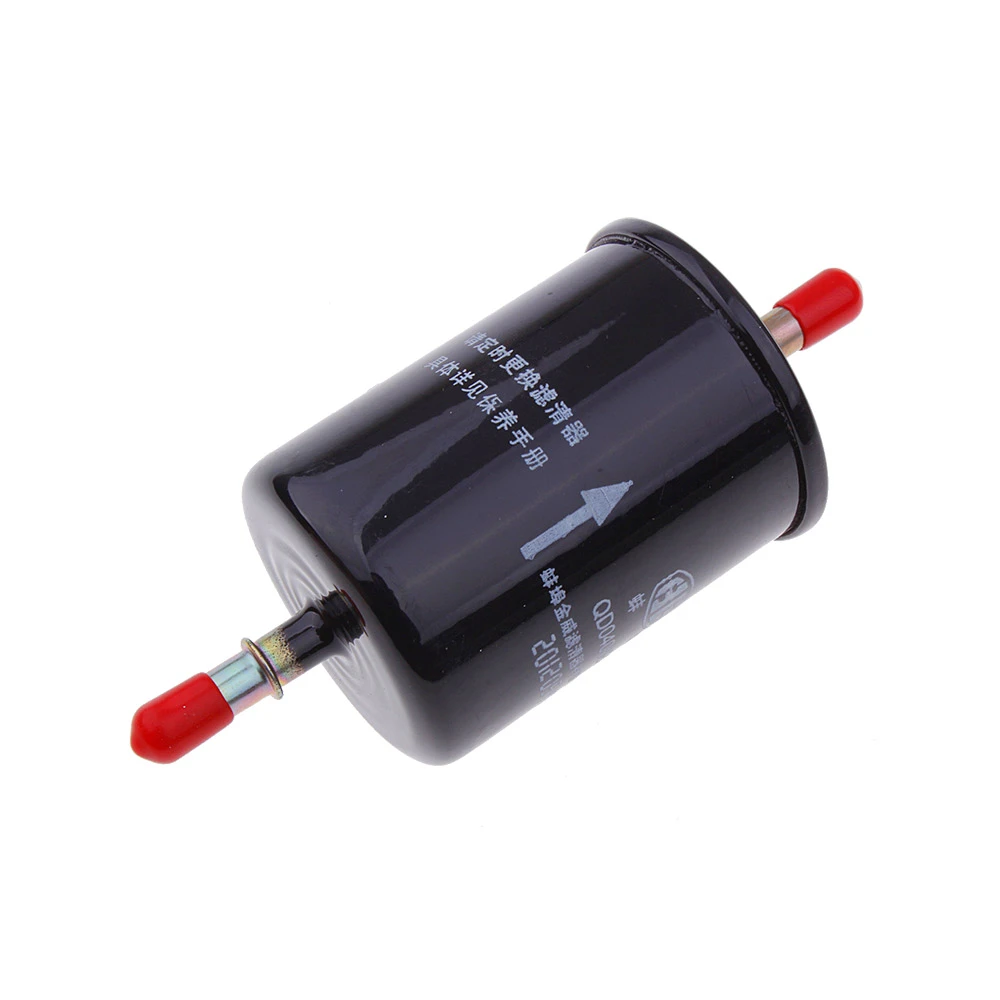
- Fuel Filters: Often recommended every 20,000 to 40,000 miles but vary widely.
Knowing your filter type helps tailor maintenance to your specific needs.
2. Driving Conditions
Dusty, urban, or stop-and-go driving conditions clog filters faster. For example, in arid regions where dust swirls constantly, air filters may need changing twice as often. On highways, you might push the interval longer.
3. Vehicle Make and Model
Many newer cars have sensors or filter indicators. Some brands recommend stricter schedules due to sensitive engine electronics and turbochargers.
4. Manufacturer Guidelines vs. Real-World Use
While manuals offer a baseline, the practical truth often involves adjusting based on personal driving habits and local environment, much like how how often should car filters be changed can vary.
5. Quality of the Replacement Filter
OEM (original equipment manufacturer) filters and high-quality aftermarket options last longer or perform better, influencing replacement frequency.
6. Economic Factors
Cost constraints sometimes delay filter changes—an expensive gamble with potential costs later. Balancing this is essential for smart vehicle maintenance.
Typical Product Specifications of Popular Car Filters
| Filter Type | Recommended Change Interval | Material | Typical Cost (USD) | Lifespan (Miles) |
|---|---|---|---|---|
| Engine Air Filter | 12,000 - 15,000 mi | Pleated Paper / Foam | $15 - $30 | 12,000 - 15,000 |
| Oil Filter | 3,000 - 7,500 mi | Metal Canister / Paper | $5 - $20 | 3,000 - 7,500 |
| Fuel Filter | 20,000 - 40,000 mi | Metal / Composite | $25 - $60 | 20,000 - 40,000 |
Global Applications and Who Benefits Most
Various industries and regions see measurable benefits from optimized filter maintenance schedules. In Europe, where emission standards like Euro 6 push for ultra-clean vehicles, fleets regularly monitor filter status electronically. In parts of Asia and Africa, extending engine life via timely filter changes directly supports trade transport reliability on rough roads.
In disaster response, organizations rely on well-maintained vehicles to reach affected areas. Clean filters reduce failure risks during critical missions. Similarly, remote mining operations in Australia or Canada use strict maintenance protocols to avoid downtime, making filter replacements part of their core operating efficiency strategy.
Comparing Leading Vendors of Car Filters
| Vendor | Range of Filters | Price Range | Warranty | Availability |
|---|---|---|---|---|
| Bosch | Air, Oil, Fuel Filters | $15 - $60 | 1 year | Global |
| Mann+Hummel | All Filter Types + Cabin Filters | $20 - $75 | 2 years | Global |
| Fram | Primarily Oil and Air Filters | $10 - $40 | 6 months - 1 year | North America, Europe |
Advantages & Long-Term Value of Regular Car Filter Maintenance
Consistent filter changes yield significant cost savings by preventing engine damage, reducing fuel consumption, and complying with emission laws. There’s also an emotional comfort in knowing your car won’t suddenly cough and stop on a highway. Many drivers I’ve talked to swear by their filter checks as the unsung hero of hassle-free vehicle ownership.
Sustainability-wise, fewer emissions and less engine strain mean a smaller carbon footprint. Socially, maintaining car health reduces roadside rescue costs and contributes to safer, cleaner communities. It’s an act of care that extends beyond the individual vehicle.
Emerging Trends & The Future of Car Filter Replacement
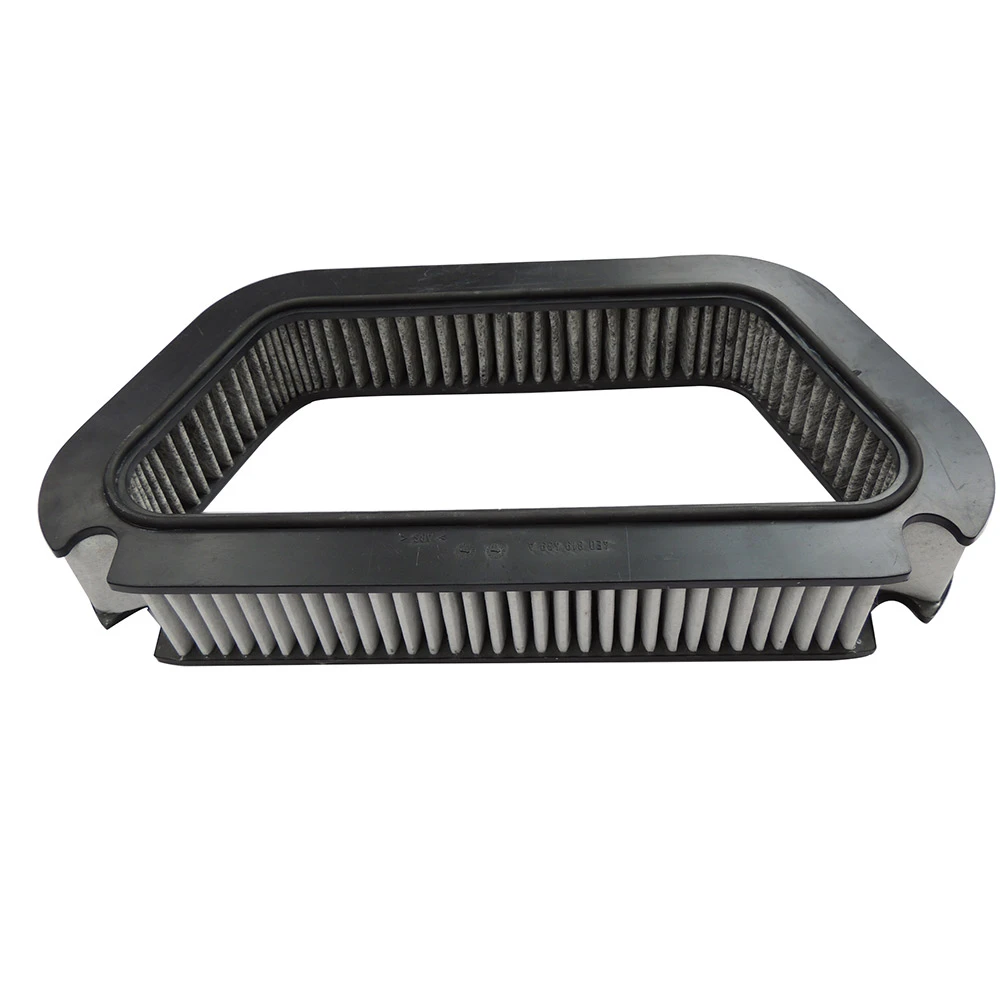
Technology marches forward. We’re seeing filters made from nanofiber materials that last longer and block finer particles. Digitally connected cars now alert owners when filters degrade, moving maintenance toward predictive models.
Electrification may reduce some traditional filters’ roles but introduces new filtration challenges for battery cooling and cabin air quality. Environmental policies increasingly demand bio-degradable materials and sustainable disposal methods for old filters.
Automation and AI-driven servicing centers might soon make guessing “how often should car filters be changed” obsolete altogether—a shift toward precision maintenance that feels oddly futuristic but perfectly natural.
Challenges & Solutions in Filter Maintenance Practices
Common hurdles include misinformation on intervals, poor filter quality flooding markets, and environmental disposal issues. Many car owners simply forget or underestimate the cost impacts of neglect.
Experts suggest clearer guidelines personalized by vehicle telematics and better consumer education. Plus, affordable, OEM-grade filter options are becoming more available. Recycling programs for used filters are growing, tackling ecological concerns head-on.
FAQ: Frequently Asked Questions About How Often Should Car Filters Be Changed
Q1: How can I tell when my car’s air filter needs replacing?
A1: Look for reduced fuel economy, unusual engine sounds, or visible dirt on the filter. Many newer cars have dashboard warnings. Otherwise, check every 12,000 to 15,000 miles or more often in dusty conditions.
Q2: Are aftermarket filters as good as OEM ones?
A2: Quality varies widely. High-grade aftermarket filters can be comparable or better than OEM, but cheap knockoffs often underperform and wear out quickly. Always buy from reputable brands.
Q3: Does changing the oil filter with every oil change really matter?
A3: Yes—the oil filter traps contaminants that degrade engine oil. Skipping oil filter replacements risks engine damage and reduced oil effectiveness. It’s a small cost with big benefits.
Q4: Can dirty fuel filters affect my car’s performance?
A4: Absolutely—clogged fuel filters restrict fuel flow, causing poor acceleration, engine hesitation, or even stalling. Changing fuel filters as recommended ensures smooth engine operation.
Q5: Where can I find reliable info about my car’s filter replacement intervals?
A5: Start with your vehicle’s owner manual, then visit trusted automotive sites or manufacturers’ pages like https://www.jyfilter.com. Service centers with diagnostic tools can also guide you accurately.
Conclusion
Knowing exactly how often car filters should be changed can feel like navigating a maze, but it’s a critical piece of automotive wisdom with far-reaching benefits. From saving you money and prolonging your engine’s life to contributing to cleaner air and compliance with environmental standards, timely filter maintenance is one of those small actions with surprisingly powerful results.
So don’t wait until your car coughs to action this—it’s part of responsible ownership that makes a difference. Visit https://www.jyfilter.com today to get expert advice, product info, and maintenance tips.
References
-
Guide on how often do you need to replace engine air filterNewsApr.16,2026
-
Learn how often do you replace air filter in car for engine healthNewsApr.09,2026
-
How Often Do You Replace Car Air Filter For Optimal Engine PerformanceNewsApr.07,2026
-
How Often Do You Replace Engine Air Filter For Optimal Vehicle PerformanceNewsApr.04,2026
-
Understanding How Often Does Engine Air Filter Need to Be Replaced for Optimal PerformanceNewsMar.31,2026
-
How Often Engine Air Filter Change Impacts Performance and LongevityNewsMar.28,2026
-
Understanding How Often to Replace Your Car Air Filter for Optimal PerformanceNewsMar.26,2026
Related Products