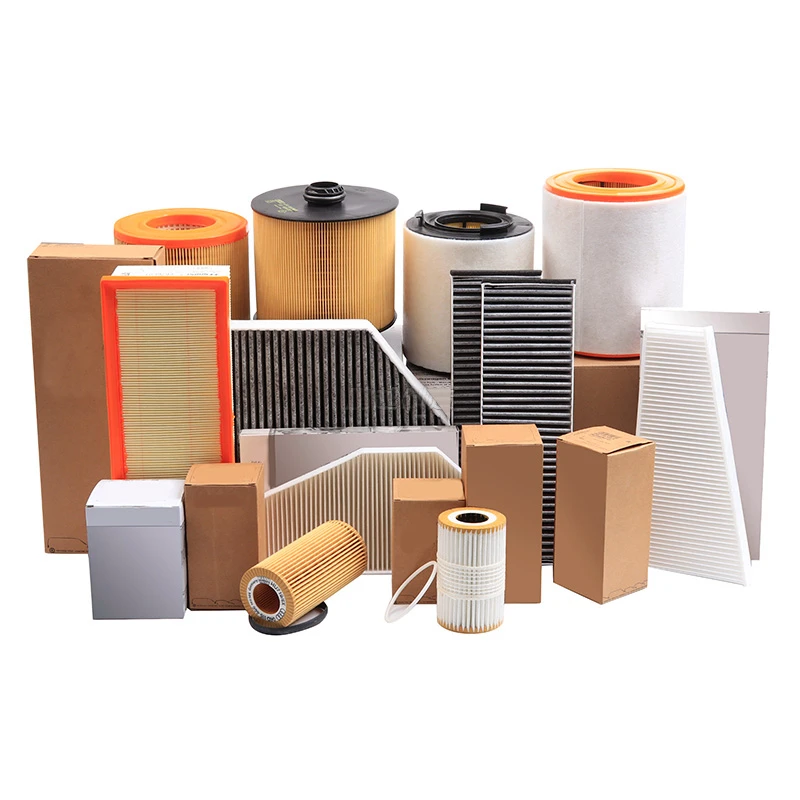
Understanding How Often Should I Change Car Cabin Air Filter — Why It Really Matters
Let’s start by cutting to the chase: knowing how often should i change car cabin air filter isn’t just for the occasional car enthusiast or those odd maintenance checklists. It’s about your health, comfort, and even your car’s longevity. If you’ve ever wondered why the air inside your car sometimes smells a bit “off” or why your defogger seems to struggle in moist weather, well, your cabin air filter might be the culprit.
Globally, as vehicle populations rise—World Bank data estimates 1.4 billion cars worldwide by 2030—the significance of maintaining clean cabin air has grown tremendously. Indoor air quality isn’t just a home priority; it’s crucial in transport spaces too, since many spend hours daily commuting. The right filter maintenance combats allergens, dust, smog, and even viruses circulating inside your vehicle.
Mini takeaway: Keeping tabs on your cabin air filter mostly means cleaner breathing and a more enjoyable drive, all while protecting your vehicle’s HVAC system from costly damage.
Why Tracking Your Car's Cabin Air Filter Replacement Is More Than Just Routine
Before diving deeper, here’s the bigger picture. The automotive industry worldwide is increasingly aware of air quality concerns—both inside and outside vehicles. Organizations like ISO have set standards for air filtration, and with rising urban air pollution (WHO reports nearly 7 million deaths yearly linked to air quality), cabin air filter replacements are not trivial chores—they’re health interventions.
But here’s the snag: many drivers don’t realize they’re inhaling all sorts of pollutants on their daily commutes. A clogged or old cabin filter can reduce airflow, fog up windows faster, and let stubborn odors mask the interior.
Experts suggest understanding the frequency of changing cabin filters can tackle this repeatedly overlooked problem.
What Is a Cabin Air Filter, Anyway?
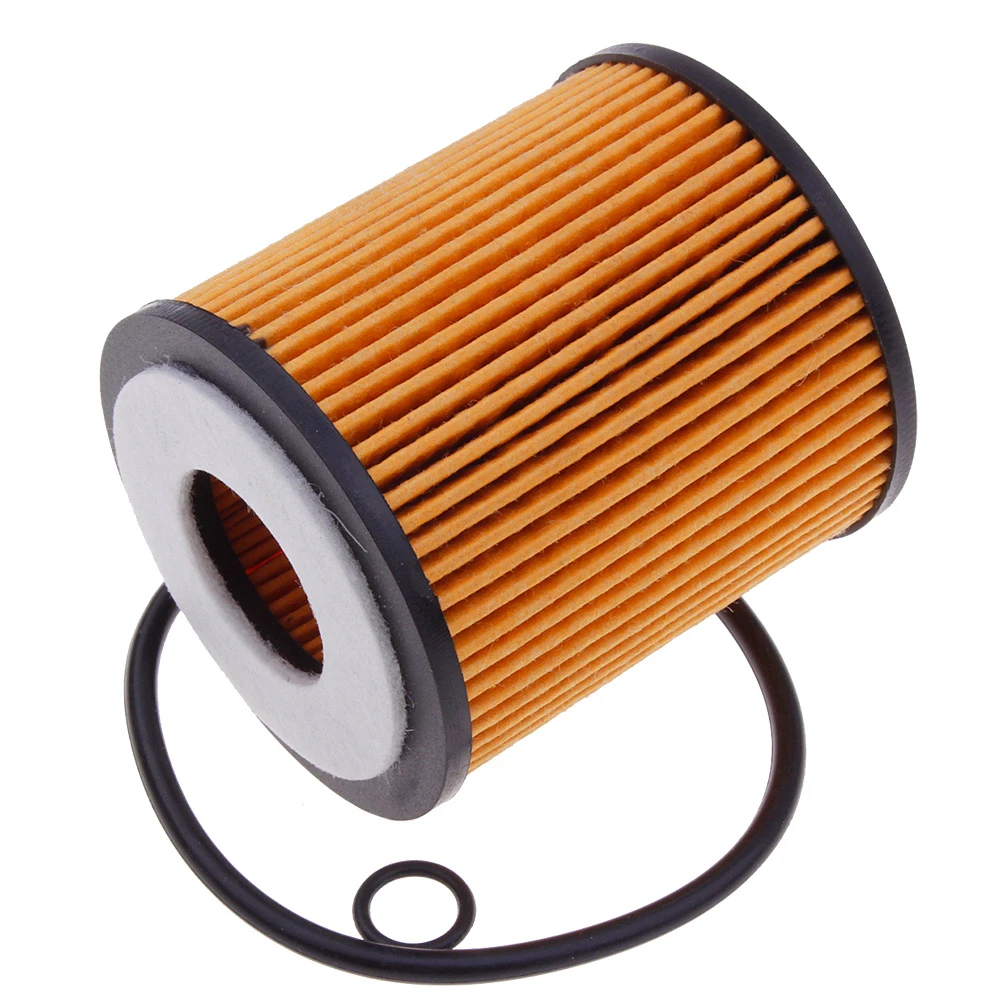
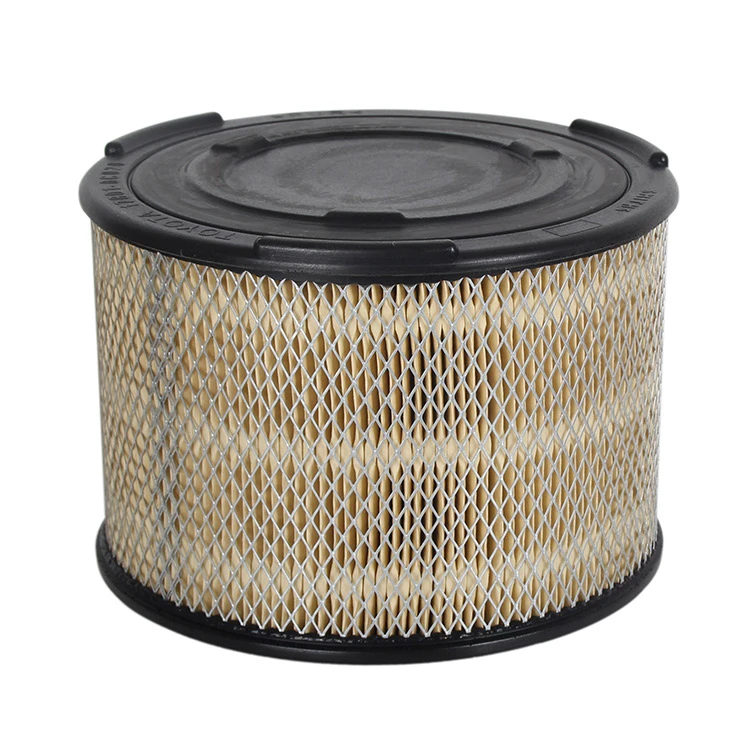
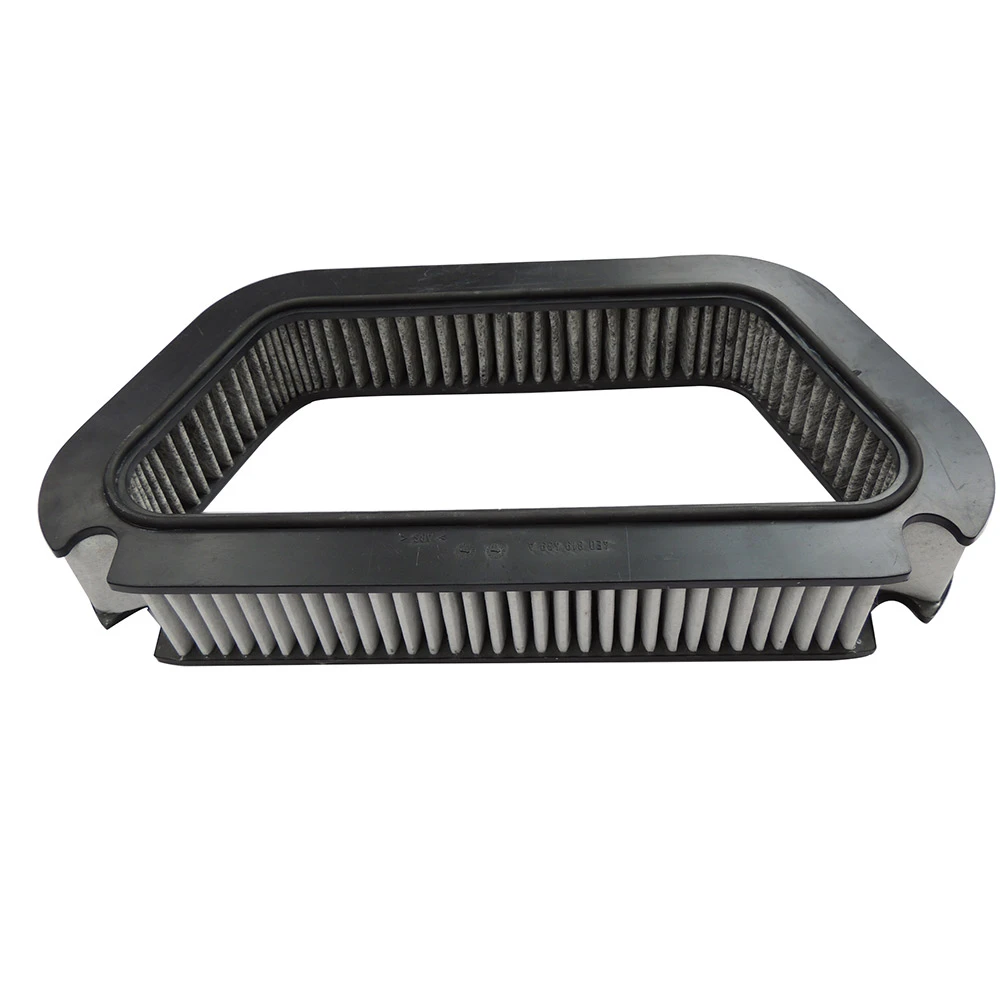
Simply put, a cabin air filter is a mesh or pleated panel inside your vehicle’s ventilation system. Its job is to trap dust, pollen, mold spores, urban smog particles, and other airborne nasties before they reach your nose. Coming in various qualities—from simple particle filters to activated carbon versions—they help ensure the air you breathe is fresh and less irritating.
As cars become increasingly sophisticated, cabin filters also support climate control systems by preventing dust buildup that can hamper heating or cooling efficiency. They’re small but undeniably mighty components.
What Impacts How Often You Should Change a Cabin Air Filter?
1. Driving Environment
Urban commuters surrounded by traffic, exhaust fumes, and construction dust need to swap filters more often than countryside cruisers. Roughly every 12,000 to 15,000 miles is common, but heavy city pollution can shorten lifespan dramatically.
2. Filter Type and Quality
Basic paper filters will clog faster than high-end activated carbon ones, which trap odors better and last longer. Investing a little more upfront pays off.
3. Seasonal and Weather Conditions
Spring brings a pollen blitz, increasing the filter’s workload, while dusty dry seasons add grit. Alternating seasonal changes may require more frequent checks.
4. Vehicle Use and Age
If your car idles often in traffic or ages over ten years, filters can degrade differently—distinct from daily highway driving.
5. Manufacturer Recommendations
Always a good baseline: check your car manual or dealer advice, but be ready to adjust based on your personal conditions.
Mini takeaway: No “one size fits all.” Understanding these factors helps you avoid waiting until you sniff foul air or see mechanical signs to replace your cabin air filter.
How Changing Your Cabin Air Filter Plays Out Worldwide
From megacities in India battling heavy smog to snow-covered European towns where interior heating runs constantly, cabin air filters serve a universal purpose. Even in northern Canada, where pollen might be scarce, dust and mold spores lurking in damp conditions prompt routine changes.
Automotive industries in Japan and Germany emphasize frequent cabin air filter maintenance as part of precision vehicle care, often tying it to warranty and resale value benefits. NGOs working in remote and disaster-prone zones find that reliable cabin air filters in vehicles improve occupant health during long relief missions in dusty or smoky air environments.
| Global Region | Typical Filter Change Interval | Key Air Quality Concerns |
|---|---|---|
| Urban Asia (e.g., New Delhi, Beijing) | 8,000 – 12,000 miles (13,000–19,000 km) | High particulate matter, smog, pollen |
| Europe (e.g., Germany, France) | 12,000 – 15,000 miles (19,000–24,000 km) | Pollen, mold spores, vehicle emissions |
| North America (urban areas) | 12,000 – 15,000 miles (19,000–24,000 km) | Dust, allergens, pollen |
| Rural / Low Pollution Areas | 15,000 – 20,000 miles (24,000–32,000 km) | Dust, minimal pollutants |
Mini takeaway: Location matters—a lot. Adjusting your cabin air filter maintenance strategy by regional air quality can save you money and health headaches.
Advantages of Regular Cabin Air Filter Replacement
- Healthier Air: Reduces allergens, smog, and micro-pollutants entering the vehicle, protecting sensitive respiratory systems.
- Improved HVAC Performance: Clean filters keep ventilation running smoothly, improving defogging and heating efficiency.
- Fuel Economy: When airflow to the HVAC system is unblocked, your car runs more efficiently, saving gas.
- Cost Savings: Avoid expensive repairs due to particles clogging your air system or knocking sensors out of whack.
- Enhanced Comfort: Eliminate odors, dust buildup, and stuffy cabin experiences—nice for passengers and drivers alike.
There’s also peace of mind involved—knowing you’re not unwittingly breathing in all those invisible nasties while driving.
Look Ahead: Innovations Shaping Cabin Air Filters
The future of cabin air filters is getting smarter and greener. Manufacturers are experimenting with:
- Antimicrobial Filters: Killing bacteria and viruses, especially relevant post-pandemic.
- Nanofiber Technology: Ultra-thin, highly efficient filters that don’t choke airflow.
- Smart Sensors: Digital monitors alerting drivers exactly when to change filters based on air quality data.
- Sustainable Materials: Biodegradable or recyclable filter media responding to environmental concerns.
Automakers are beginning to integrate these advancements into electric and autonomous vehicles, emphasizing health and efficiency in a paradigm shift.
Tackling Common Challenges in Cabin Air Filter Maintenance
One major issue is lack of awareness—many forget or don’t even know they have a cabin filter. Others may find replacement kits incompatible or pricey at dealerships. Also, self-servicing can be tricky on some models, deterring timely upkeep.
Experts suggest practical tips:
- Check your manual and make a habit out of filter inspection.
- Buy quality aftermarket filters from trusted vendors.
- Consider professional maintenance when unsure.
Manufacturers aim to simplify filter designs and improve accessibility, but until then, a little diligence goes a long way.
FAQ: Common Questions About Changing Car Cabin Air Filters
- How often should i change car cabin air filter for city driving?
- For heavy urban driving, generally every 12,000 miles or roughly once a year. However, if you notice reduced airflow or musty odors earlier, check it sooner.
- Can a dirty cabin air filter affect car performance?
- Indirectly, yes. A clogged filter makes the HVAC work harder, possibly increasing fuel consumption and causing unpleasant odors or fogged windows.
- Is it difficult to replace a cabin air filter myself?
- Depends on your vehicle model. Some filters are easily accessible behind the glovebox; others require tools. Your car’s manual or a quick online guide helps greatly.
- Do all cars use the same size cabin air filter?
- No, sizes and types vary widely by manufacturer and model. Be sure to buy the correct size based on your car specs.
- Are premium activated carbon filters worth the extra cost?
- For those with allergies or driving in polluted environments, yes. They absorb odors and trap finer particles better than standard filters.
Final Thoughts: Why Timing Your Cabin Air Filter Change Counts
Ultimately, how often should i change car cabin air filter comes down to understanding your environment, vehicle, and personal needs. A fresh cabin filter means better health, improved system efficiency, and enhanced driving comfort—basically a simple win in the daily routine.
Don’t just wait until an annoying smell or sticky windshield forces the issue. Stay ahead with a maintenance habit that honors both your car’s wellbeing and your own.
Feel free to explore more tips on how often should i change car cabin air filter and other practical car care insights.
| Specification | Typical Range | Unit / Notes |
|---|---|---|
| Replacement Interval (Urban Driving) | 8,000 - 12,000 | Miles |
| Replacement Interval (Rural Driving) | 15,000 - 20,000 | Miles |
| Filter Material Types | Paper, Activated Carbon, Nano-fiber | Varies by product |
| Average Cost | $15 - $45 | Depending on brand & type |
| DIY Replacement Difficulty | Easy to Moderate | Model dependent |
| Vendor | Filter Type | Price Range | Warranty | Special Features |
|---|---|---|---|---|
| PureAir Filters | Activated Carbon | $25-$40 | 2 years | Odor elimination, allergen trapping |
| EcoFilt | Recyclable Paper Blend | $15-$25 | 1 year | Eco-friendly, biodegradable |
| NanoGuard | Nanofiber Material | $30-$45 | 3 years | High efficiency with thin profile |
Checking your cabin air filter is perhaps one of those small maintenance tasks that doesn’t feel urgent but often pays dividends in comfort and safety. So next time you’re tempted to skip it—or ignore that weird smell—remember, fresh air is just a filter change away.
References:
-
Guide on how often do you need to replace engine air filterNewsApr.16,2026
-
Learn how often do you replace air filter in car for engine healthNewsApr.09,2026
-
How Often Do You Replace Car Air Filter For Optimal Engine PerformanceNewsApr.07,2026
-
How Often Do You Replace Engine Air Filter For Optimal Vehicle PerformanceNewsApr.04,2026
-
Understanding How Often Does Engine Air Filter Need to Be Replaced for Optimal PerformanceNewsMar.31,2026
-
How Often Engine Air Filter Change Impacts Performance and LongevityNewsMar.28,2026
-
Understanding How Often to Replace Your Car Air Filter for Optimal PerformanceNewsMar.26,2026
Related Products