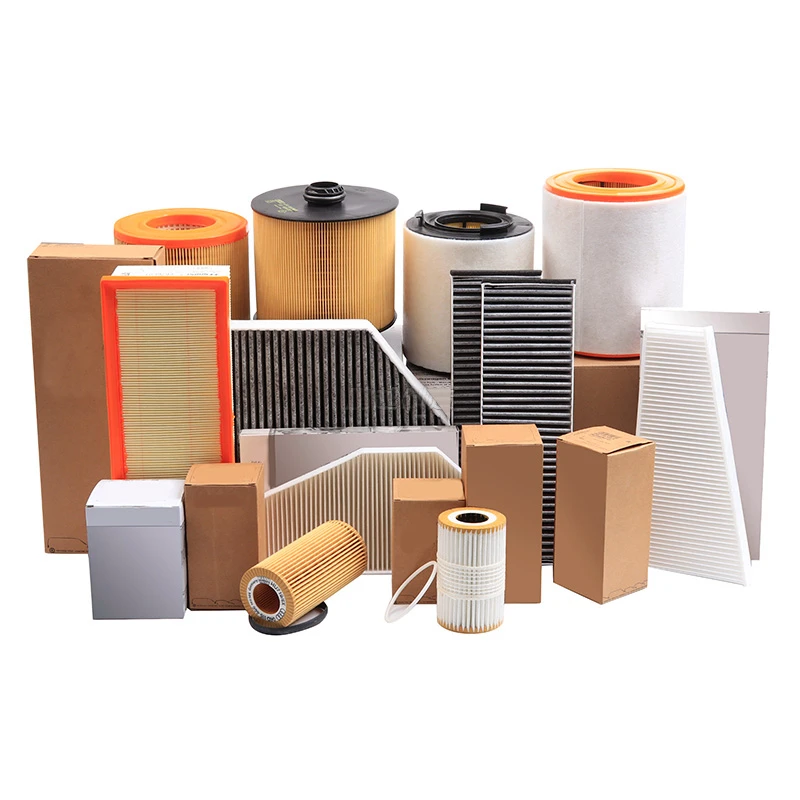
Understanding How Often Should Car Cabin Filter Be Changed: Why It Matters
Car cabin filters, though often overlooked, play a crucial role in ensuring the air quality inside your vehicle remains clean and safe. But just how often should car cabin filter be changed? It’s a practical question with global significance, touching on health, environmental concerns, and vehicle maintenance costs.
Worldwide, urban air pollution affects millions — the World Health Organization estimates over 90% of the global population lives in areas exceeding WHO air quality guidelines. It’s no surprise that cabin filters have become essential in modern vehicles, acting as the first line of defense against dust, pollen, harmful gases, and even microorganisms. Understanding when to replace these filters ensures drivers and passengers breathe fresh air, reducing respiratory ailments and enhancing driving comfort.
Why Timing Your Car Cabin Filter Replacement Truly Makes a Difference
Modern automotive industries, aligned with ISO standards on vehicle safety and emissions, stress preventive maintenance like changing cabin air filters regularly. The global automotive aftermarket is expected to reach USD $1 trillion by 2027, and within it, air quality control components hold a critical share. Yet many challenges remain: from varying pollution levels across regions to discrepancies in manufacturer recommendations.
Frankly, I’ve seen folks assume their cabin filter lasts “forever” until a musty smell or foggy windows yell otherwise. The impact? Polluted cabin air reduces in-vehicle comfort, strains HVAC systems, and can increase allergy symptoms or worse.
What Does 'How Often Should Car Cabin Filter Be Changed' Really Mean?
Simply put, this question asks for the recommended interval to swap out the filter inside your car’s ventilation system that traps outside contaminants. It’s tied closely to vehicle usage, environment, and filter quality. In humanitarian or emergency transport vehicles, for example, maintaining air purity can be lifesaving — preventing airborne diseases in confined spaces.
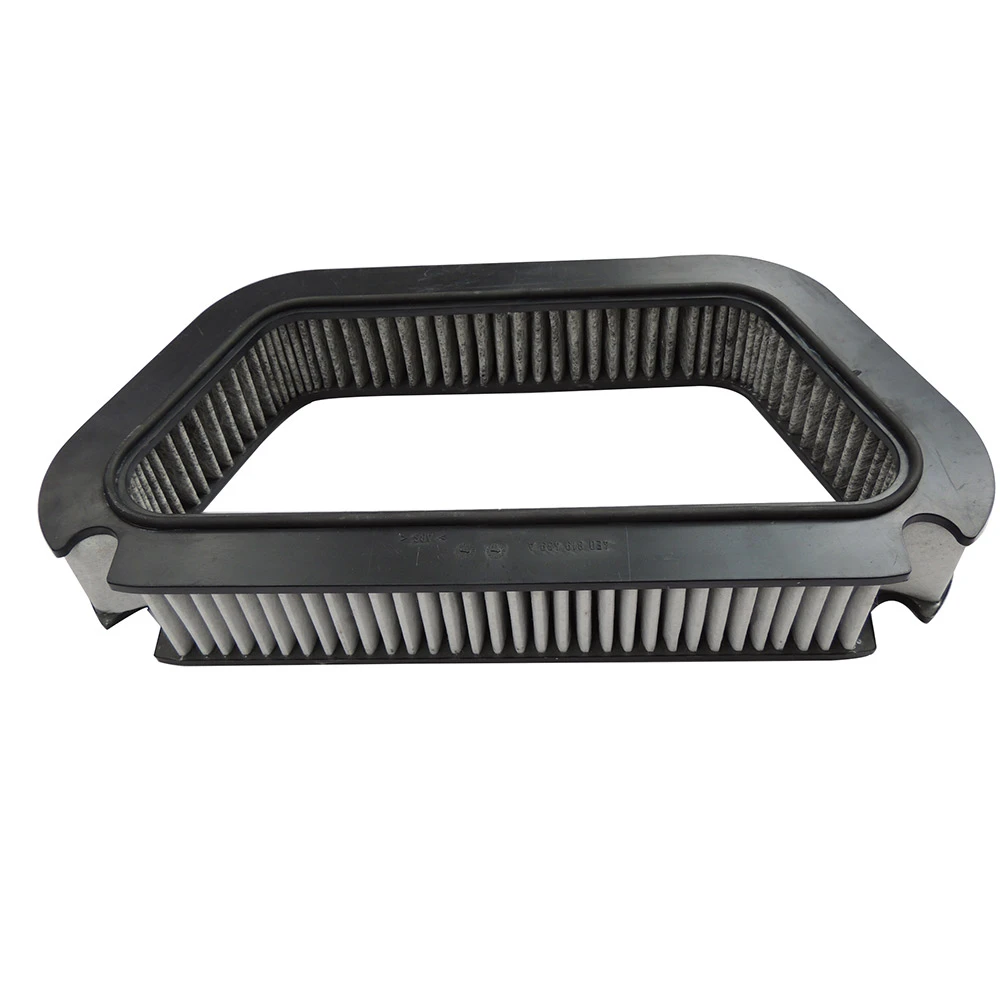
Since cabin filters can be made of activated carbon, synthetic fibers, or HEPA-type materials, their efficiency and lifespan vary. Thus, knowing the ideal replacement timeframe is vital for both day-to-day drivers and professionals relying on clean air systems.
Core Factors That Influence Your Cabin Filter’s Changing Cycle
1. Environmental Conditions
If you’re driving through dusty terrains, industrial zones, or during high pollen seasons, filters clog up faster. Cities with heavy smog or a lot of particulate pollution demand more frequent changes compared to rural roads.
2. Vehicle Usage Patterns
Daily commuters vs. occasional drivers: the former puts more strain on the filtering system. Longer trips also accumulate more airborne pollutants. Cabin filters in commercial vehicles see different wear than family sedans.
3. Filter Material & Build
Basic paper-based filters may last 12,000 to 15,000 miles, while premium ones, especially activated carbon blends, can push up to 20,000 miles or more. Some advanced filters even add allergen-neutralizing layers.
4. Manufacturer & Maintenance Guidelines
Most carmakers suggest inspecting or changing filters every 12 months or so, but consult your owner’s manual. Again, your mileage and environment might mean adjusting this schedule.
5. Signs & Alerts
Sometimes, it’s more art than science. Reduced airflow from vents, unpleasant odors, or dusty windows can signal it’s time to swap the filter.
Real-World Examples of Cabin Filter Maintenance Impact
In Europe, where air quality regulations are stringent, drivers often follow manufacturer schedules strictly, appreciating the comfort and health benefits. In Asian mega-cities like Delhi or Beijing, frequent dust storms and vehicle emissions make changing cabin filters a monthly or quarterly task for many.
NGOs operating in post-disaster relief missions emphasize clean cabin air since vehicles often double as temporary shelters or transport critical patients. Remote industrial zones, say mining operations in Australia or Canada, face heavy dust loads, requiring robust filters changed on tighter schedules.
Taxi and rideshare drivers in large metropolitan areas have also reported health improvements after adopting a routine cabin filter replacement regime.
Why Regular Cabin Filter Changes Pay Off Long-Term
- Enhanced Air Quality & Health: Filtering pollutants reduces allergy triggers and respiratory risks.
- Protects HVAC System: Clean filters reduce strain on your heating and cooling systems, preventing costly repairs.
- Improved Visibility & Comfort: Less fogging on windows and fresher interiors improve safety and driving pleasure.
- Cost Efficiency: Regular replacement avoids damage and preserves vehicle resale value.
On an emotional note, nothing beats driving with fresh, clean air — it’s like a small daily luxury we often take for granted.
Product Specification Table: Typical Cabin Filter Features
| Specification | Standard Filter | Premium Activated Carbon | HEPA Upgrade |
|---|---|---|---|
| Material | Paper fiber | Carbon-embedded synthetic | HEPA-grade synthetic fibers |
| Typical Lifespan | 12,000-15,000 miles | 15,000-20,000 miles | Up to 25,000 miles |
| Airborne Particle Filtration | ~70% efficiency | ~85% efficiency | >99% efficiency |
| Additional Features | Basic dust blocking | Odor & gas absorption | Allergen & microbe filtration |
Vendor Comparison: Choosing the Right Cabin Filter Supplier
| Vendor | Filter Types Offered | Average Cost | Warranty | Special Services |
|---|---|---|---|---|
| AirPure Filters Co. | Standard & Activated Carbon | $15-$30 | 1 year | Bulk discounts, rapid delivery |
| EcoCar Filters Ltd. | Premium Carbon & HEPA | $25-$50 | 2 years | Custom sizes, eco-friendly packaging |
| DriveSafe Components | Standard only | $10-$20 | 6 months | Warranty replacement, DIY kits |
Innovations and Future Trends in Cabin Filter Maintenance
Looking ahead, smart cabin filters embedded with sensors that monitor pollutant levels and filter health are gaining traction. Imagine your car dashboard alerting you in real-time when it’s time to change your filter — that future isn’t far off.
Materials are evolving too. Biodegradable and recyclable filter media are being developed to reduce environmental footprints. Plus, integration with green vehicle design offers a path to holistic air quality management inside electric or autonomous cars.
Tackling Common Challenges With Filter Replacement
Despite guidelines, many vehicle owners neglect changing cabin filters. Reasons range from “out of sight, out of mind” to confusion about what product to buy, or even difficulties in accessing the filter compartment. Thankfully, modular designs and clearer manufacturer instructions are making changes easier.
Expert mechanics recommend post-season check-ups and embedding filter replacements into regular vehicle servicing schedules. For commercial fleets, automated maintenance logs tied to telematics data can provide precise replacement alerts — a smart solution in today’s connected world.
FAQs: How Often Should Car Cabin Filter Be Changed?
- Q: How often should a cabin air filter be replaced for city driving?
- A: Generally, for urban drivers in moderate pollution, replacing the cabin filter every 12,000 to 15,000 miles (about once a year) is recommended. However, if you live in high-smog areas, shorter intervals may be necessary.
- Q: Can a dirty cabin filter affect my car’s air conditioning system?
- A: Yes, a clogged filter restricts airflow, forcing the HVAC system to work harder. This may cause reduced cooling/heating efficiency and eventual wear on system components.
- Q: What are signs that my cabin filter needs changing?
- A: Watch for musty or moldy odors, reduced airflow through vents, window fogging, or visible dust inside the cabin. These are telltale signs the filter has reached the end of its life.
- Q: Are premium cabin filters worth the extra cost?
- A: Premium filters with activated carbon or HEPA provide enhanced filtration, especially in polluted areas or for allergy sufferers. While costlier upfront, they may improve in-car air quality and last longer.
- Q: Can I change the cabin filter myself?
- A: Many vehicles allow easy access to the cabin filter, often behind the glove compartment. DIY replacement can save costs, but consult your vehicle manual and use the correct filter type for best results.
In Conclusion: Why Stay Ahead on Your Cabin Filter Replacement?
Understanding how often should your car cabin filter be changed transcends mere maintenance—it’s about health, comfort, and vehicle longevity. With varying environments and vehicle uses worldwide, adapting replacement schedules to your unique needs is smart. After all, in-car air quality directly influences the driving experience and wellbeing.
So, don't wait until your windows fog up or allergies flare. Make filter replacement a simple habit. For detailed guidance and quality cabin filters, visit us at how often should car cabin filter be changed.
References
-
Guide on how often do you need to replace engine air filterNewsApr.16,2026
-
Learn how often do you replace air filter in car for engine healthNewsApr.09,2026
-
How Often Do You Replace Car Air Filter For Optimal Engine PerformanceNewsApr.07,2026
-
How Often Do You Replace Engine Air Filter For Optimal Vehicle PerformanceNewsApr.04,2026
-
Understanding How Often Does Engine Air Filter Need to Be Replaced for Optimal PerformanceNewsMar.31,2026
-
How Often Engine Air Filter Change Impacts Performance and LongevityNewsMar.28,2026
-
Understanding How Often to Replace Your Car Air Filter for Optimal PerformanceNewsMar.26,2026
Related Products