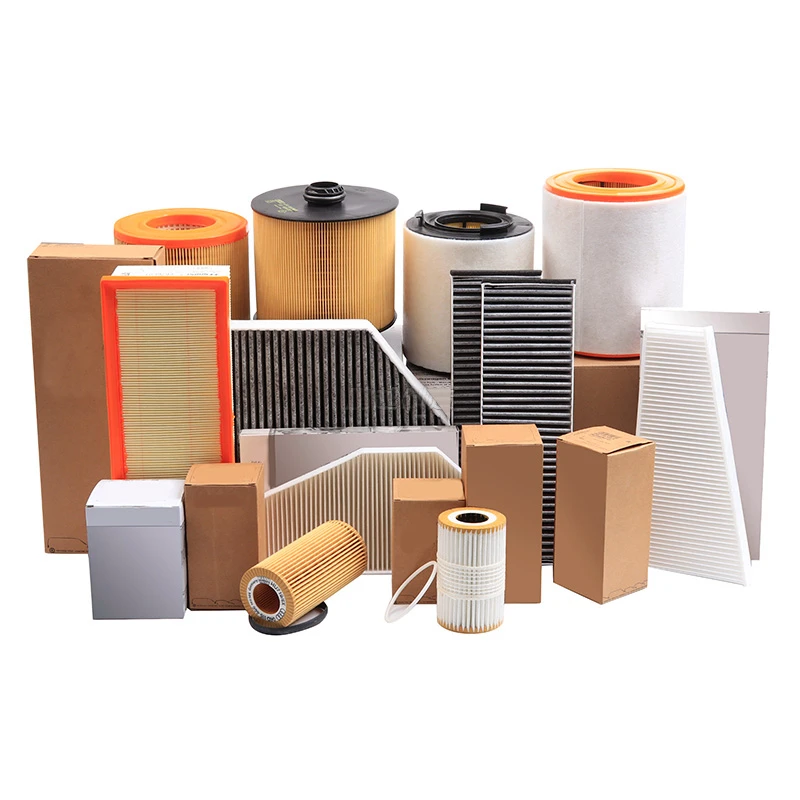
How Often Should a Car Cabin Filter Be Replaced? Understanding the Why and When
Car cabin filters might be one of those overlooked but crucial parts of your vehicle's health. Simply put, they’re the unsung heroes protecting you and your passengers from a cocktail of airborne pollutants, dust, pollen, and even odors while driving. But just like any filter working overtime, they get clogged and stop doing their job properly — which is why knowing how often should a car cabin filter be replaced matters, not just for comfort but for health and safety.
The global conversation around air quality and personal health keeps growing, and cars aren’t exempt from this focus. According to the World Health Organization, ambient air pollution contributes to millions of premature deaths each year. Combine that with the fact that many people spend an average of 1 hour a day inside their vehicles, and the importance of clean air there is undeniable. That’s what makes regularly replacing your car’s cabin filter a small, practical step with surprisingly broad benefits.
Introduction: Why Timing for Replacing Cabin Filters Is a Global Issue
Globally, the auto industry is pushing toward sustainability, cleaner emissions, and safer travel environments. The ISO 16000 series and other air quality standards emphasize the need for filtering particulates indoors—and in vehicles, that means your cabin filter. Industrialized and developing regions alike face vehicle pollution challenges, from fine dust in Beijing to pollen-heavy air in Europe and North America.
Here's the problem: despite the importance, many drivers miss timely replacements. This can result in reduced HVAC performance, increased allergens inside the cabin, and ultimately a diminished driving experience. Frankly, it’s an easy fix most of us neglect.
What Exactly Does “How Often Should a Car Cabin Filter Be Replaced” Mean?
Put simply, this phrase refers to recommended intervals on when to remove your car’s existing cabin air filter and put in a new one. Cabin filters trap airborne particles entering the ventilation system, improving cabin air quality (CAQ). Automakers often suggest replacement every 12,000 to 15,000 miles, but that’s a general guide — environmental variables often dictate actual timing.
In transport industries and humanitarian efforts, such as disaster relief, maintaining clean cabin air filters ensures that field teams breathe safer air in difficult environments. So, it's not only a convenience for everyday drivers but a health safeguard in critical operations worldwide.
Key Factors Influencing How Often Cabin Filters Should Be Changed
1. Environmental Conditions
If you’re in a dusty, pollen-heavy, or urban smog-prone environment, filters clog faster. Think desert regions or industrial zones where particulate matter is rampant. You'll need to swap filters more frequently to maintain fresh airflow.
2. Driving Habits
Highway cruising vs. stop-and-go city traffic also affects filter life. City drivers are more likely exposed to pollutants trapped in air pockets, accelerating filter degradation.
3. Filter Type & Quality
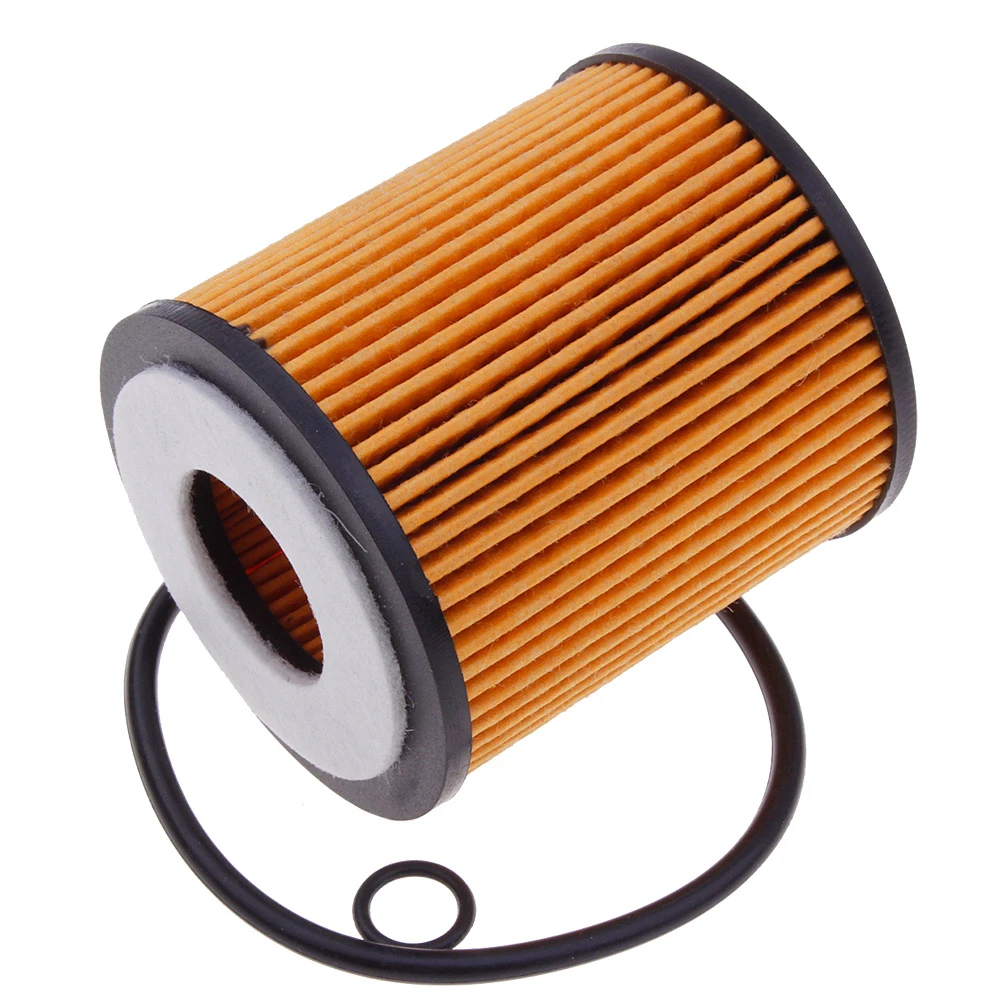
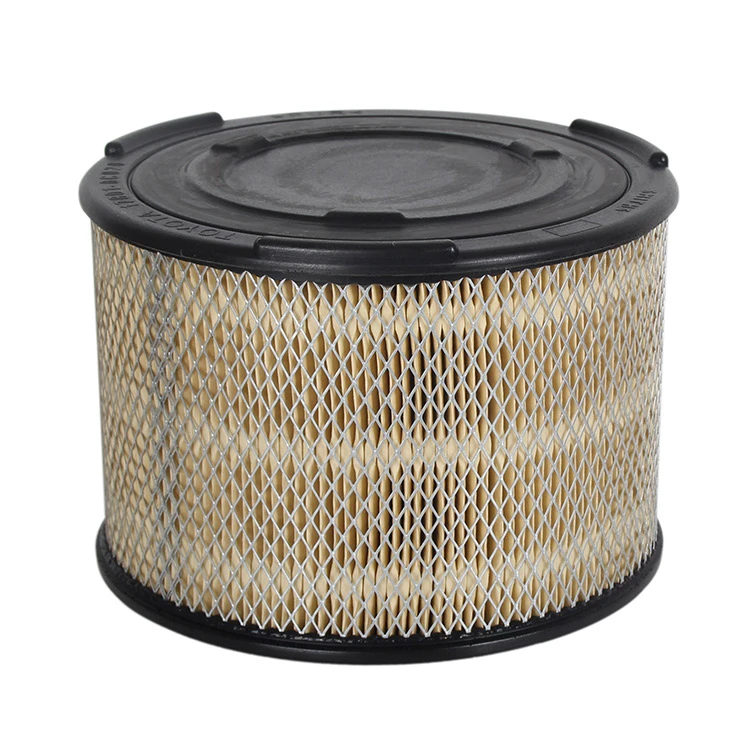
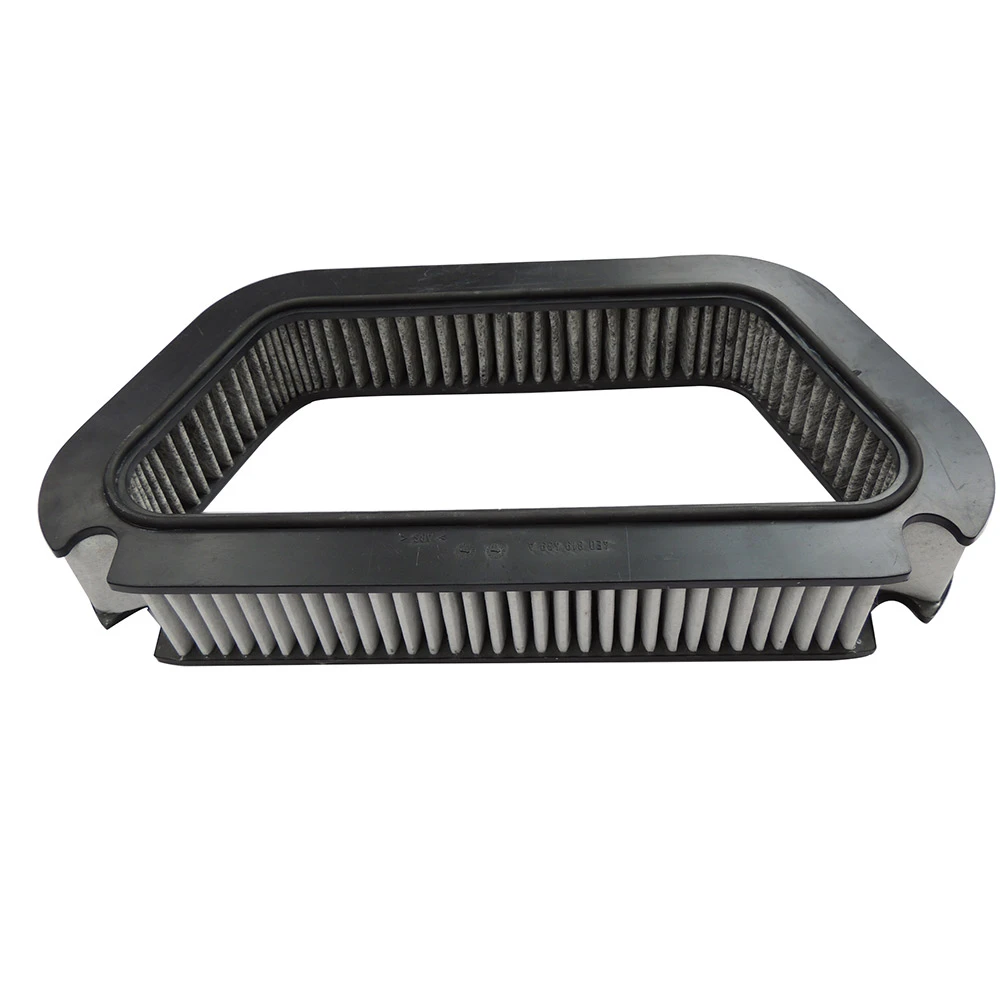
Basic paper filters are cheaper but clog sooner, while activated carbon or HEPA-style filters trap more contaminants but come at a premium. Quality affects durability and replacement intervals.
4. Vehicle Manufacturer Guidelines
OEM recommendations provide a baseline rooted in lab tests, but real-world conditions can supersede these. Still, always consult your car manual as a starting point.
5. Seasonal Changes
Spring and fall see more pollen and dust, requiring closer attention to filter condition and replacement.
Typical Cabin Filter Specifications for Common Cars
| Specification | Standard Paper Filter | Activated Carbon Filter |
|---|---|---|
| Filtration Efficiency | ~70% particulates ≥ 10 µm | ~95% particulates + odors |
| Recommended Replacement | 12,000–15,000 miles | 10,000–12,000 miles |
| Cost Range | $10–$25 | $20–$50 |
| Typical Lifespan | 6–12 months | 6–9 months |
Mini takeaway: Your environment and filter type are key determinants of replacement frequency. It’s rarely “set and forget.”
Vendor Comparison: Popular Cabin Filter Brands
| Brand | Filter Type | Price Range | Warranty | Key Feature |
|---|---|---|---|---|
| Bosch | Activated Carbon | $25–$50 | 1 year | Odor and pollen reduction |
| FRAM | Standard Paper | $10–$20 | 6 months | Affordable replacement |
| Mann-Filter | HEPA and Carbon | $30–$55 | 1 year | Superior particulate filtration |
Global Applications & Use Cases
In densely populated cities across Asia and Europe, drivers increasingly face smog and pollen peaks that make cabin filters vital. NGOs operating in disaster-hit regions like the Philippines or California often equip vehicles with upgraded filters to protect emergency responders from smoke and dust inhalation.
In industrial zones of the U.S. Midwest, fleet managers track cabin filter changes closely to maintain air quality for drivers working long shifts. Meanwhile, private car owners in pollen-heavy spring seasons benefit from activated carbon filters that reduce odor and allergens—a small but meaningful quality-of-life upgrade.
Mini takeaway: Whether in city traffic or emergency services, frequent cabin filter replacement is a health imperative recognized globally.
Advantages & Long-Term Value of Timely Cabin Filter Replacement
- Improved Air Quality: Removing dust, allergens, and pollutants reduces health risks, especially for children, elderly, or allergy sufferers.
- HVAC Performance: Clean filters ensure efficient heating/cooling, reducing energy use and strain on vehicle fans.
- Odor Control: Carbon filters reduce unwanted smells, for a more pleasant cabin environment.
- Cost Savings: Preventing HVAC system damage avoids costly repairs.
- Resale Value: Proper maintenance signals good care, often enhancing resale prospects.
What Does the Future Hold? Trends & Innovations
With increasing awareness of environmental pollutants, manufacturers are developing cabin filters with better filtration capacity and longer lifespans, sometimes infused with antimicrobial layers or integrated sensors that notify when a replacement is due.
Digital car maintenance apps now can log air filter status and suggest replacement timing based on real-time usage data and environmental inputs, merging convenience with smarter vehicle care. Sustainability-focused companies explore biodegradable filter media, reducing waste created every 6–12 months globally.
Challenges & Solutions
One common challenge is inconsistent replacement habits due to lack of visible symptoms—filters don’t show obvious failure until airflow noticeably drops. Customers often delay changes, risking air quality and HVAC damage.
Experts suggest integrating sensor-based filter monitors directly into vehicles. Additionally, better consumer education and affordable all-season filter options can encourage timely swaps.
FAQ About How Often Should a Car Cabin Filter Be Replaced
- How do I know when my cabin filter needs replacement?
Usually, when you notice reduced airflow, unpleasant odors inside the car, or visible dirt on the old filter. Checking the filter every 12,000 miles is good practice. - Can I replace the cabin filter myself?
Most vehicles allow easy access to the cabin filter, often behind the glove box. Your car manual normally details the process; otherwise, many online tutorials exist. - Is it okay to drive with a clogged cabin filter?
It won’t immediately damage the car but reduces air quality inside and stresses the HVAC system. Long-term neglect might lead to more expensive repairs. - Do different climates affect how often I should change the filter?
Yes, harsher conditions like dusty or pollen-rich areas require more frequent changes—sometimes twice a year instead of once. - Are activated carbon cabin filters worth the extra cost?
For people sensitive to odors or allergens, yes. These filters trap more particles and improve overall air quality inside the cabin.
Conclusion — Making Cabin Air Quality a Priority
Understanding how often should a car cabin filter be replaced is an easy but impactful way to safeguard your health, extend your vehicle’s lifespan, and enjoy a cleaner, more comfortable drive. It’s a routine maintenance step that pays dividends in safety and comfort.
So if it’s been a while since you checked yours, why not take a moment today? Visit us at https://www.jyfilter.com to learn more and find the right filter for your vehicle’s needs.
Oddly enough, a fresh cabin filter really does transform your driving experience — it feels like breathing again after deep winter...
References:
1. World Health Organization Air Quality Guidelines: https://www.who.int
2. ISO 16000 Series on Indoor Air Quality
3. Automotive Maintenance Insights, SAE International
-
Guide on how often do you need to replace engine air filterNewsApr.16,2026
-
Learn how often do you replace air filter in car for engine healthNewsApr.09,2026
-
How Often Do You Replace Car Air Filter For Optimal Engine PerformanceNewsApr.07,2026
-
How Often Do You Replace Engine Air Filter For Optimal Vehicle PerformanceNewsApr.04,2026
-
Understanding How Often Does Engine Air Filter Need to Be Replaced for Optimal PerformanceNewsMar.31,2026
-
How Often Engine Air Filter Change Impacts Performance and LongevityNewsMar.28,2026
-
Understanding How Often to Replace Your Car Air Filter for Optimal PerformanceNewsMar.26,2026
Related Products