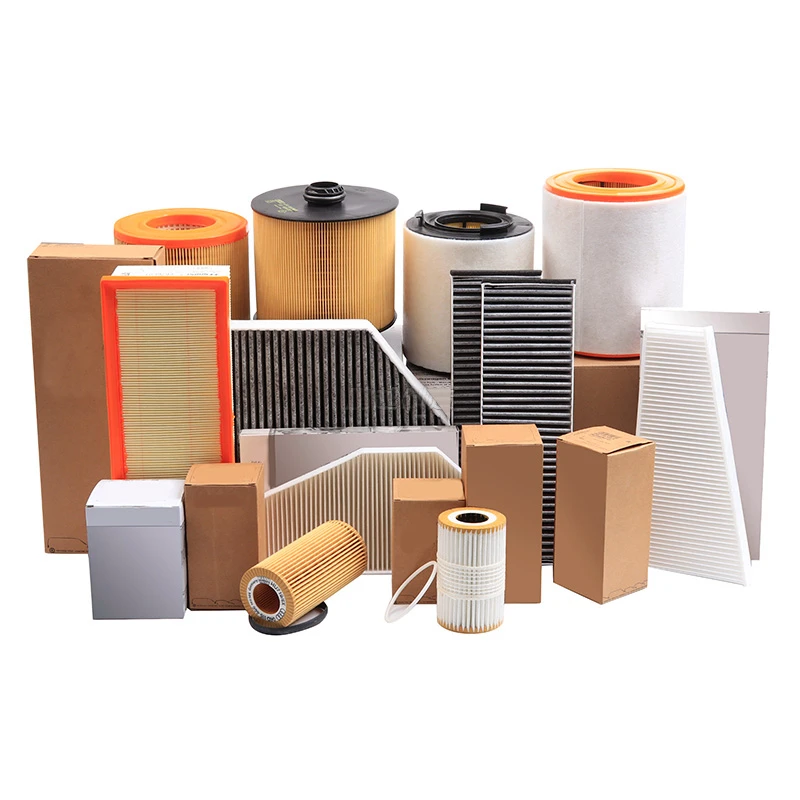
How Often Should a Car Filter Be Changed? Understanding the Essentials
Anyone who owns a car or works in automotive care knows the importance of car filters: small components, but mighty in their impact. Understanding how often a car filter should be changed is not just about keeping your vehicle running smoothly; it’s about protecting engine health, fuel efficiency, and even reducing harmful emissions. Globally, millions of cars operate daily, and the choice of when to swap out these filters carries consequences for environment and economy alike. Whether you’re a casual driver or a professional mechanic, this question is worth answering—frankly, more carefully than many realize.
Global Context: Why Car Filter Maintenance Matters Now More Than Ever
Worldwide, the automotive industry accounts for approximately 15% of global carbon emissions (Wikipedia). Poor filter maintenance can worsen fuel consumption and emissions, compounding a larger environmental challenge. As countries push for greener policies and stricter ISO standards on vehicle emissions, the frequency of car filter replacements becomes a focal point in sustainability strategies. Yet, oddly enough, many car owners remain unaware of their car filter’s condition or replacement schedule, which leads to engine strain and costly repairs.
According to a 2023 World Bank report on vehicle pollution control, improving routine maintenance practices like filter changes reduces particulate emissions by up to 25% in urban areas. So, this is not a trivial detail—it has real effects on urban air quality and public health.
What Does It Mean to Change a Car Filter?
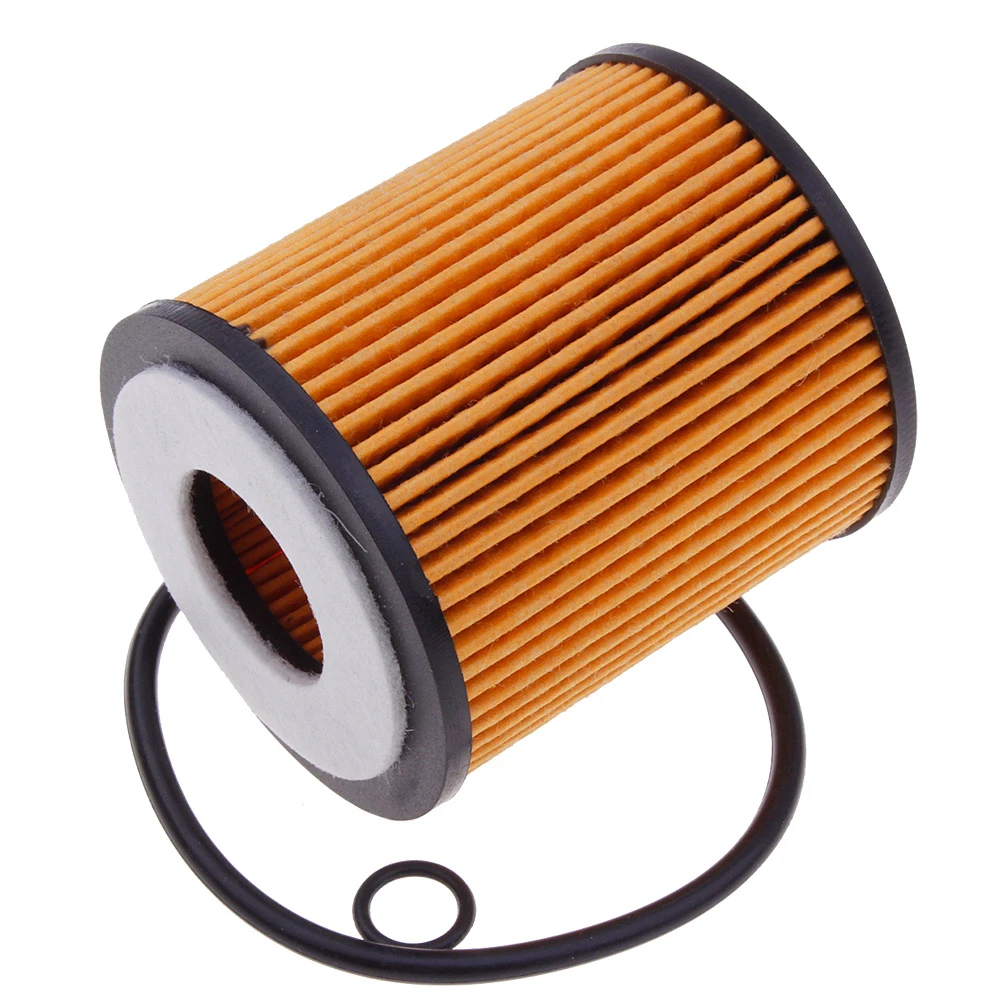
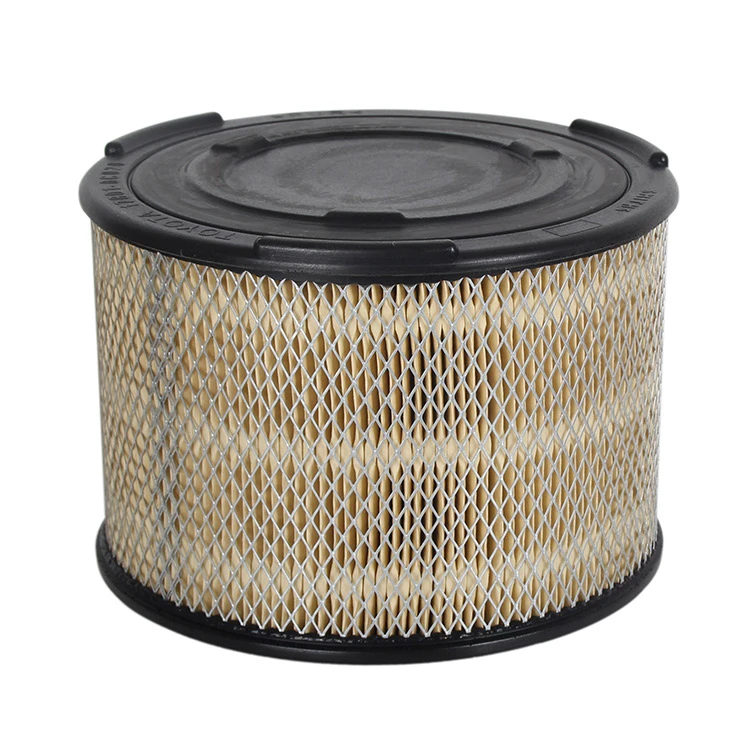
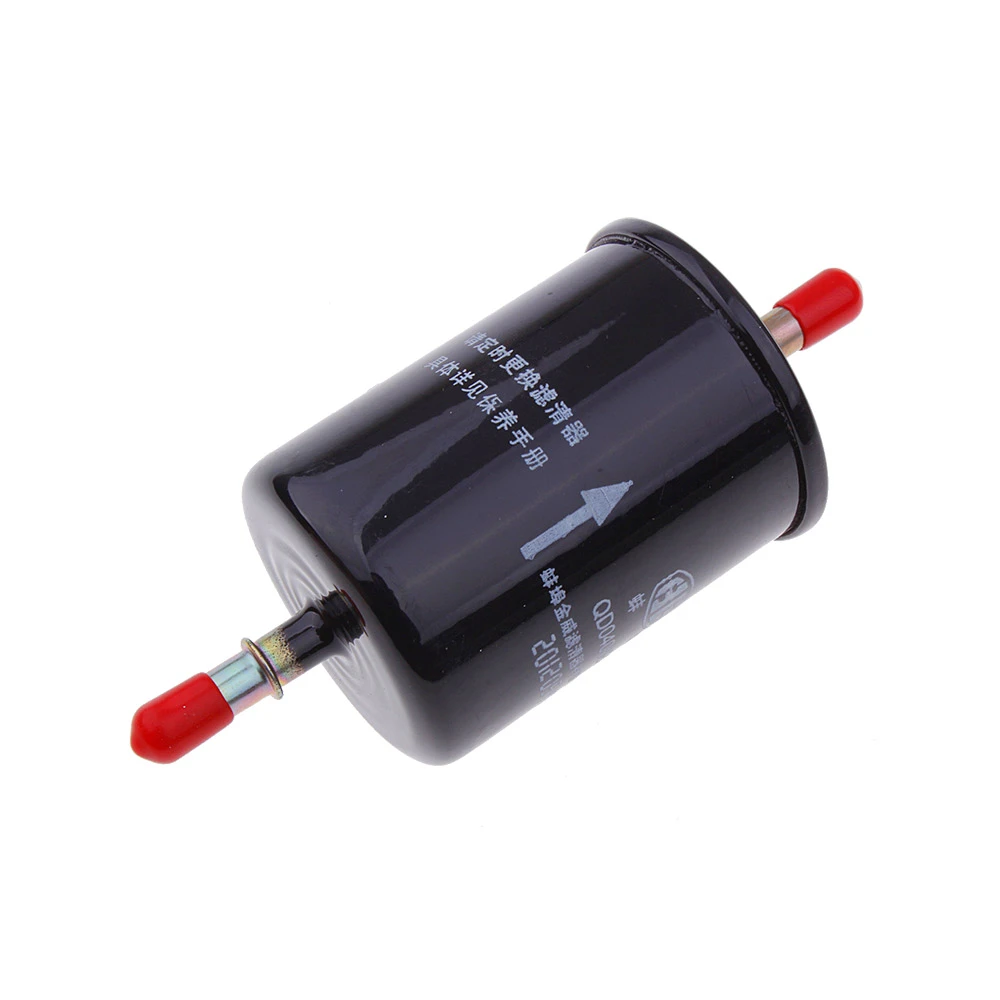
In simple terms, changing a car filter means replacing a component that traps dirt, debris, and other impurities to prevent them from entering the engine or cabin system. The most common filters include the air filter, oil filter, and fuel filter. Each plays a crucial role in preserving engine efficiency, fuel economy, and comfort.
Modern cars are precision machines, and their filters are engineered to handle varying conditions—from dusty rural roads to polluted city streets. Changing them at the right intervals ensures performance doesn’t degrade, and modern industry standards increasingly emphasize this for emission control and safety.
Key Factors in Determining Filter Replacement Frequency
1. Filter Type and Material Quality
Not all filters are created equal. For example, high-quality synthetic air filters often last longer than paper ones, sometimes up to 30,000 miles, versus 12,000–15,000 for standard types. The material affects how it traps particles and its durability under harsh conditions.
2. Environmental Conditions
Driving in dusty or polluted areas strains filters faster. Someone in a desert climate or near heavy traffic might require more frequent replacements than a rural driver in cleaner air. Humidity and temperature also affect how quickly filters clog or degrade.
3. Vehicle Use and Mileage
Frequent stop-and-go city driving burdens filters more than long-distance highway driving, due to constant exposure to varying air quality and engine strain. Likewise, cars driven short trips might see oil filters clog faster because the engine doesn’t warm fully.
4. Manufacturer Recommendations and Standards
Car makers typically provide guidelines in owner manuals, averaging 12,000 to 15,000 miles for air filters and often 7,500 to 10,000 miles for oil filters. Following these—and verifying with reputable sources—is a safe bet to avoid mechanical stress.
Product Specifications for Common Car Filters
| Filter Type | Material | Typical Lifetime (Miles) | Replacement Cost |
|---|---|---|---|
| Air Filter | Paper / Synthetic | 12,000–30,000 | $15–$50 |
| Oil Filter | Cellulose / Synthetic Fiber | 7,500–10,000 | $10–$30 |
| Fuel Filter | Paper / Nylon Mesh | 20,000–40,000 | $20–$70 |
Global Applications and Real-World Use Cases
In practice, how often a car filter should be changed varies widely by region and sector. For example:
- Urban Areas in Asia: High pollution levels in cities like Delhi or Beijing lead to faster filter degradation, meaning replacements may be necessary nearly twice as often.
- Remote Mining Operations in Australia: Dusty environments demand more robust filters and stricter monitoring, often with engineering-grade synthetic types.
- Humanitarian and Relief Vehicles: In post-disaster relief scenarios, where vehicles operate under extreme conditions, preemptive filter changes reduce breakdowns and keep aid flowing.
Oddly enough, NGOs operating in off-grid zones find that sticking to a strict filter replacement schedule often determines the success of their logistics—and sometimes the lives they support.
Comparing Leading Filter Vendors
| Brand | Filter Range | Eco-friendly Options | Average Price | Warranty |
|---|---|---|---|---|
| Brand A | Air, Oil, Fuel Filters | Yes (bio-degradable materials) | $25–$60 | 2 years |
| Brand B | Wide range incl. cabin filters | Limited | $15–$40 | 1 year |
| Brand C | High-performance filters | No | $30–$70 | 3 years |
Advantages and Long-Term Value of Proper Filter Replacement
Beyond the obvious—like preventing engine damage—there’s a real emotional and practical payoff. Drivers feel safer knowing their vehicle won’t sputter or stall unexpectedly. Mechanics trust that careful filter maintenance simplifies diagnostics and cuts repair times. On a larger scale, consistent filter replacement reduces harmful emissions, which matters not just to the planet but to the dignity of future generations living in affected environments.
Financially, regular replacement is a bargain—it’s much cheaper than engine overhaul costs or increased fuel consumption, which can mount up quickly.
Emerging Trends and Innovations
Automotive tech doesn’t stand still, and filter technology is advancing, too. Smart sensors that monitor filter health in real time are becoming more common, enabling just-in-time maintenance instead of routine schedules. Also, eco-friendly materials like biodegradable filter fibers are helping reduce environmental impacts.
Automation in service centers may soon allow filters to be tested efficiently without dismantling, making maintenance both faster and more precise. All these developments support a greener, smarter automotive future.
Challenges and Solutions Ahead
The biggest hurdle? People neglect or forget filter changes altogether. Without clear reminders or easy access to quality filters, many cars fail to get timely maintenance. Cost concerns also come up—some budgets barely stretch to basic oil changes, let alone multiple filter replacements a year.
One solution is digital vehicle maintenance apps that track usage and alert owners to replacements. Another is wider availability of affordable, reliable filters that meet industry standards while considering environmental effects.
Frequently Asked Questions About How Often Should a Car Filter Be Changed
Q1: How do I know if my car’s air filter needs changing?
If you notice reduced fuel efficiency, sluggish acceleration, or black smoke from the exhaust, your air filter could be clogged. Visual inspection can help, but professional checks are best for accurate assessment. Generally, replace every 12,000 to 15,000 miles.
Q2: Can I drive with a dirty oil filter for a while?
It’s not advisable. Dirty oil filters fail to clean engine oil properly, increasing wear and risking engine damage. Change the oil filter with every oil change (usually every 7,500 to 10,000 miles).
Q3: Are cabin air filters important, and how often should they be replaced?
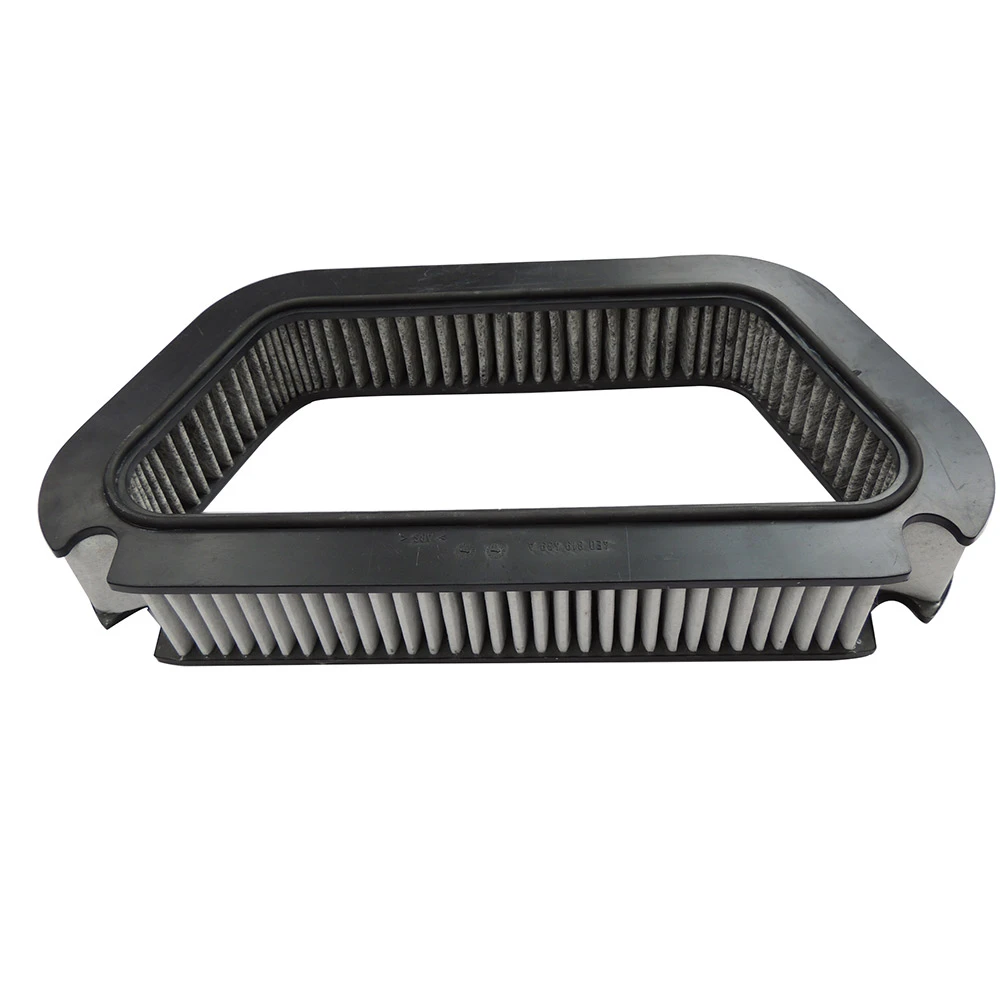
Yes, they affect air quality inside the car and must be replaced every 12,000 to 15,000 miles or annually, especially if you drive in polluted or dusty environments.
Q4: What happens if fuel filters aren’t replaced on time?
Fuel filters trap contaminants that can clog injectors. Failure to replace can cause poor engine performance, misfires, and costly fuel system repairs.
For a deeper dive and tailored advice, visit our detailed resource on how often should a car filter be changed.
Conclusion + Call to Action
Ultimately, knowing how often a car filter should be replaced is a fundamental part of respecting your vehicle, your budget, and the environment. Timely changes ensure better performance, lower emissions, and fewer surprises in your garage. Plus, it just feels good to know you’re doing the right thing under the hood and beyond.
Curious to learn more or get the best filters for your car? Don’t hesitate—visit our website today: https://www.jyfilter.com and keep your engine breathing clean and strong.
Mini takeaway: Regular, informed car filter maintenance is a small act with a big impact. It’s simple, cost-effective, and crucial for engine and environmental health.
References
-
Guide on how often do you need to replace engine air filterNewsApr.16,2026
-
Learn how often do you replace air filter in car for engine healthNewsApr.09,2026
-
How Often Do You Replace Car Air Filter For Optimal Engine PerformanceNewsApr.07,2026
-
How Often Do You Replace Engine Air Filter For Optimal Vehicle PerformanceNewsApr.04,2026
-
Understanding How Often Does Engine Air Filter Need to Be Replaced for Optimal PerformanceNewsMar.31,2026
-
How Often Engine Air Filter Change Impacts Performance and LongevityNewsMar.28,2026
-
Understanding How Often to Replace Your Car Air Filter for Optimal PerformanceNewsMar.26,2026
Related Products