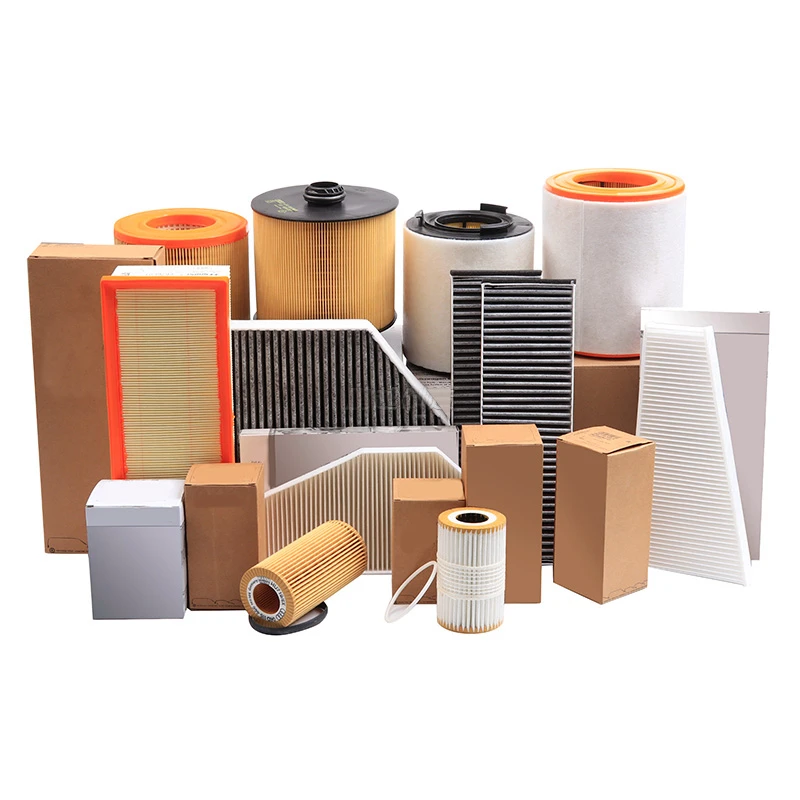
How Often Should a Car Air Filter Be Replaced? Understanding the Essentials
When we talk about car maintenance, one question often slips under the radar: how often should a car air filter be replaced? It might seem trivial, but the air filter plays a pivotal role in your car’s performance, fuel efficiency, and emissions. Worldwide, millions of vehicles roll their engines every day, and air filters act as the lungs—filtering out dust, pollen, and pollutants before air reaches the engine. Understanding when and why to replace it is not just a matter of fitting your car’s manual, but a small step toward environmental responsibility and long-term savings.
Introduction: A Global View on Car Air Filter Maintenance
Cars dominate the global transport landscape—over 1.4 billion vehicles were estimated worldwide as of 2020, and this number keeps climbing (source: International Energy Agency). With rising urban pollution and concern for sustainable mobility, car maintenance has gained new significance. Dirty or clogged air filters directly impact fuel consumption and increase greenhouse gas emissions. The United Nations’ Sustainable Development Goals (SDG 11 - Sustainable Cities and Communities) emphasize cleaner transportation. So, asking how often should a car air filter be replaced isn’t just personal; it’s global.
Honestly, many drivers underestimate this aspect. According to data by car industry watchdogs, up to 40% of vehicles on the road use air filters beyond the recommended life span—leading to worsened engine performance and elevated repair costs.
Defining the Replacement Frequency
Simply put, how often should a car air filter be replaced refers to the interval—usually measured in miles driven or time elapsed—after which the air filter no longer effectively protects your engine by trapping debris and particulates.
Most manufacturers recommend replacing air filters every 12,000 to 15,000 miles, or roughly once a year. But depends on your driving conditions; dusty roads, heavy traffic, or environmental pollutants can shorten that span drastically.
This maintenance connects deeply with modern automotive engineering, where combustion engines are finely tuned and sensitive to air quality. In humanitarian and relief operations using vehicles in rough conditions, replacing air filters on schedule can mean the difference between mission success and breakdown.
Key Factors Affecting How Often to Replace a Car Air Filter
1. Driving Environment
The air you breathe—and your engine—are different in the Sahara Desert compared to a leafy suburb. Dust, pollution, and pollen levels all influence air filter clogging rates.
2. Vehicle Type and Engine Condition
High-performance engines often require cleaner air than economy cars to maintain optimal efficiency. Older engines might tolerate a bit more dirt but can still suffer if filters aren’t timely replaced.
3. Filter Material and Design
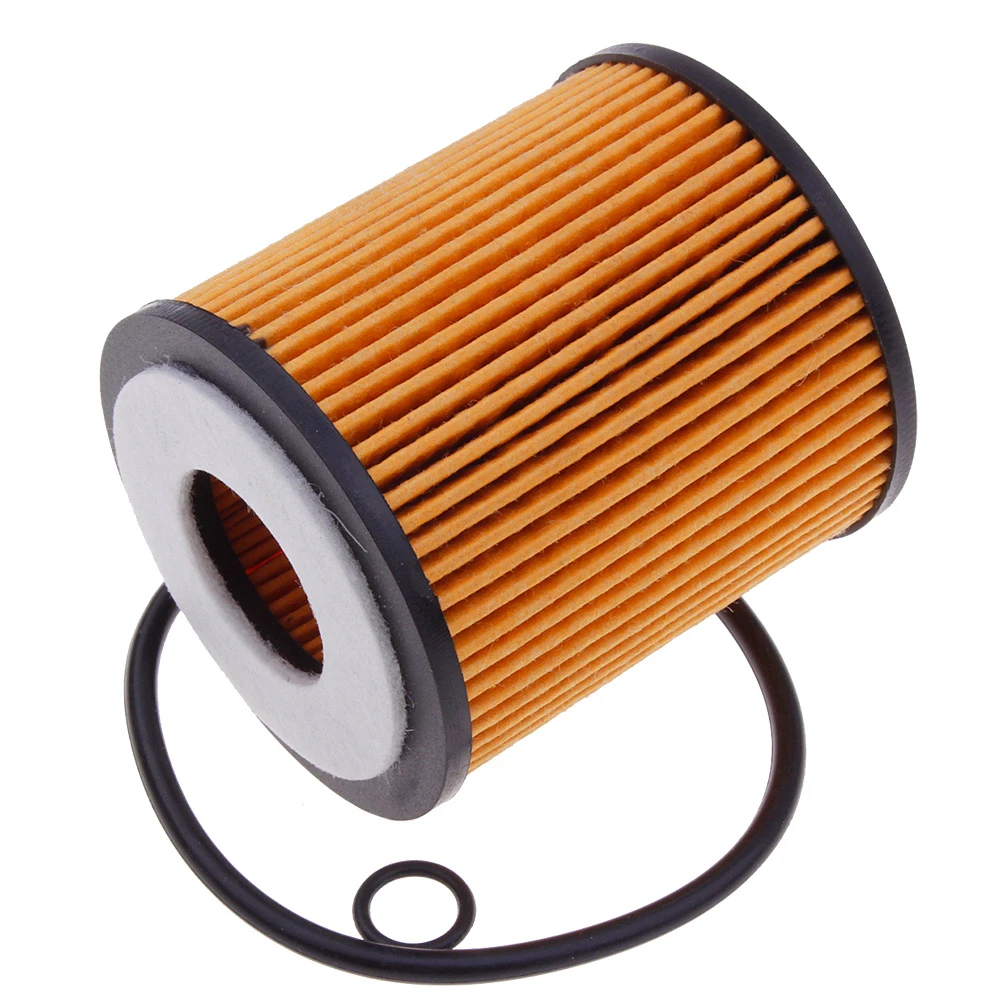
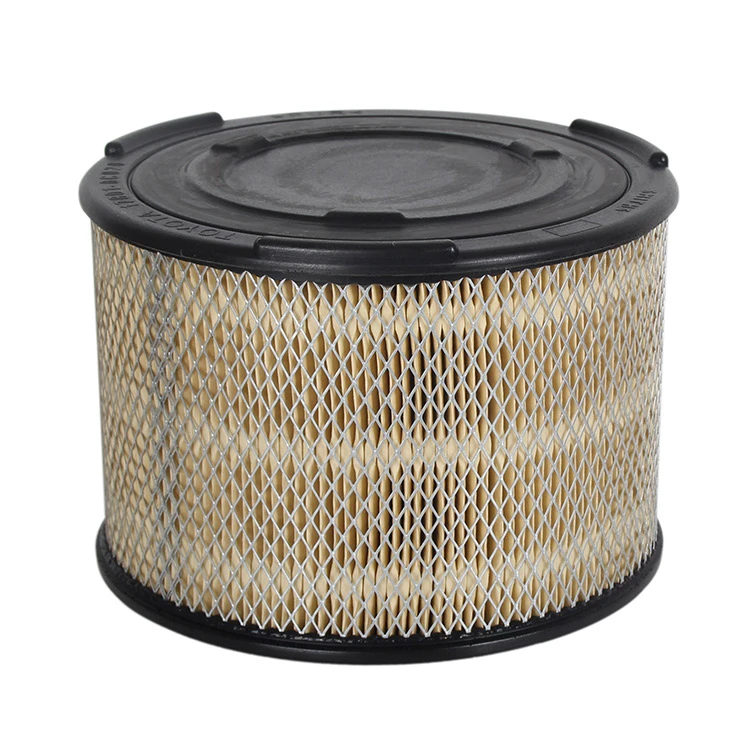
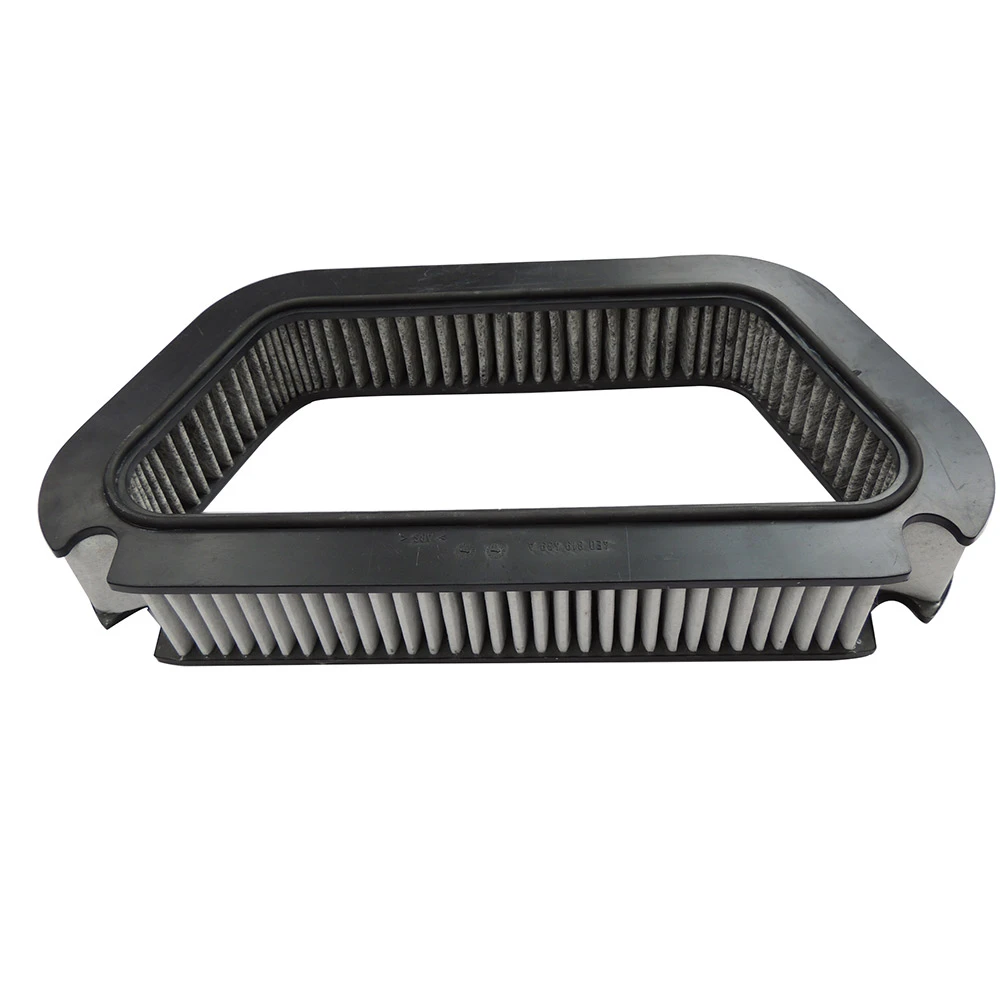
From paper to cotton and synthetic blends, the filter media’s durability and filtration capability significantly dictate replacement frequency.
4. Manufacturer Recommendations
Vehicle manuals offer baseline guidelines which owners should ideally follow, although real-world variables might require adjustments.
5. Driving Habits
Stop-and-go city traffic loads filters more quickly than highway steady cruising.
6. Climate and Season
Allergy seasons or regions prone to wildfire smoke tend to see faster contamination.
Mini takeaway:
Your air filter replacement isn’t a one-size-fits-all rule. Consider your car’s story, where you drive, and what’s in the air.
Global Applications & Use Cases
Interestingly, logistics companies operating trucks across Africa’s dusty corridors constantly replace filters to prevent downtime. In Europe, strict emissions laws mean air filter upkeep is often inspected during routine vehicle checks—enforcement that’s less common elsewhere. In remote industrial zones like mining operations in Australia, replacing air filters on heavy vehicles is critical to prevent engine failure where service options are limited.
On the humanitarian side, in post-disaster relief efforts where vehicles face rough terrain and airborne debris, rapid air filter swaps enable continued aid delivery. Even regular city drivers benefit: consistent air filter maintenance contributes to improved air quality by lowering emitted pollutants.
Advantages & Long-Term Value
- Cost Savings: Regular replacement improves fuel economy, down by 10-15% in some cases.
- Extended Engine Life: Clean air reduces wear and tear on the engine components.
- Environmental Impact: Efficient combustion lowers harmful emissions.
- Performance: Better acceleration and power delivery.
- Peace of Mind: Avoid costly repairs or breakdowns due to neglected filters.
Frankly, skipping air filter replacement feels like saving pennies but might cost you dollars later, not to mention air quality and your conscience. It’s a small act of care with outsized benefits for car owners and the planet alike.
Product Specification Table for Common Air Filter Types
| Filter Type | Material | Typical Lifespan | Cost Range (USD) | Reusable? |
|---|---|---|---|---|
| Paper Pleated Filter | Cellulose fibers | 12,000–15,000 miles | $10–$25 | No |
| Cotton Gauze Filter | Oiled cotton mesh | Up to 50,000 miles | $40–$70 | Yes (Washable) |
| Foam Filter | Open-cell polyurethane foam | 15,000–20,000 miles | $15–$35 | Yes (Washable) |
Vendor Comparison: Popular Air Filter Brands
| Brand | Filter Types Available | Warranty | Price Range | Availability | Eco-friendly Options |
|---|---|---|---|---|---|
| Fram | Paper, Synthetic | 12 months | $10-$30 | Worldwide | Limited |
| K&N | Cotton Gauze (Washable) | 10-year/Million mile | $40-$90 | Global, Select Retailers | Yes |
| Bosch | Paper, Synthetic | 24 months | $15-$40 | International | Moderate |
Emerging Trends & Innovations
Automotive technology does not stand still. Increasingly, we’re seeing digital sensors integrating with engine control units that monitor air filter performance in real time—triggering alerts when restrictions reach critical levels. Plus, new biodegradable filter materials and reusable designs align with the green energy push, reducing landfill waste associated with disposable filters.
Smart filters even claim to optimize airflow dynamically, maximizing efficiency under varying driving conditions. That’s not sci-fi anymore—some brands offer washable filters with scientifically engineered synthetic fibers that trap nano-particles better than traditional paper.
Challenges & Innovative Solutions
Despite all this progress, many drivers neglect air filter replacement due to simple forgetfulness or underestimating consequences. Also, not all vehicles have easy-to-access filters, complicating DIY replacements.
Experts suggest a two-pronged approach: manufacturers should integrate onboard diagnostic systems more widely to track filter health automatically, while service shops and retailers need better consumer education. Some companies now offer monthly filter subscription services and kits to simplify maintenance.
FAQ: Common Questions on How Often Should a Car Air Filter Be Replaced
- Q: How do I know if my car air filter needs replacing?
A: Signs include reduced fuel efficiency, engine misfires, unusual noises, or a visual check showing a dark, clogged filter. You can also rely on mileage/time guidelines from your car manual or use electronic monitoring if available. - Q: Can I clean and reuse my air filter instead of replacing it?
A: Depends on the type. Cotton gauze and foam filters are washable and reusable; paper filters are not and should be replaced. Always follow manufacturer instructions. - Q: Does a dirty air filter affect car emissions?
A: Yes. A clogged air filter restricts airflow, causing incomplete combustion, which elevates harmful emissions like carbon monoxide and hydrocarbons. - Q: Are expensive air filters worth the cost?
A: Higher-end filters often offer better filtration, durability, and sometimes reusable designs. They may cost more upfront but can save money over time with less frequent replacements and improved engine performance.
Conclusion and Next Steps
So, how often should a car air filter be replaced? The honest, practical answer is: often enough to keep your engine breathing clean air but tailored to your driving habits and environment. That means checking at least every 12,000 miles and sooner if you drive in harsher conditions.
Keeping your air filter fresh is a simple, cost-effective way to boost fuel economy, reduce emissions, and prolong engine life. If in doubt, don’t hesitate to consult your mechanic or trusted resources like how often should a car air filter be replaced.
Ready to improve your car’s health? Visit our website: https://www.jyfilter.com for top-quality filters, expert advice, and maintenance guides.
It feels oddly satisfying knowing such a small part keeps your car running smooth and clean—for you, and the planet.
References
-
Guide on how often do you need to replace engine air filterNewsApr.16,2026
-
Learn how often do you replace air filter in car for engine healthNewsApr.09,2026
-
How Often Do You Replace Car Air Filter For Optimal Engine PerformanceNewsApr.07,2026
-
How Often Do You Replace Engine Air Filter For Optimal Vehicle PerformanceNewsApr.04,2026
-
Understanding How Often Does Engine Air Filter Need to Be Replaced for Optimal PerformanceNewsMar.31,2026
-
How Often Engine Air Filter Change Impacts Performance and LongevityNewsMar.28,2026
-
Understanding How Often to Replace Your Car Air Filter for Optimal PerformanceNewsMar.26,2026
Related Products