How Often Should a Car Air Filter Be Changed? Understanding Its Importance and Impact
If you’ve ever peeked under your car’s hood, the air filter might look like a simple, unassuming component. Yet, how often should a car air filter be changed is a surprisingly important question—not just for your vehicle’s health but for the environment and your wallet, too. Globally, as vehicles multiply and air quality concerns mount, knowing when to replace this vital filter is becoming crucial. It ensures engines breathe clean air, run more efficiently, and emit fewer pollutants.
Introduction: The Global Context of Car Air Filter Maintenance
Worldwide, there are over 1.4 billion vehicles on the roads today, according to the International Organization of Motor Vehicle Manufacturers (OICA). That’s a staggering number, and while many innovations focus on electric or hybrid powertrains, older internal combustion engines are still dominant. These engines rely heavily on clean air intake, and a clogged or dirty air filter can compromise performance.
Frankly, a neglected filter translates to increased fuel consumption and higher emissions—problems that tie directly into global efforts like the UN’s Sustainable Development Goals, particularly those concerning clean energy and climate action. For fleet operators or anyone who drives regularly, understanding how often a car air filter should be changed is a small but effective step toward sustainability.
Defining How Often a Car Air Filter Should Be Changed
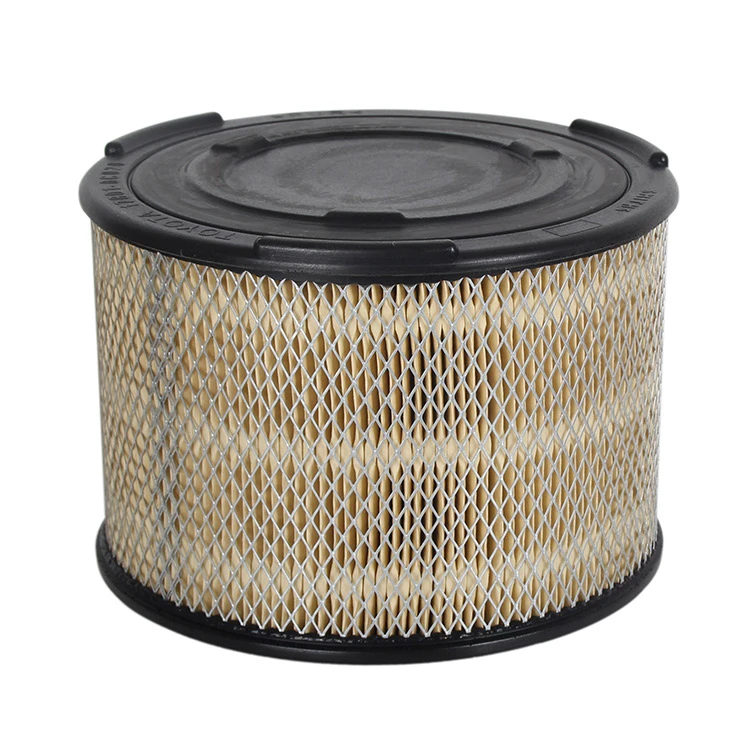
Simply put, the question “how often should a car air filter be changed” refers to the recommended intervals between replacing a filter that cleans the air entering the engine. This filter traps dust, dirt, and debris that could otherwise cause damage. Most manufacturers suggest inspecting or changing car air filters between 12,000 and 15,000 miles, but this varies depending on driving conditions and vehicle type.
It’s part of a larger dialogue about vehicle maintenance and emissions regulations, connecting with industrial standards like the ISO 5054:2016 that target engine efficiency and emissions. In short, timely replacement keeps the engine protected and compliant with environmental standards.
Key Factors Affecting How Often Car Air Filters Should Be Changed
1. Durability and Quality of the Filter
Not all air filters are created equal. Paper filters, for example, usually have shorter lifespans than reusable or high-performance cotton variants. Many engineers say durability influences replacement frequency quite a bit — a more resilient filter might stretch change intervals but costs more upfront.
2. Driving Environment
Cars driven mostly in dusty, rural areas or heavy traffic with poor air quality will clog filters faster. Urban drivers who frequent dusty roads or industrial zones face different demands than highway cruisers. So, odd as it sounds, “how often should a car air filter be changed” can hinge on geography.
3. Vehicle Usage and Mileage
Higher mileage naturally accumulates more dirt in the filter. Frequent short trips might mean more condensation and dirt buildup, too, which complicates matters. Essentially, heavy users need more frequent replacements.
4. Engine Requirements and Vehicle Type
Performance engines or vehicles designed for towing often need optimal airflow. Their air filters might require more frequent changes compared to economy cars. SUVs and trucks can differ from sedans here.
5. Maintenance Practices and Monitoring
Regular inspections and prompt replacement reduce risk. Some modern cars alert drivers about air filter health via onboard diagnostics, which makes adherence easier.
| Specification | Typical Value | Notes |
|---|---|---|
| Filter Material | Paper, Cotton, Synthetic | Varies by manufacturer |
| Recommended Replacement Interval | 12,000 - 15,000 miles | Depends on vehicle and conditions |
| Typical Lifespan | 1 - 2 years | Before replacement needed |
| Efficiency | Up to 99% dust filtration | Ensures clean airflow |
Global Applications and Use Cases
Across continents and industries, keeping car air filters fresh is more than routine vehicle maintenance—it's often a necessity. For instance, taxi fleets in densely polluted cities like Delhi or Beijing swap filters more frequently to combat heavy particulate matter. Conversely, in agricultural areas of Australia or the American Midwest, dust buildup demands repeated filter changes during harvest season.
In emergency response vehicles—say, after natural disasters—fresh air filters prevent engine failure when responding to harsh, dusty environments. Even in humanitarian logistics, clean engine air means reliability, which could be life-saving.
When it comes to how often should a car air filter be changed, several organizations embedded in environmental protection recommend active monitoring to maximize benefits.
Advantages and Long-Term Value
- Cost Efficiency: Timely replacements prevent poor fuel economy and expensive engine repairs.
- Sustainability: Reduced emissions improve air quality, aligning with global climate goals.
- Reliability: Ensures consistent engine performance and reduces breakdown risk.
- Safety: A well-maintained engine equates to safer drivability, particularly critical in professional use vehicles.
Emotionally, there’s peace of mind knowing your car is running smoothly and not contributing unnecessarily to air pollution—something today’s eco-conscious drivers appreciate deeply.
Future Trends & Innovations
Looking ahead, green advances promise smarter filters and replacement routines. Nanofiber technologies and synthetic materials can trap ultra-fine particles better and last longer. Some companies are incorporating sensors within filters that digitally notify drivers when replacement is due, integrating with vehicle telematics—neatly tying into the broader digital transformation sweeping the automotive industry.
Regulatory pushes, particularly in Europe and North America, may soon mandate stricter air intake checks, further encouraging innovation. Electric vehicles somewhat sidestep this issue but considering hybrids and internal combustion engines dominate for years to come, how often filters should be changed remains relevant.
Challenges & Practical Solutions
A common challenge is driver awareness. Many underestimate how quickly filters clog in dirty conditions or postpone replacements due to cost or inconvenience. That, I suppose, is partly human nature—out of sight, out of mind—but it can lead to avoidable engine damage. Experts recommend routine inspections during oil changes to assess filter condition.
Another hurdle is filter quality variability. Choosing low-cost knockoffs may cost more long-term. So, trusted brands investing in quality control and backed by certifications (like ISO 5011 for filtration efficiency) offer the peace of mind that cheap filters lack.
| Vendor | Filter Type | Price Range (USD) | Warranty | Certifications |
|---|---|---|---|---|
| K&N | Reusable Cotton | $40-$60 | 10 years/million miles | ISO 5011 |
| Fram | Disposable Paper | $10-$20 | Limited | ISO 5011 |
| Mann-Filter | Disposable Synthetic | $20-$30 | Standard | ISO 5011, TS 16949 |
FAQ: Frequently Asked Questions About How Often Should a Car Air Filter Be Changed
- How do I know when to change my car air filter?
- Signs include reduced fuel efficiency, rough idling, unusual engine sounds, or visible dirt on the filter. Most experts suggest checking your air filter at every oil change as a simple reminder.
- Can I clean and reuse my car air filter?
- Some filters, especially reusable cotton types like K&N, can be cleaned and reinstalled. Paper filters usually cannot. Always check manufacturer guidelines before attempting cleaning.
- Does changing the air filter improve car performance?
- Yes, replacing a clogged filter restores airflow, which can improve acceleration, fuel economy, and reduce emissions. However, an overly dirty filter causes engine strain and inefficiency.
- Is it okay to wait longer than recommended to replace the air filter?
- While occasionally possible, consistently delaying replacements risks engine damage and higher fuel costs. It’s best to stick to manufacturer intervals or sooner if driving in dusty environments.
- Are there environmental benefits to changing air filters regularly?
- Absolutely—clean filters reduce harmful emissions by enabling efficient combustion. This small maintenance step supports wider air quality and pollution reduction goals globally.
Conclusion
Understanding how often should a car air filter be changed goes beyond just keeping your ride smooth. It’s a smart, cost-effective step blending safety, environmental responsibility, and vehicle longevity. If you’re unsure when to replace yours, regular checks and trusted brands help. Frankly, your car—and the planet—will thank you.
Ready to keep your engine breathing easy? Visit us at https://www.jyfilter.com for expert advice and quality filters that fit your needs.
2. United Nations Sustainable Development Goals.
3. ISO 5054:2016 - Internal combustion engines — Fuel injection timing.
-
Guide on how often do you need to replace engine air filterNewsApr.16,2026
-
Learn how often do you replace air filter in car for engine healthNewsApr.09,2026
-
How Often Do You Replace Car Air Filter For Optimal Engine PerformanceNewsApr.07,2026
-
How Often Do You Replace Engine Air Filter For Optimal Vehicle PerformanceNewsApr.04,2026
-
Understanding How Often Does Engine Air Filter Need to Be Replaced for Optimal PerformanceNewsMar.31,2026
-
How Often Engine Air Filter Change Impacts Performance and LongevityNewsMar.28,2026
-
Understanding How Often to Replace Your Car Air Filter for Optimal PerformanceNewsMar.26,2026
Related Products