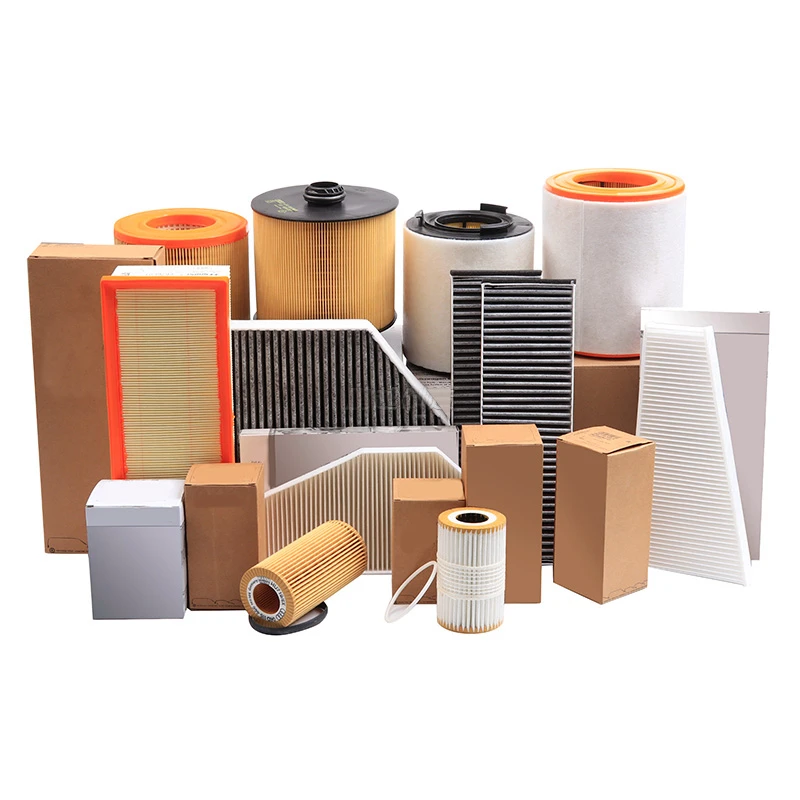
How Often Does Engine Air Filter Need to Be Replaced? A Practical Guide for Vehicle Owners and Industry
At first glance, asking how often does engine air filter need to be replaced seems like a straightforward maintenance question — but the answer ripples through vehicle performance, environmental impact, and cost efficiency worldwide. Engine air filters keep engines clean, prolong their life, and optimize fuel consumption. Understanding replacement intervals isn't just about saving money; it’s a small but essential step toward reducing emissions and ensuring reliability, especially in regions with heavy pollution or dusty roads.
Introduction: Why It Matters Globally
Globally, with over 1 billion vehicles on the road (International Energy Agency, 2023), the tiny engine air filter plays a surprisingly big role. Dirty or clogged filters can reduce engine efficiency by up to 10% and spike carbon emissions (EPA studies). This creates a challenge—balancing environmental sustainability with vehicle maintenance costs. In emerging economies, where harsh conditions and infrequent servicing are common, the impact can be even more significant.
Moreover, industries relying on fleet vehicles or heavy machinery need predictable maintenance cycles to reduce downtime. Here lies the challenge: determining optimal how often does engine air filter need to be replaced intervals that fit geography, vehicle type, and usage.
What Does 'How Often Does Engine Air Filter Need to Be Replaced' Mean?
In simple terms, this question asks about the ideal frequency to swap out the air filter that prevents dust, dirt, and debris from entering the engine. Replace it too late, and performance suffers; too early, and you’re wasting money. Modern vehicles typically recommend replacements from 12,000 to 15,000 miles, but this can vary considerably.
It’s vital for modern mobility and industries—like logistics, agriculture, and construction—to minimize breakdowns and emissions while optimizing fuel economy. So, this seemingly small maintenance task connects deeply to global sustainability goals and operational efficiency.
Key Factors Influencing Engine Air Filter Replacement
1. Environmental Conditions
Driving in dusty or polluted areas clogs filters faster. For example, in desert regions or urban industrial zones, filters might need changing at 5,000–7,000 miles instead of 15,000.
2. Driving Habits
Stop-and-go city driving exposes the filter to more contaminants, while highway cruising generally allows longer service intervals.
3. Vehicle Type and Manufacturer Guidelines
Heavy-duty trucks or off-road vehicles often have more stringent requirements, sometimes with reusable filters designed for cleaning rather than replacement.
4. Filter Quality and Material
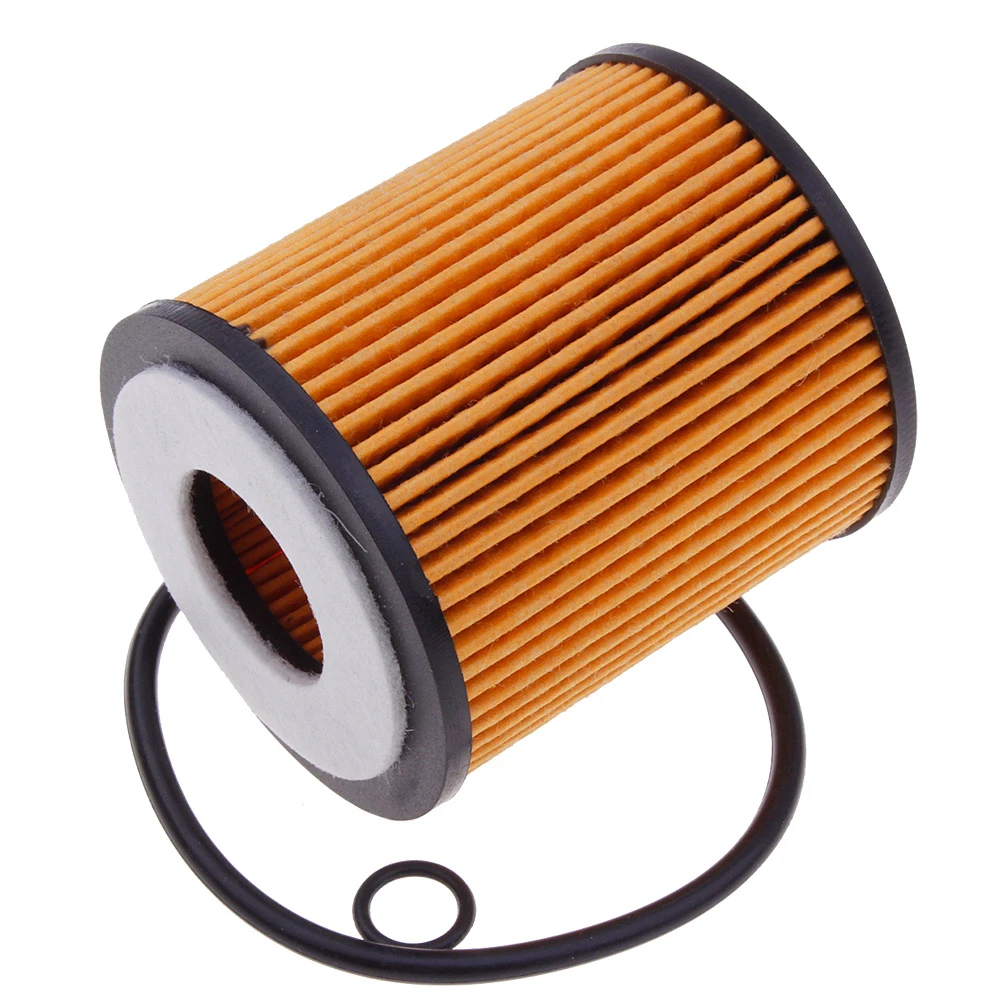
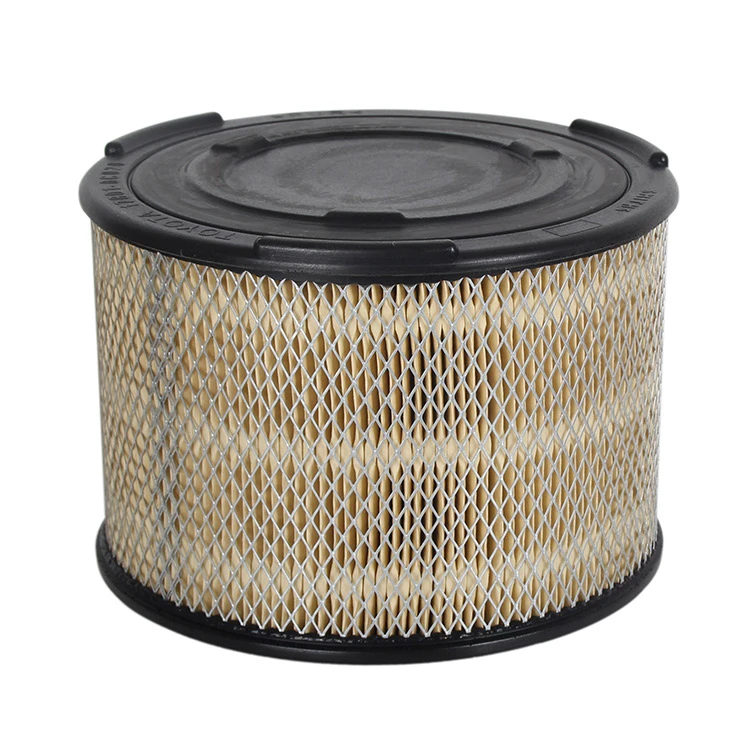
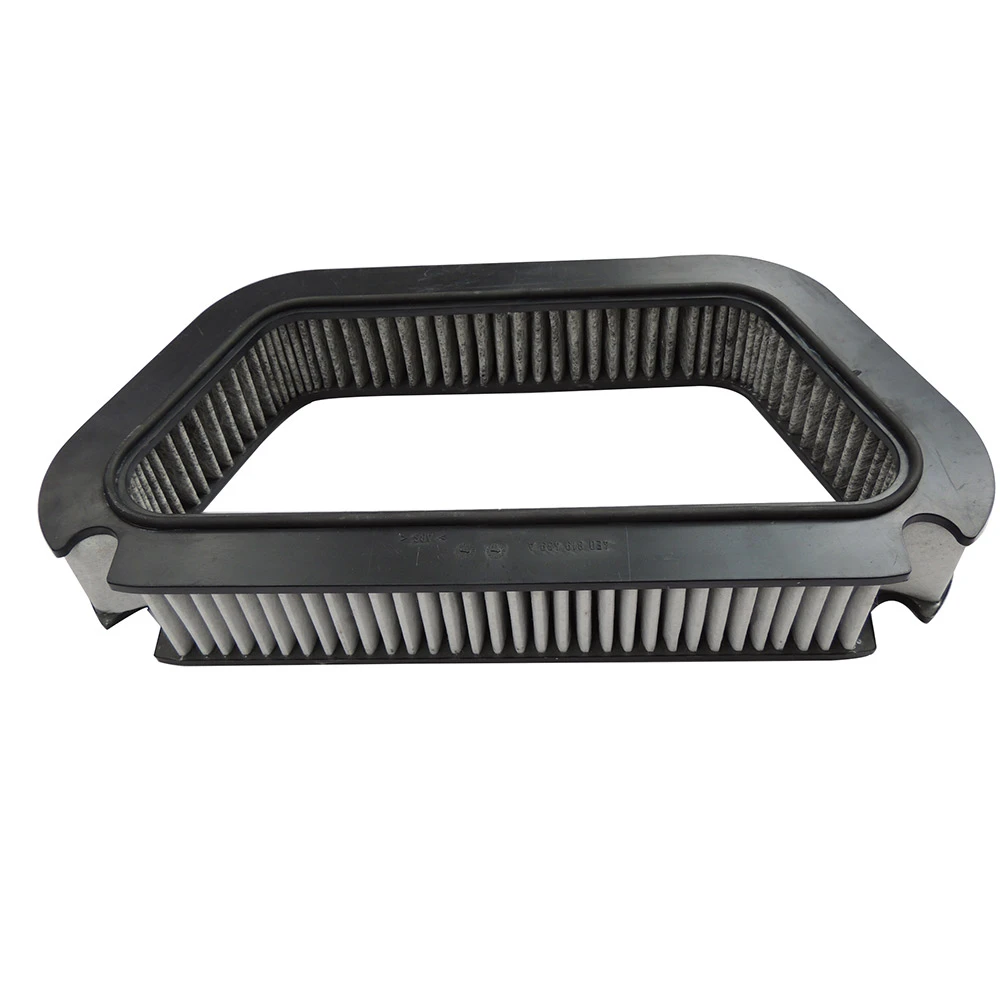
Standard paper filters differ greatly from premium synthetic or cotton alternatives, impacting lifespan and filtration efficiency.
5. Maintenance Practices
Regular inspections and timely replacement are critical. Neglect can cause engine damage, leading to costly repairs.
Mini Takeaway: There’s no one-size-fits-all answer. Environment, use, and filter quality combine to determine how often an engine air filter should be replaced.
Real-World Applications and Use Cases
Let’s consider a few examples. In post-disaster relief operations, vehicles often face harsh conditions with dust and debris—requiring frequent filter changes to maintain reliability. Similarly, in remote industrial zones such as mining sites, equipment often operates in dusty environments, demanding strict maintenance schedules.
Urban delivery fleets in Europe or North America commonly follow manufacturer schedules integrated with telematics to predict replacement needs, optimizing costs and reducing downtime.
Advantages and Long-Term Value of Correct Replacement Intervals
- Cost savings: Timely filter changes maximize fuel economy and prevent expensive engine repairs.
- Sustainability: Clean engines emit fewer pollutants, aligning with global climate targets.
- Safety & Reliability: Reliable engines mean fewer breakdowns, better safety margins.
- Innovation & Trust: Advanced filters, like HEPA-grade or electrostatic types, prove that innovation supports sustainability and performance.
The emotional impact is often overlooked. When your car runs smoothly, it’s a small dignity preserved in daily life — and for businesses, it’s a mark of professionalism and care.
Engine Air Filter Product Specification Table
| Specification | Standard Paper Filter | Premium Cotton Filter | Synthetic/Electrostatic Filter |
|---|---|---|---|
| Typical Lifespan | 12,000 - 15,000 miles | 20,000 - 30,000 miles | 15,000 - 25,000 miles |
| Filtration Efficiency | ~98% | ~99.5% | ~99.9% |
| Maintenance | Replace Only | Washable, Reuse | Replace or Regenerate |
| Cost Range | $10 - $25 | $30 - $60 | $25 - $50 |
Vendor Comparison Table for Engine Air Filters
| Vendor | Product Quality | Replacement Frequency | Price | Customer Rating |
|---|---|---|---|---|
| ACI Filters | Standard Paper | 12,000 miles | $15 per filter | 4.3/5 |
| K&N Engineering | Washable Cotton | 30,000 miles | $55 per filter | 4.7/5 |
| Bosch Filters | Synthetic Media | 15,000 miles | $30 per filter | 4.5/5 |
Looking Ahead: Trends & Innovations
Eco-conscious engineering prompts innovations such as biodegradable filter elements and smart sensors that monitor air filter condition in real-time. These tools aim to optimize how often engine air filters need to be replaced dynamically, depending on driving conditions.
Moreover, automation in fleet maintenance can schedule replacements proactively instead of reactively, reducing emissions and costs. The rise of electric vehicles changes the game somewhat, as EVs don't use air filters for combustion engines but still require filtration in HVAC systems.
Challenges and Creative Solutions
One big challenge is inconsistent service intervals due to unknown vehicle usage or poor maintenance habits. Sometimes owners ignore replacement until performance clearly declines. The solution? Comprehensive onboard diagnostics and mobile apps now notify users when their air filters need attention.
Similarly, developing durable, reusable filters for heavy machinery is making strides, reducing waste and costs—though these filters demand cleaning and knowledge to maintain their efficacy.
FAQ: Practical Questions on Engine Air Filter Replacement
A1: For city driving with heavy stop-and-go traffic, consider changing the air filter every 10,000 miles or annually. Pollution and dust levels are higher, so filters clog faster than on highways. Always check your owner’s manual and inspect the filter during oil changes.
Q2: Can I clean and reuse my engine air filter?
A2: Only if your vehicle uses a washable type, like K&N cotton filters. Most paper filters are disposable. Cleaning involves following detailed instructions to avoid damaging the filter media.
Q3: What symptoms suggest it’s time to replace the engine air filter?
A3: Reduced fuel economy, rough idling, decreased acceleration, or unusual engine sounds can signal a clogged filter. Visual inspection is also effective—if it looks noticeably dirty or dark, replacement is likely due.
Q4: Does replacing the engine air filter improve engine performance?
A4: Yes, a clean air filter allows optimal airflow, improving combustion efficiency, which boosts power and fuel economy.
Q5: Are premium air filters worth the extra cost?
A5: They can be, especially if you drive in harsh environments or want longer service intervals. Premium filters often provide better filtration and some are reusable, which may offset upfront costs over time.
Conclusion & Call to Action
Frankly, understanding how often does engine air filter need to be replaced is one of the simplest, most effective ways to keep your vehicle running cleanly, prolong its life, and save money — all while contributing, in a small but real way, to reducing environmental impact. Tailoring replacement intervals according to your driving habits and environment maximizes value.
If you’re curious or want more tailored advice on engine filter care, visit our website for detailed guides, product recommendations, and expert tips: https://www.jyfilter.com.
Oddly enough, a small, often overlooked component like the engine air filter can teach us a lot about responsibility — both mechanical and ecological.
Quick Summary:
- Replace air filters based on environment and driving habits.
- Choose filter types suited to your needs and budget.
- Regular inspections prevent costly engine issues.
References:
-
Guide on how often do you need to replace engine air filterNewsApr.16,2026
-
Learn how often do you replace air filter in car for engine healthNewsApr.09,2026
-
How Often Do You Replace Car Air Filter For Optimal Engine PerformanceNewsApr.07,2026
-
How Often Do You Replace Engine Air Filter For Optimal Vehicle PerformanceNewsApr.04,2026
-
Understanding How Often Does Engine Air Filter Need to Be Replaced for Optimal PerformanceNewsMar.31,2026
-
How Often Engine Air Filter Change Impacts Performance and LongevityNewsMar.28,2026
-
Understanding How Often to Replace Your Car Air Filter for Optimal PerformanceNewsMar.26,2026
Related Products