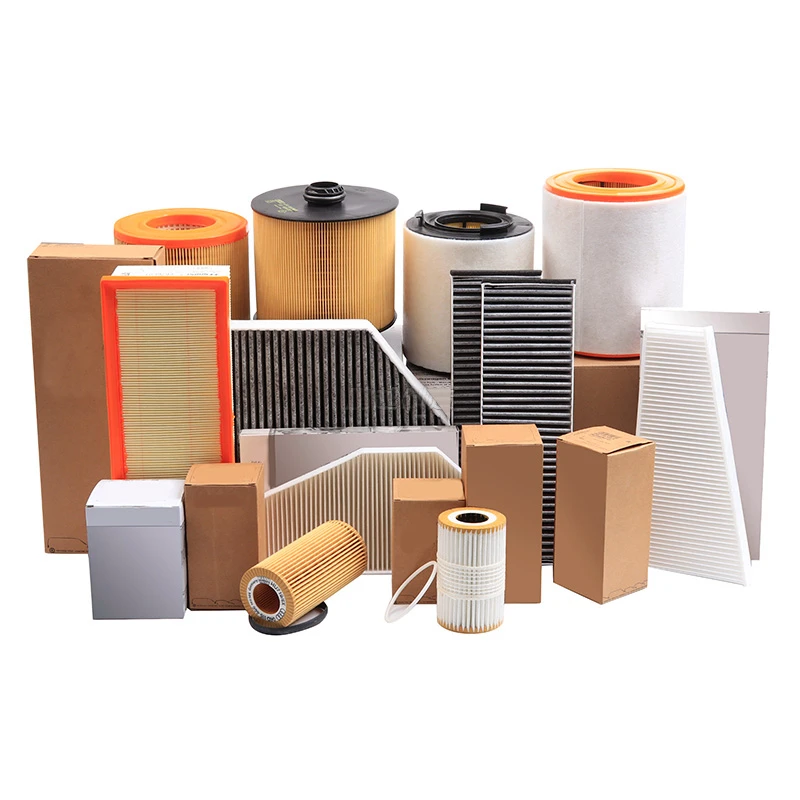
How Often Does Car Air Filter Need to Be Changed? A Practical Guide
Understanding how often does car air filter need to be changed might sound like a small detail, but it actually carries significant implications worldwide. The air filter is the guardian of your car’s engine, keeping out debris, dust, and pollutants that could cause premature engine wear or poor fuel efficiency. With rising concerns about vehicle emissions and sustainability, knowing the right timing for replacing your air filter can save money, protect the environment, and maintain optimal vehicle performance.
Introduction: Why This Matters Globally
Cars are everywhere, no surprise there. According to the International Energy Agency, there are over 1.4 billion motor vehicles worldwide, with the number steadily climbing. This growth means more engines running and, frankly, more potential for pollutants if cars aren’t running efficiently. A clogged or dirty air filter increases fuel consumption and harmful emissions — not just a problem for your wallet but for the planet, too. So it’s no wonder organizations like the ISO set standards for vehicle emissions and maintenance that hinge partly on components like air filters.
But here’s the catch: many drivers neglect air filter maintenance until performance drops. This lag creates a cascade of inefficiencies. Real question: How often does a car air filter really need changing?
Defining the Question: What Does It Mean to Change an Air Filter?
Simply put, replacing a car air filter means swapping the old, clogged one with a fresh, clean filter. The air filter’s job is to ensure that only clean air enters the engine. Dirty air equals dirt in the engine, and dirt means trouble—think worn parts, reduced performance, and higher emissions. Thus, how regularly you replace it impacts your car’s longevity and environmental footprint.
Key Factors Influencing Replacement Frequency
1. Driving Conditions
The environment you drive in plays a starring role. If you’re mostly on paved highways, you might get away with changing your filter every 15,000 to 30,000 miles. But drive often on dusty, rural roads or in heavy traffic — say, in parts of Africa, Australia, or the dusty outskirts of many cities — and you’ll need replacements more frequently. Some experts suggest every 10,000 miles or less in such conditions.
2. Vehicle Manufacturer Recommendations
Almost every vehicle manual includes a recommended air filter service interval. Typically, it's between 12,000 and 15,000 miles, but some newer models might stretch this to 30,000 miles, especially with advanced filtration systems.
3. Filter Quality and Type
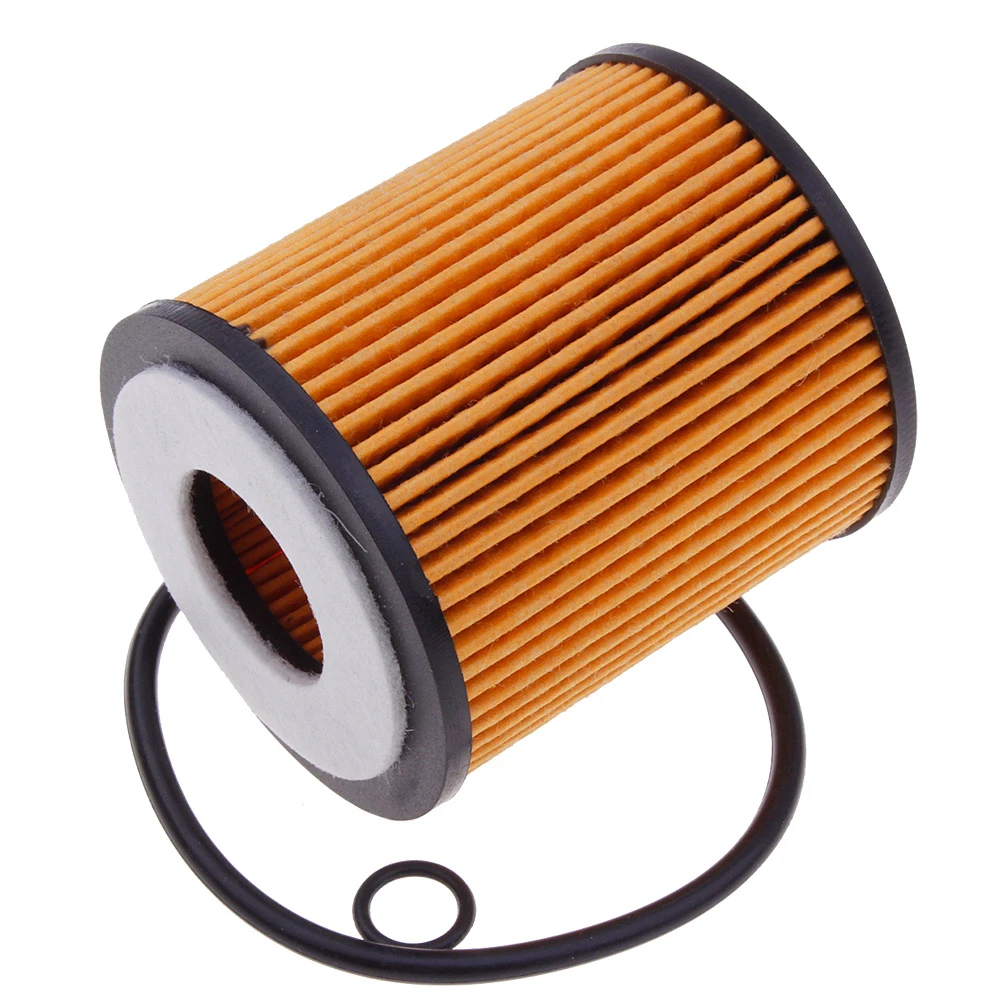
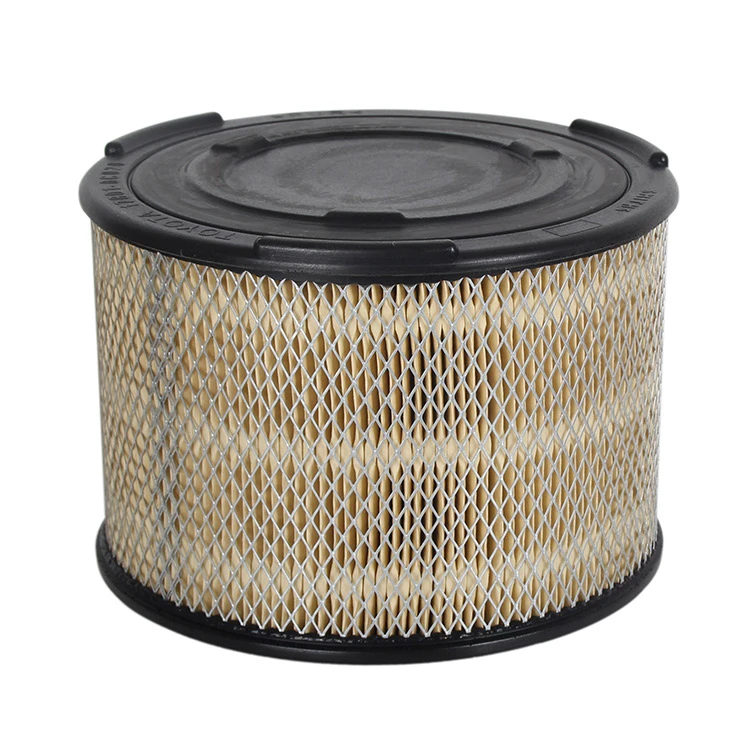
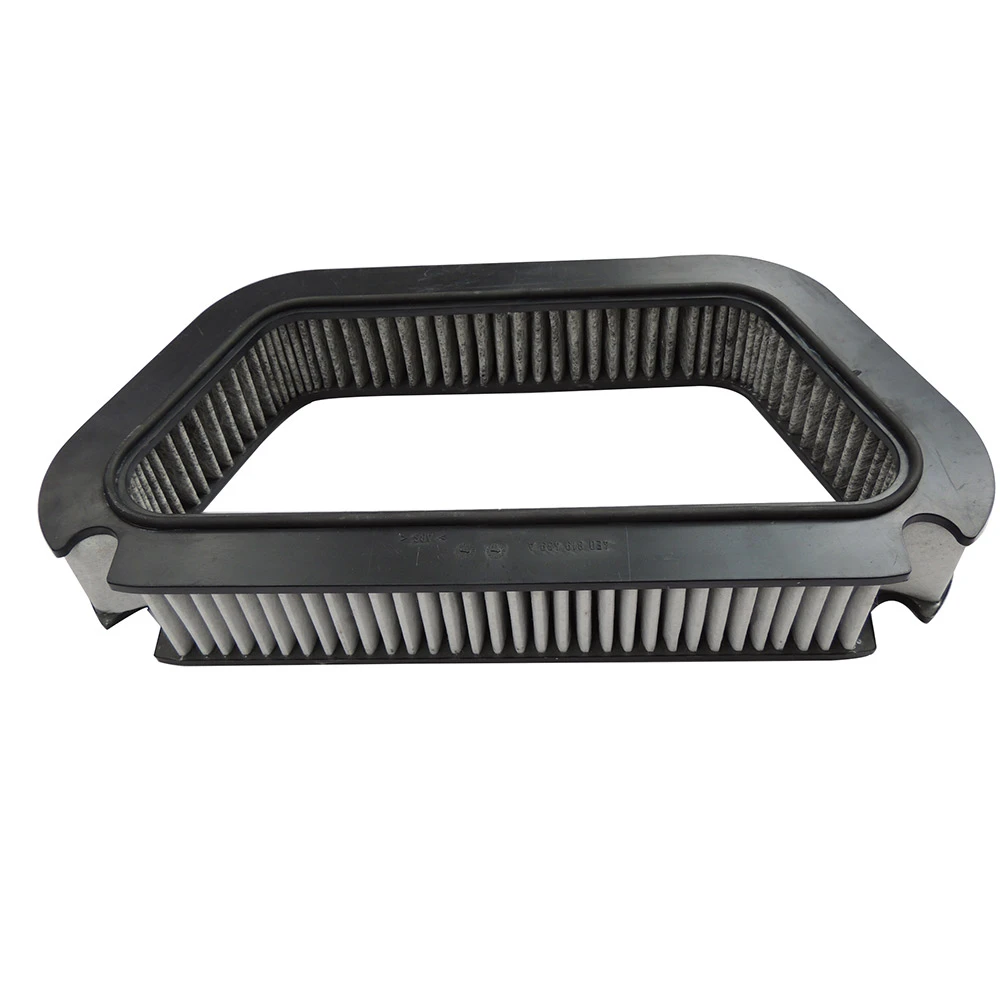
Filters themselves vary — paper, cotton, foam, or synthetic materials. High-performance or reusable filters might last longer but could come at a higher upfront cost. The right choice for you depends on your priority, whether that’s convenience, cost, or environmental considerations.
4. Driving Style
Stop-and-go city driving, idling, or driving in humid climates tend to clog filters faster due to pollutant build-up.
5. Signs of Replacement Need
- Engine misfires or rough idling
- Poor acceleration or sluggishness
- Reduced gas mileage
- Check engine light
So, a blend of these factors drives the decision — very much not a one-size-fits-all answer.
Mini Takeaway
Simply put: frequency depends on your car, where and how you drive, and the filter itself. While general guidelines exist, personalizing replacement schedules makes the most sense.
Global Applications & Use Cases
In industrializing regions like India or parts of South America, where dusty environments are common, frequent air filter maintenance can be a huge help in keeping public and commercial vehicles running efficiently. NGOs operating relief fleets in post-disaster zones often emphasize maintenance protocols that include regular filter changes to avoid breakdowns during critical missions. Meanwhile, logistics companies in Europe or North America might focus on balancing mileage and scheduled maintenance for cost-effective fleet management.
Advantages & Long-Term Value of Regular Air Filter Changes
Economically, a clean air filter improves fuel economy, sometimes by as much as 10%, saving you hundreds annually. Environmentally, it reduces harmful tailpipe emissions — directly aligned with sustainability goals and cleaner air commitments. There's also the safety aspect: engines running smoothly reduce the chance of unexpected breakdowns, which can risk driver safety. In this way, regular replacement is an act of responsibility both to your vehicle and your community.
Future Trends & Innovations
Interestingly, the industry is moving toward smarter maintenance. Some newer vehicles integrate sensors monitoring filter condition, alerting drivers when replacement is due. Eco-friendly materials, like biodegradable or recycled filter media, are increasingly available. Additionally, automated diagnostics are making it easier to maintain fleets with precision, a boon in commercial use. The push for electric vehicles may change the air filter landscape — EVs have air filtration needs too, but obviously no combustion engine. So, the future promises change, but the core concept remains: clean air matters.
Challenges & Solutions
Challenges include lack of awareness among drivers, inconsistent maintenance habits, and varying filter quality. To address these, education campaigns and improved vehicle monitoring technologies help. Some aftermarket air filters come with lifetime guarantees after a certain mileage, or include washable designs, easing replacement burdens. Innovative filter coatings that repel dirt longer are under development, too.
FAQ: Frequently Asked Questions About How Often Does Car Air Filter Need to Be Changed
- How often should I change my car’s air filter if I mostly drive in the city?
- For city driving with stop-and-go traffic, it’s advisable to check the air filter every 12,000 miles and replace it at least every 15,000 miles to prevent clogging from dust and pollutants.
- Can I clean my air filter instead of replacing it?
- Some filters, like cotton or foam types, are washable and reusable. However, traditional paper filters typically require replacement rather than cleaning to maintain filtration integrity.
- Will a dirty air filter cause engine damage?
- A clogged air filter can restrict airflow, causing the engine to run richer on fuel and eventually wear out components faster. While it might not cause immediate damage, long-term neglect can reduce engine life.
- Is it okay to drive with a dirty air filter for a while?
- In emergencies, it might be unavoidable, but routinely driving with a dirty filter reduces efficiency, increases emissions, and risks engine health. It’s best to replace it promptly when dirty.
- Where can I find reliable replacement filters?
- Authorized dealers, reputable auto parts stores, and certified online retailers offer quality filters. Always check compatibility with your car’s model and consider manufacturer-recommended brands for the best fit.
Product Specification Table for Typical Car Air Filters
| Specification | Value / Description |
|---|---|
| Filter Material | Pleated Paper / Synthetic Fiber |
| Typical Lifespan | 12,000 - 15,000 miles (general use) |
| Operating Temperature Range | -40°F to 200°F (-40°C to 93°C) |
| Filtration Efficiency | Up to 98% dust particle removal |
| OEM Compatibility | Varies by model / year |
Vendor Comparison Table for Popular Car Air Filter Brands
| Brand | Filter Type | Typical Lifespan | Price Range (USD) | Notable Feature |
|---|---|---|---|---|
| Fram | Paper / Composite | 12,000 - 15,000 miles | $10 - $20 | Wide availability |
| K&N | Reusable Cotton Gauze | Up to 50,000 miles | $35 - $60 | Washable & Performance-oriented |
| Bosch | Synthetic Fiber | 15,000 - 20,000 miles | $15 - $30 | Advanced filtration technology |
Conclusion: Keeping Your Car (and Our Planet) Running Smoothly
In the end, how often does car air filter need to be changed isn’t a simple question with a one-number answer. It blends your driving style, environment, and vehicle specifics—but the payoff is unmistakable: better engine health, improved fuel economy, fewer emissions, and ultimately a safer drive. So, do yourself and the planet a favor—stay on top of your air filter maintenance.
Want to learn more details or find the right filter for your vehicle? Visit our website: how often does car air filter need to be changed.
It always feels a bit like caring for your car’s lungs – keep them clear and it breathes life back at you.
References:
-
Guide on how often do you need to replace engine air filterNewsApr.16,2026
-
Learn how often do you replace air filter in car for engine healthNewsApr.09,2026
-
How Often Do You Replace Car Air Filter For Optimal Engine PerformanceNewsApr.07,2026
-
How Often Do You Replace Engine Air Filter For Optimal Vehicle PerformanceNewsApr.04,2026
-
Understanding How Often Does Engine Air Filter Need to Be Replaced for Optimal PerformanceNewsMar.31,2026
-
How Often Engine Air Filter Change Impacts Performance and LongevityNewsMar.28,2026
-
Understanding How Often to Replace Your Car Air Filter for Optimal PerformanceNewsMar.26,2026
Related Products