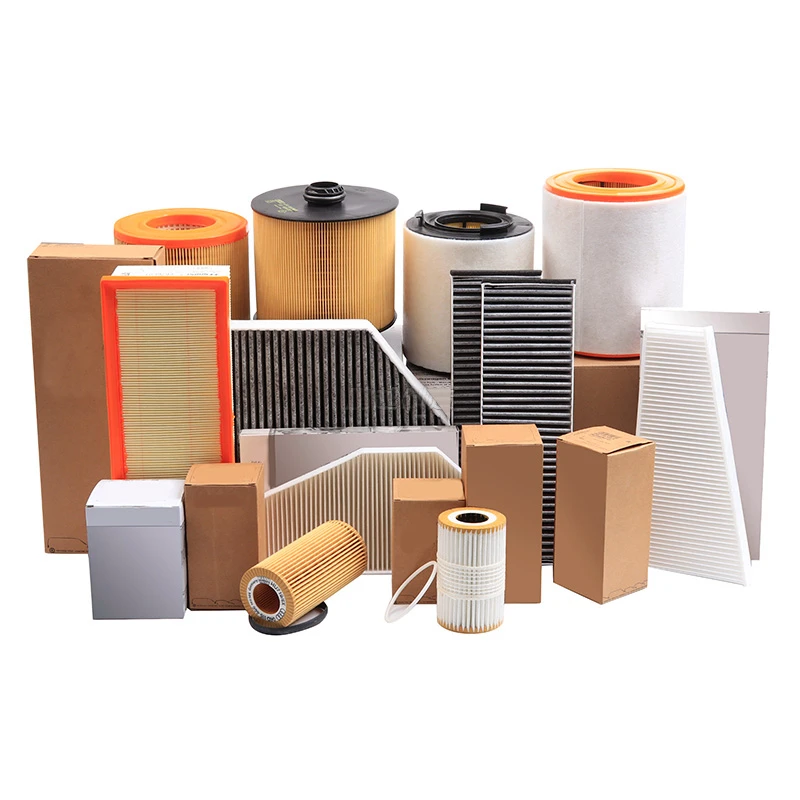
How Often Engine Air Filter Change Really Matters: A Practical Guide
Engine air filters might not be the flashiest part under your car’s hood, but they sure play an essential role in keeping your engine healthy. Understanding how often engine air filter change occurs goes beyond just maintenance checklists—it's a global issue tied to fuel efficiency, emissions, and engine longevity. And frankly, knowing when and why to replace these filters can save money, reduce environmental impact, and avoid unexpected breakdowns.
Why Does It Matter Globally?
Interestingly, the International Energy Agency reports that transportation accounts for about 24% of global CO2 emissions. A clogged or dirty engine air filter directly affects how cleanly and efficiently vehicles operate, which means that routine filter changes contribute to cleaner air worldwide. Plus, according to a study published by the U.S. Department of Energy, replacing dirty air filters can improve fuel efficiency by up to 10%. So, whether you’re running a fleet in Europe or relying on a single car in a bustling Asian city, the question of how often engine air filter change resonates globally.
Oddly enough, many vehicle owners neglect this simple maintenance, which hides the true costs in increased fuel consumption and premature engine wear—both avoidable problems.
Defining How Often Engine Air Filter Change Means
Simply put, the phrase how often engine air filter change refers to the recommended frequency—usually in miles or kilometers—at which a vehicle’s engine air filter should be replaced. This timing depends on factors like driving conditions, environment, and the vehicle manufacturer’s specs. For example, dusty or urban environments may demand more frequent changes than clean highway driving.
This is more than just a car thing. In industrial and humanitarian contexts, such as generators in disaster relief or agricultural machinery in remote zones, knowing the proper timing for engine air filter changes is essential to ensure equipment reliability where downtime costs are critical.
Key Factors Influencing Engine Air Filter Change Frequency
1. Durability of the Filter Material
Filters come in various materials—paper, foam, cotton gauze—and each has its own lifespan. For example, reusable cotton filters can last longer with cleaning, but they require proper maintenance, or else they get clogged faster.
2. Environmental Conditions
If you’re regularly driving in dusty rural roads or highly polluted cities, the air filter naturally traps more contaminants—meaning you need to change it sooner. According to ISO standards for air quality in engines, heavier particulate matter accelerates clogging rates.
3. Vehicle Type and Engine Design
Smaller engines or turbocharged models can be more sensitive to airflow restrictions. So, their air filters often have different change intervals specified by the manufacturer.
4. Usage Intensity and Patterns
Commercial vehicles with heavy stop-and-go driving habits typically require filter replacement more frequently compared to cars mostly used for highway cruising.
5. Cost Efficiency
While it might seem cheaper to delay changes, dirty filters can cause higher fuel consumption or engine damage, which is far costlier. Plus, some modern filters come equipped with sensors to signal when a replacement is due.
Typical Product Specifications of Popular Engine Air Filters
| Model | Material | Recommended Change Interval | Filtration Efficiency (%) | Reusable |
|---|---|---|---|---|
| ACME Paper Filter X100 | Pleated Paper | 12,000 miles (19,300 km) | 99.5% | No |
| EcoFoam Filter Z7 | Micro-foam | 15,000 miles (24,140 km) | 98.2% | No |
| FilterPro Cotton Gauze R200 | Cotton Gauze | Up to 50,000 miles with cleaning | 96.5% | Yes |
Mini takeaway: Engine air filters vary by material and durability, and knowing their specs helps tailor replacement frequency to real-world conditions.
How Different Vendors Stack Up: A Quick Comparison
| Vendor | Price Range (USD) | Warranty | Eco-Friendly Options | Global Availability |
|---|---|---|---|---|
| FilterPro | $25-$60 | 2 Years | Yes - Reusable filters | Worldwide |
| ACME Auto Parts | $15-$30 | 1 Year | Limited | North America, Europe |
| EcoFoam Filters | $20-$50 | 3 Years | Yes - Biodegradable filters | Mainly Europe & Asia |
Global Applications of Engine Air Filter Maintenance
- Automotive fleets: Buses and delivery trucks in congested cities replace filters more often to reduce emissions.
- Disaster relief engines: Portable generators in dusty or humid locations require vigilant filter changes to ensure constant power.
- Agriculture machinery: Tractors operating in dry, dusty fields undergo accelerated replacement schedules.
- Mining equipment: Extremely harsh environments demand robust filters and shorter change intervals.
In fact, organizations like the United Nations Development Programme emphasize reliable maintenance standards, including proper air filter replacement, to support sustainable mechanical operations in developing countries.
Advantages & Long-Term Value of Timely Engine Air Filter Changes
In practical terms, sticking to the right filter change timeline leads to:
- Improved fuel economy, saving money and reducing carbon footprint.
- Less engine wear, which delays costly repairs.
- Cleaner air intake, which correlates with lower emission levels.
- Increased vehicle reliability—especially crucial in emergency or industrial contexts.
From an emotional perspective, drivers or operators report a greater sense of confidence and safety—knowing their equipment runs efficiently. Dignity, oddly enough, comes from responsible caretaking of machinery, especially in humanitarian missions.
Future Trends & Innovations in Air Filter Maintenance
Tech advances such as IoT sensors now allow real-time monitoring of air filter status, alerting owners before filters become clogged. Additionally, new materials with nano-fibers promise higher filtration efficiency and longer life.
Green initiatives are pushing biodegradable filters that reduce landfill waste, while some manufacturers experiment with self-cleaning filters coated with hydrophobic layers.
Challenges & Expert Solutions
Common setbacks include:
- Ignoring manufacturer guidelines due to cost savings, leading to engine damage.
- Lack of awareness about environmental impacts from poor maintenance.
- Difficulty in accessing quality filters in remote areas.
Experts advise: regular checks, using OEM-recommended parts, and leveraging apps or connected devices to track replacement intervals reliably.
FAQ: Frequently Asked Questions About How Often Engine Air Filter Change
Q: How can I tell if my engine air filter needs changing?
A: Generally, reduced engine power, lower fuel efficiency, or visible dirt on the filter indicate it’s time to replace. Some vehicles alert via dashboard warnings too.
Q: Is it okay to clean and reuse paper air filters?
A: Usually not. Paper filters are designed for one-time use. Cleaning attempts can damage the fibers and reduce performance. Cotton gauze filters, on the other hand, can be cleaned and reused.
Q: Does driving in cities require more frequent air filter changes?
A: Yes. Urban pollution and frequent stops increase particulate intake, shortening filter life compared to highway driving.
Q: What’s the risk of not changing the air filter on time?
A: You risk fuel inefficiency, increased emissions, and possible engine damage due to restricted airflow and contamination.
Q: Can digital tools help me manage my vehicle’s air filter maintenance?
A: Absolutely. Apps paired with onboard diagnostics or IoT sensors can notify you when it’s time for replacement, helping you avoid guesswork.
Conclusion: Stay Ahead with Smart Engine Air Filter Care
Understanding how often engine air filter change isn’t just a mechanical routine—it’s a vital link to global environmental and economic goals. With better knowledge and tools at hand, it’s easier than ever to keep your engine running smoothly, protect your wallet, and contribute to cleaner air.
Visit https://www.jyfilter.com to access expert insights and discover quality filters tailored to your needs.
It’s a small effort that pays major dividends in the long run—kind of like a secret handshake with your car’s engine.
References:
-
Guide on how often do you need to replace engine air filterNewsApr.16,2026
-
Learn how often do you replace air filter in car for engine healthNewsApr.09,2026
-
How Often Do You Replace Car Air Filter For Optimal Engine PerformanceNewsApr.07,2026
-
How Often Do You Replace Engine Air Filter For Optimal Vehicle PerformanceNewsApr.04,2026
-
Understanding How Often Does Engine Air Filter Need to Be Replaced for Optimal PerformanceNewsMar.31,2026
-
How Often Engine Air Filter Change Impacts Performance and LongevityNewsMar.28,2026
-
Understanding How Often to Replace Your Car Air Filter for Optimal PerformanceNewsMar.26,2026
Related Products